Blog

A Thermal Picture Is Not a Finding: What a Solar PV Survey Report Has to Carry

September 14, 2026|Categories: All, Featured, Solar, Thermography|Tags: , , , , |

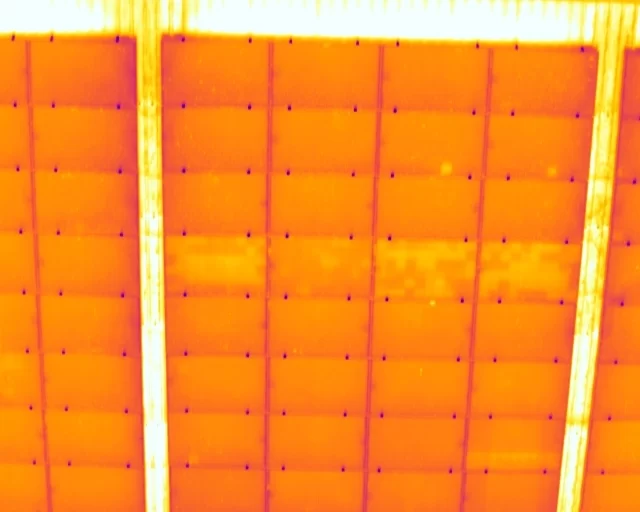
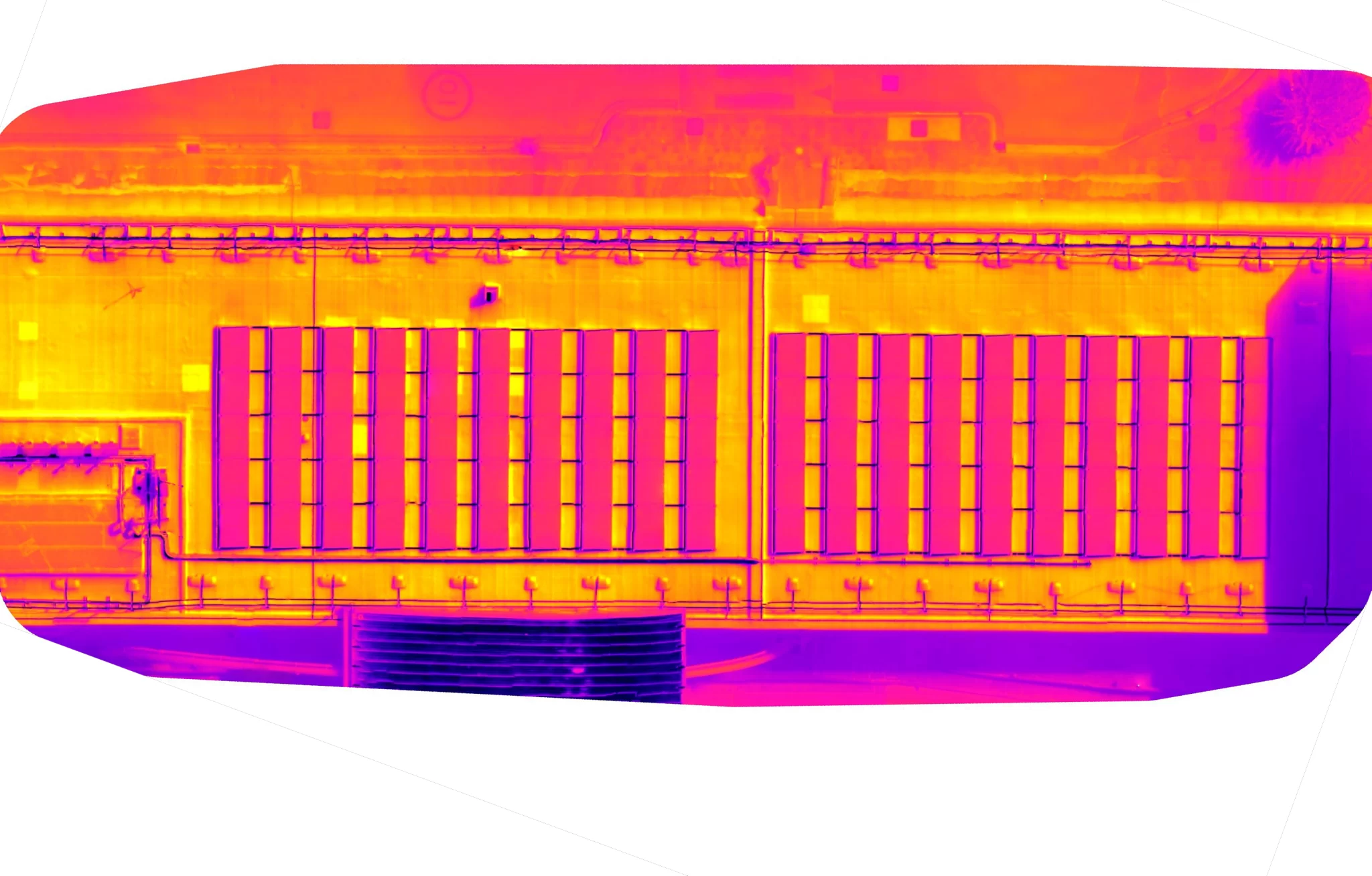
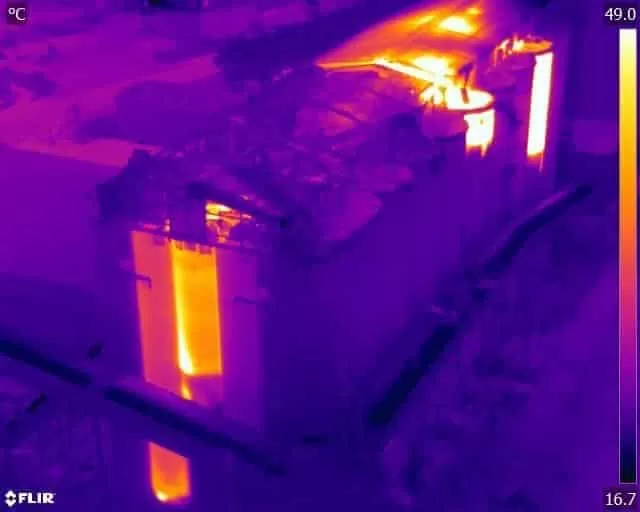
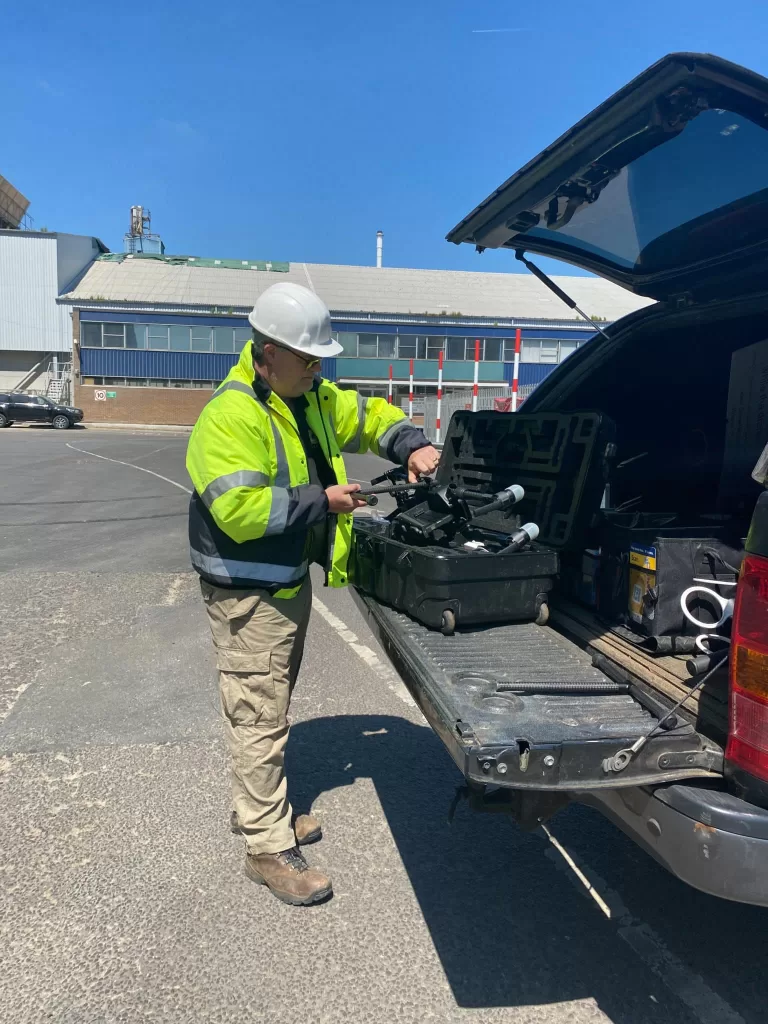
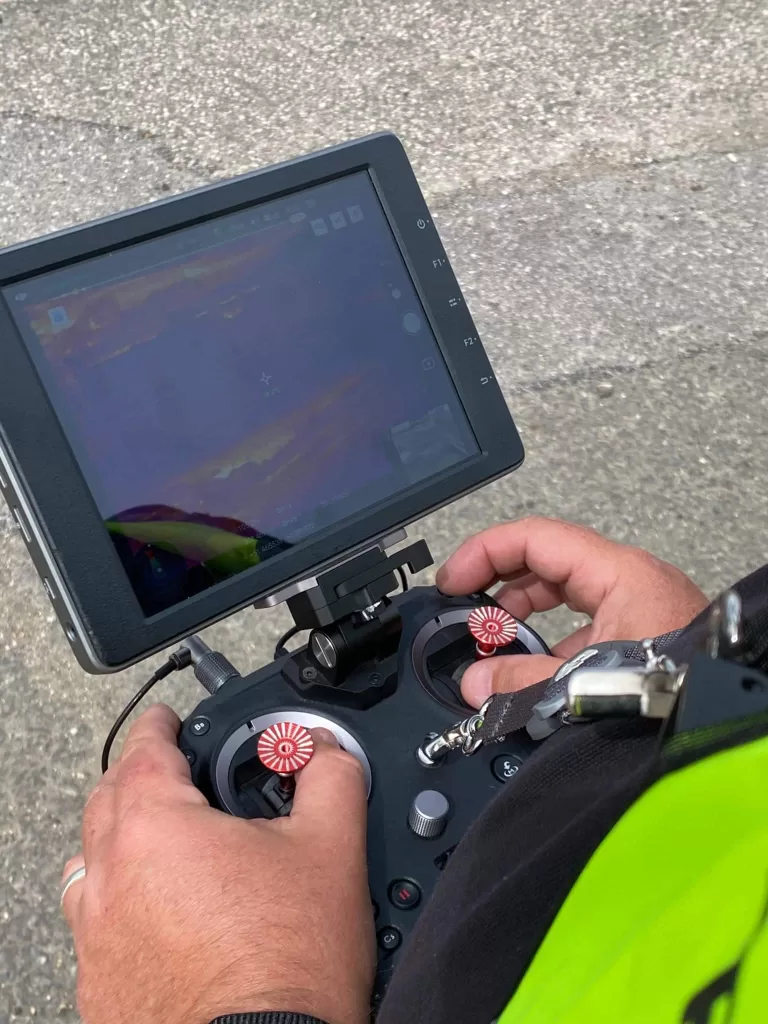
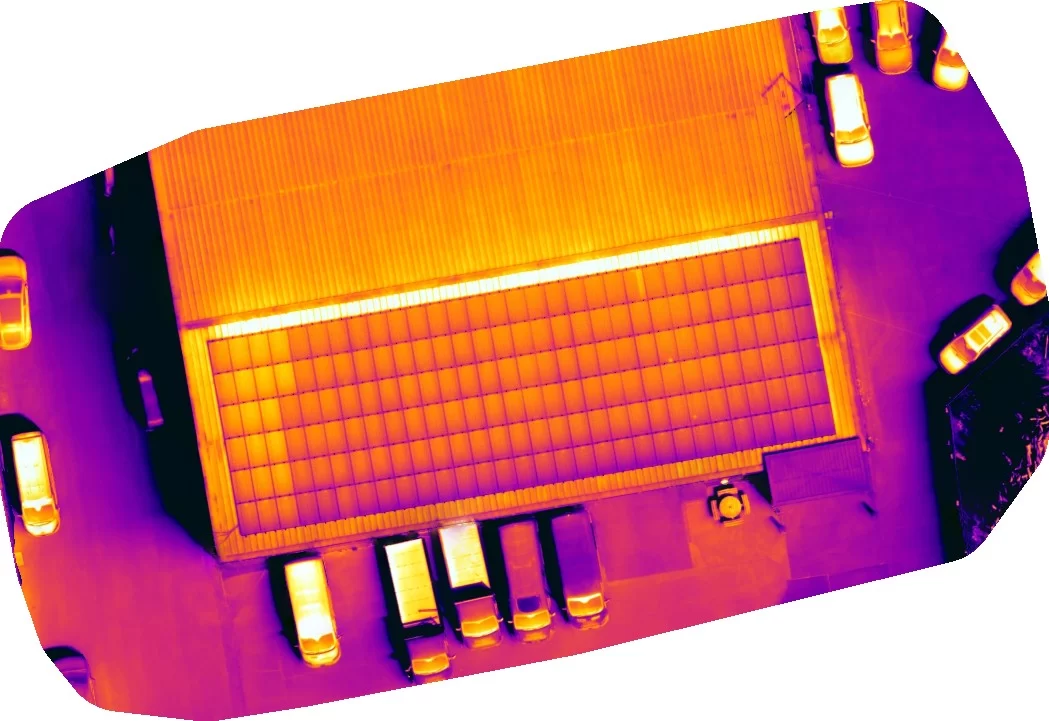
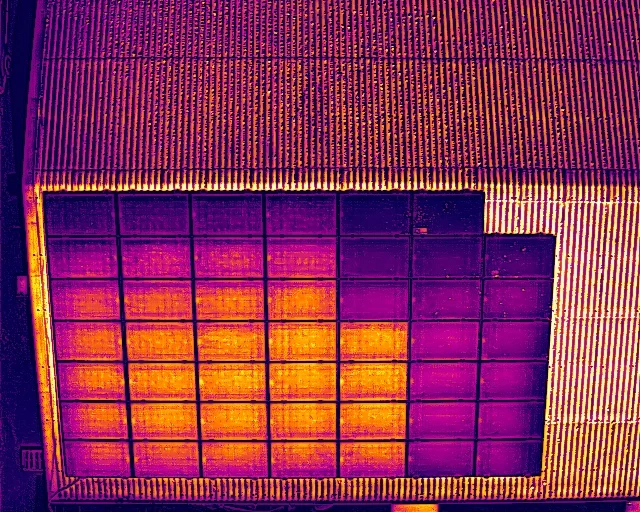
A thermal image shows that something on a solar array is warmer than its neighbours. It does not say which module, how much warmer than what, how serious it is, or what should happen next. This is what turns an anomaly into a located, classified and prioritised finding, what the reporting requirements of IEC 62446-3 ask a survey report to carry, and why that document is a different object altogether from a set of thermal pictures.

What Makes a Roof Photograph Worth Having

September 14, 2026|Categories: All, Featured, Inspection and Survey|Tags: , , , |

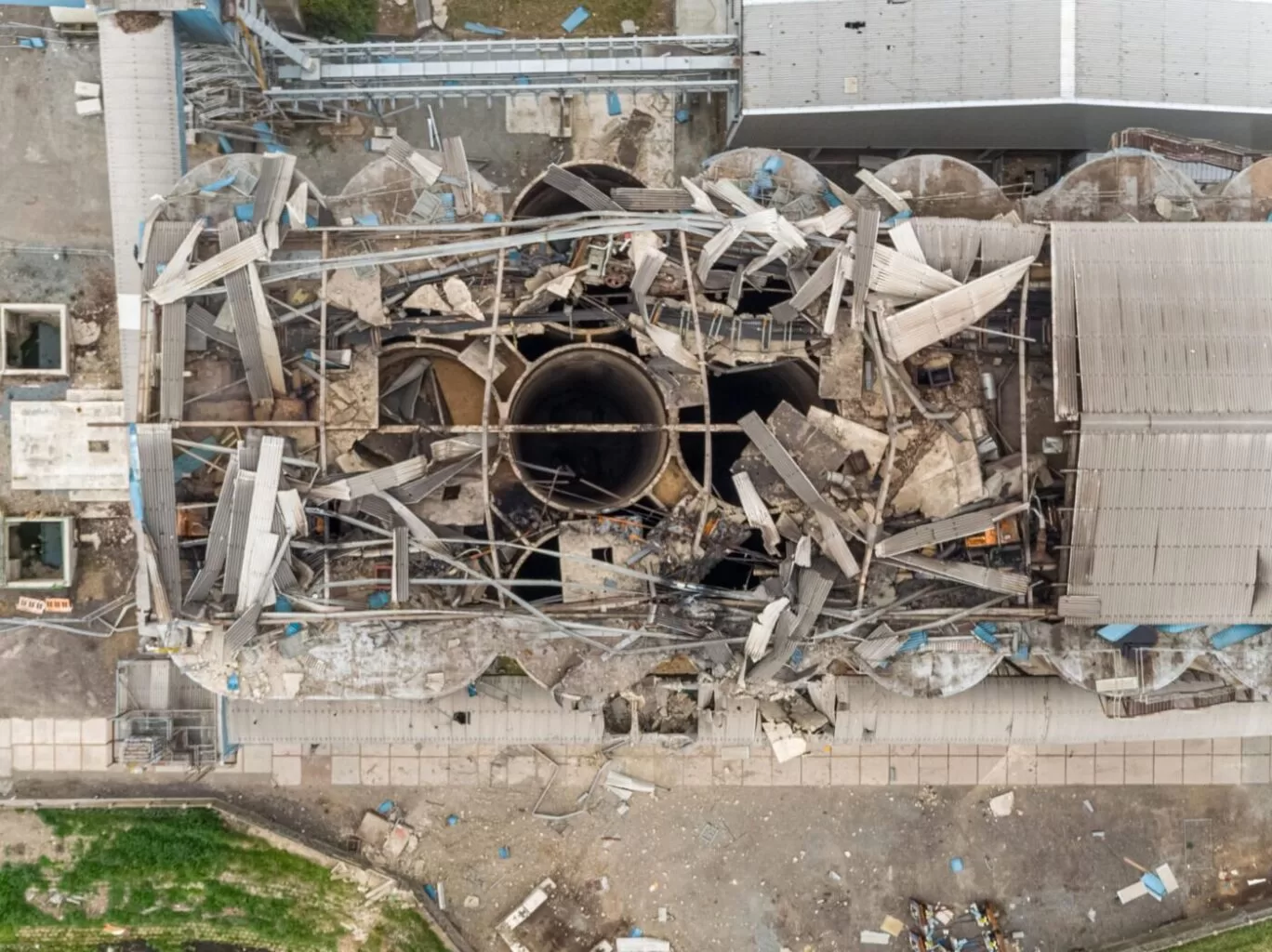
Roof inspection by drone is a crowded service, and most of it is genuinely the same. What varies is whether the photographs answer the question that prompted the enquiry. This post looks past the flying at the images themselves: why distance, angle and light decide what a frame resolves, how a detail shot becomes evidence when a wider frame places it on the building, and the things no photograph of a roof will ever tell you.

Why a Rooftop Solar Array Is Surveyed From the Air and Not From the Roof

September 14, 2026|Categories: All, Featured, Solar|Tags: , , , , , , |

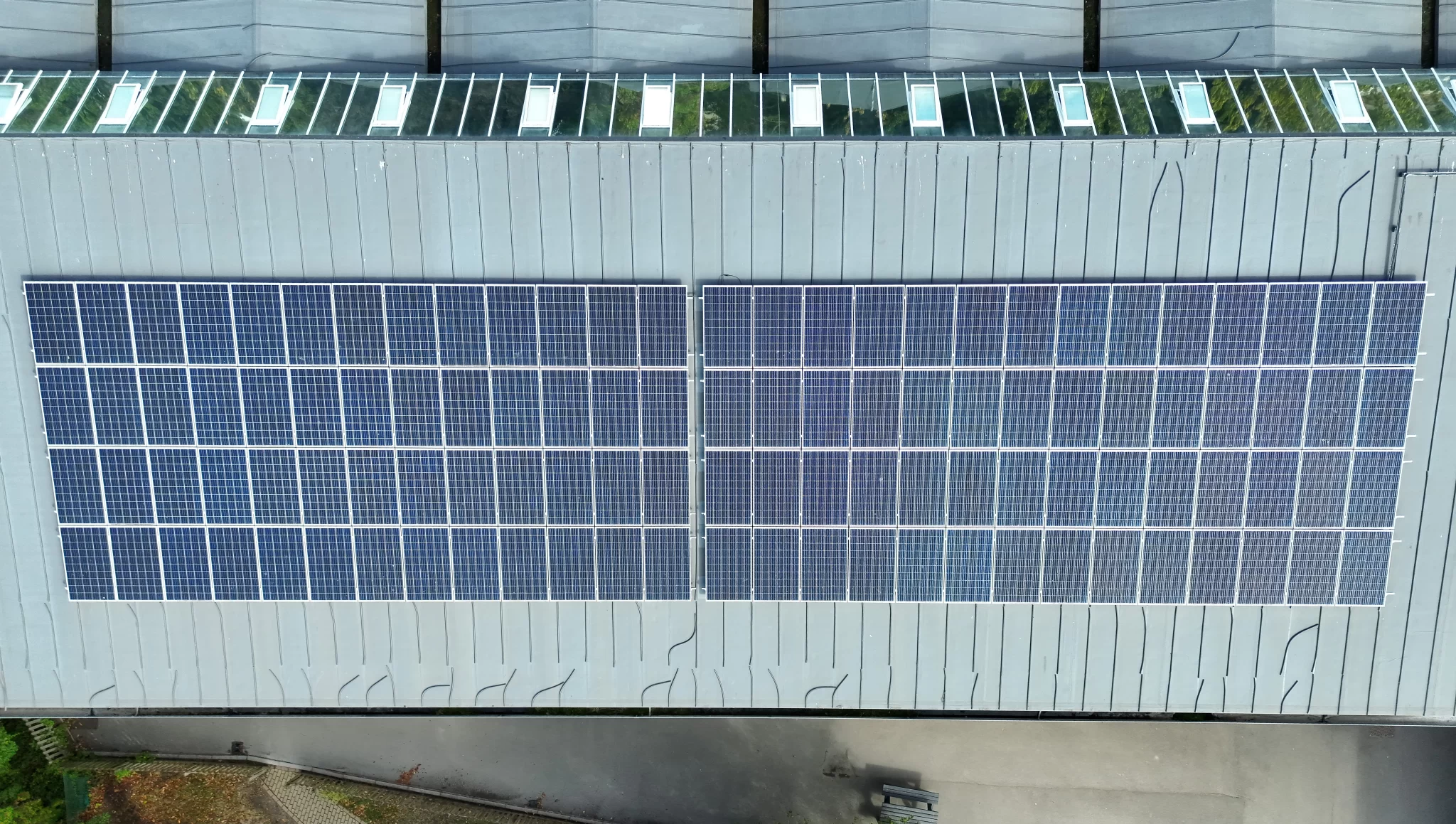
A commercial rooftop solar array sits on somebody's working building, and that single fact decides how it gets inspected. Getting a person to roof level means access equipment and a permit, and the roof covering is not always capable of carrying them. It also puts the camera in the wrong place: IEC 62446-3 wants the thermal image taken square to the module, which nobody standing on a pitched roof can manage. Here is why the survey is flown instead.

Drone Terminology Explained: What the Words in a UK Quotation Mean

September 14, 2026|Categories: All, News|Tags: , , |

A quotation for aerial survey work arrives carrying an operating category, an authorisation reference, a competence certificate and a class mark, and it is tempting to skip past all of it to the price. Those terms are the part of the document that tells you what can actually be flown. This is the vocabulary you are likely to meet in a real quotation or a real conversation about permissions, in plain English, with the practical consequence of each attached.

How Close Can a Drone Fly to People and Buildings? The Ground Rules Behind a Commercial Booking

September 11, 2026|Categories: All, Featured, News|Tags: , , , , , , , |

How close can a drone legally fly to people and buildings in the UK? This piece sets out the ground rules in plain terms: the Open category subcategories A1, A2 and A3, the 120 m height limit, the separation kept from uninvolved people and from residential, commercial, industrial and recreational areas, what "uninvolved" means for your own staff and visitors, and why a Specific category Operational Authorisation is what lets a commercial operator work closer on a busy site.

How Airspace Affects Your Drone Flight: What Sits Above Your Site and What It Means for the Booking

September 11, 2026|Categories: All, Featured, News|Tags: , , , , , , , |

Every drone flight takes place in airspace, and airspace begins at the ground. This guide explains, in plain terms, the difference between controlled and uncontrolled airspace, the permanent prohibited, restricted and danger areas, the hazards marked on the chart, and the temporary restrictions that can appear over a site at short notice. It sets out how Drone Media Imaging checks a site before quoting and again before flying, and what a client should expect to hear back about the booking.

Aerial Imagery in an Insurance Claim: Who Commissions It, and What It Has to Show

September 11, 2026|Categories: All, Featured, Inspection and Survey, News|Tags: , , , , , , |

Aerial imagery enters an insurance file by three routes: a loss adjuster who cannot safely reach a roof, a broker placing or renewing cover on a large building, and a policyholder who wants an independent dated record before a repair covers the evidence. This piece sets out what each uses the images for, and the five things that make a set of photographs acceptable to a sceptical reader: dated, placed, systematic, unaltered, and accompanied by a plain account of what was observed.

Hiring a Drone Operator: The Paperwork to Ask For, and What Each Document Proves

September 11, 2026|Categories: All, Featured, News|Tags: , , , , , , , , |

Booking a drone operator means checking paperwork, and the names have changed since most checklists were written. This piece sets out the three families of document a client should ask for, registration, authorisation and insurance, what each proves, and the pairs most often confused: an Operator ID against a Flyer ID, an Operational Authorisation against the retired PfCO, a GVC against an A2 CofC. It closes with the paperwork that belongs to your job rather than the operator.

Where a Drone Takes Off From, and Whose Permission That Needs

September 11, 2026|Categories: All, Featured, News|Tags: , , , , , , |

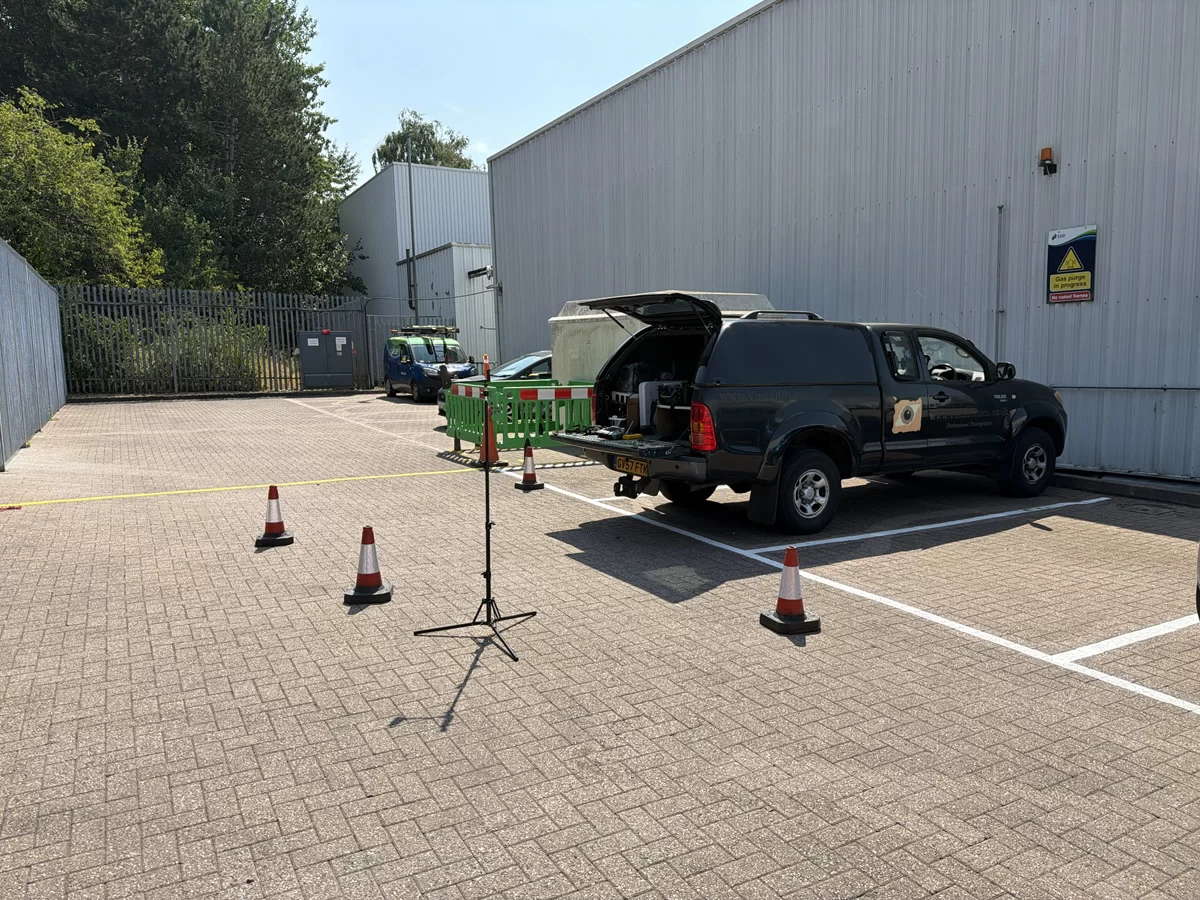
Every drone flight starts and ends on somebody's ground, and an aviation authorisation gives no right to it. This post explains the two separate permissions a professional flight needs, the air and the ground, what happens when the client controls a site but does not own it, why the best vantage point is often next door, why public land and roads are rarely the answer, and how Drone Media Imaging settles the take-off point during planning rather than on the day.

Booking Drone Work: Where the Legal Responsibility Actually Sits

September 11, 2026|Categories: All, Featured, News|Tags: , , , , , , |

Hiring a drone operator does not make you responsible for the flight, but it does make the choice of operator yours. Since the rules changed at the end of 2020 there is no commercial drone permission as such: the category is set by the risk of the flight, and work on a working site normally needs a Civil Aviation Authority Operational Authorisation held by the operator. This article explains who carries what, and what a competent operator should show you before flying.

Go to Top