Facade and Structure Inspections
Every Elevation, at the Same Distance
Photographic inspection of building elevations and structures at height across Sussex, Surrey, Kent and Hampshire: cladding, render, brickwork, curtain walling, panel joints, sealant lines, balconies and the upper floors nobody can see properly from the pavement. Also masts, towers, bridges, silos and industrial structures. Covered systematically at a consistent distance, with observations marked on the images.
Every Elevation, at the Same Distance
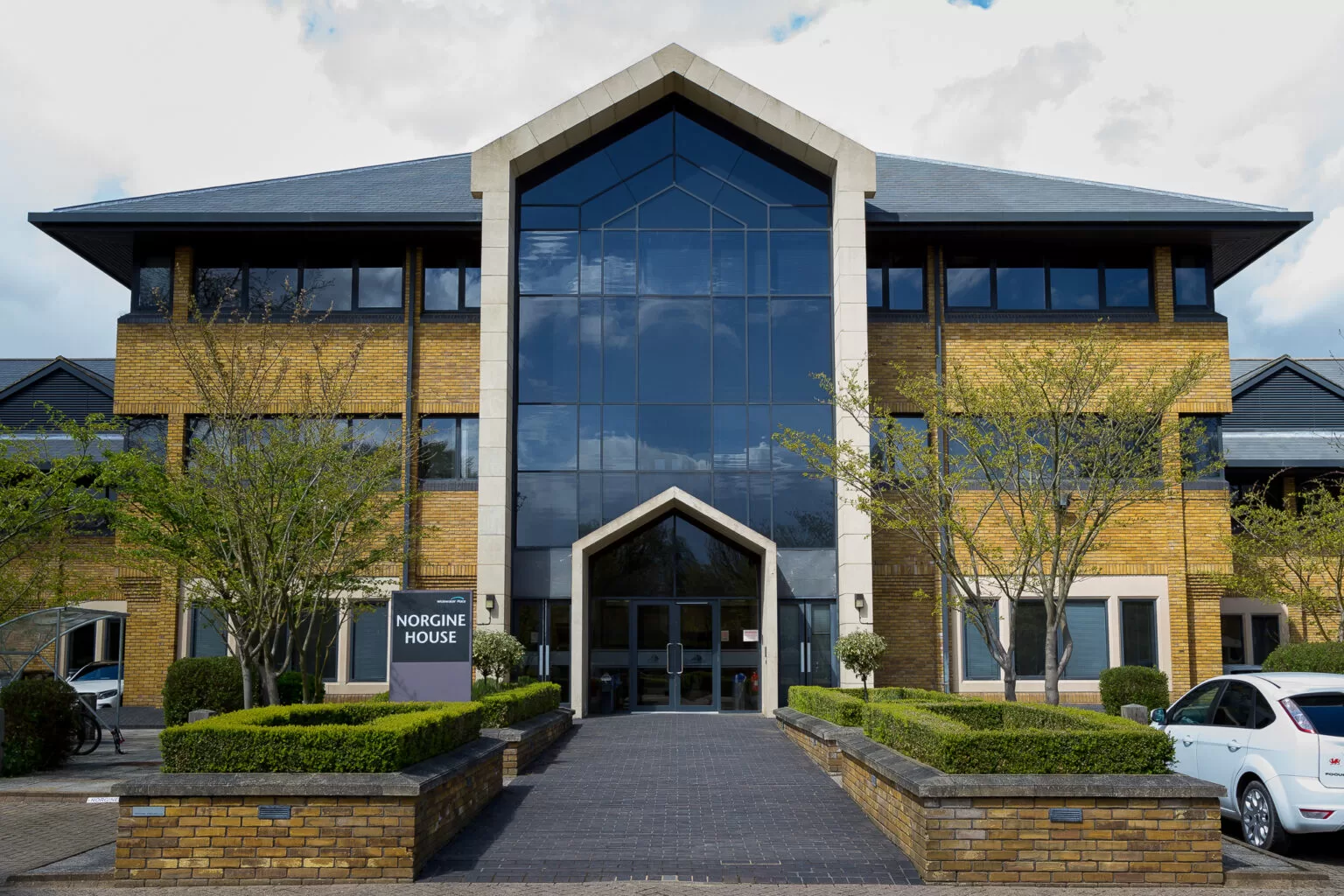
An elevation photographed from the pavement is a photograph of the ground floor and a guess about everything above it. The higher you look, the steeper the angle, the less of the surface you actually see, and the more the wall foreshortens into a strip of texture. On anything above three storeys, the part of the building most exposed to weather is the part nobody has a usable picture of.
Flown, the camera holds the same distance and the same angle the whole way up. The top floor is photographed exactly as the bottom one is, so cracking, staining, movement at a joint or a failed sealant line reads the same wherever it happens to be. That consistency is what makes an elevation worth comparing against itself, and against the same building a year later.
This is commercial and industrial work, and it is done across the South East: office and retail stock in Crawley, Gatwick, Brighton, Guildford, Woking, Redhill and Maidstone, industrial and port estates around Southampton, Portsmouth and Ashford, and the distribution and manufacturing units of Basingstoke, Eastbourne and the Medway towns. Working from Crawley, West Sussex keeps a repeat visit to the same building a routine booking rather than a project.
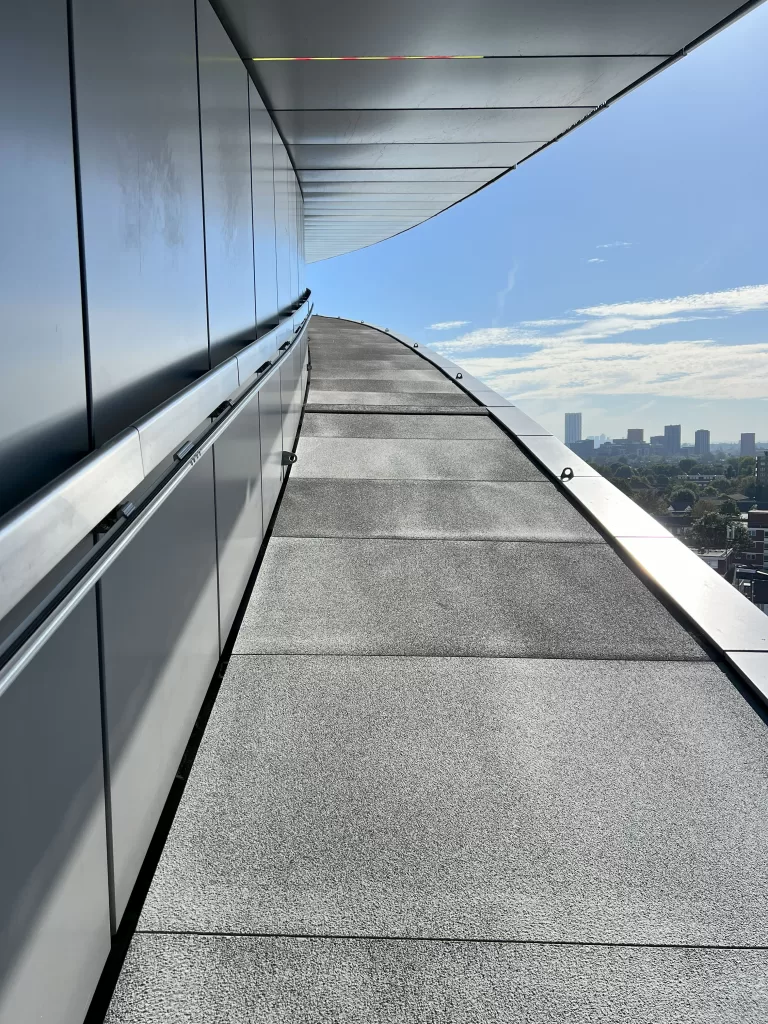
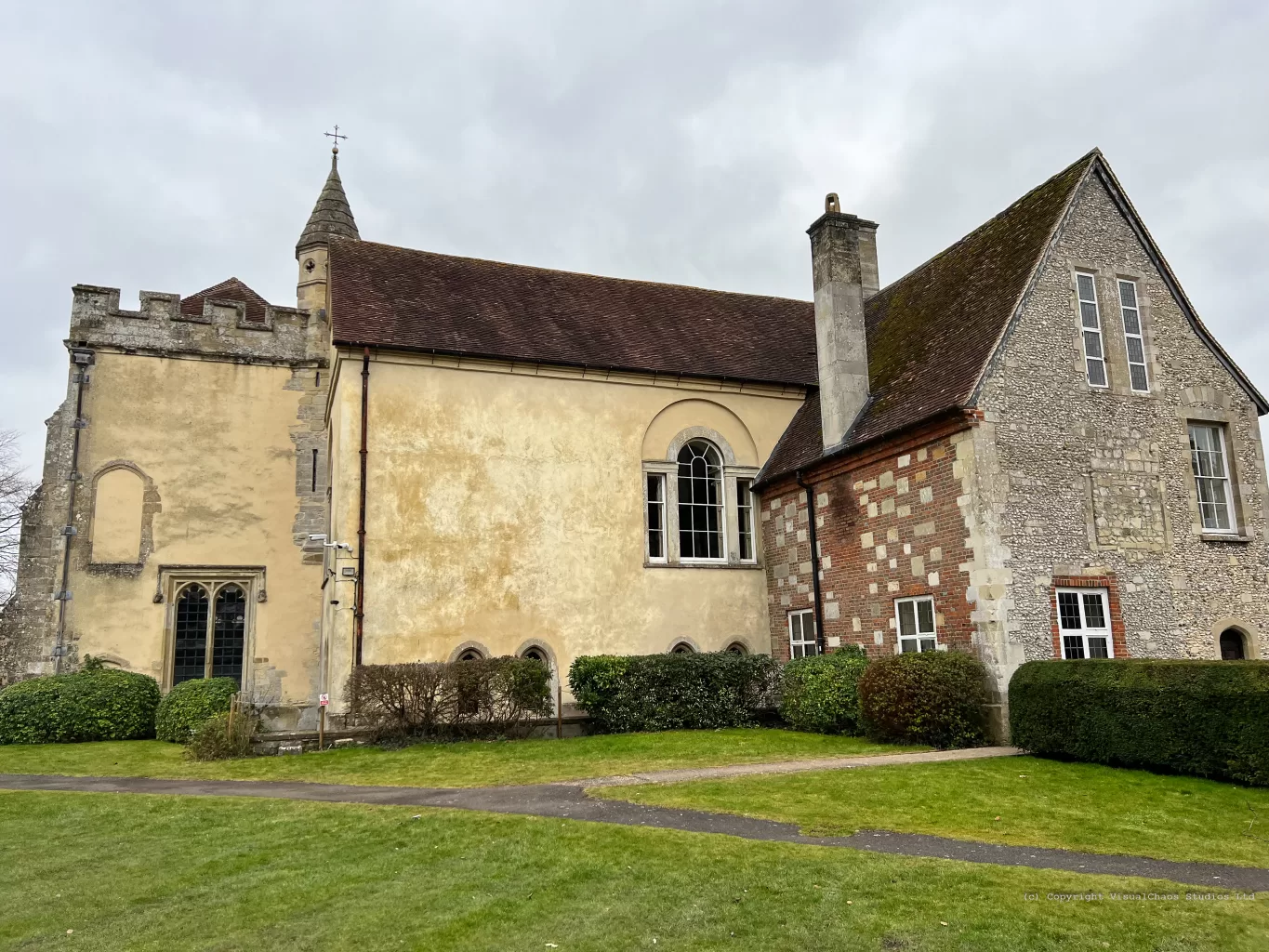
What Shows Up on an Elevation
Cracking, joints, fixings and water going where it should not
Most of what goes wrong on an elevation announces itself visually a long time before it becomes expensive, and almost all of it is above the height anybody looks.
Cracking and movement. Where a crack runs, how wide it is at each end, whether it follows the mortar or goes through the units, and whether it lines up with something structural. A photograph taken square on and close makes that legible; the same crack shot from the pavement at forty degrees does not.
Render and cladding. Blown or hollow render, crazing, spalled brick faces where frost has got into saturated masonry, rust staining that says a fixing or a lintel is corroding behind the surface, and panels that have shifted out of line with their neighbours.
Joints and sealant. On a panelled or curtain-walled building the joints are the weakest part and they fail progressively: sealant hardening, splitting, pulling away at one end, or simply missing after a previous repair. This is close-detail work and it is the most common cause of water getting into a building that looks perfectly sound.
Water tracking. Staining below a coping, a blocked outlet discharging down a wall, algae and moss following the same line year after year. The pattern usually tells you where the water is coming from, and it is only visible when you can see the whole elevation at once.
Balconies and undersides. Soffits, balcony slabs, their drainage and their junction with the wall are difficult to inspect from anywhere, and they are frequently where a building first shows its age.
At a glance
What a facade inspection covers, why the angle matters, and where the boundary sits.
- Across Sussex, Surrey, Kent and Hampshire, on the commercial, retail and industrial stock of the South East, with repeat visits easy to arrange from a base in Crawley, West Sussex.
- Whole elevations, floor by floor, at a consistent distance and angle rather than steepening as they go up.
- Cladding, render, brickwork and curtain walling: cracking, spalling, staining, panel movement, failed sealant, corroding fixings, blown render and vegetation taking hold.
- Balconies, soffits, reveals and the undersides that cannot be seen from the ground or from inside.
- Structures as well as buildings: masts, towers, silos, tanks, bridges and industrial steelwork, photographed without a platform, a rope team or a shutdown.
- Repeatable. Flown the same way a year later, the two sets can be compared, which is how you tell a crack that is moving from a crack that has always been there.
- Visual inspection only. Not a structural assessment, not a facade condition report in the professional sense, and not a substitute for either.
Photographed from below, every building looks fine above the second floor.
Usually Worth Doing on the Same Visit
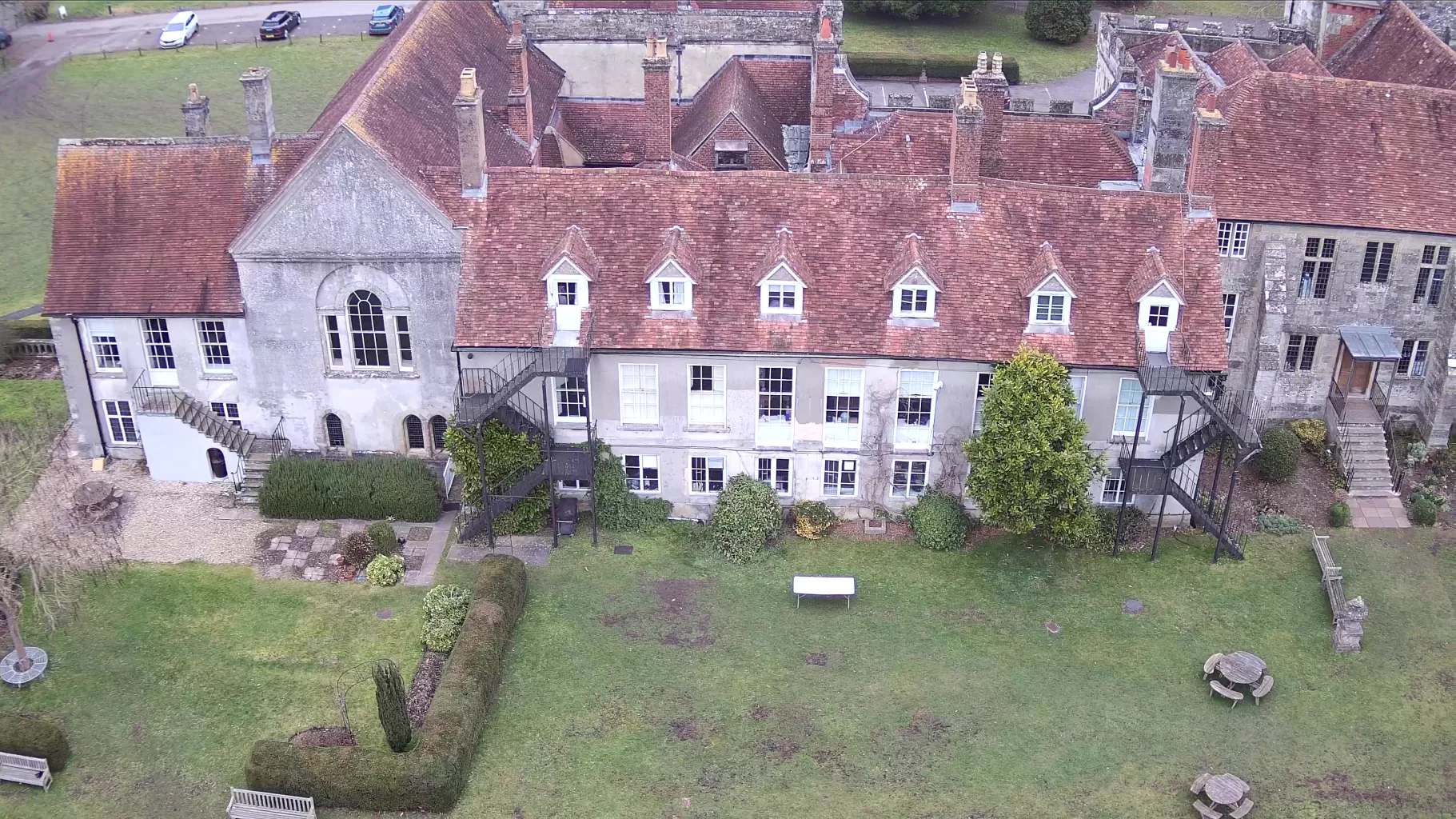
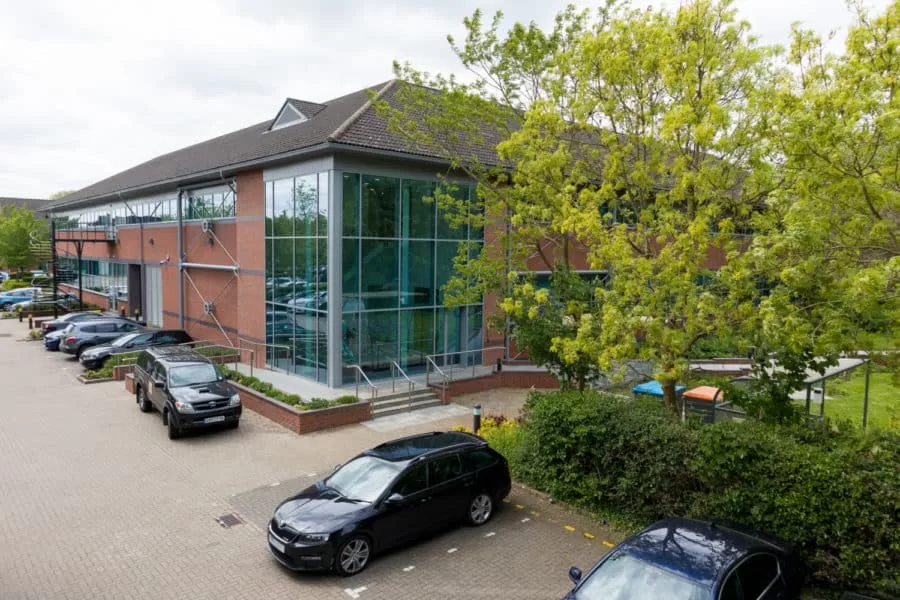
Structures, Not Just Buildings
Masts, towers, silos, bridges and anything with a climb attached
Anything tall and awkward has the same problem as a facade: the parts that need looking at are the parts that cost the most to reach.
Masts, towers and antenna structures. Fixings, corrosion, coatings, mountings and the condition of everything bolted to them, photographed without a climb. On a structure where inspection normally means a rope team and a permit, that changes how often it is worth looking.
Silos, tanks and process structures. Shells, roofs, ladders, walkways and handrails, and the areas around penetrations where corrosion typically starts. Photographed while the plant is running, rather than waiting for a shutdown to get somebody up there.
Bridges, gantries and infrastructure. Undersides, bearings, parapets and the elevations of anything spanning a road, a river or a railway, where the traffic management to get an inspector into position frequently costs more than the inspection.
Construction and refurbishment. Recording an elevation before work starts, at intervals during it, and at completion. On a scaffolded building the useful moment is often just after the scaffold comes down, when the finished surface can be seen properly for the first time and any snagging is still the contractor’s problem.
The common thread is that the photograph is cheap and the access is not. Where reaching a structure means a rope team, a platform, a permit or a shutdown, being able to look first, decide what actually needs attention, and then send people up only for that, changes the economics of maintaining it.
Where the Boundary Sits, and Why It Matters Here
This is the page where the distinction matters most, because “facade inspection” and “structural inspection” both mean something specific in a professional context, and what we do is not that.
We photograph. We do not assess. Drone Media Imaging is not a firm of chartered surveyors or structural engineers, holds no surveying qualification, and produces no structural opinion, condition grading or facade condition report in the professional sense. What we produce is a set of properly made photographs, with observations marked on them, of a building or structure that somebody qualified now needs to look at.
That is not a limitation so much as a division of labour. Engineers and surveyors spend a good deal of time and money getting access before they can begin, and a great deal of what they find could have been identified from a photograph. Handing them a complete, consistent set of images of every elevation before they mobilise means their time goes on judgement rather than on climbing, and it means the access that does get arranged is aimed at the right place.
The camera sees the surface. It does not see behind cladding, into a cavity, through render or inside a structure. Corrosion showing as a stain is visible; the state of the fixing behind it is not. A crack is visible; whether it is live, and what is causing it, is a judgement requiring monitoring or investigation. We describe what is there and we are careful not to imply more than a photograph can carry.
It does not measure. These are photographs, not survey data. Dimensions, crack widths to a stated tolerance, verticality or anything a contractor would price directly from require measured survey, which is a different service producing a different kind of output.
And we carry out no remedial work of any kind, on facades or anything else. There is nothing on your building that is worth more to us found than not found, which is not the case with every organisation offering to inspect it.
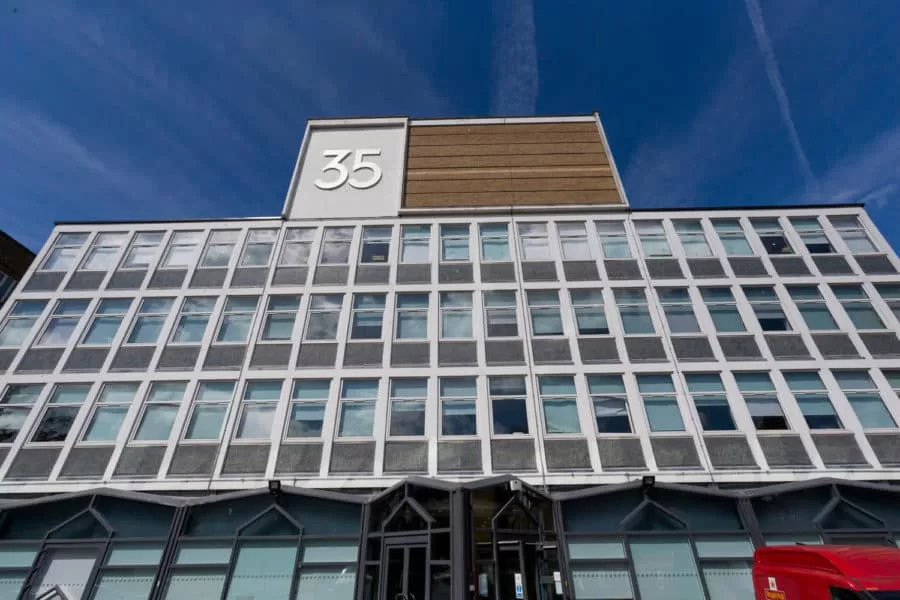
Facade and structure work is usually commercial, and commercial buildings sit where the business parks, ports and town centres are. That is what shapes the area this service covers.
West Sussex and East Sussex take in Crawley and the Gatwick estates, Burgess Hill, Horsham, Worthing, Brighton and Hove, Eastbourne, Hastings and Newhaven, a mixture of town-centre offices, seafront blocks and light industrial units where render, panel joints and salt exposure do most of the damage.
Surrey covers Woking, Guildford, Redhill and Reigate, Camberley, Epsom and Staines. Kent takes in Maidstone, Ashford, Dartford, Gravesend, Sittingbourne, Canterbury and the Medway towns, including the distribution and port-related stock along the estuary and the M20. Hampshire reaches Southampton, Portsmouth, Basingstoke, Fareham, Havant, Andover, Eastleigh, Aldershot and Farnborough, where the larger industrial structures, tanks, silos and steelwork tend to be.
Repeat inspection is where being close by pays for itself. A facade record is most useful compared against itself, and a building flown the same way a year later shows what has moved and what has not. That only works if the return visit is straightforward to arrange and sensibly priced, which it is at half an hour away and is not at three hours.
Structures are treated the same as buildings, and masts, towers, bridges, silos and industrial steelwork across these counties are all in scope. Outside the South East, ask, and we will tell you whether the journey earns its place in the price.
- This is a visual inspection service. Drone Media Imaging photographs what is visible and describes what the photographs show. No building survey, structural assessment, facade condition report, condition grading or professional opinion on the condition of a building or structure is offered or implied, and no surveying or engineering qualification is held or claimed.
- Findings are reported as observations warranting further investigation by a suitably qualified surveyor, engineer or contractor, whose assessment the imagery is intended to support rather than replace.
- No measurement is produced. Dimensions, crack widths, verticality and any coordinate-referenced or measured output require a measured survey, which is a separate service.
- Flight operations are conducted under a Civil Aviation Authority Operational Authorisation, with a General VLOS Certificate (GVC) and an A2 Certificate of Competency, and are fully insured for commercial operation.
- Drone Media Imaging carries out no repair, remedial, cladding or maintenance work of any kind, and has no commercial interest in what an inspection does or does not find.
Tell Us the Building and Who Will Read the Images
Send us the address, the approximate height, and what has prompted the enquiry: cracking somebody has noticed, water getting in with no obvious route, a building coming out of scaffold, a structure due for inspection, or a portfolio you want recorded consistently. It helps to know who the images are for, because a set going to a structural engineer is scoped differently from one going to a board or an insurer. You will get a fixed price back and a clear statement of what would be covered.
Sussex, Surrey, Kent and Hampshire are the working area, so a block in Brighton, an office at Crawley or Gatwick, a unit outside Basingstoke, a structure at Southampton or Portsmouth, or a distribution shed on the M20 is a routine booking. If you have several buildings, say so, because a portfolio done in one run over a few days costs a good deal less per building than the same work booked one at a time.