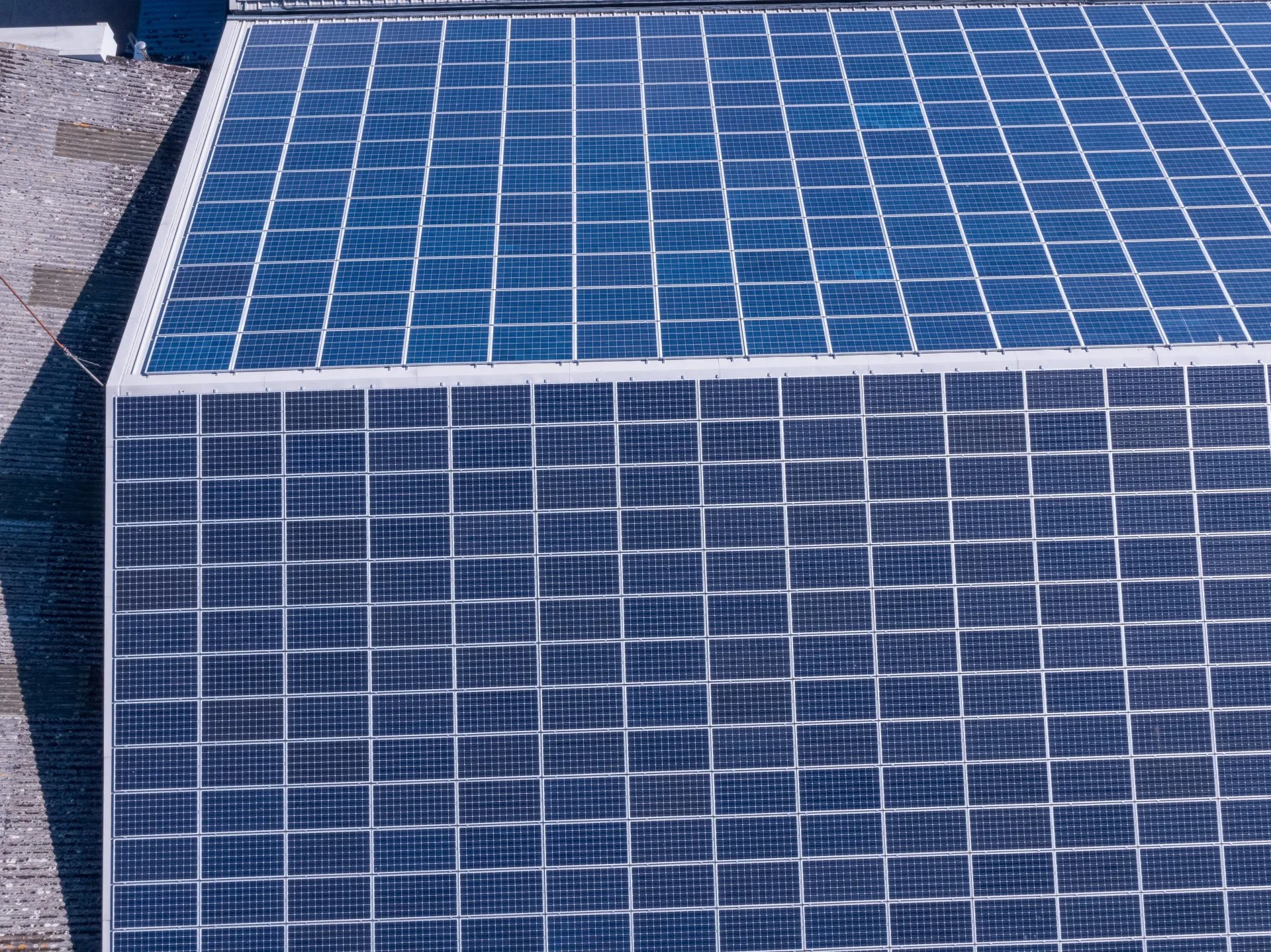
Spring and summer are peak months for solar energy production—ensure your panels are operating efficiently with a professional thermal imaging inspection. Compliance with IEC62446-3:2017 is essential for both commercial and domestic systems, helping to prevent faults, optimise performance, and maintain insurance coverage. Book your inspection today!

Departing Facebook, Twitter, and Instagram to Uphold Ethical Principles In an era increasingly shaped by the influence of powerful social media platforms, Drone Media Imaging has made the principled decision to leave Facebook, Threads, and Instagram - we already left Twitter when Musk took over. This move is a response to growing concerns over the erosion of societal values and ethics caused by misinformation, manipulation, and questionable corporate governance under the leadership of Elon Musk and Mark Zuckerberg [...]

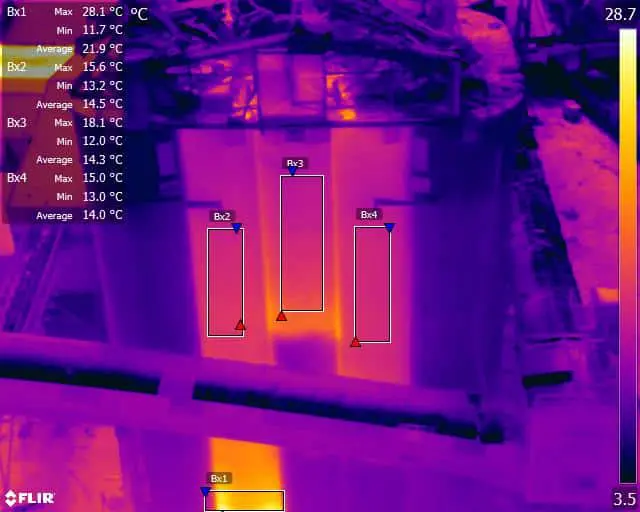
Quantitative and qualitative thermography are two essential methods in thermal imaging analysis. Quantitative thermography measures exact temperature values, while qualitative thermography focuses on pattern recognition. Both play a crucial role in building inspections, electrical fault detection, and industrial diagnostics. Understanding their differences helps professionals choose the right approach for accurate thermal assessments. Drone Media Imaging provides expert thermographic services, ensuring precise, reliable results. Contact us today for professional thermal imaging analysis.

The Importance of Building Thermography Surveys in the UK and the Role of Level 3 Certified Thermographers Building thermography is a non-destructive diagnostic method that uses infrared technology to detect thermal anomalies in structures. In the UK, this approach has become critical for energy efficiency, structural integrity, and safety assessments, especially with rising environmental standards and compliance requirements like BREEAM (Building Research Establishment Environmental Assessment Method. Applications of Building Thermography Energy Efficiency Audits: Identifying heat [...]

Pinpointing energy loss in buildings involves identifying hidden insulation defects, thermal bridges, and air leaks. A Level 3 Thermographer employs advanced thermal imaging to ensure precise diagnostics and compliance with energy standards, providing property owners with detailed reports for informed energy efficiency improvements and cost savings.

A Level 3 Master Thermographer ensures precision, compliance, and cost savings in thermal imaging. Learn why their expertise is vital across industries like energy, construction, and manufacturing, and discover the tangible benefits of hiring a true professional in thermography.

Thermography, a non-invasive technique using infrared imaging, has emerged as a powerful tool in the building industry. It is particularly useful for investigating building air pressure, air flow, and inefficient air leaks. This article explores the application of thermography in these areas, providing valuable insights and practical examples.
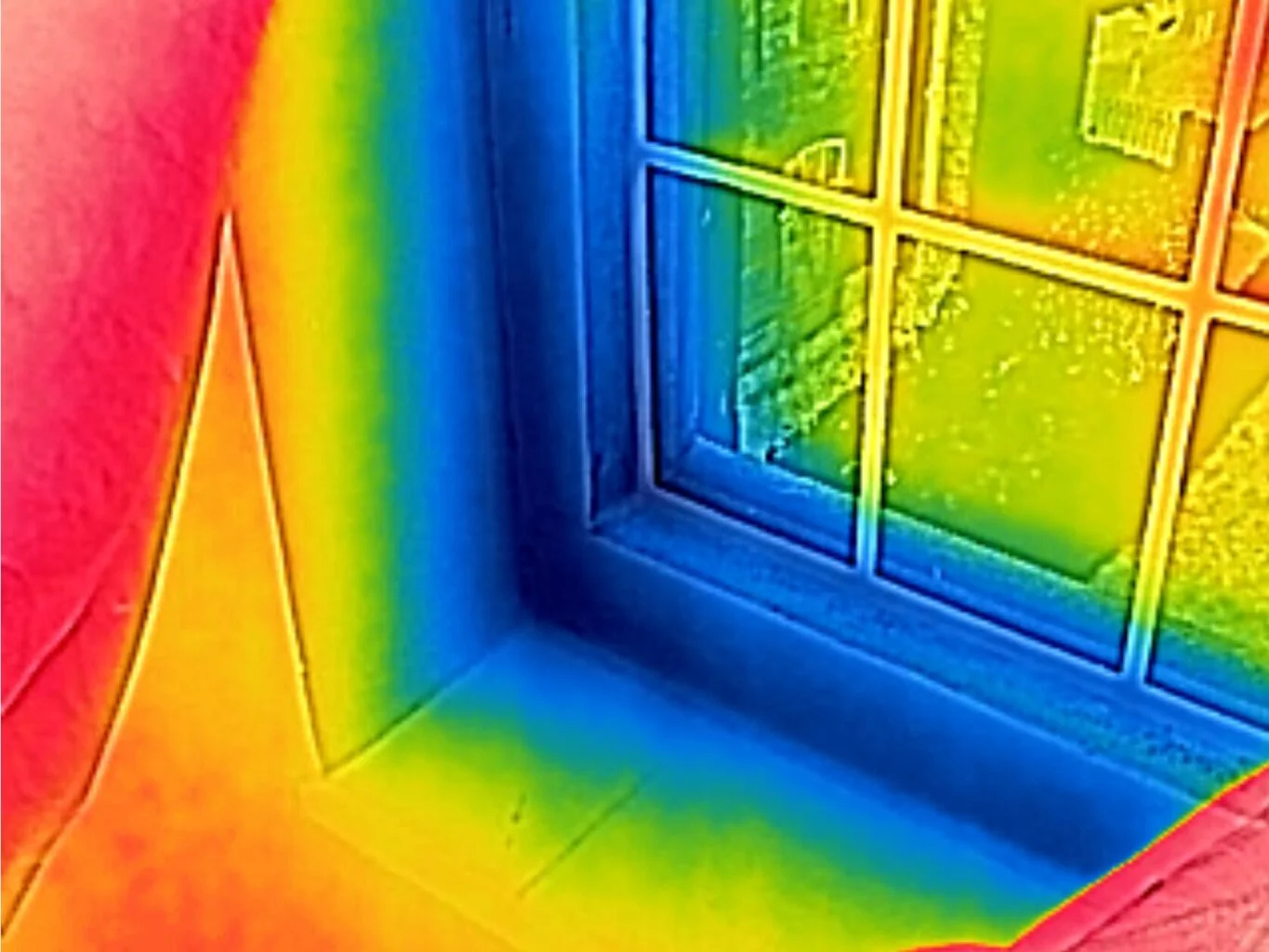
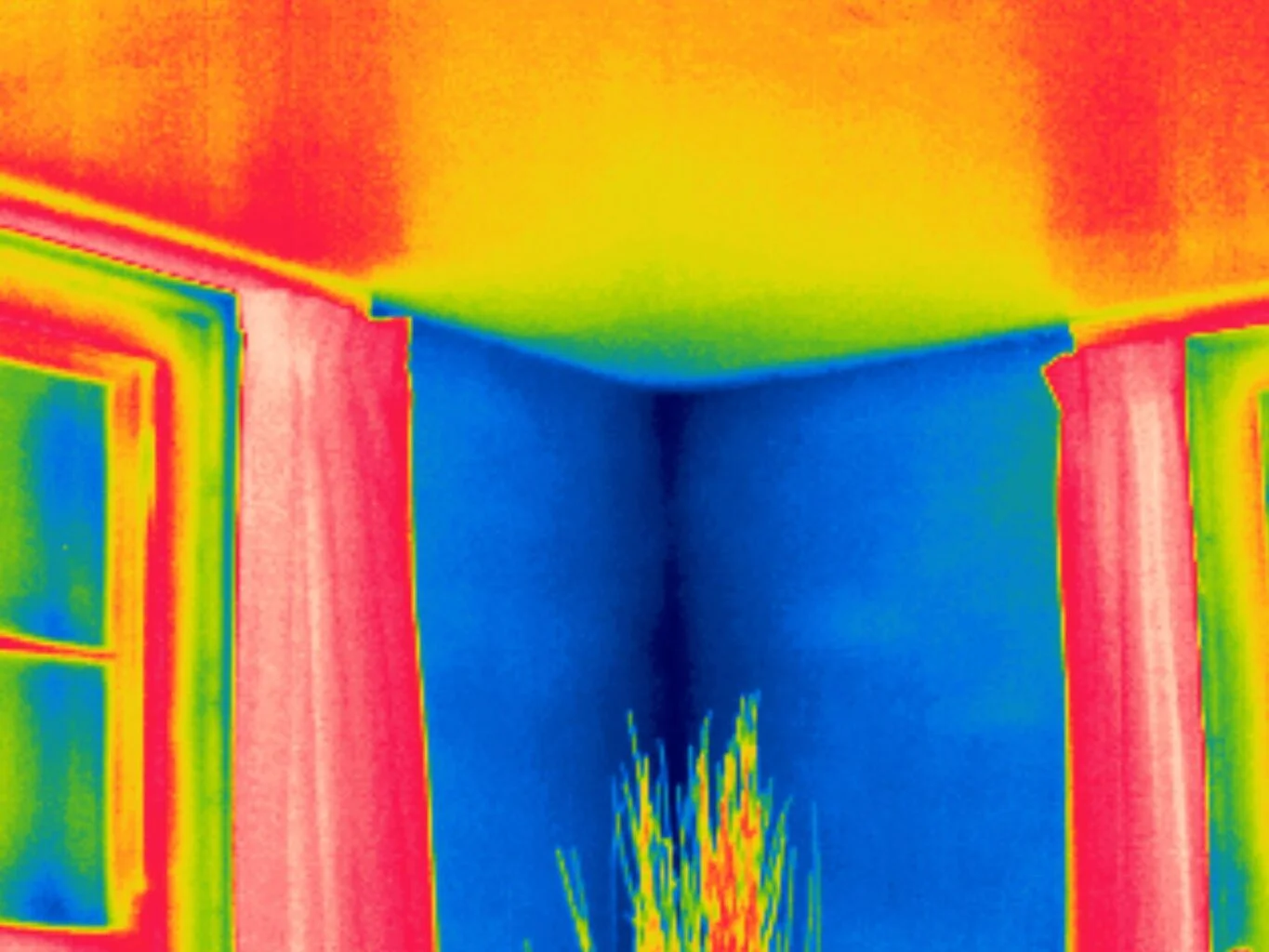
Discover the effects of thermal convection on building room corners with insights from thermal imaging. Uncover hidden insights.

Thermography, also known as thermal imaging, is a powerful tool that can be used to detect and analyze temperature variations in buildings. It has become increasingly popular in the field of energy efficiency as it allows for the identification of cold thermal air bridges and reverse chimney effects. By utilising thermography, building owners and energy efficiency professionals can take proactive measures to improve the energy performance and comfort of buildings.

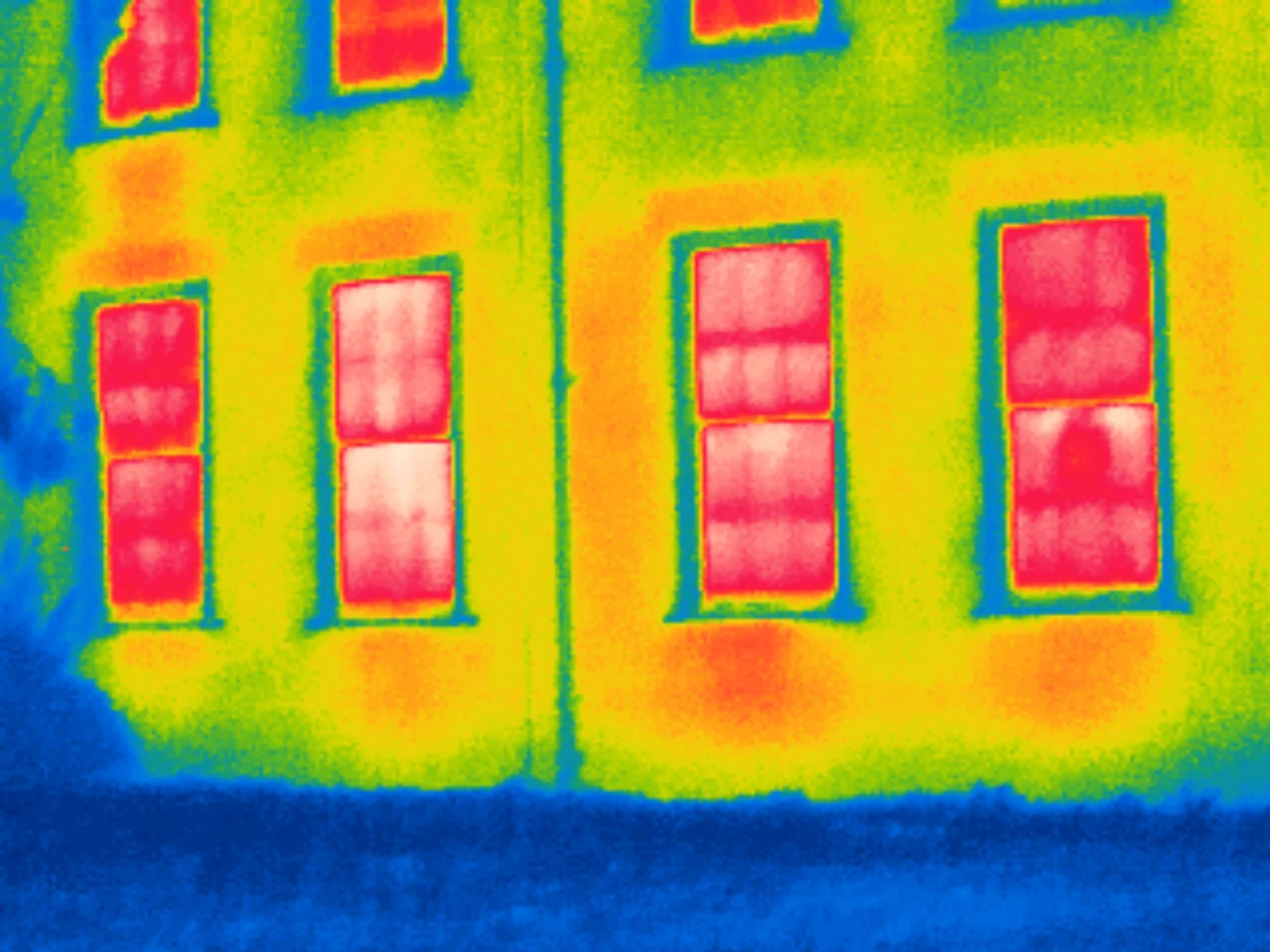
Thermography, a non-invasive technique that uses infrared imaging to detect temperature variations, has emerged as a powerful tool in the field of building diagnostics. By capturing thermal images of structures, thermography enables professionals to identify areas of heat loss and energy inefficiency. This article explores the benefits of using thermography to pinpoint heat loss in structures, providing valuable insights into how this technology can help improve energy efficiency and reduce carbon emissions.
News & Blog2025-02-17T10:32:07+00:00