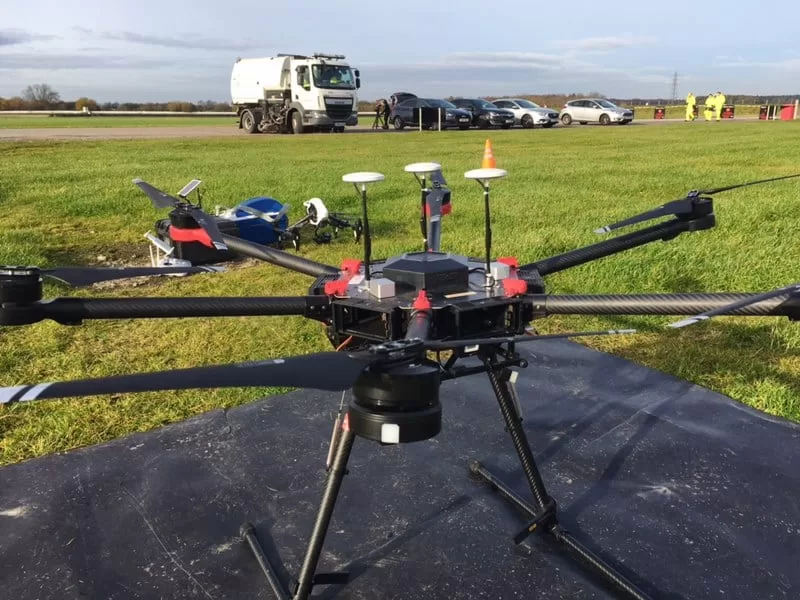
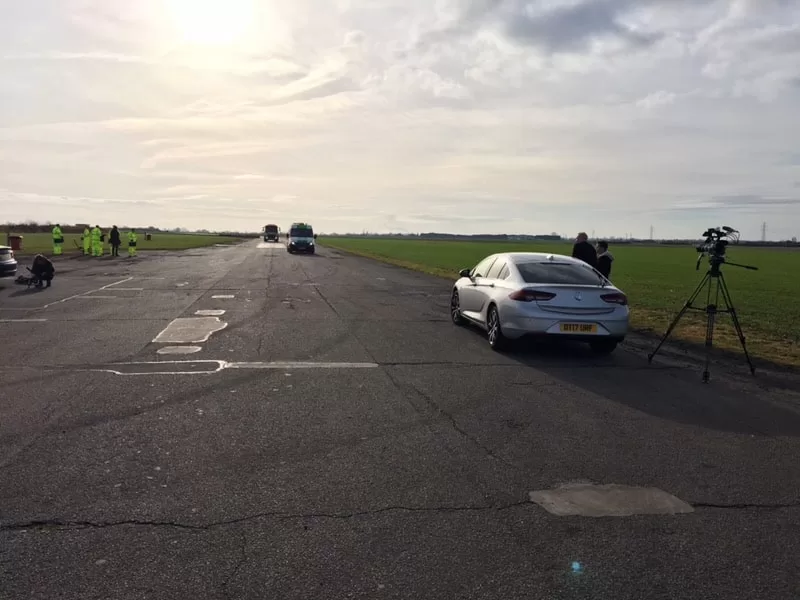
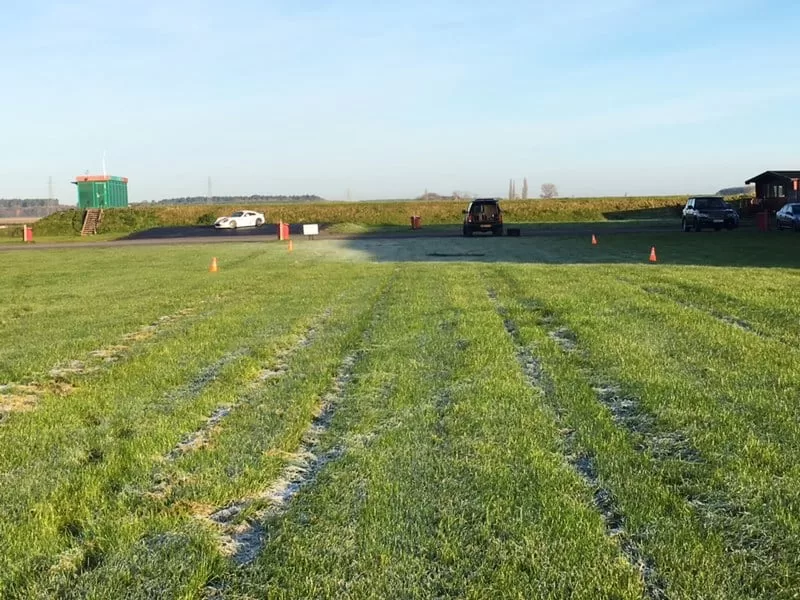
A cold and frosty morning in Doncaster at Blyton Park Driving Centre – out with the drones and the BBC One Show team filming an article about potholes!
The One Show’s presenter Iwan Thomas presents the piece and overseas the competition judged by some eminent people in their field, Victoria Hazael (Cycling UK), Vince Crain (The AA), Keith Jones (Institution of Civil Engineers). The filming took place on Blyton Race Track in Lincolnshire, where three large potholes were repaired and reviewed. They will be testing out pothole repair technologies on the racing circuit itself and we will be providing supporting cinematography from an aerial perspective!
Watch the One Show here: https://www.youtube.com/watch?v=UPqk2OEMYpU


Air Leakage and Air Pressure: What Makes a Leak Visible to a Thermal Survey
Air leakage is only visible to a thermal camera when something is pushing air through the building fabric. Stack effect, wind and mechanical ventilation each create that pressure difference, each acts differently on different elevations, and each can disappear during a survey. This piece explains what drives air through a building envelope, why leakage appears as a spreading plume rather than a hard edged patch, and where a thermal survey stops and a pressurisation test begins.


You Fly It, We Certify It: What Remote Thermographic Reporting Can and Cannot Establish
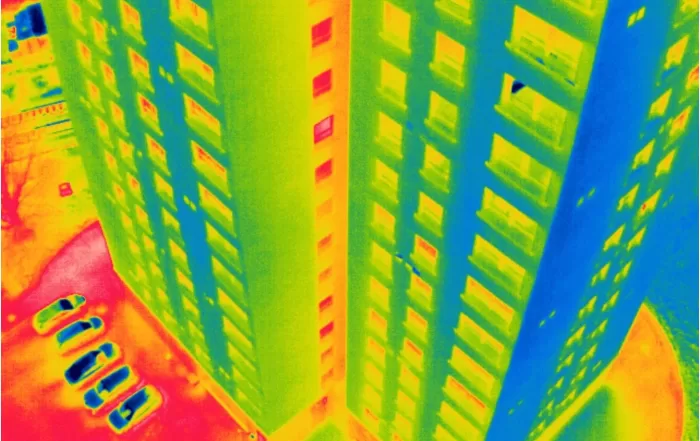
A drone operator in Scotland flew three multi-storey residential blocks in the spring of 2025. They had the aircraft, the payload and the access, but nobody able to sign the result as a certified thermographic inspection. We wrote the capture protocol for their team before the flight and certified the reporting afterwards. This piece covers why the protocol comes first, what the analysis established, and what remote reporting genuinely cannot settle.


What a Heat Loss Survey Needs From You, and What You Get Back
A building heat loss survey looks like a single cold night's flying, but most of what decides its value is settled beforehand. This piece sets out the information a thermographer needs from the building owner and why each answer changes how a thermal pattern is read, what has to be arranged before an after-dark survey of an occupied building, and what the finished report contains, including the difference between a certified inspection report and a professional opinion.