Blog

How Much Does a Drone Roof Inspection Cost, and Why the Honest Answer Starts With a Question

September 3, 2026|Categories: All, Featured, Inspection and Survey|Tags: , , , , , , , , , |

Everybody asks what a drone roof inspection costs, and every honest answer starts with a question about the roof. This piece sets out what actually moves the price: what you need to see, how complex the roof is, whether you want stills, video or annotated imagery, and how far the site is. It explains why there is no price list here, what the deliverable actually is, and why a two minute conversation produces a fixed price instead of a range.

What a Drone Roof Inspection Delivers Before Winter Arrives

August 31, 2026|Categories: All, Featured, Inspection and Survey|Tags: , , , , |

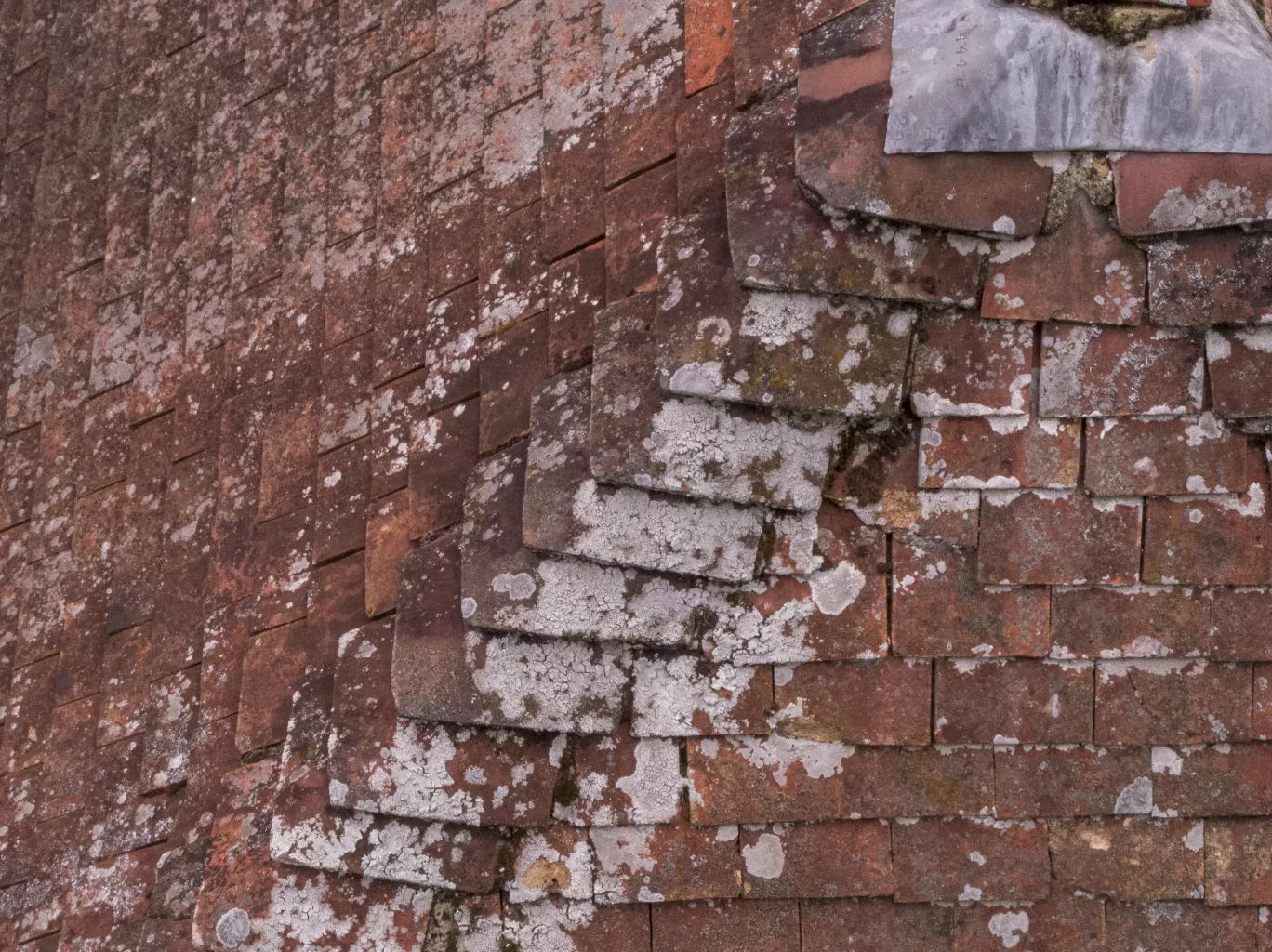
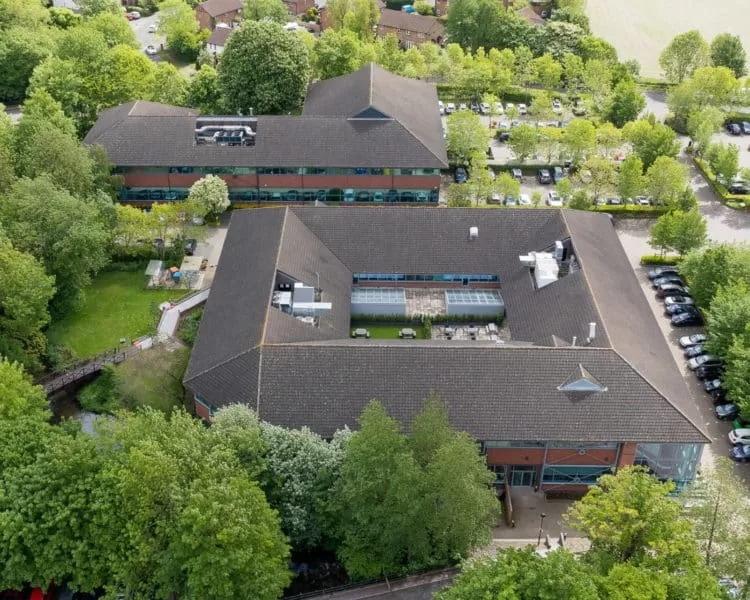
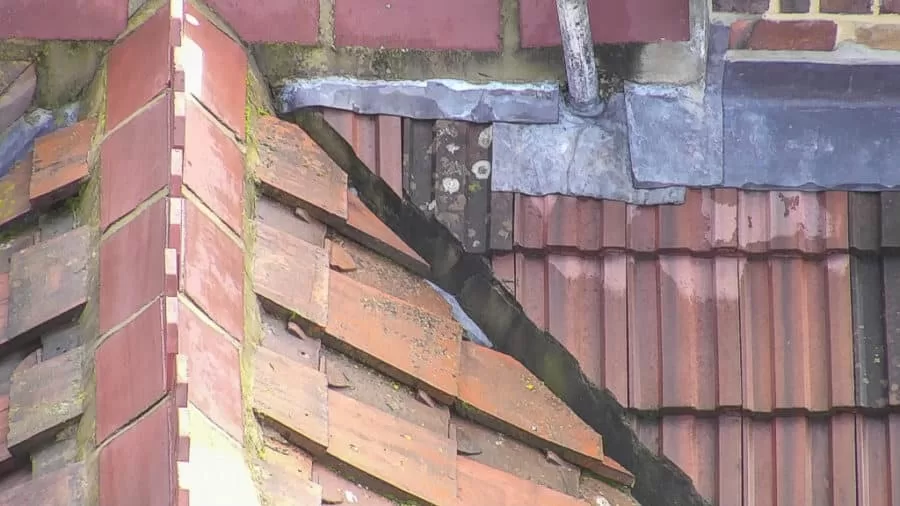
A drone roof inspection puts high-resolution, annotated imagery of every gutter, valley, ridge and fixing in your hands without scaffolding, access equipment or anyone leaving the ground. Autumn is the last sensible window to commission one before winter weather tests the roof for you. This post explains what the inspection delivers, how the imagery is captured and annotated, and why a dated photographic baseline of your roof earns its keep all winter, across Sussex, Surrey, Kent and beyond.

A Hot Spot Is Not a Diagnosis: Reading the Shape of a Solar Fault

August 30, 2026|Categories: All, Featured, Solar|Tags: , , , , , , , |

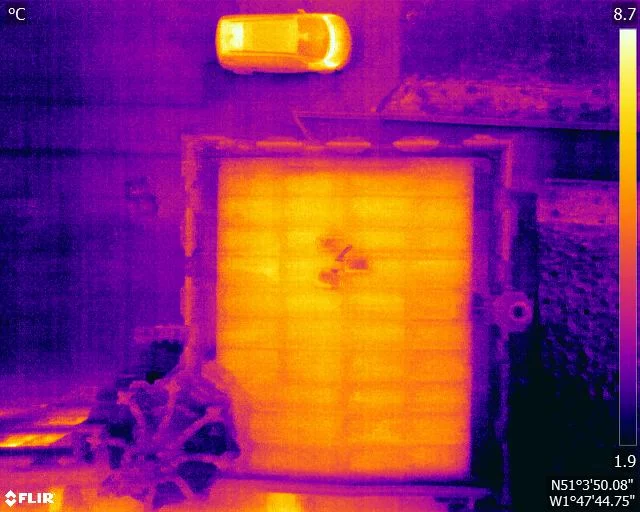
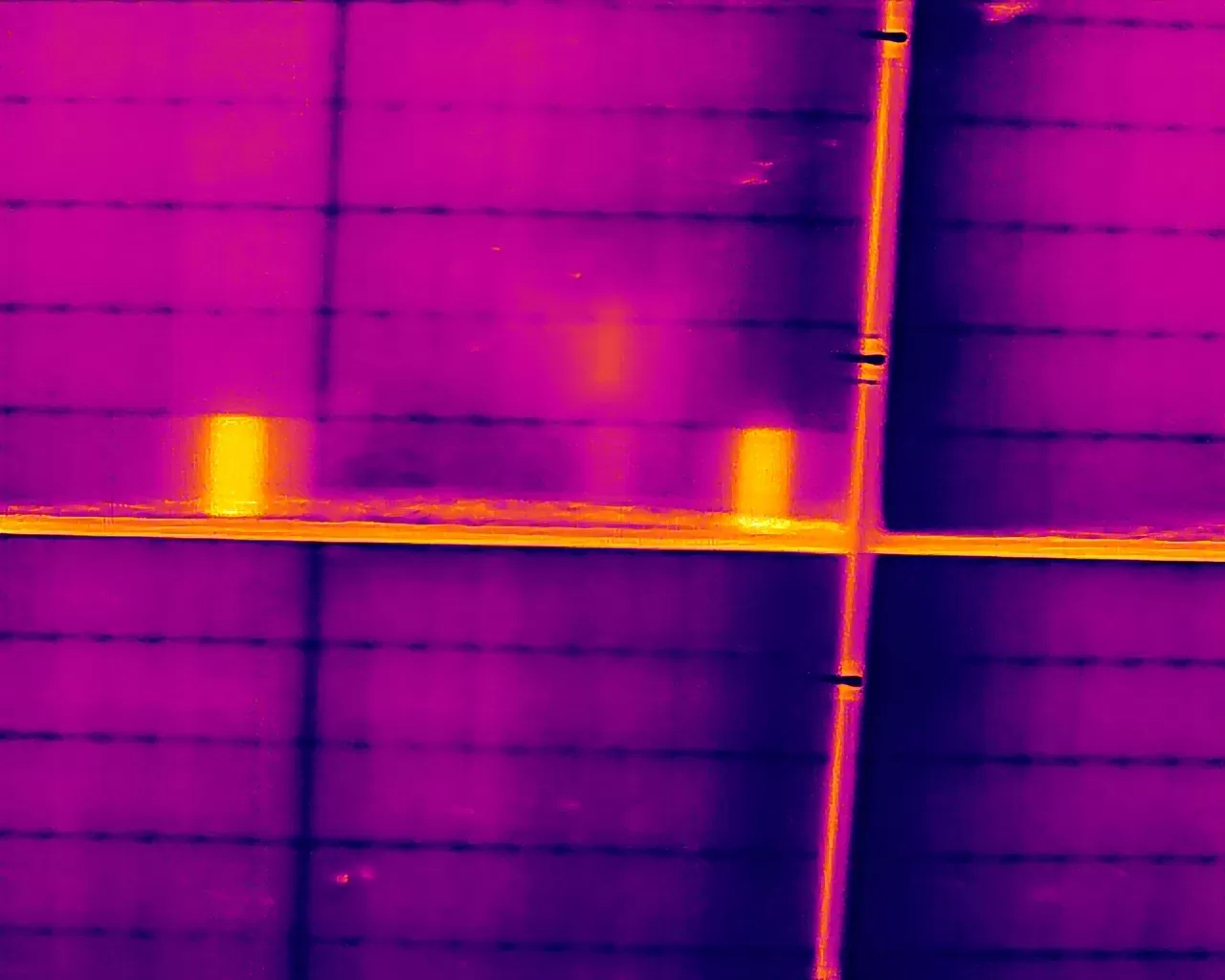
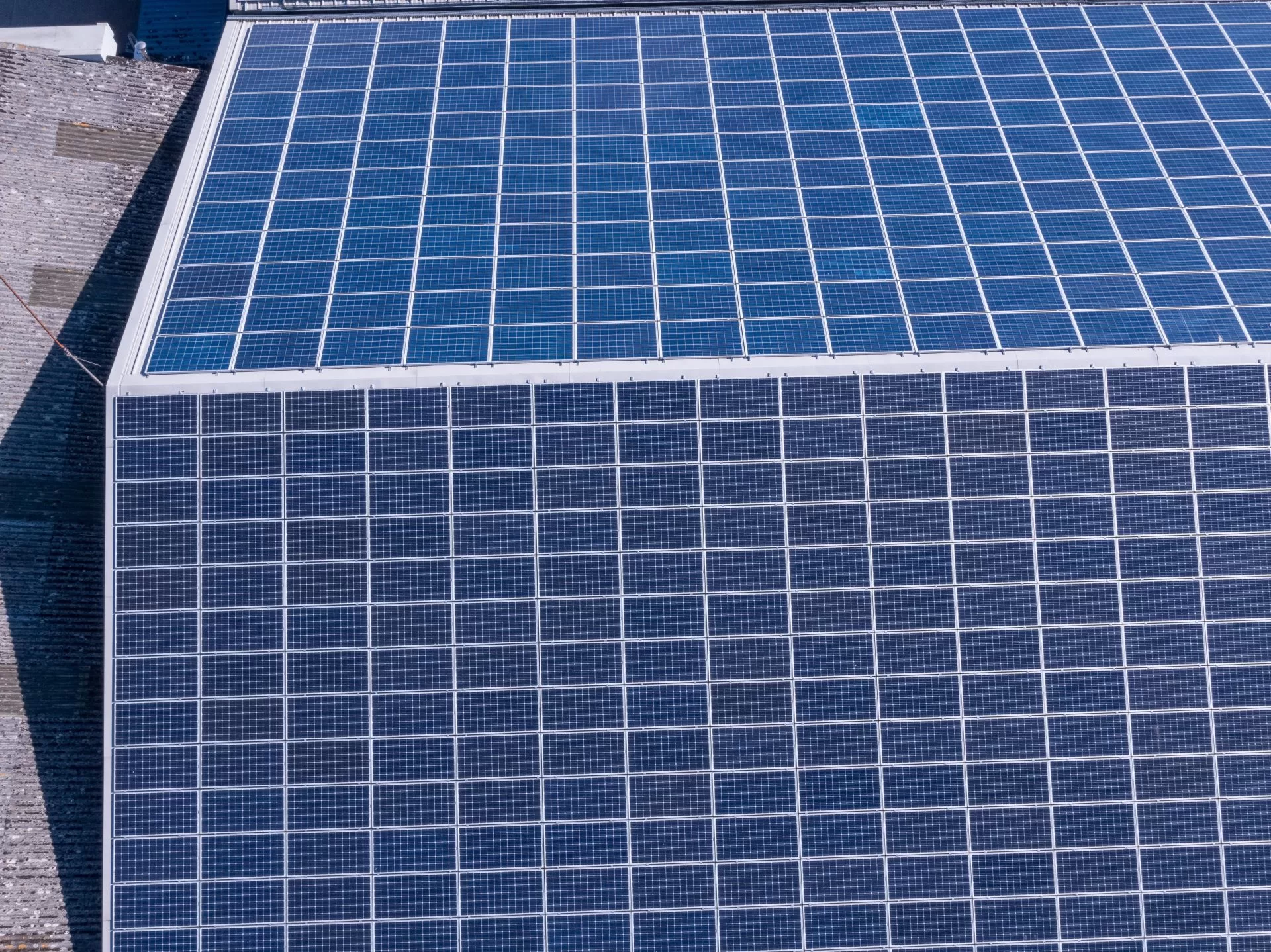
Almost every solar thermographic report leads with hot spots, but a hot spot is a symptom rather than a diagnosis. The same temperature rise can come from a bypass diode, a microcrack, potential induced degradation or a disconnected string, and one common reading is not a fault at all. This piece explains what the temperature figure does and does not tell you, and the symmetry rule that separates electrical faults from cell damage on a commercial rooftop or ground-mount array.

Why a Building Thermal Survey Only Works in the Cold Months

August 30, 2026|Categories: All, Featured|Tags: , , , , , , , |

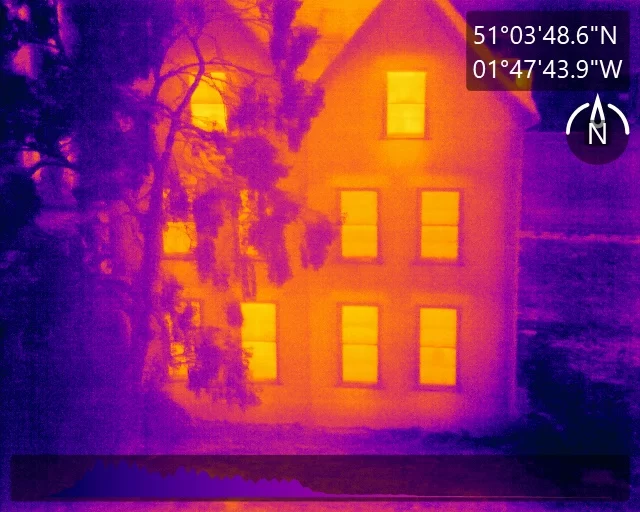
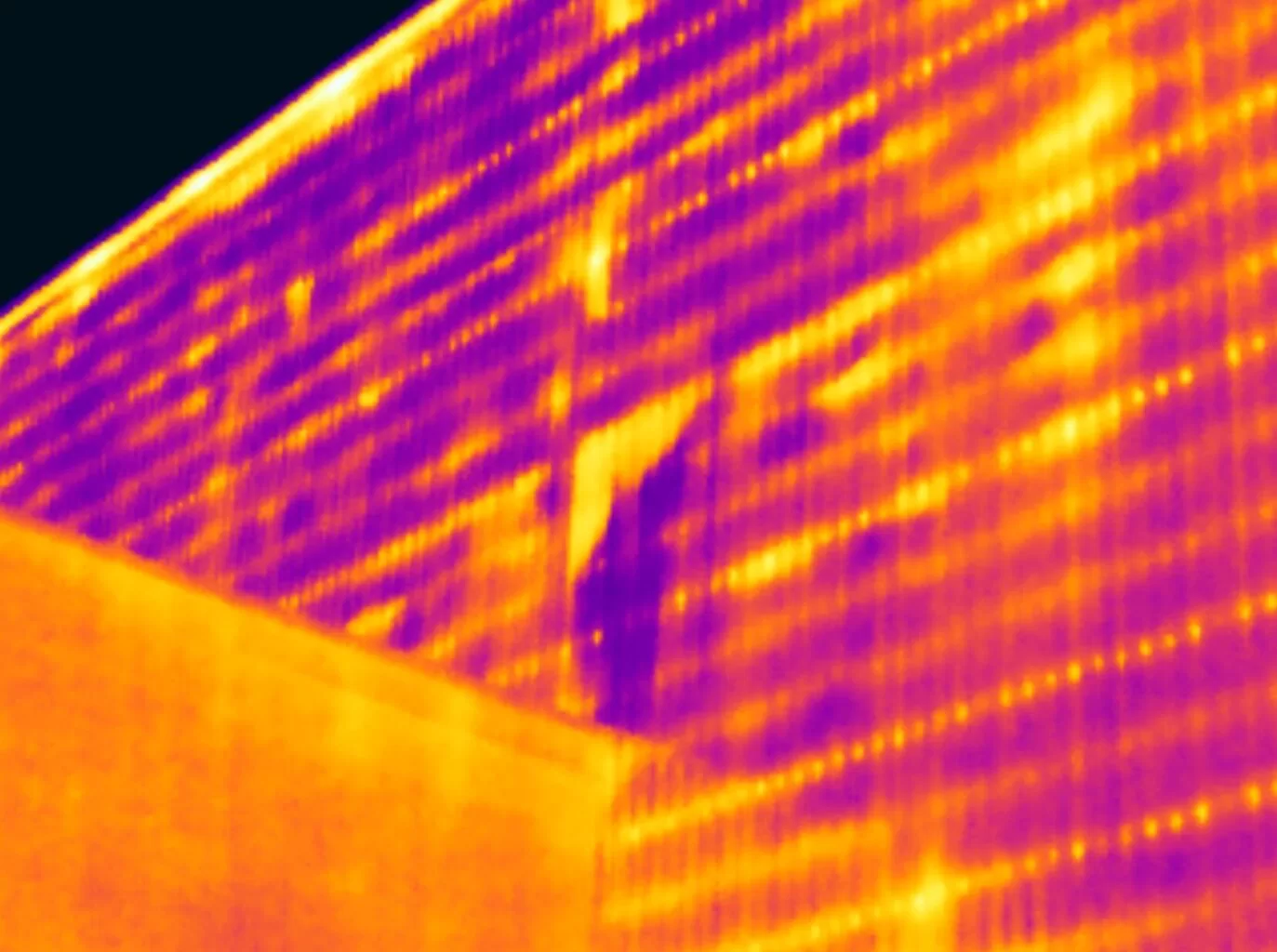
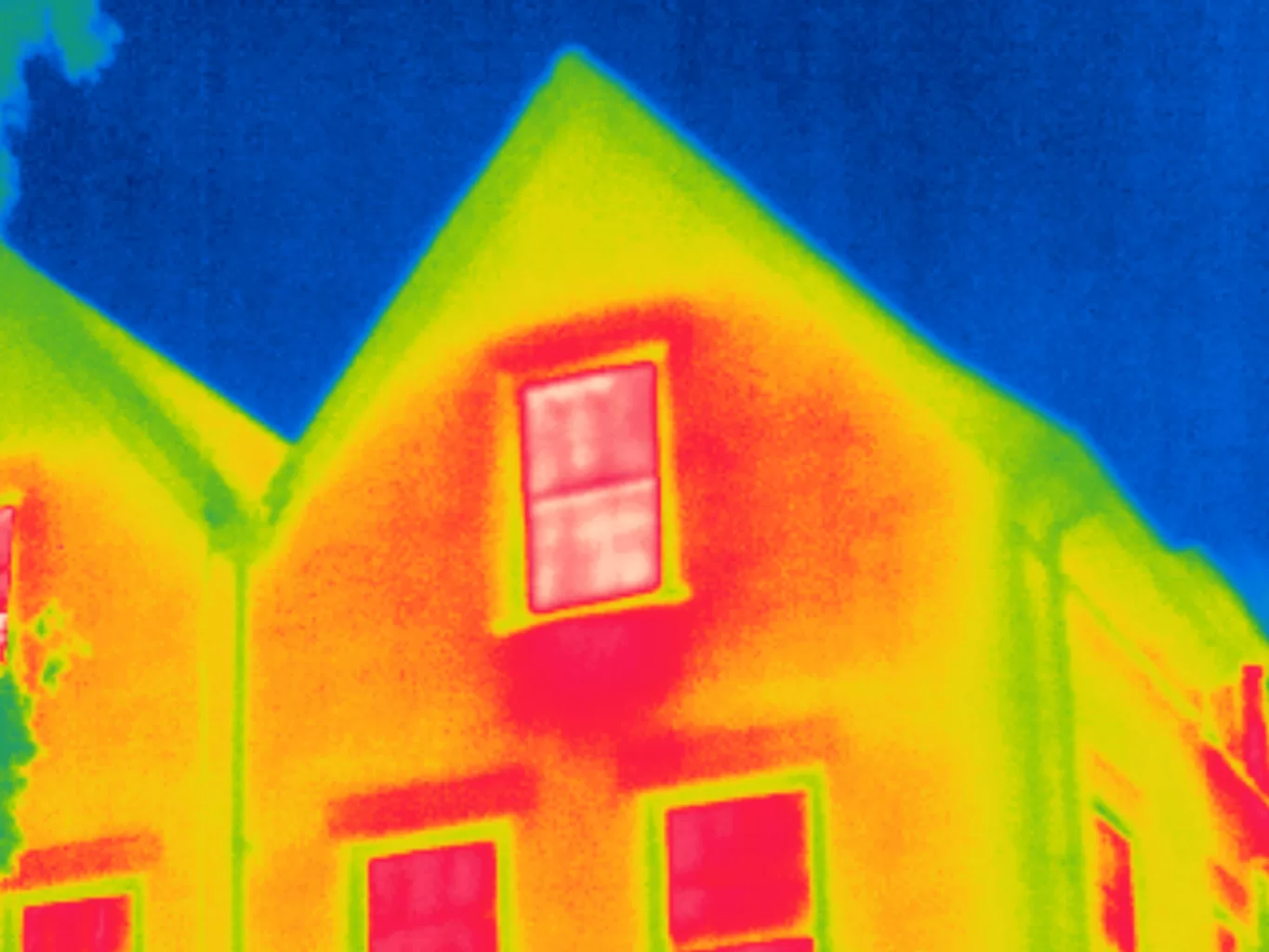
A thermal camera does not see insulation, it sees temperature difference, and that single fact decides when a building survey can usefully be done. This explains the differential EN 13187 recommends, why the working season in the United Kingdom is shorter than most people expect, why imagery is captured well after sunset rather than at dusk, and how wind, rain and cloud affect what the results are worth. Practical guidance for anyone planning a heat loss survey this coming season.

Quantitative vs Qualitative Thermography: What Is the Difference?

August 24, 2026|Categories: All, Featured, Thermography|Tags: , , , , , , , |

Quantitative thermography measures corrected surface temperatures and produces defensible numbers. Qualitative thermography identifies faults from thermal pattern and contrast without assigning values. Neither is the easy option, and most professional surveys use both: a qualitative sweep to find the anomalies, then quantitative measurement to classify the ones that matter. The distinction that counts commercially is not the method but who interprets the data, and what they are qualified to conclude. Drone Media Imaging analyses at ITC Level III.

Photogrammetry For Roof inspections, Solar Panels, and Hard-To-Reach Assets: A Technical Approach

December 5, 2025|Categories: All, Featured, Photogrammetry|Tags: , , , , , , , , , |

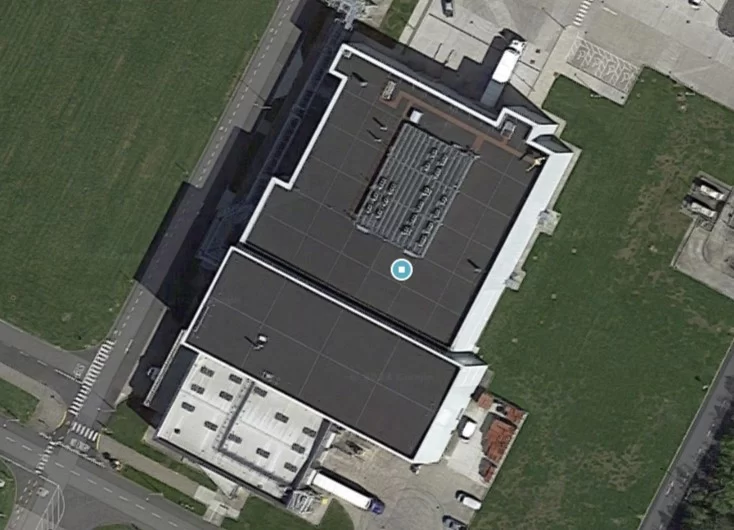
Photogrammetry for roofs, solar panels, and complex vertical structures requires far more precision than standard terrain mapping. This post from explores why traditional workflows fall short and how operators can use tools such as terrain-following, custom camera profiles, circlegrammetry, and automated vertical scanning to achieve consistent results. Packed with real-world examples and scientific validation, it provides a practical technical guide to improving model accuracy, mission repeatability, and inspection efficiency across challenging commercial environments.Capturing quality photogrammetry data from vertical and elevated structures remains one of the trickier challenges in commercial drone operations. Traditional surveying workflows fail here. Kristaps Brass, Product Owner at UgCS, has spent years working with operators who tackle these missions daily. Solar farms, building facades, communication towers, dam inspections. The pattern is consistent: manual flying burns time and money, and processed models show gaps where critical details should be. This article covers what actually works, based on field-tested methods and real operator feedback.

IEC 62446 Solar String Testing Now Available

July 22, 2025|Categories: All, Featured, Inspection and Survey, Solar|Tags: , , |

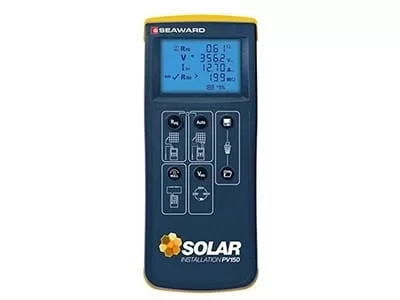
Drone Media Imaging now offers certified IEC 62446-compliant solar string testing, delivering complete electrical diagnostics for commercial PV systems. This new service verifies string integrity, insulation, voltage, current, and performance using advanced I-V curve tracing and Fill Factor analysis. Ideal for commissioning, troubleshooting, and maintenance, our testing supports safety, compliance, and ROI assurance. Combined with thermal imaging, we offer a powerful dual-inspection approach. Book today to ensure your solar array is operating safely, efficiently, and within international performance standards.

The Importance of Solar Panel Inspections in Spring

February 15, 2025|Categories: All, Featured|

Spring and summer are peak months for solar energy production—ensure your panels are operating efficiently with a professional thermal imaging inspection. Compliance with IEC62446-3:2017 is essential for both commercial and domestic systems, helping to prevent faults, optimise performance, and maintain insurance coverage. Book your inspection today!

In Thermography what is the difference between Quantitative vs Qualitative analysis

December 12, 2024|Categories: All, Featured, Solar, Thermography|Tags: , , , , , |

Quantitative and qualitative thermography are two essential methods in thermal imaging analysis. Quantitative thermography measures exact temperature values, while qualitative thermography focuses on pattern recognition. Both play a crucial role in building inspections, electrical fault detection, and industrial diagnostics. Understanding their differences helps professionals choose the right approach for accurate thermal assessments. Drone Media Imaging provides expert thermographic services, ensuring precise, reliable results. Contact us today for professional thermal imaging analysis.

Using Certification Level 3 in Building Thermography

December 9, 2024|Categories: All, Featured, Inspection and Survey, Thermography|

The Importance of Building Thermography Surveys in the UK and the Role of Level 3 Certified Thermographers Building thermography is a non-destructive diagnostic method that uses infrared technology to detect thermal anomalies in structures. In the UK, this approach has become critical for energy efficiency, structural integrity, and safety assessments, especially with rising environmental standards and compliance requirements like BREEAM (Building Research Establishment Environmental Assessment Method. Applications of Building Thermography Energy Efficiency Audits: Identifying heat [...]

Go to Top