You Are Not Buying a Licence to Fly, You Are Buying a Business That Holds One
When you book a drone operator for a job, you are buying two things at once. The first is the imagery, the survey data or the footage you asked for. The second, which almost nobody thinks about until something goes wrong, is a flight carried out lawfully on or over your premises, with a named business standing behind it. The first is what you will judge the work on. The second is what decides whether the work can happen at all, and who answers for it if it does not go to plan.
The rules that govern that flight changed at the end of 2020, and a good deal of what is still written online describes a framework that no longer exists. There is no longer a permission for commercial drone work. Whether money changes hands does not decide the rules. The risk of the flight does, and a flight over a working commercial site near people and buildings is, in regulatory terms, a higher-risk operation whoever is paying for it.
This piece is about where you stand as the client. It covers who carries the legal responsibility for the flight, what a business must hold before it can lawfully fly for you, and what you should expect a competent operator to put in front of you before the aircraft leaves the ground. It leaves the detail of the paperwork itself, and the question of where a drone may and may not fly, to their own articles.
Blog Content TL;DR...
Where you stand, as the client, when you commission drone work in the UK.
- The rules are set by the risk of the flight, not by whether it is paid work. The old commercial permission no longer exists.
- Work near people and buildings on a working site normally sits in the Specific category, which needs a Civil Aviation Authority Operational Authorisation held by the operator.
- The operator, meaning the business, carries the legal responsibility for the operation, and the remote pilot carries the decision to fly. Hiring them does not transfer either to you.
- Insurance to the aviation insurance regulation is a condition of that authorisation, so a lapse in cover is a lapse in the right to fly.
- Your part is the site: access, a contact, the hazards an operator cannot see from a map, and permission to use the take-off point.
You are not buying a licence to fly. You are buying a business that already holds one, and everything that goes with it.
The Rules Follow the Risk, Not the Invoice
Why there is no such thing as a commercial drone licence any more

The old framework asked one question first: is this flight being paid for? If it was, the operator needed a specific permission from the Civil Aviation Authority, and a good deal of client-side advice was built around checking for it. That framework was replaced at the end of 2020 and the question it asked no longer matters.
Three categories, sorted by risk
UK drone operations now fall into one of three categories, Open, Specific and Certified, and the category is decided by the risk of the flight: how heavy the aircraft is, how close it flies to people who are not involved in the work, and whether it operates in a built-up area. A paid flight in an empty field and a free flight in the same field sit in the same category. What moves a job up the scale is proximity, not payment.
Where client work actually sits
Almost everything a business wants from a drone happens close to people and buildings: a roof on a trading estate, a solar array on an occupied factory, a construction site with a workforce on it. The Open category either keeps aircraft well away from such places or restricts them to the smallest aircraft, so work of that kind normally falls into the Specific category. That is the category that requires an Operational Authorisation, granted by the Civil Aviation Authority to the operator, and it is the authorisation that allows an operator to work in built-up areas and closer to people than the Open category permits.
What that means for you
The practical consequence is simple. If your job is on a working site, the business you book needs to hold that authorisation, and the authorisation comes with an operations manual accepted by the Authority, a pilot competency requirement, insurance and records. None of that is yours to obtain. All of it is yours to expect.
who is responsible when you hire a drone operator, what a drone operator must hold to fly for a client, commissioning drone work on a commercial sitewho is responsible when you hire a drone operator, what a drone operator must hold to fly for a client, commissioning drone work on a commercial site
Who Carries the Responsibility, and Who Does Not
The question clients most often ask is whether hiring a drone operator makes them responsible for the flight. It does not, and it is worth being precise about why, because the answer also tells you what to look for.
The operator and the remote pilot
The regulations place the obligations on two named roles. The UAS operator is the business that holds the Operational Authorisation, and with it the responsibility for the operations manual, the insurance, the maintenance of the aircraft, the training of its pilots and the records of every flight. The remote pilot is the person in command on the day, responsible for assessing the risk as conditions change, for the conduct of the flight, and for the decision to fly or not to fly. At Drone Media Imaging the remote pilot holds final authority on site, and that authority is not subject to commercial, client or scheduling pressure.
Neither of those roles transfers to you by hiring them. You are not the operator because you are paying, any more than you become the haulier by booking a lorry.
What does stay with you
What you keep is the ordinary position of a client who has brought a contractor onto their premises. The site is yours, so the access arrangements, a contact who knows the flight is taking place, any induction or permit to work, and the hazards a map does not show, overhead lines, live works, livestock, are yours to make known. So is permission to use the take-off and landing point, which is a matter of land, not of aviation. And the choice of operator is yours. An unauthorised or uninsured flight on your premises is, whatever the statute says about whose offence it is, a problem that arrives at your door in practice, and the way to avoid it is to check before you book rather than argue after.
What You Should Expect to See Before the Aircraft Flies
A competent operator does not wait to be asked for evidence of any of this. The habit of showing it is itself a fair indicator of how the rest of the job will be run.
Identity you can check
Expect the Operational Authorisation reference and its expiry date, the operator identifier that must be displayed on the aircraft, and the pilot’s competency with its expiry, listed in the job documents so they can be checked rather than taken on trust. Expect evidence of insurance held in compliance with the aviation insurance regulation, because under the standard authorisation that cover is a condition of the authorisation itself, and a lapse in cover is a lapse in the right to fly. A separate article covers the paperwork in detail; the point here is that it should arrive without a chase.
A plan written for your site
Expect a risk assessment and method statement prepared for this job and this site, not a generic sheet with the address changed. The aviation risk is assessed against the Authority’s pre-defined risk assessment for the standard authorisation, and the ground side, the working area, the separation from your people, the arrangements with your site contact, is set out in plain terms. Airspace is checked and every notice affecting the site is resolved before the day, which is why a serious quotation follows desk research rather than a glance at a map.
Imagery and data, handled separately
One thing the authorisation does not cover is what happens to the images. Where they show identifiable people, they are personal data, and the obligations under data protection law sit alongside the aviation permission rather than inside it. It is a reasonable question to ask any operator, and the answer should be clear on who holds the imagery, for how long, and for what purpose.
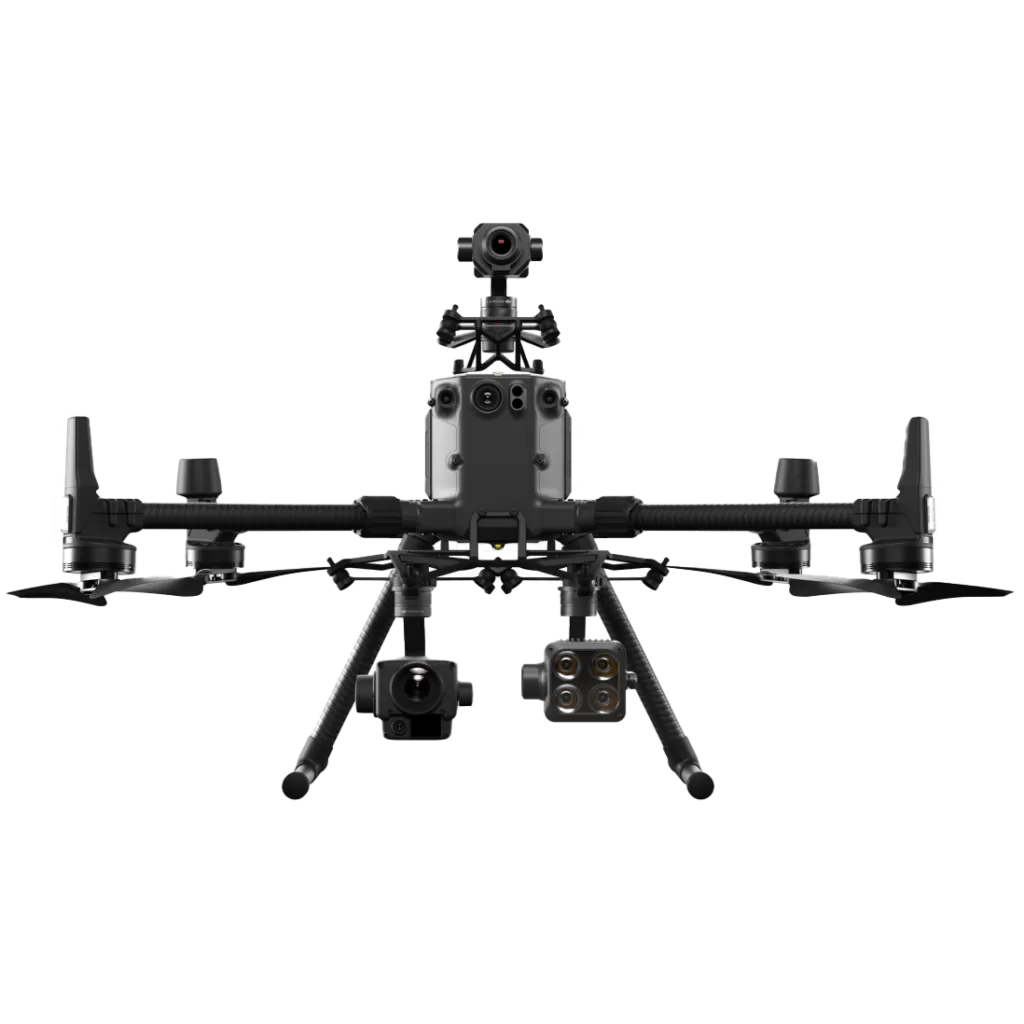
Most commercial drone work in the UK is flown under an Operational Authorisation granted on PDRA01, the Civil Aviation Authority’s pre-defined risk assessment that serves as the standard route into the Specific category. It applies to aircraft below 25 kg flown within visual line of sight, by day or night, no higher than 120 m from the closest point of the surface, and it is what allows an operator to work in built-up areas and closer to uninvolved people than the Open category permits.
The authorisation belongs to the operator, not the pilot. It is granted against an operations manual the Authority has accepted, renewed annually, and conditional on insurance meeting the aviation insurance regulation being in force for every flight. The remote pilot flies under it on the strength of a recognised competency, such as the General VLOS Certificate.
Two further items sit with the operator rather than the client. Every aircraft carries the operator identifier, and from 2026 certain class-marked aircraft must also broadcast an electronic Remote ID, a requirement that widens from 2028. Neither changes anything you need to do.
Governing Regulation and Scope
- UK drone operations are governed by assimilated Regulation (EU) 2019/947 and the Air Navigation Order 2016 as amended, regulated by the Civil Aviation Authority, with CAP 722 as the Authority’s guidance for unmanned aircraft operations in UK airspace.
- Drone Media Imaging operates in the Specific category under a Civil Aviation Authority Operational Authorisation granted on the PDRA01 pre-defined risk assessment, with a General VLOS Certificate and an A2 Certificate of Competency held by the remote pilot, and insurance held in compliance with Regulation (EC) 785/2004 as assimilated.
- This article describes the regulatory position as understood in September 2026. It is general information for clients commissioning drone work and is not legal advice; the regulations and the Authority’s published guidance are the authority on any point of detail.
- Nothing here is an assessment of any particular site or flight. Every job is assessed on its own risk assessment and method statement before the aircraft flies.
Ask Us What We Hold Before You Book
If you are planning drone work on a working site and want to know where you stand, ask. We will tell you which category the job sits in, what we hold to fly it, and what we need from you on the site side, before a quotation is written. Every quotation follows desk research on the airspace and the site, so you have the facts before you commit.
Sussex, Hampshire, Kent and Surrey are home ground, with travel throughout the UK, Ireland and Europe where the job warrants it.
related posts

A site owner's question is usually whether a drone is allowed. The regulations answer a different one: how far the aircraft must stay from people who are not part of the operation. That distance is not fixed. It moves with the authorisation the operator holds, the mass and class of the aircraft flown, and how the people on site are briefed. This is what actually decides whether a working site can be flown, and the small part the client plays in it.
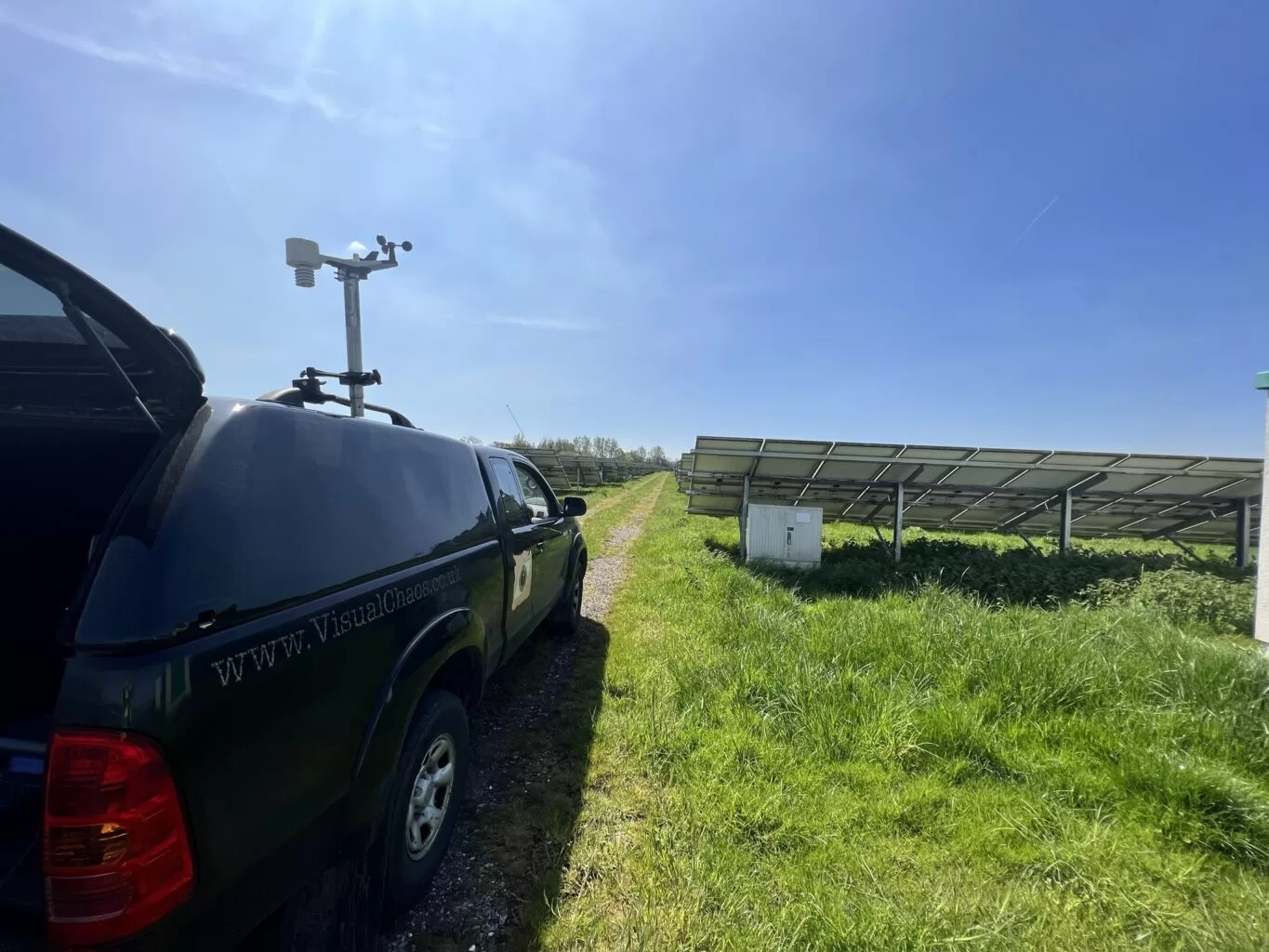
Qualified thermographers play a crucial role in ensuring reliable solar panel inspections. With certification, they possess the necessary expertise to accurately identify and diagnose potential issues, maximizing the efficiency and longevity of solar systems. Their knowledge and skills are invaluable in maintaining the integrity and performance of these renewable energy sources.
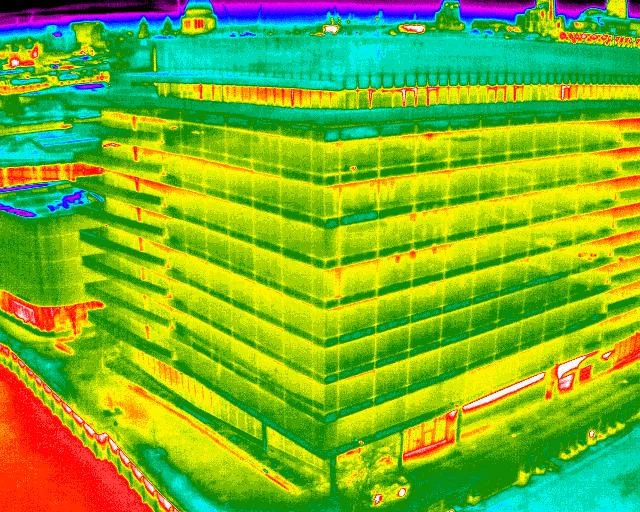
Discover how building thermography can significantly reduce energy costs by identifying heat loss areas in every snapshot.