We were honoured to be asked to work with the BBC’s One Show team to assist in putting together an exclusive piece to accompany their interview with Gemma Dowler. Gemma has just written a book, My Sister Milly, speaking about her life and the trauma that her, and her family, went through when her sister was abducted and since.
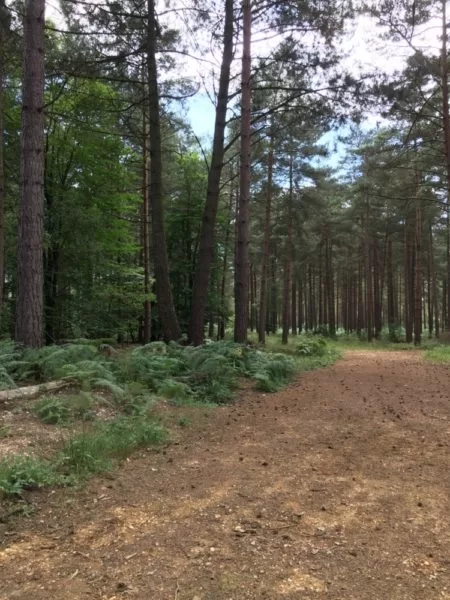
We were to film in Yateley Heath Woods alongside the documentary crew, which is where Milly’s body was finally discovered six months after her disappearance. It was an undeniably beautiful woodlands although it has now of course been laced with sadness. We took time to capture the environment sensitively both through some of the woodlands and from an aerial perspective to contribute to that part of the her story.
It was a very a very difficult day for all of us…..
RIP …Milly Dowler

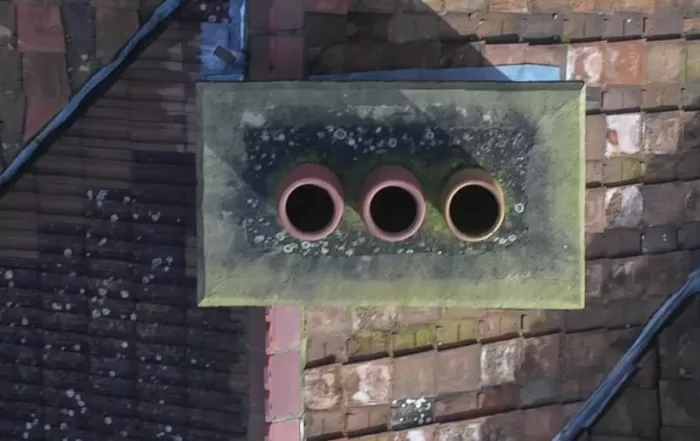

The Roof You Can Reach Is Not the Whole Roof
A roof gets inspected in the places a person could stand, and that single fact explains most of what gets found late. Ladders reach the eaves, scaffolds cover one elevation, and fragile coverings restrict a roof walk exactly where the roof is oldest. Photographing from the air removes the constraint rather than the expertise: every slope is covered square on, and the interpretation stays with your roofer or surveyor.
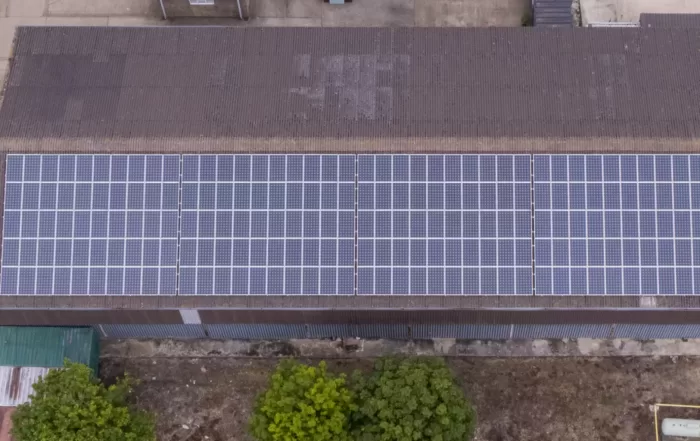

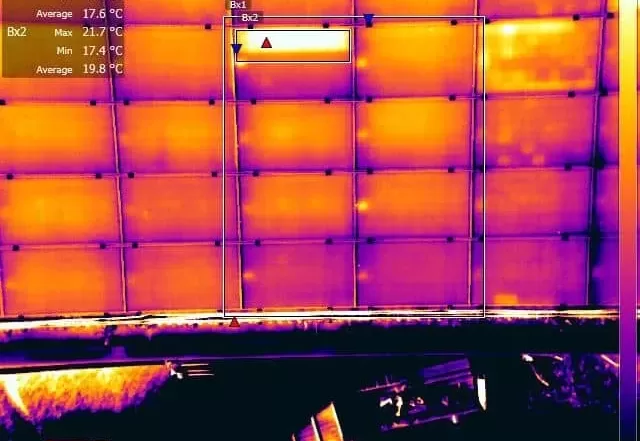
Domestic Solar Layout: Why the Roof Decides What Can Be Inspected
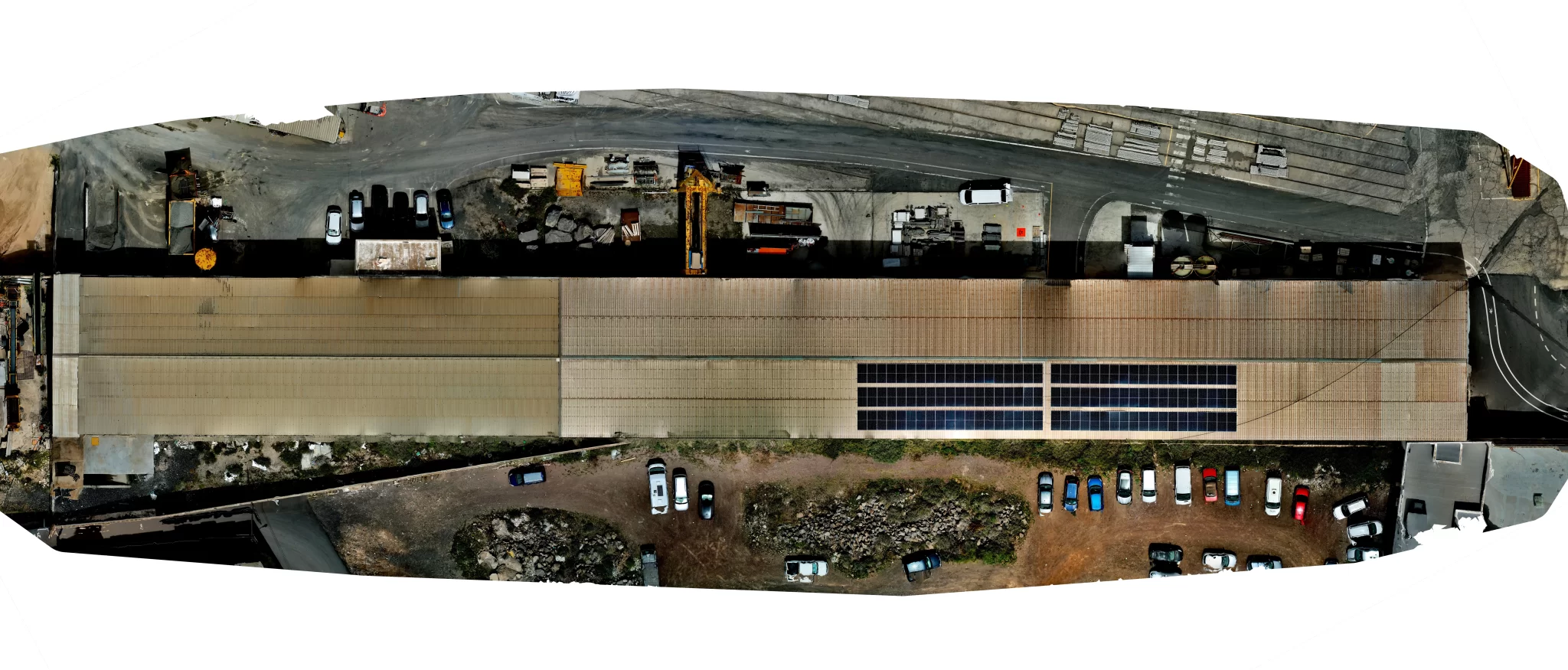
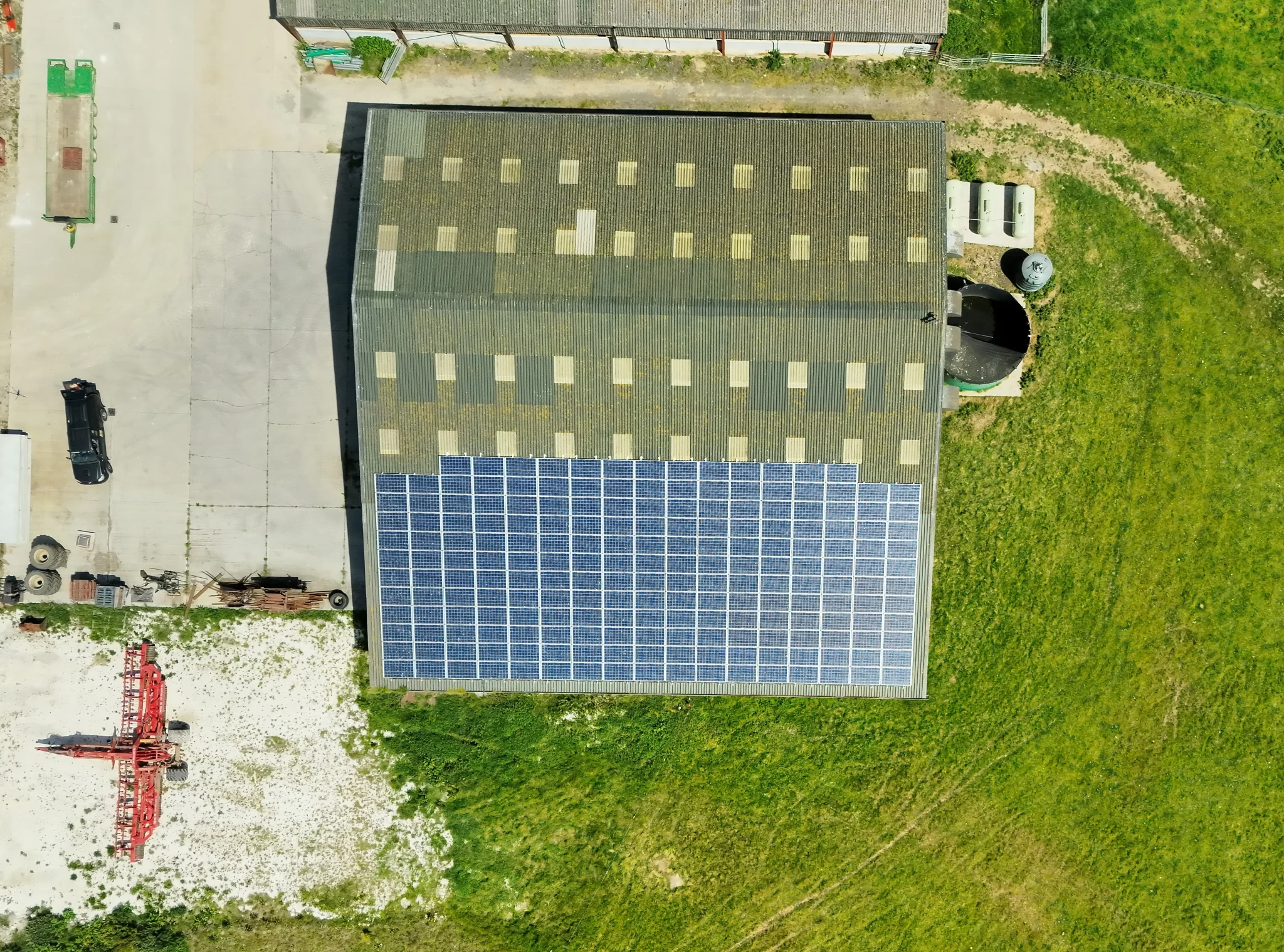
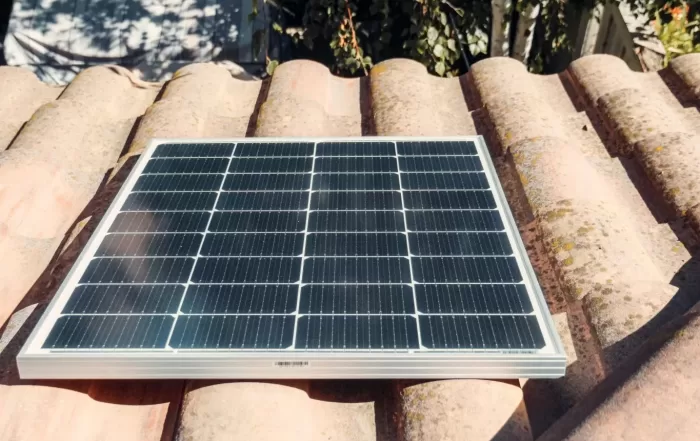
A domestic solar array is rarely laid out the way anyone would choose. Pitch and orientation are inherited from the building, and shading from chimneys, dormers and trees removes usable area before the layout is drawn. What gets installed is the residual. Those same decisions fix the plane the modules sit in, and so fix the directions from which they can usefully be imaged afterwards, which is why a rooftop array is awkward to assess from ground level.
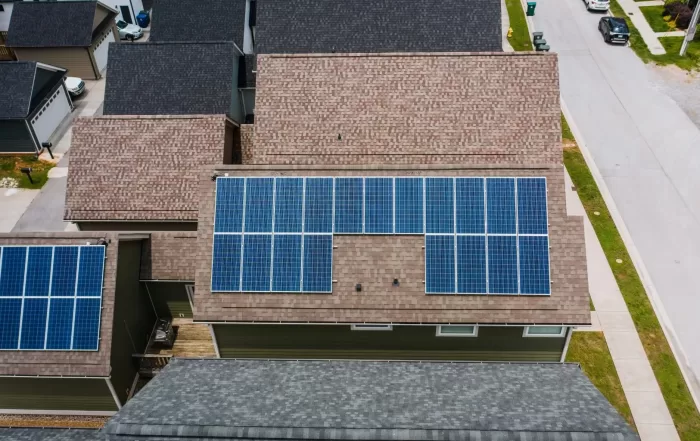

A Home Solar Array Ages Quietly, and the Owner Is the Last to Know
A domestic solar array has no moving parts, makes no noise and sits out of sight, so nothing about a developing fault announces itself. The generation figure an owner can see is one number for the whole system, and a genuine loss can sit inside the ordinary variation of British weather. Drone Media Imaging looks at what those figures do and do not tell you, and why periodic thermographic survey examines the array itself rather than its aggregate output.