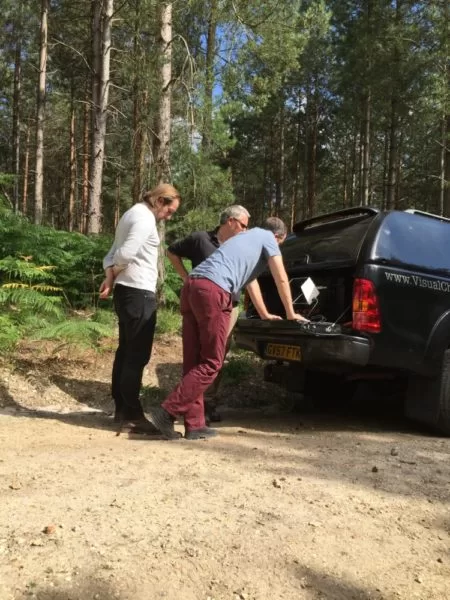
We were honoured to be asked to work with the BBC’s One Show team to assist in putting together an exclusive piece to accompany their interview with Gemma Dowler. Gemma has just written a book, My Sister Milly, speaking about her life and the trauma that her, and her family, went through when her sister was abducted and since.
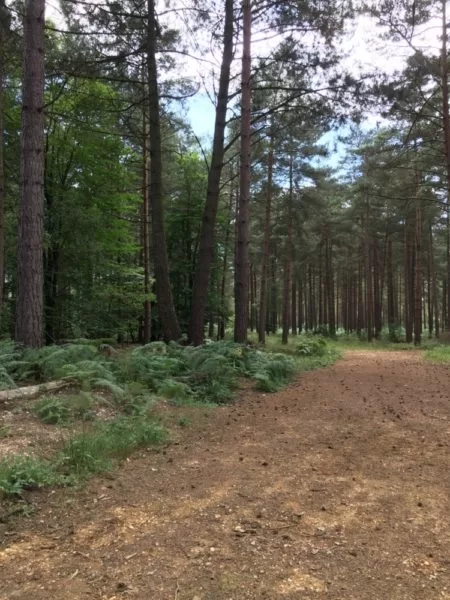
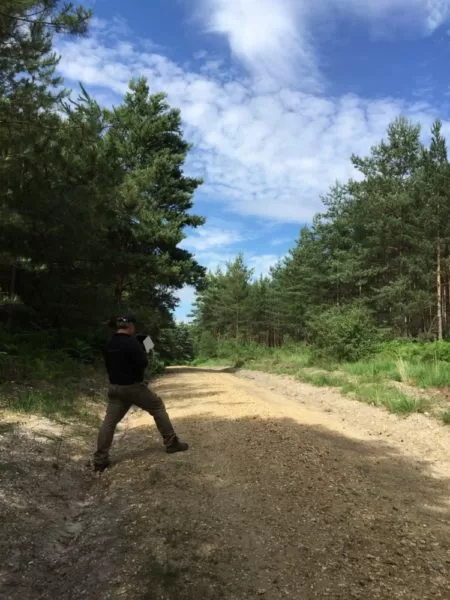
We were to film in Yateley Heath Woods alongside the documentary crew, which is where Milly’s body was finally discovered six months after her disappearance. It was an undeniably beautiful woodlands although it has now of course been laced with sadness. We took time to capture the environment sensitively both through some of the woodlands and from an aerial perspective to contribute to that part of the her story.
It was a very a very difficult day for all of us…..
RIP …Milly Dowler

Drone or Ladder: What Changes When a Solar Inspection Leaves the Ground
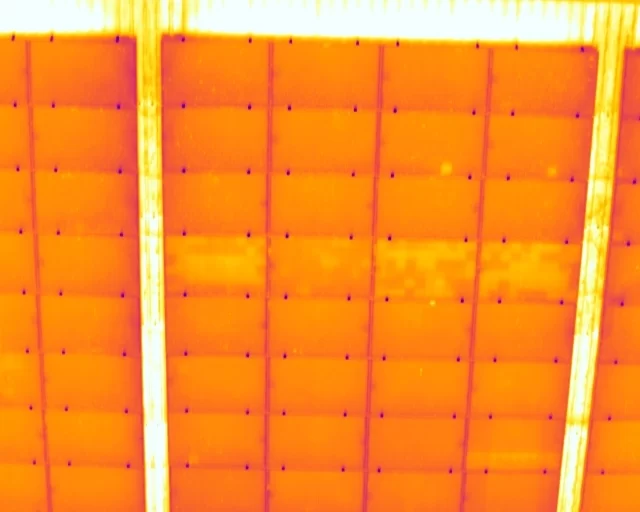
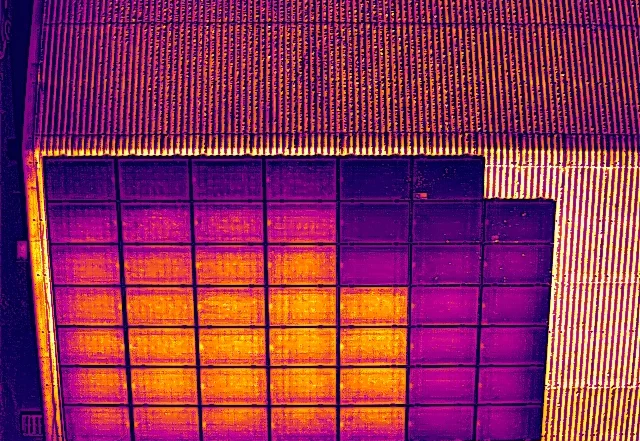
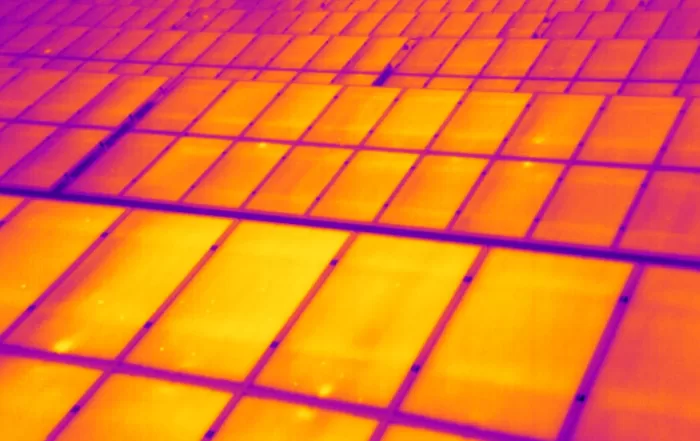
A drone or a ladder? The two are not the same solar inspection done two ways, and they produce different evidence. A visual check finds visible damage. A handheld thermal camera sees heat but, from a ladder, looks across the array at an angle where glass reflects the sky. A drone records every module from above under one set of conditions. This post sets out what each can see, why angle and timing change the reading, and where each belongs.
Simplified or Detailed: Which IEC 62446-3 Inspection a Rooftop Solar Array Actually Needs
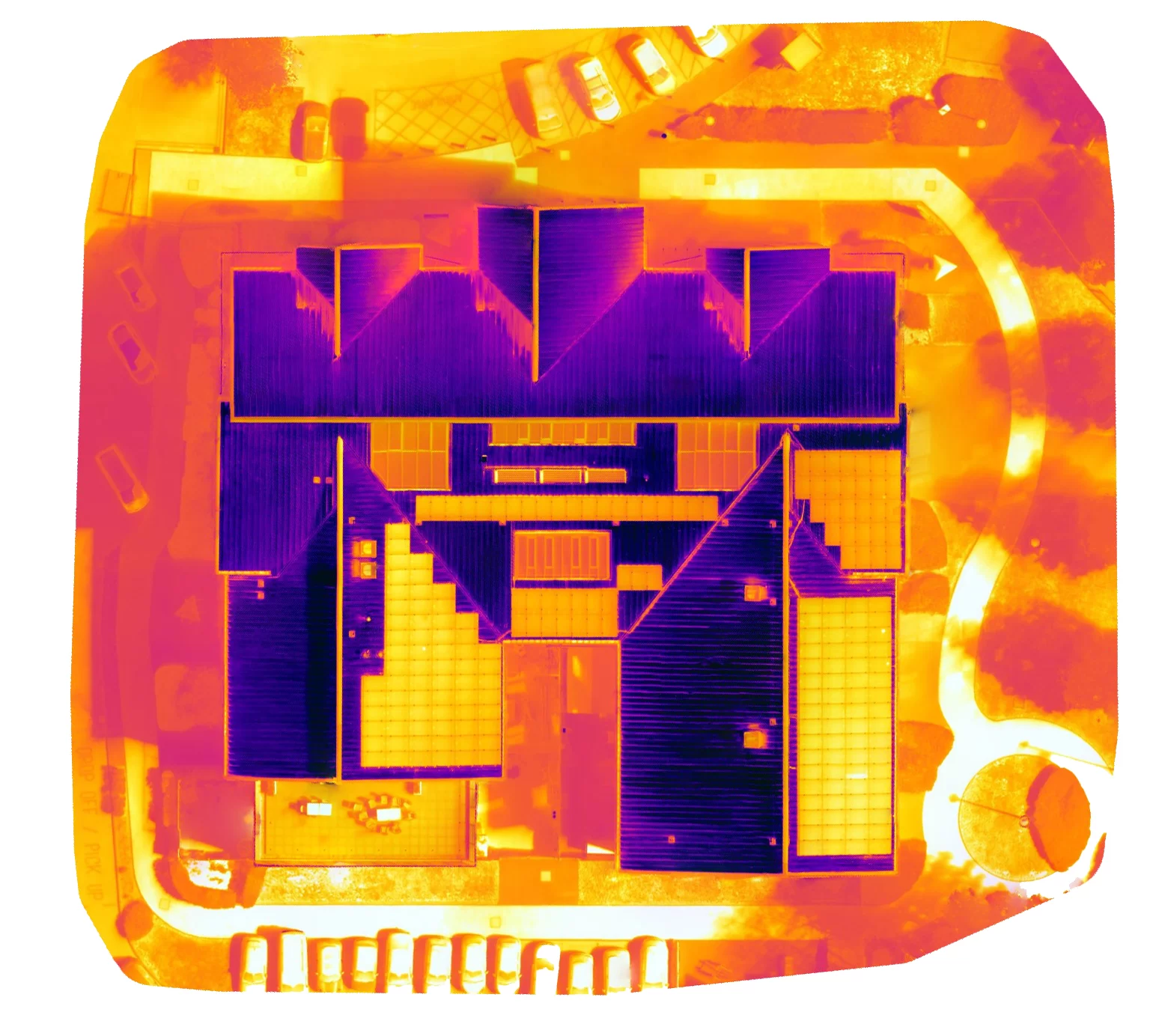
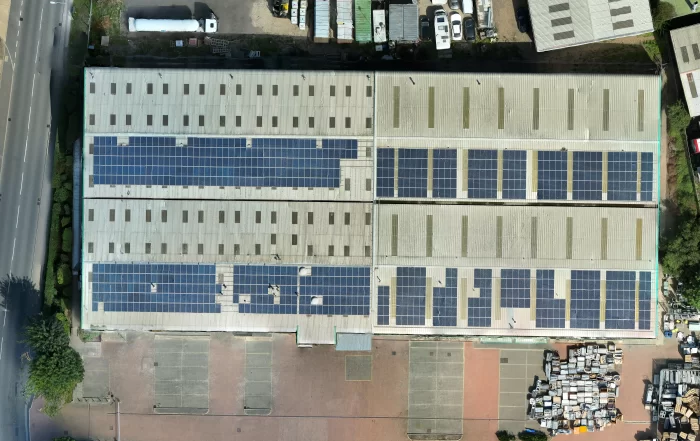
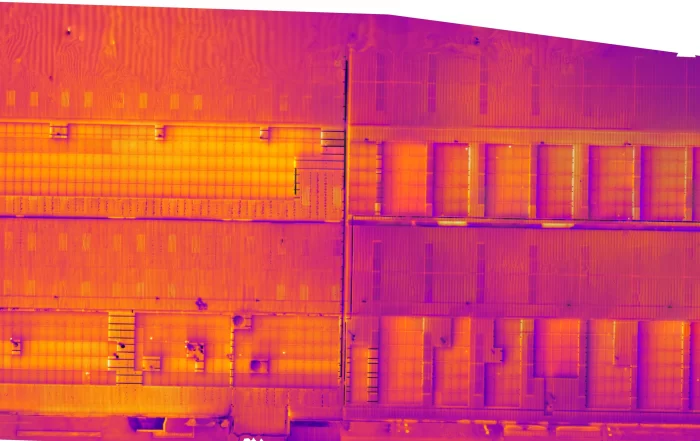
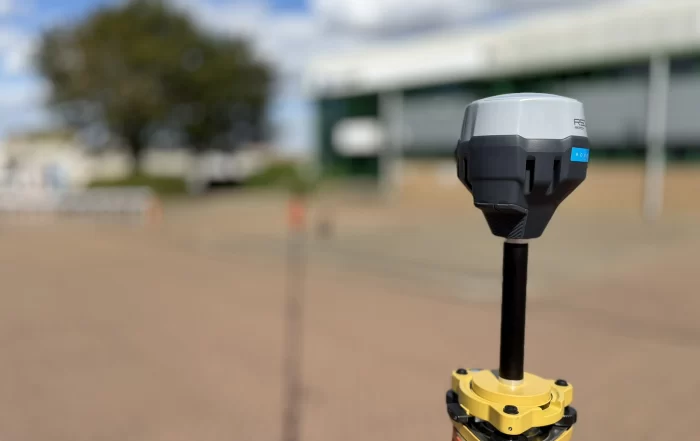
IEC TS 62446-3 does not describe one solar thermography inspection but two. A simplified inspection confirms that modules and connections are working, reading thermal patterns only. A detailed inspection measures, normalises and classifies what it finds, and is the level at which module condition can be reported with confidence. This post explains the difference, where a drone flight over a rooftop array sits between them, and why the level should be agreed in writing before the aircraft is booked.
What the Office Cannot Fix: Why Aerial Data Quality Is Decided on Site
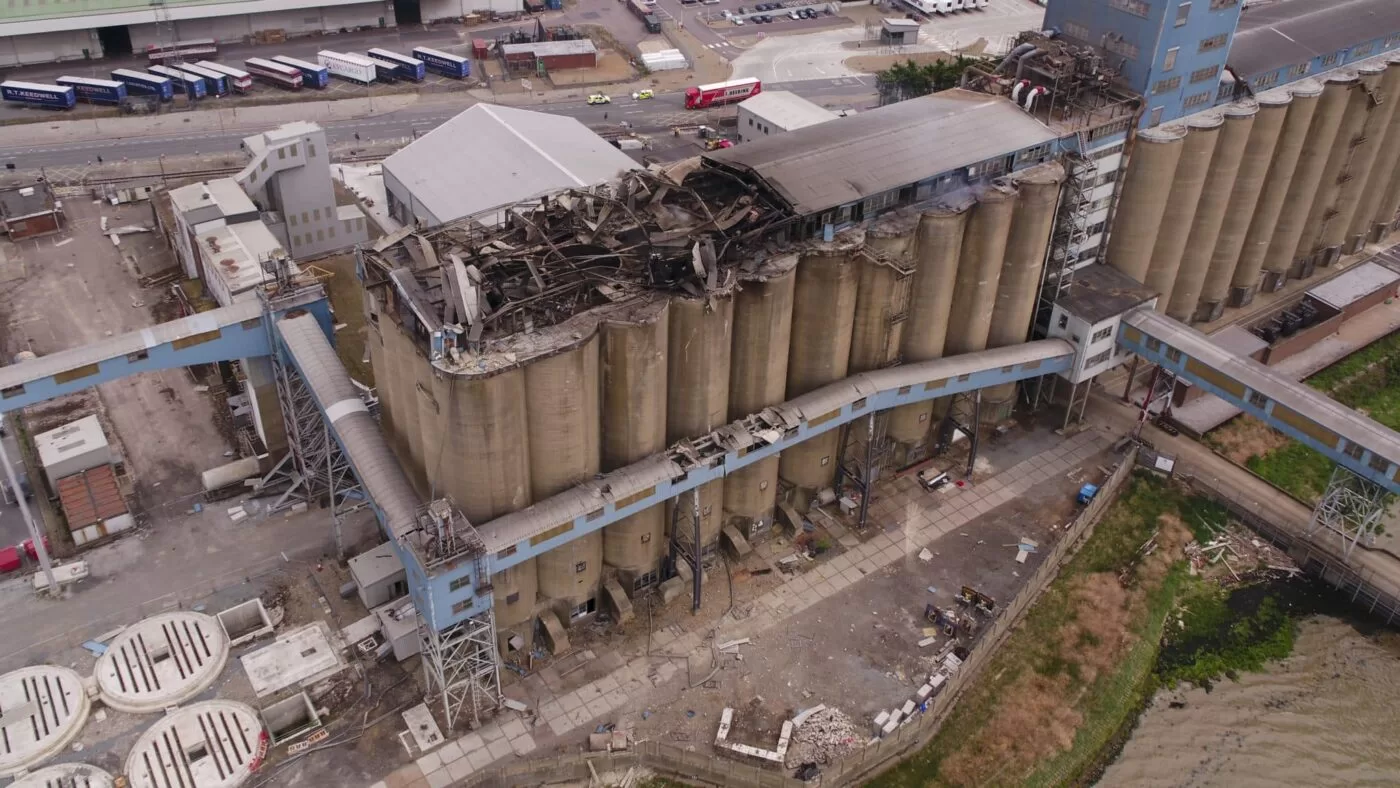
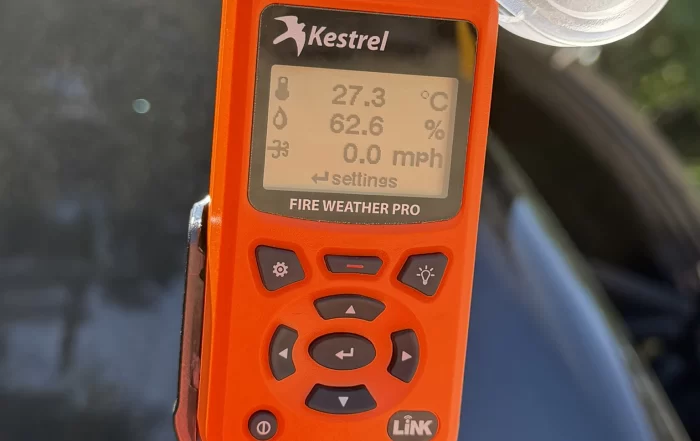
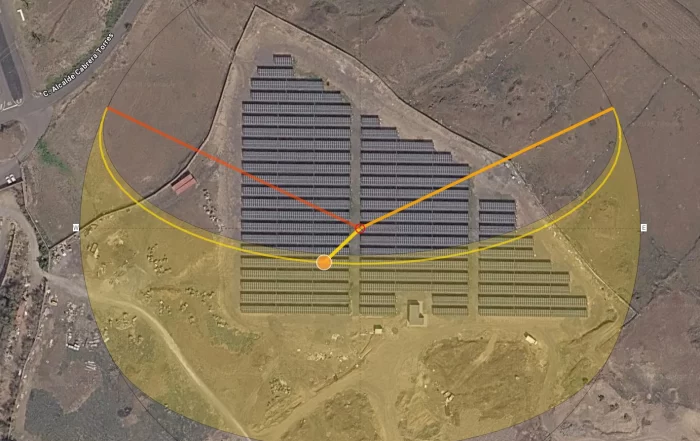
A drone survey flight produces photographs and positions, and that is the whole of the raw material. Everything afterwards is interpretation, so a gap in the imagery stays a gap and a soft frame stays soft. This post sets out what the day of capture actually decides: the light, the wind, the state of the ground, where ground control can physically go on a working site, and the narrow set of checks worth making before the van doors close.