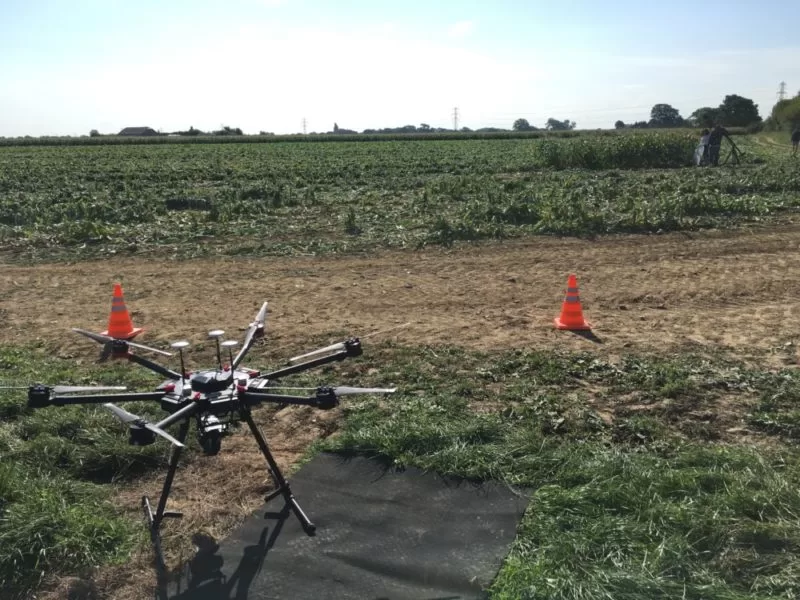
Sometimes there can be amazing stories right under your nose and occasionally our work with our drone cameras can bring them to light. When we were asked to film at Barfoots Farms for the BBC One Show, I’m ashamed to say we had not ever come across them before. So of course we turned to our friend the internet to let us find out more about the story.
What we discovered was that there is a chap called Peter Barfoot who has really changed our lives in terms of what we serve up onto our dinner table through his work on his farms across the south east and a lot of folk have never heard of him. Courgettes and sweetcorn are considered everyday type of vegetables now but this certainly wasn’t the case until the mid 70’s and Barfoot Farms are the folk that we have to thank for this in large part (as well as for tenderstem broccoli, pumpkins, sweet potatoes and a whole lot more). When Brits started to travel abroad and get an appetite for ‘foreign fruits and vegetables’, Peter saw an opportunity to grow and supply this semi exotic fare here in the UK and so it began, growing to an empire with more than 200 staff today keeping us fed with all the veg that we love. So there we go, I’ll feel differently about my dinner plate now I know a little more about what it took to get it there.
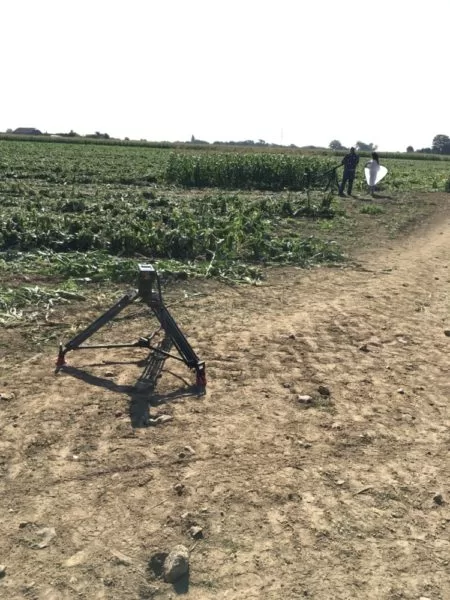
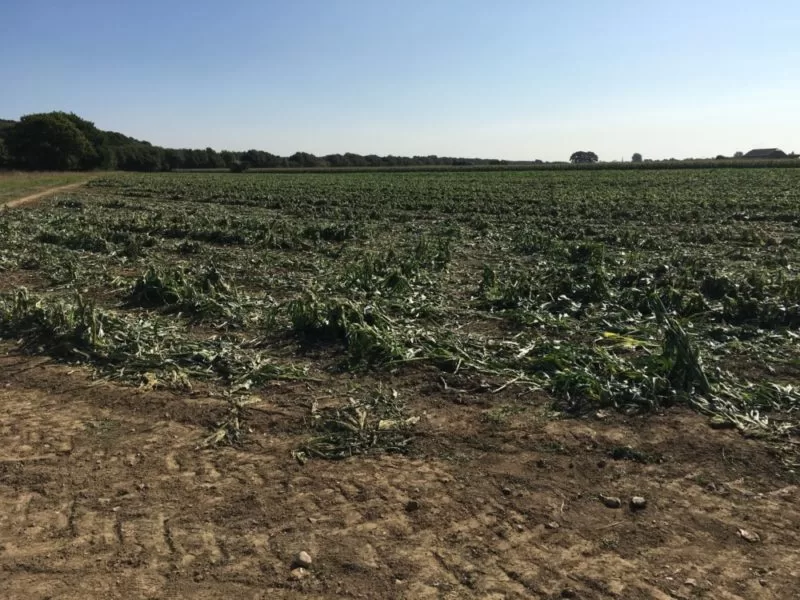
So I’ll spend the day down at Sefter’s Farm down near Bognor Regis, providing aerial cinematography to complement the finished piece and I can’t wait to find out more about the whole story during filming.
You can learn more about Barfoots Farms on thei website hire: www.barfoots.com
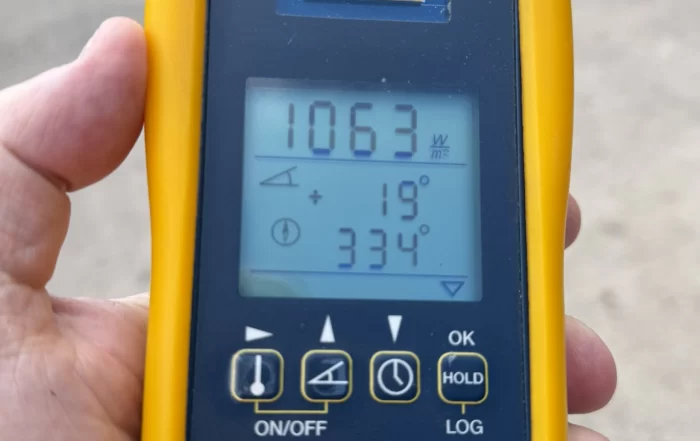
How Often Should Commercial Solar Panels Actually Be Inspected?
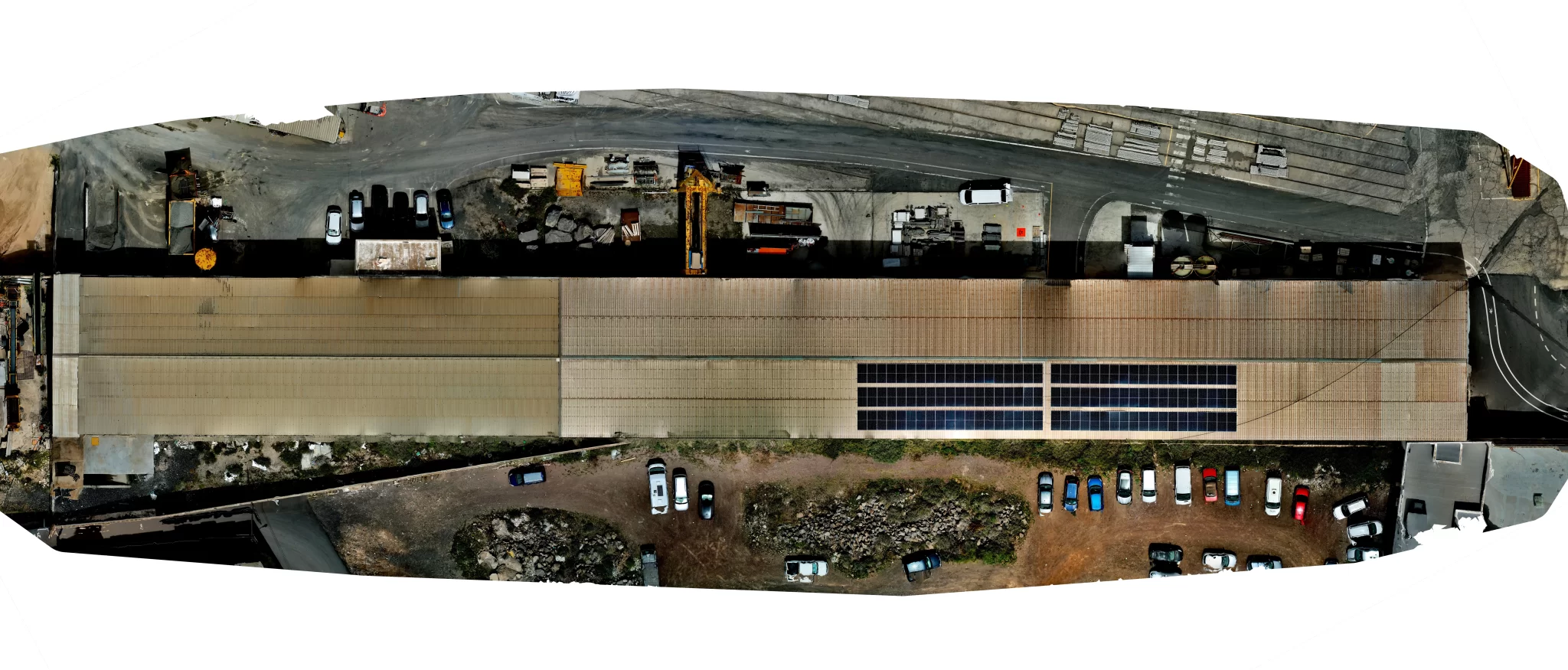
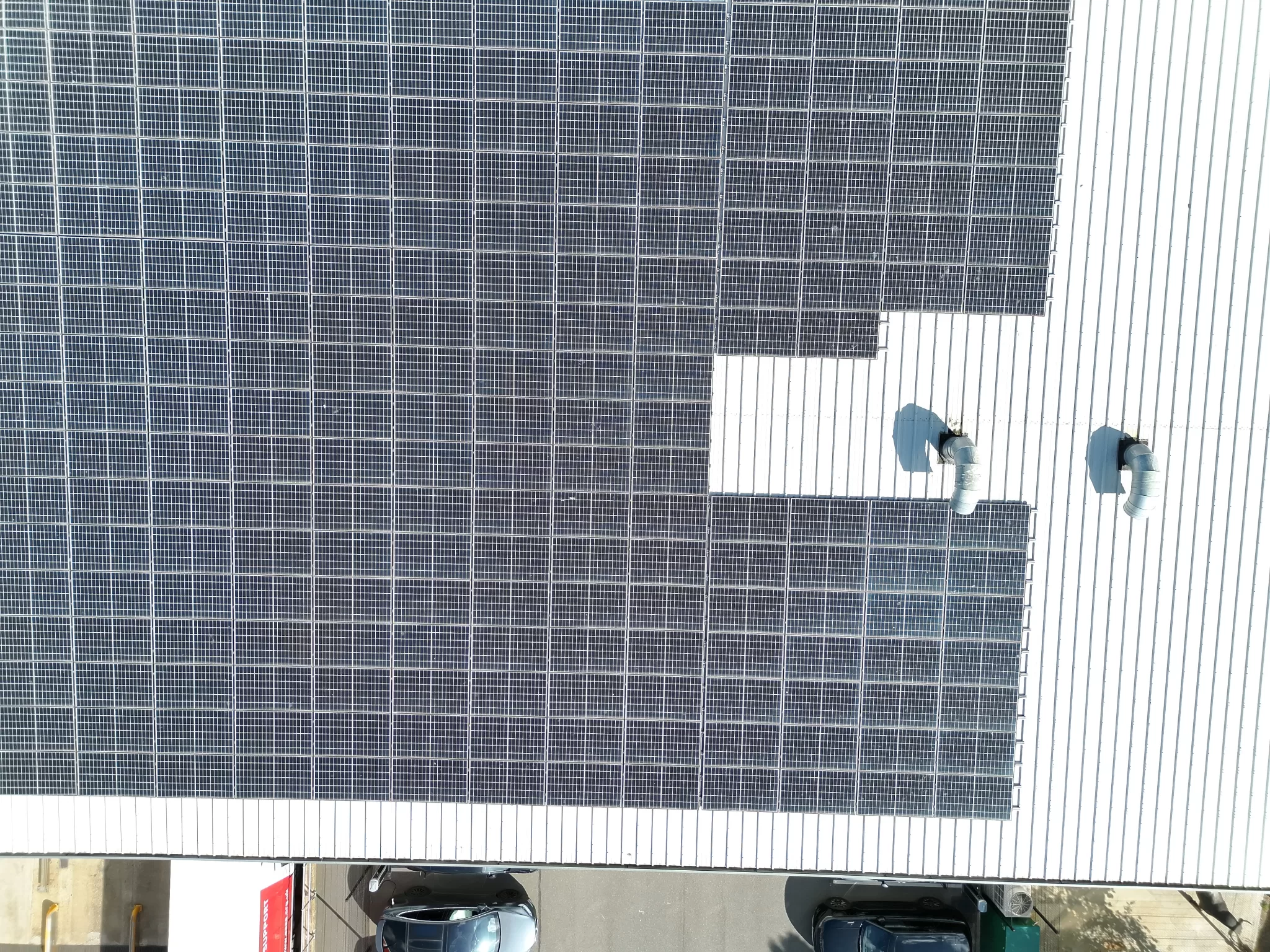
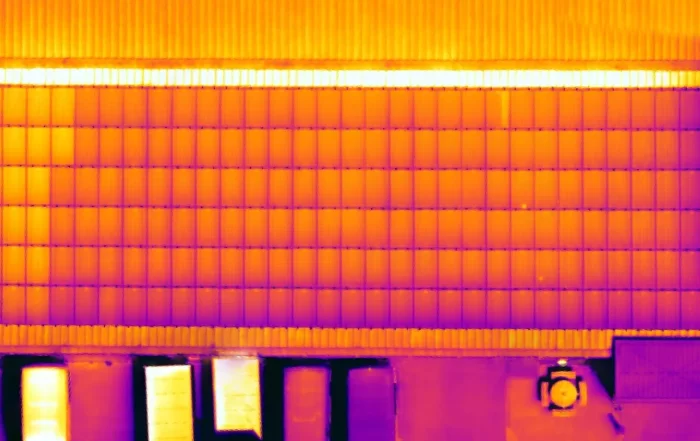
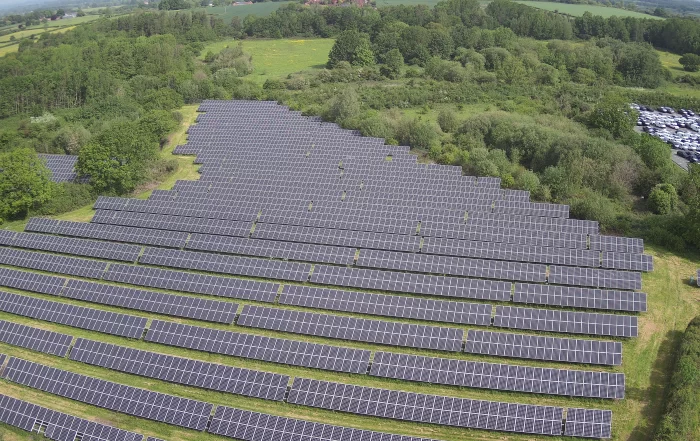
How often should a commercial solar array be inspected? The published guidance gives more than one answer. IEC TS 62446-3 recommends four years and defers to the owner, MIS 3002 points to a full maintenance visit every two years, and RC62, the UK insurers' own code of practice, recommends thermographic examination as part of the maintenance regime. This post sets out what each says, then what should decide the interval for a particular roof: age, history, fire load and change.
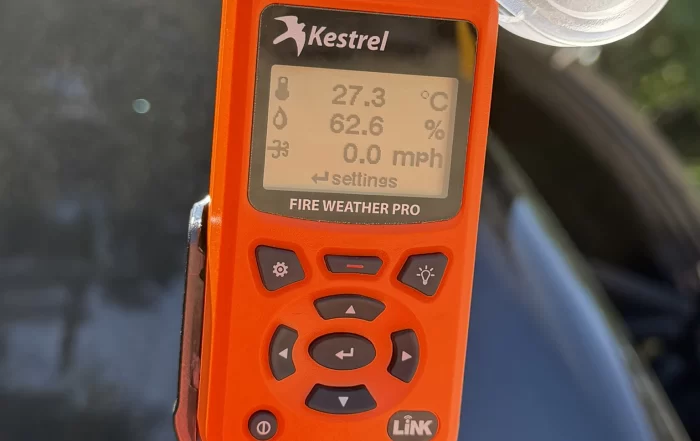


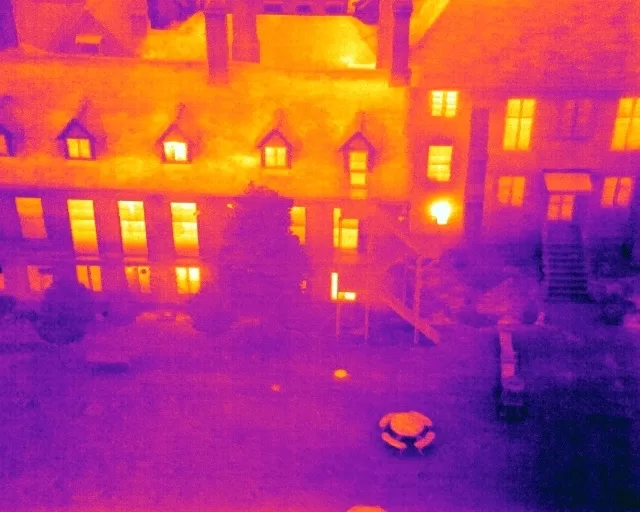
Dew Point in Building Thermography: Why Condensation Decides the Survey Window
The dew point is the temperature at which air saturates and water condenses onto a surface. The cold, clear, still nights that suit building thermography are the same nights that drive roofs below it, and a roof carrying dew shows the camera a film of water rather than its own temperature pattern. This article explains what the dew point is, what condensation does to a thermal image, and how an aerial survey is timed so the building is read while it is dry.
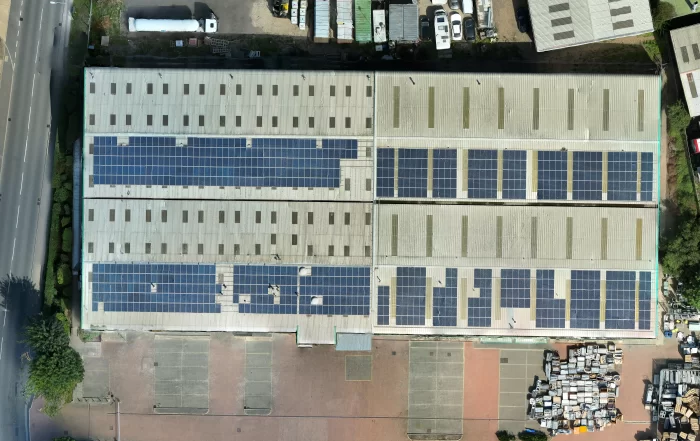
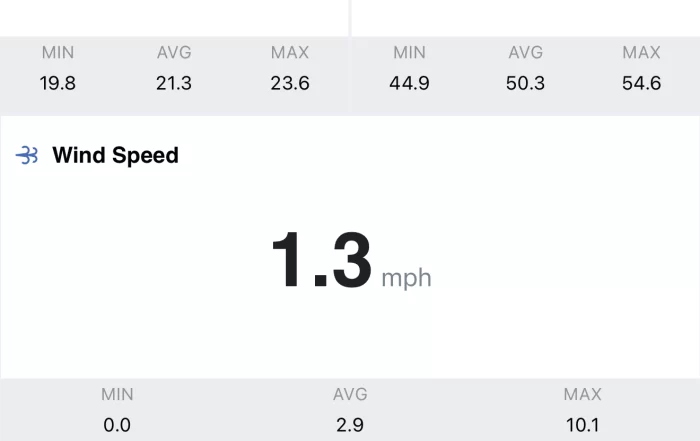
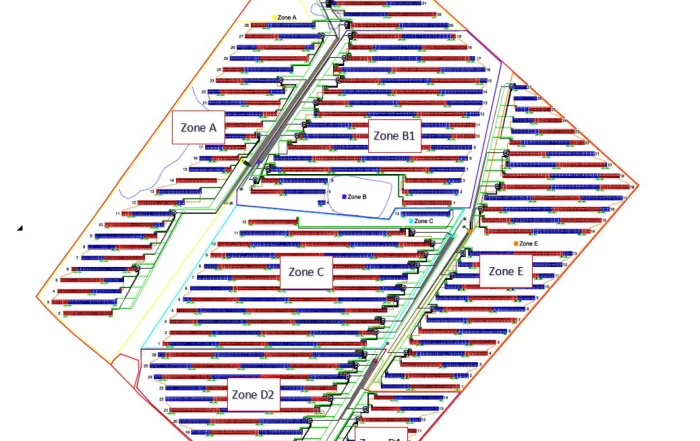
What a Solar PV Thermal Survey Needs From You Before the Spring Booking
A spring solar survey is booked around the weather, but much of what decides its value is settled by the client before anyone checks a forecast. This piece sets out what Drone Media Imaging asks for ahead of a solar PV thermal survey, from the string layout and plant records to access, operating status and a contact on the day, why each item changes how firmly the findings can be written, and how a weather-held booking works across the season.