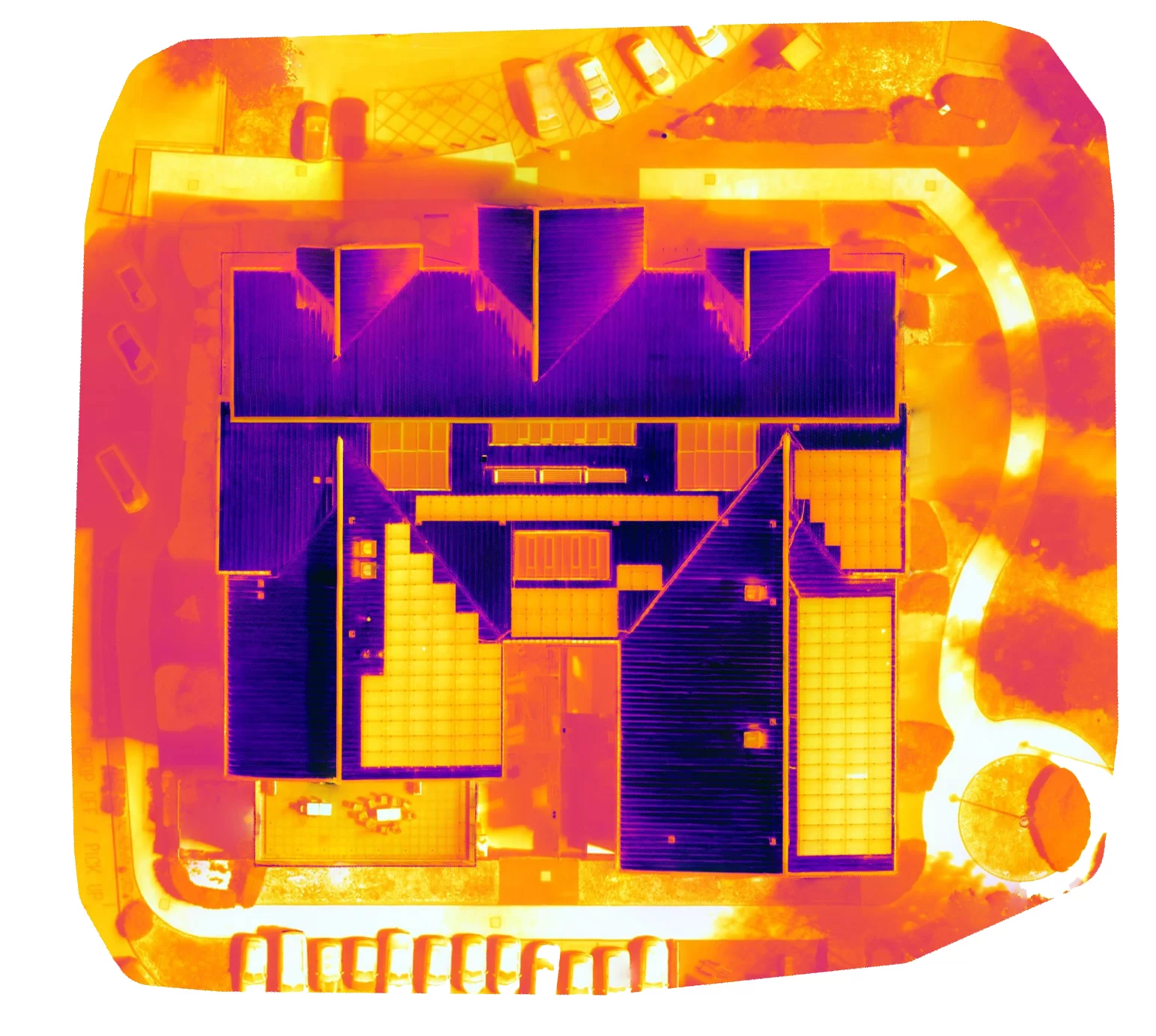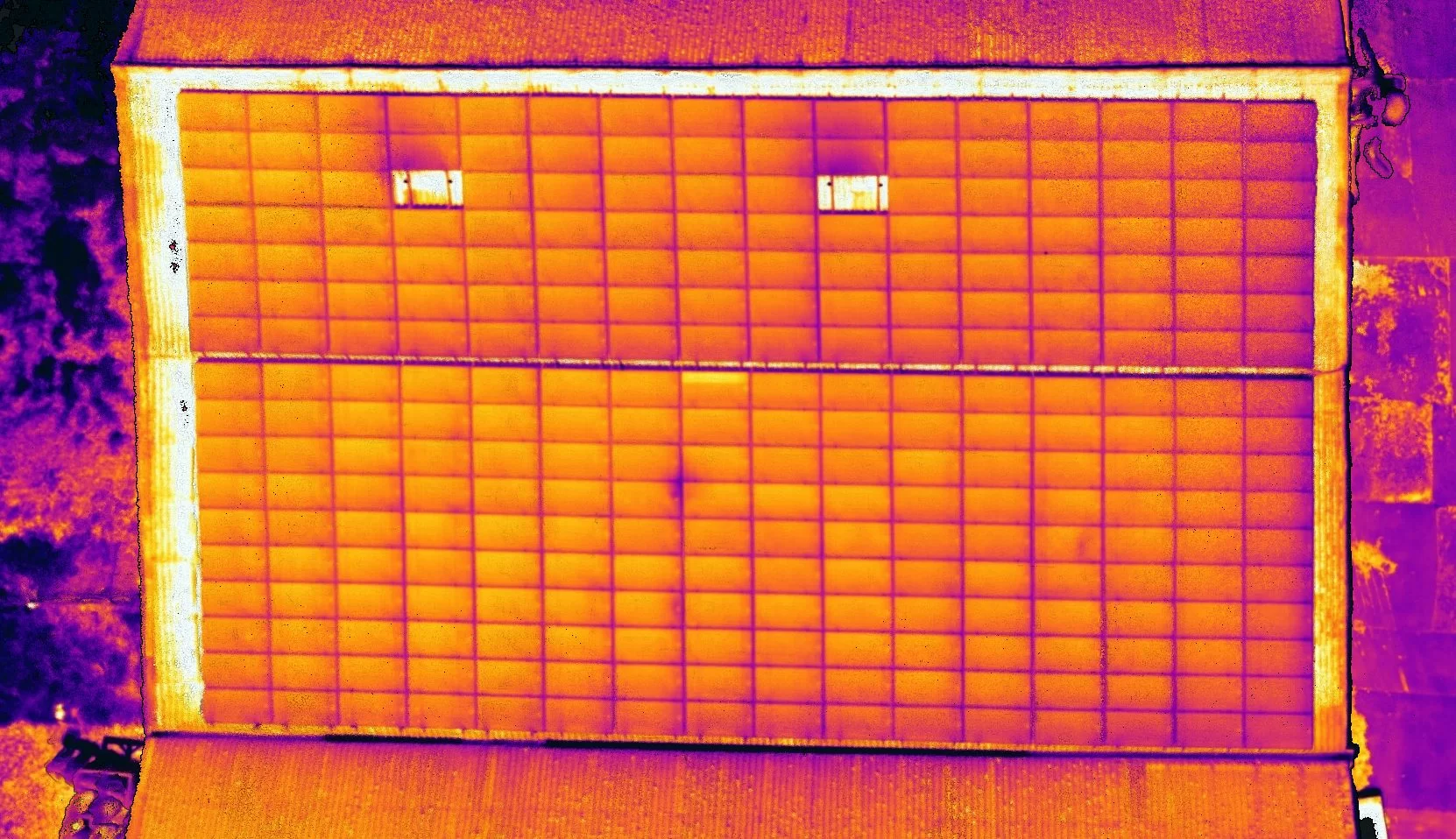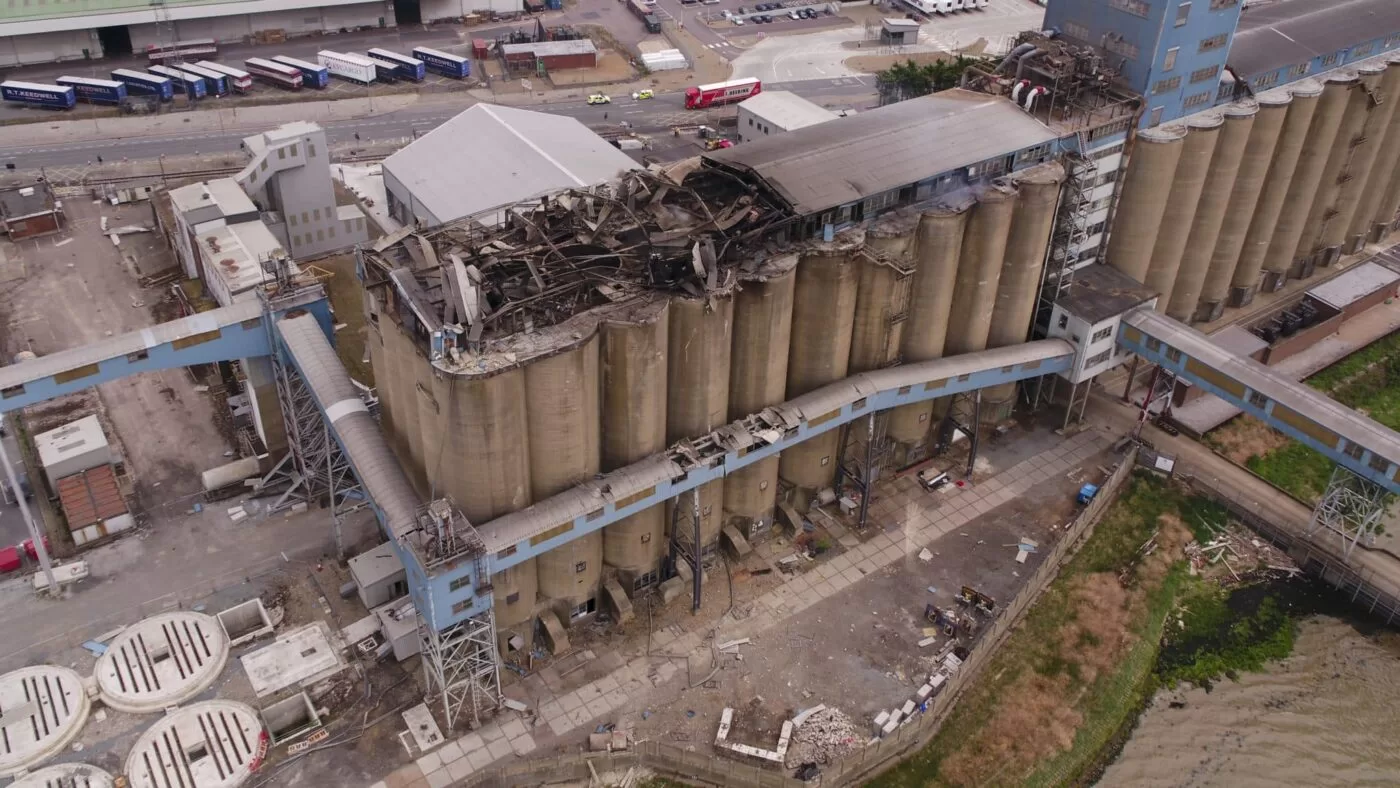

Drone Media Imaging provides comprehensive thermal imaging surveys for Grade I and Grade II listed buildings, helping heritage custodians understand how heat, air and moisture move through historically significant structures. Using both aerial and ground-based thermography under Level 3 practice, we capture detailed thermal behaviour across façades, roofs, elevations and internal spaces. These surveys reveal heat-loss pathways, cold-air chimneys, uncontrolled draughts, areas of thermal bridging and early indicators of moisture ingress — all essential factors in managing the performance and preservation of protected buildings.
Because listed buildings often cannot be modified with modern insulation or double glazing, thermal imaging offers a non-invasive solution for identifying where improvements may be made without compromising heritage value. The findings support estate managers, conservation architects and trustees with clear, actionable insights that help improve comfort, inform remedial strategies and maintain long-term stewardship. By combining technical expertise with an understanding of heritage sensitivity, Drone Media Imaging delivers a reliable method for assessing complex, historically important buildings and ensuring they remain healthy, habitable and structurally sound.
Project Overview
Subject
heritage thermography, listed building heat loss survey, conservation property thermal imaging, grade 1 building performance, historic building diagnostics
Skills Used
Level 3 Thermography, Aerial & Ground-Based Thermal Imaging, Heritage-Safe Inspection Methods, Building Performance Diagnostics, Moisture & Airflow Assessment
Portfolio Tags
heritage, thermography, listed buildings, heat loss, moisture investigation, conservation, drone thermal, building performance
Enhancing Heating Performance and Preserving Heritage in Grade I & II Listed Buildings
Specialist thermal imaging supporting energy performance, conservation planning and long-term stewardship of historic buildings.


thermal imaging for historic buildings,
Understanding Thermal Behaviour in Historic & Protected Buildings
Drone Media Imaging is frequently commissioned to assess the heating performance, thermal efficiency and air-movement behaviour of Grade I and Grade II listed buildings across the UK. These buildings present a unique combination of architectural beauty and technical challenge. Thick stone walls, medieval timber frames, vaulted ceilings, ageing glazing, complex roof structures and irregular voids can all contribute to unpredictable thermal behaviour and persistent issues with heat loss, draughts and moisture.
Because listed properties are often restricted in what modifications can be made—particularly regarding insulation, window upgrades and modern heating technologies—achieving thermal comfort becomes a delicate balance between heritage protection and building performance. Thermal imaging offers a non-invasive method to understand how heat moves through the structure, where cold-air pathways exist, and which elements may be affecting the building’s overall temperature stability.
Using both aerial and ground-based thermography, Drone Media Imaging provides building custodians, conservation teams and estate managers with a detailed visual understanding of how these heritage structures perform in real-world conditions.
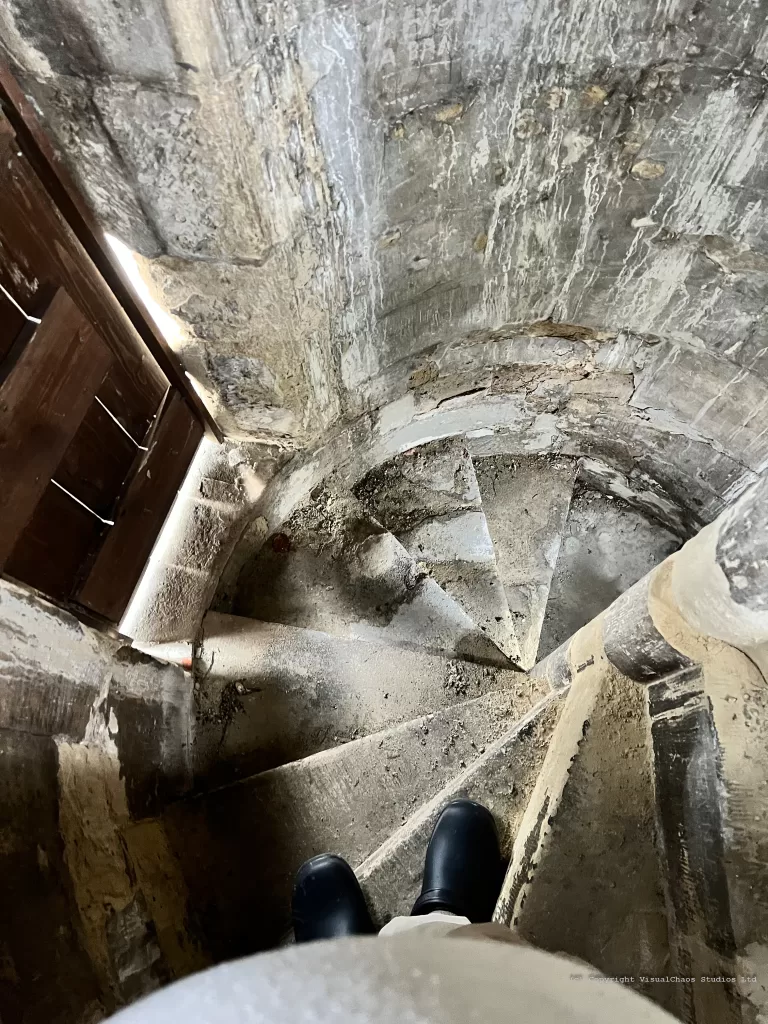
non-invasive survey for listed properties
A Non-Invasive Thermal Approach That Respects Heritage Fabric
Historic and listed buildings demand an inspection method that is precise yet gentle, revealing hidden issues without disturbing delicate or protected building elements. Thermal imaging meets this requirement perfectly. By capturing radiometric thermal data across façades, roofs, elevations and internal spaces, our surveys highlight:
Heat-loss pathways through masonry, stonework and leadwork
Uncontrolled air leakage and cold-air chimneys
Areas of thermal bridging caused by structural elements
Moisture intrusion within walls, voids and roof coverings
Irregularities in heating distribution
Single-glazed window and frame heat-loss behaviour
Loft, ceiling and void temperatures that indicate movement of cold air
For Grade I and II buildings, many inefficiencies stem from unavoidable heritage constraints: single glazing in original frames, solid-wall construction without cavities, stone stairwells acting as reverse chimneys, and large, uninsulated roof voids. Thermal imaging brings these behaviours to light clearly and non-destructively.
Drone Media Imaging conducts these surveys under Level 3 thermographic practice, ensuring high-quality interpretation and reporting that is appropriate to the complexity and historical significance of each building.


Moisture & Airflow Assessment
Findings, Improvements and Value Delivered to Heritage Clients
Our thermal surveys consistently uncover thermal behaviour that is unique to historic properties. Cold-air channels often form inside stone structures, causing drafts and rapid heat dissipation across multiple floors. Windows designed centuries ago contribute significant conductive heat loss, while some roof structures exhibit strong temperature gradients due to age, ventilation pathways and historic materials such as stone, oak, clay tiles and lead.
By identifying where these issues occur, Drone Media Imaging provides clients with a prioritised, evidence-based understanding of:
Where heat loss is most severe
Which areas contribute to occupant discomfort
Where airflow management may be improved
How moisture risk varies across the building
Where conservation teams may focus attention
How heating systems interact with the building fabric
Where interventions may be possible without breaching planning restrictions
These outputs support estate teams, conservation architects, facility managers and trustees in making informed decisions that respect the building’s heritage while improving comfort and sustainability.
Even in cases where physical intervention is restricted, understanding the building’s thermal behaviour allows for better control strategies, more efficient use of heating, and safer long-term building management.