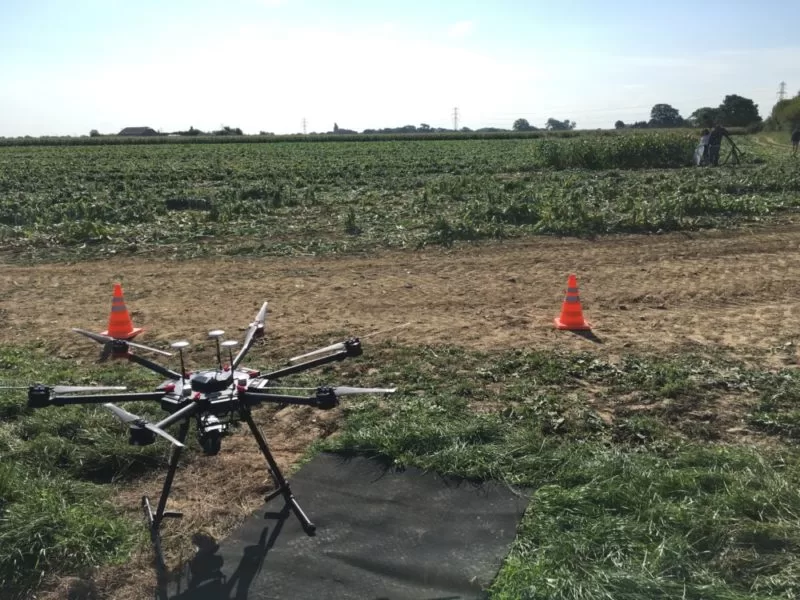
Sometimes there can be amazing stories right under your nose and occasionally our work with our drone cameras can bring them to light. When we were asked to film at Barfoots Farms for the BBC One Show, I’m ashamed to say we had not ever come across them before. So of course we turned to our friend the internet to let us find out more about the story.
What we discovered was that there is a chap called Peter Barfoot who has really changed our lives in terms of what we serve up onto our dinner table through his work on his farms across the south east and a lot of folk have never heard of him. Courgettes and sweetcorn are considered everyday type of vegetables now but this certainly wasn’t the case until the mid 70’s and Barfoot Farms are the folk that we have to thank for this in large part (as well as for tenderstem broccoli, pumpkins, sweet potatoes and a whole lot more). When Brits started to travel abroad and get an appetite for ‘foreign fruits and vegetables’, Peter saw an opportunity to grow and supply this semi exotic fare here in the UK and so it began, growing to an empire with more than 200 staff today keeping us fed with all the veg that we love. So there we go, I’ll feel differently about my dinner plate now I know a little more about what it took to get it there.
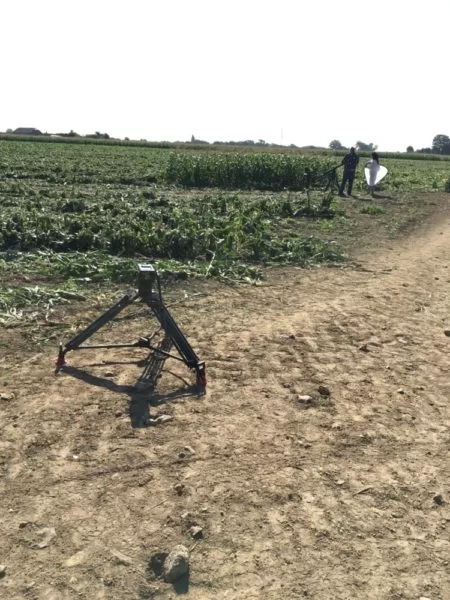
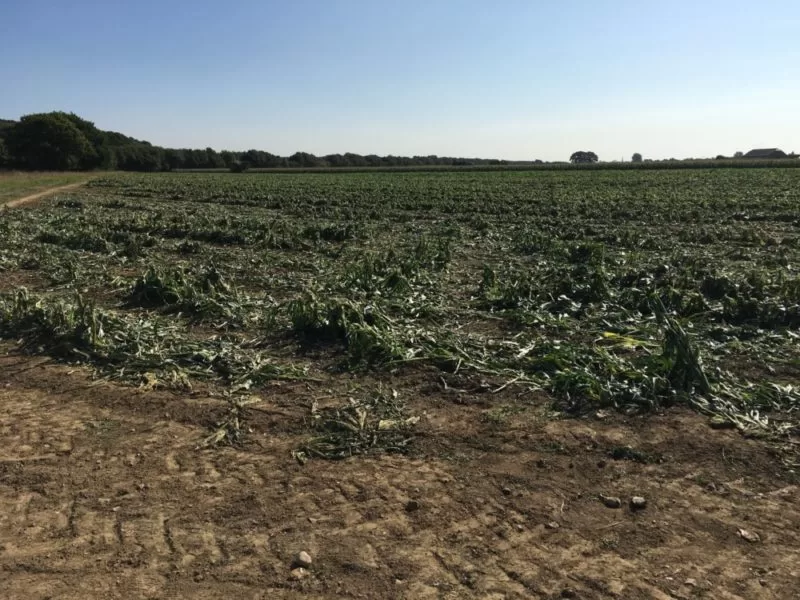
So I’ll spend the day down at Sefter’s Farm down near Bognor Regis, providing aerial cinematography to complement the finished piece and I can’t wait to find out more about the whole story during filming.
You can learn more about Barfoots Farms on thei website hire: www.barfoots.com


Air Leakage and Air Pressure: What Makes a Leak Visible to a Thermal Survey
Air leakage is only visible to a thermal camera when something is pushing air through the building fabric. Stack effect, wind and mechanical ventilation each create that pressure difference, each acts differently on different elevations, and each can disappear during a survey. This piece explains what drives air through a building envelope, why leakage appears as a spreading plume rather than a hard edged patch, and where a thermal survey stops and a pressurisation test begins.


You Fly It, We Certify It: What Remote Thermographic Reporting Can and Cannot Establish
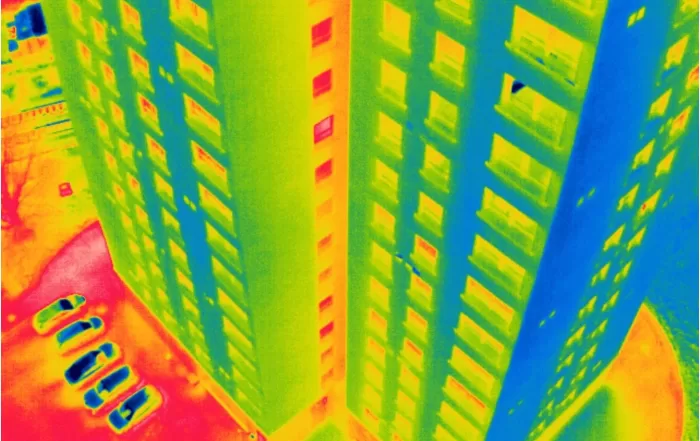
A drone operator in Scotland flew three multi-storey residential blocks in the spring of 2025. They had the aircraft, the payload and the access, but nobody able to sign the result as a certified thermographic inspection. We wrote the capture protocol for their team before the flight and certified the reporting afterwards. This piece covers why the protocol comes first, what the analysis established, and what remote reporting genuinely cannot settle.


What a Heat Loss Survey Needs From You, and What You Get Back
A building heat loss survey looks like a single cold night's flying, but most of what decides its value is settled beforehand. This piece sets out the information a thermographer needs from the building owner and why each answer changes how a thermal pattern is read, what has to be arranged before an after-dark survey of an occupied building, and what the finished report contains, including the difference between a certified inspection report and a professional opinion.