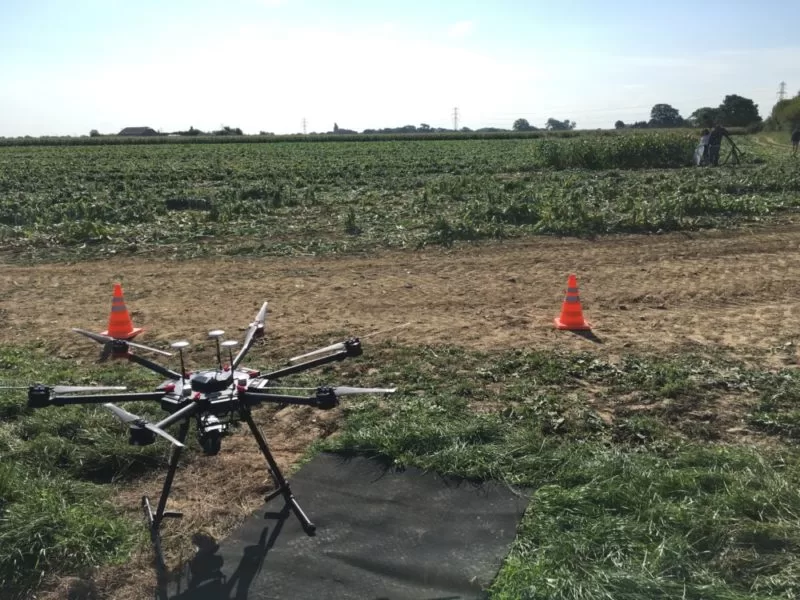
Sometimes there can be amazing stories right under your nose and occasionally our work with our drone cameras can bring them to light. When we were asked to film at Barfoots Farms for the BBC One Show, I’m ashamed to say we had not ever come across them before. So of course we turned to our friend the internet to let us find out more about the story.
What we discovered was that there is a chap called Peter Barfoot who has really changed our lives in terms of what we serve up onto our dinner table through his work on his farms across the south east and a lot of folk have never heard of him. Courgettes and sweetcorn are considered everyday type of vegetables now but this certainly wasn’t the case until the mid 70’s and Barfoot Farms are the folk that we have to thank for this in large part (as well as for tenderstem broccoli, pumpkins, sweet potatoes and a whole lot more). When Brits started to travel abroad and get an appetite for ‘foreign fruits and vegetables’, Peter saw an opportunity to grow and supply this semi exotic fare here in the UK and so it began, growing to an empire with more than 200 staff today keeping us fed with all the veg that we love. So there we go, I’ll feel differently about my dinner plate now I know a little more about what it took to get it there.
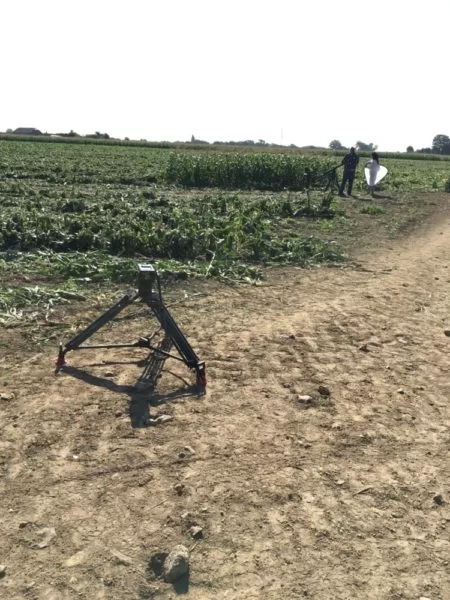
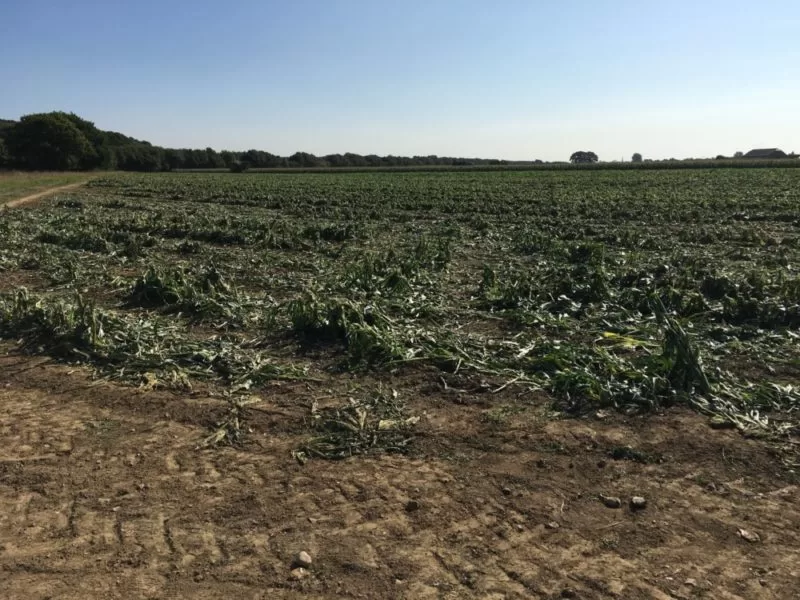
So I’ll spend the day down at Sefter’s Farm down near Bognor Regis, providing aerial cinematography to complement the finished piece and I can’t wait to find out more about the whole story during filming.
You can learn more about Barfoots Farms on thei website hire: www.barfoots.com


Reading a Roof Thermogram: Why the Pattern Proves More Than the Temperature
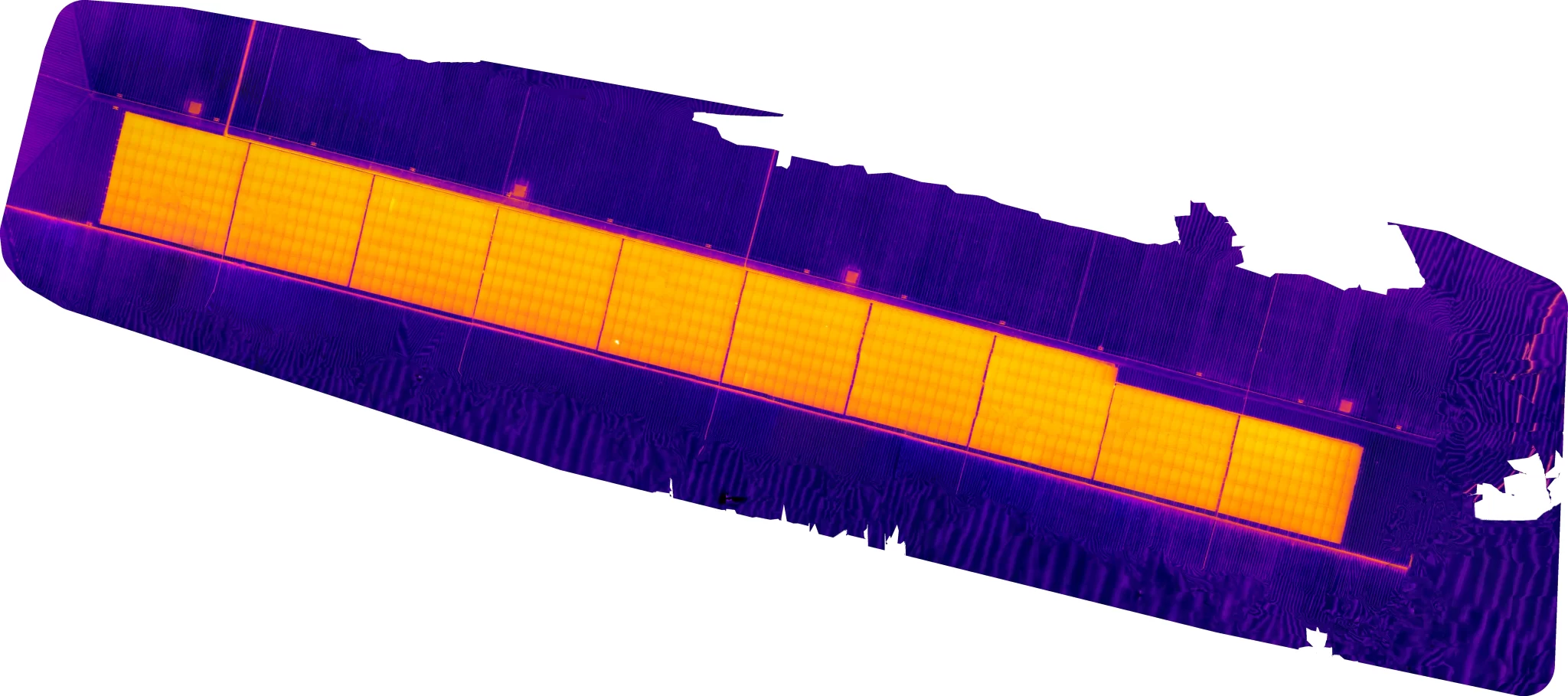
Ask what temperature difference proves a roof is wet and you will be given a number. It is the wrong answer to the wrong question. A thermal camera measures surface temperature, arrived at through emissivity, reflection and viewing angle, and what identifies trapped moisture is behaviour over time rather than magnitude. This post covers what the camera is really reading, why saturated material lags behind dry material as a roof cools, and the conditions that decide the result before anyone flies.


Storm Damage to a Roof: What to Record, and How Soon
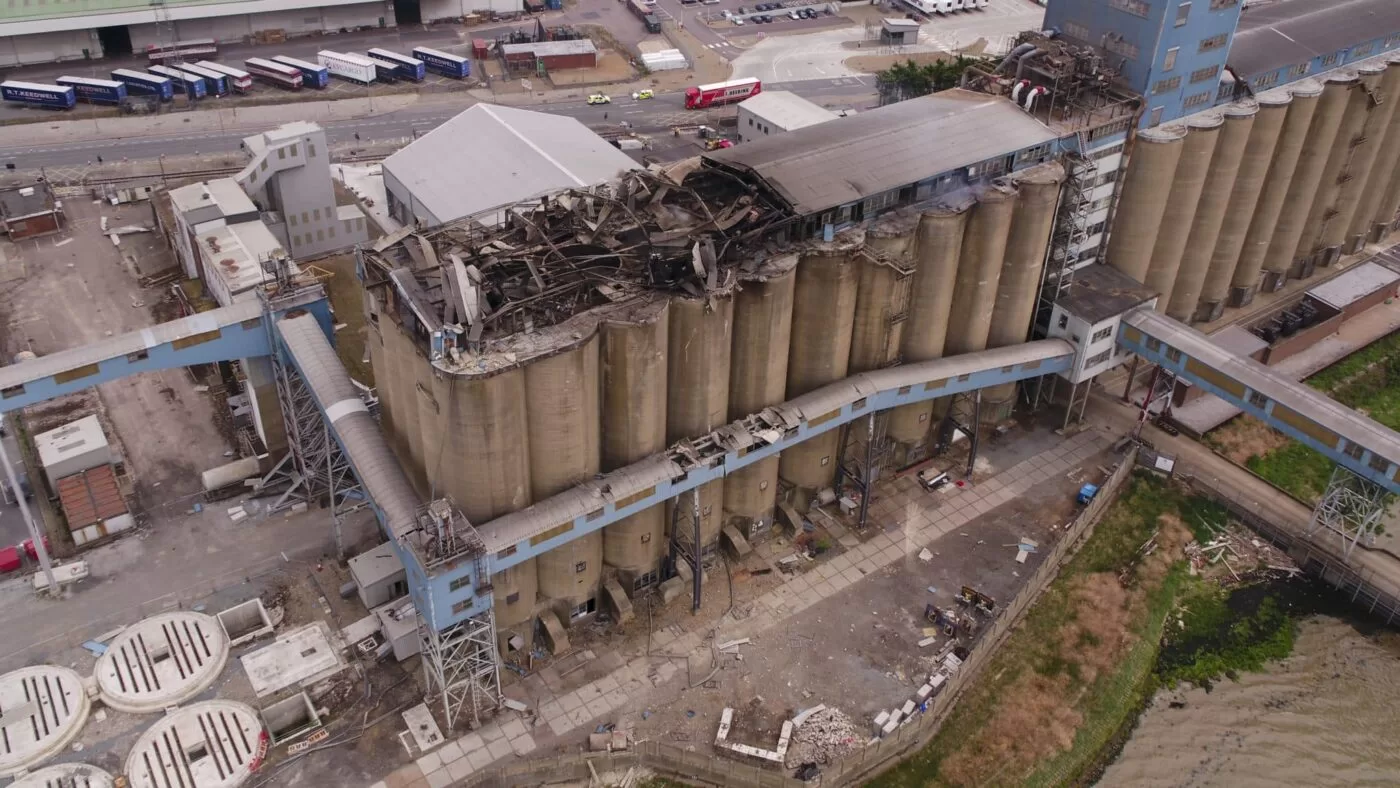
A storm goes through and the roof is suddenly the one part of the building nobody can safely climb. This is a practical look at what to do in the first few days: how soon a roof can realistically be photographed from the air once the weather allows, what makes those images worth having later rather than merely reassuring now, and where a visual inspection stops. Written for building owners, landlords and managing agents across the South East.
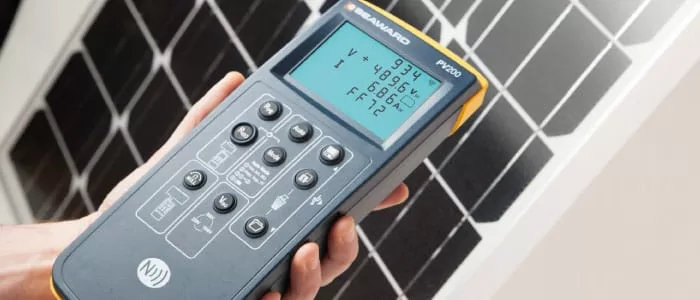


Can Every Solar Array Be String Tested? What the Design Decides
Enquiries for electrical string testing usually lead with the array's size, and capacity is rarely the number that decides the job. How the system was wired, what sits behind each module, and who is available to open and isolate the boxes decide whether a string test is straightforward, expensive or not conventionally possible at all. This piece sets out the three things worth establishing before anyone quotes a price or commits to a date.