We were honoured to be asked to work with the BBC’s One Show team to assist in putting together an exclusive piece to accompany their interview with Gemma Dowler. Gemma has just written a book, My Sister Milly, speaking about her life and the trauma that her, and her family, went through when her sister was abducted and since.
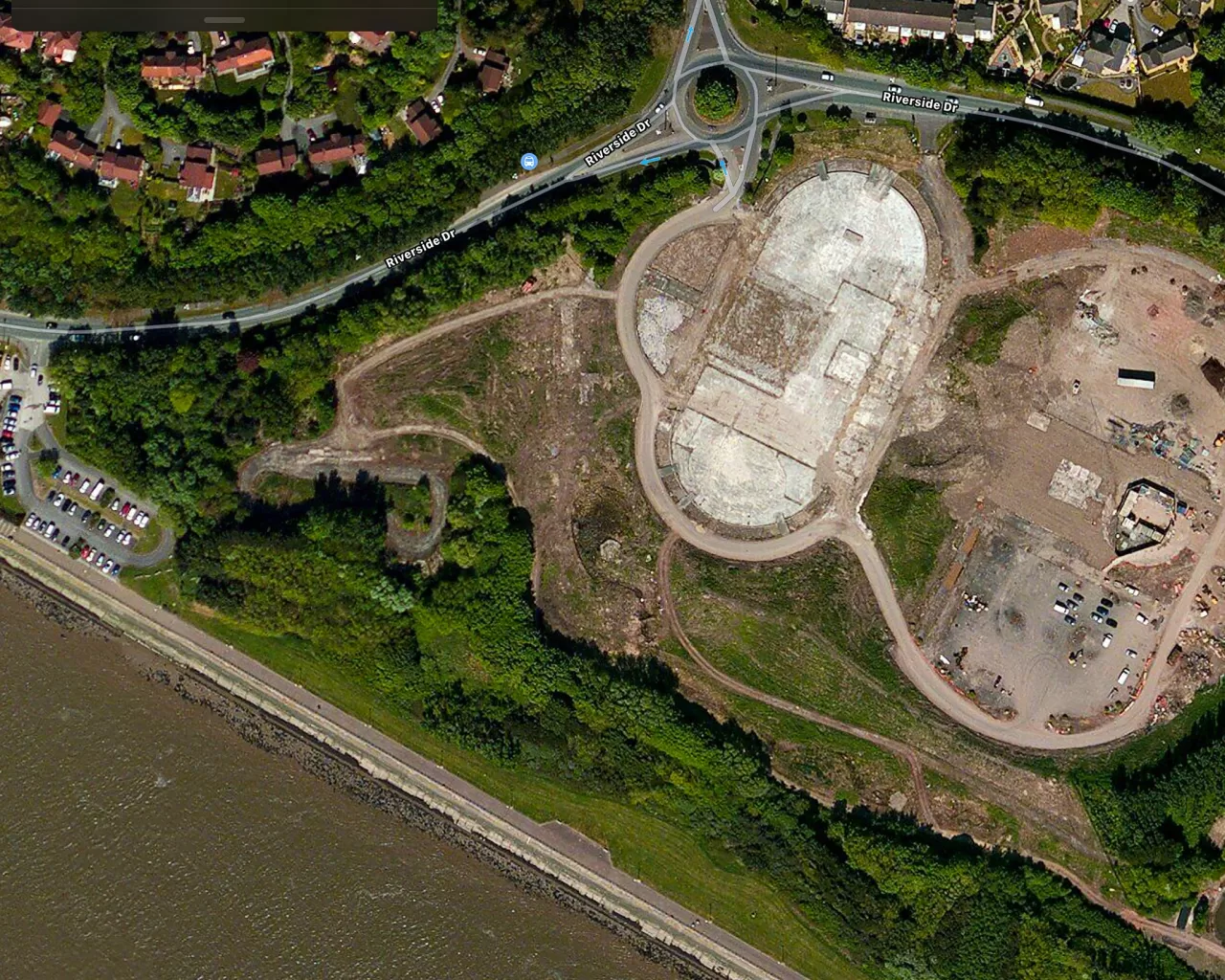
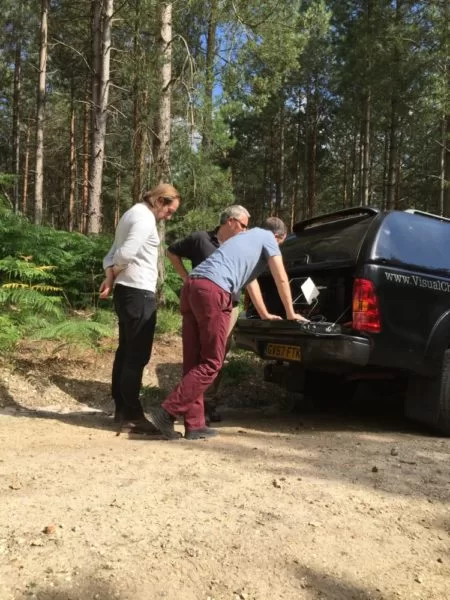
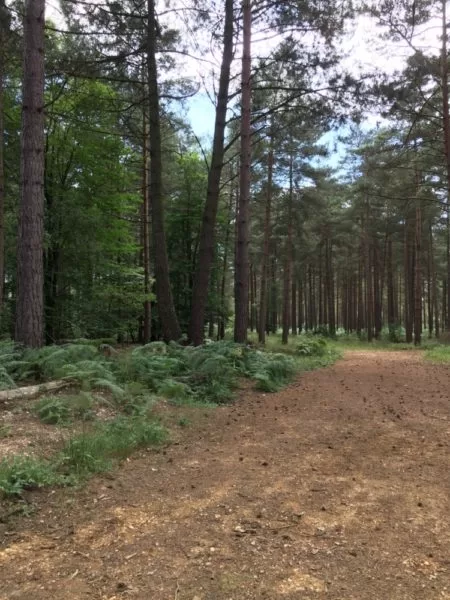
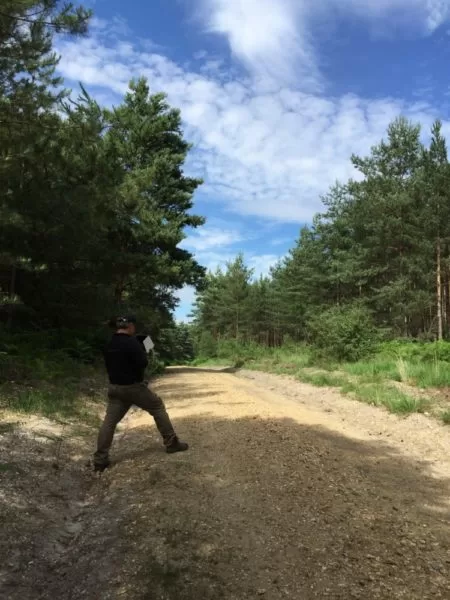
We were to film in Yateley Heath Woods alongside the documentary crew, which is where Milly’s body was finally discovered six months after her disappearance. It was an undeniably beautiful woodlands although it has now of course been laced with sadness. We took time to capture the environment sensitively both through some of the woodlands and from an aerial perspective to contribute to that part of the her story.
It was a very a very difficult day for all of us…..
RIP …Milly Dowler
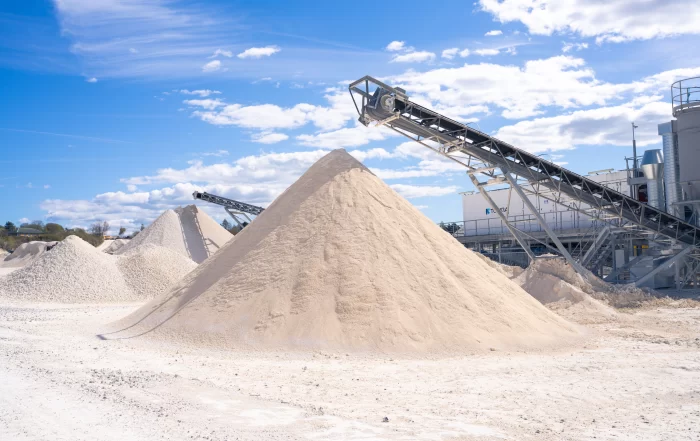
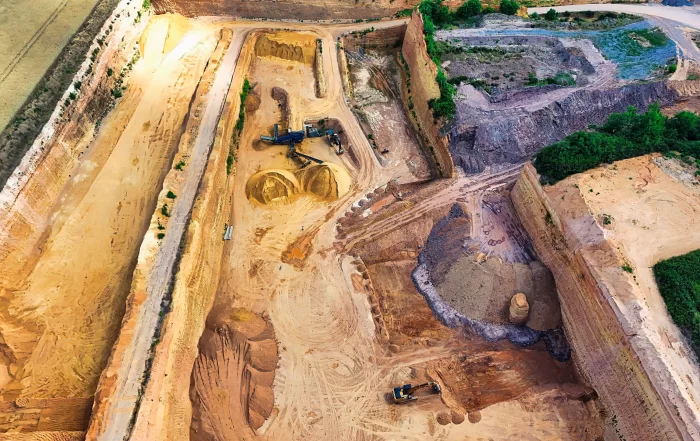
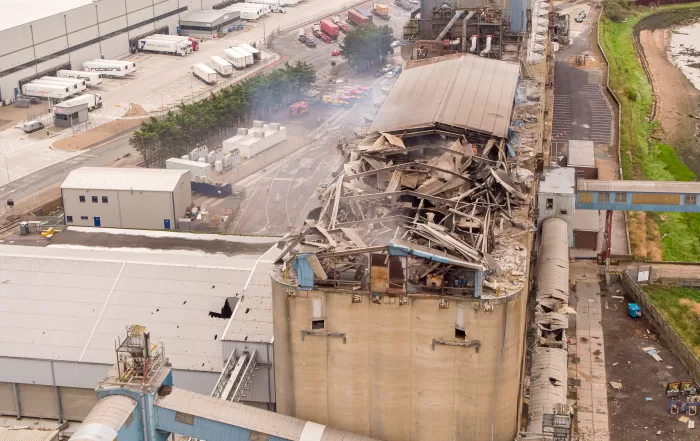
Standoff Distance in Aerial Inspection: Optical Reach Versus Getting Close
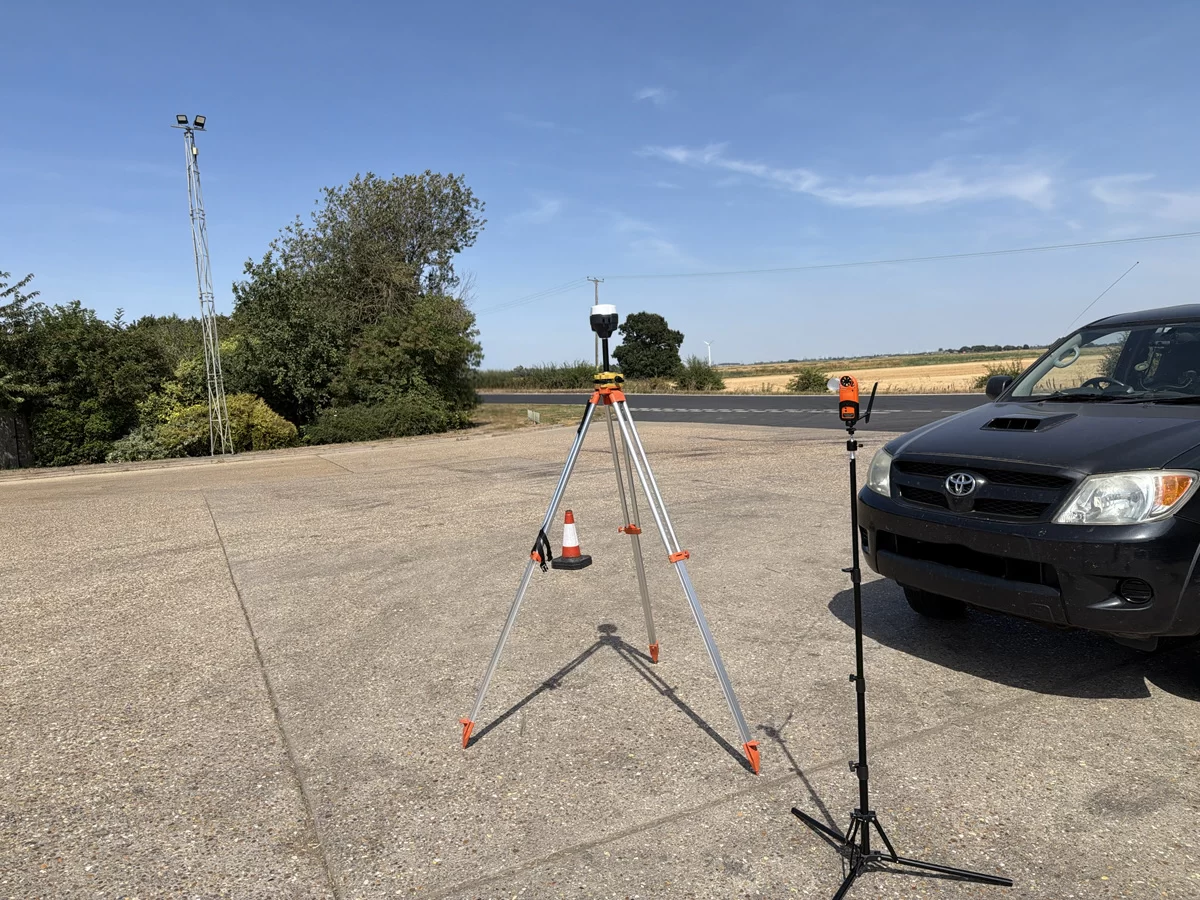
The instinct on an inspection is to move in close. On most sites that is the least useful thing the pilot can do, because proximity puts the platform among the hazards and changes the surface being measured. Standoff inverts the trade, letting the optics close the gap instead. This piece sets out what standoff buys on a working site, what actually governs the working distance, and where the limits sit, including why a thermal measurement is never a zoomed view.
Why Wet Roof Insulation Shows Up on a Thermal Image
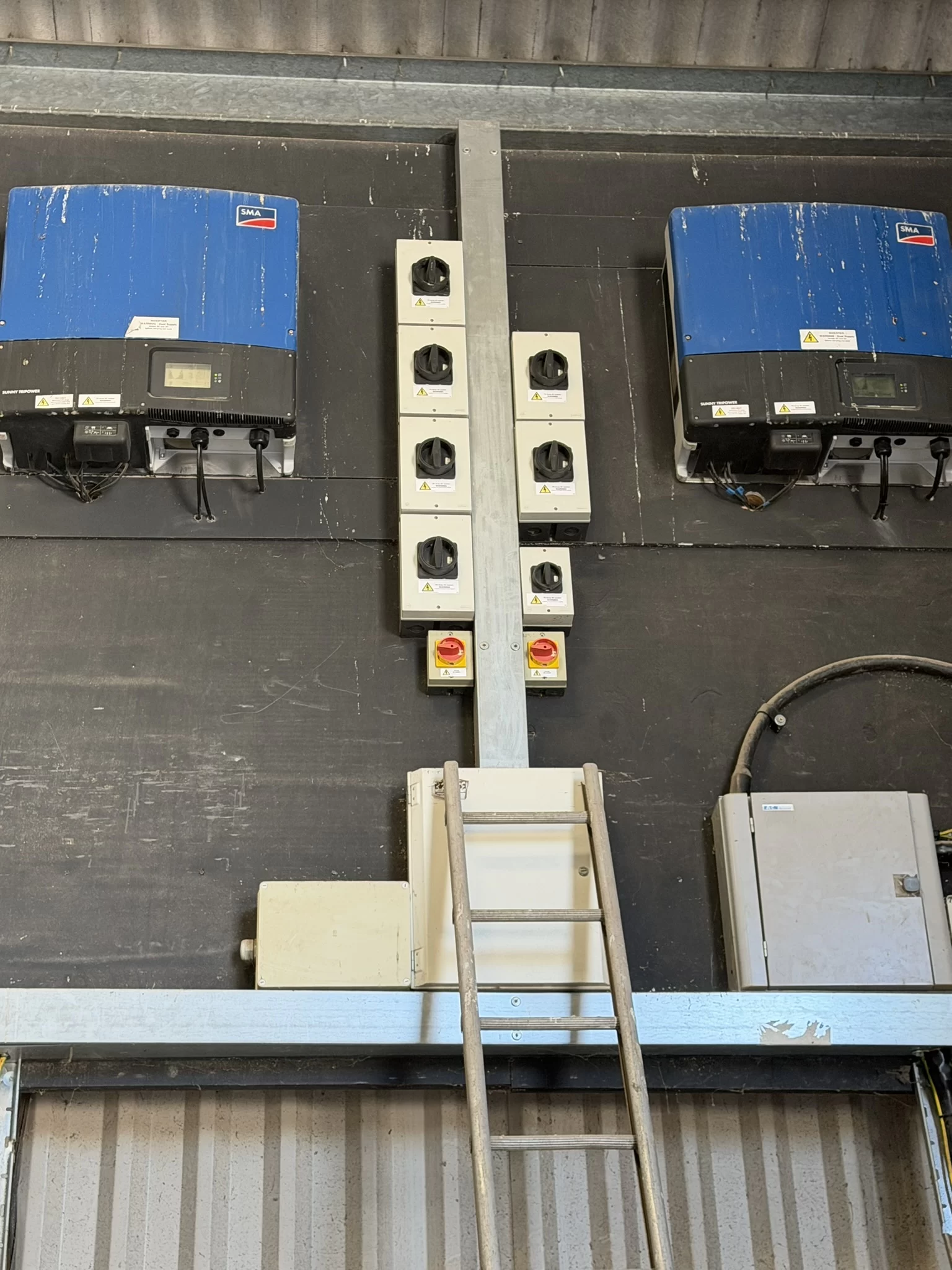
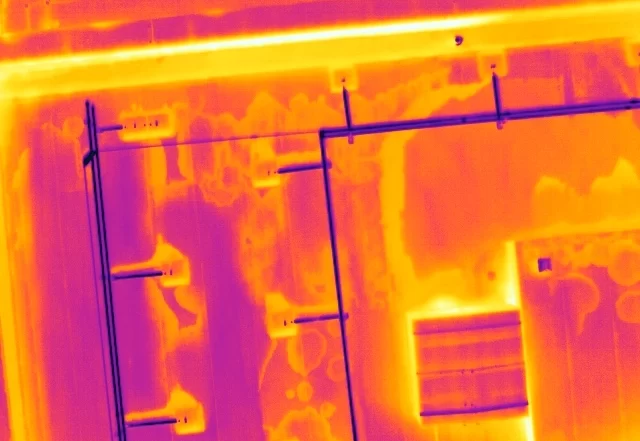
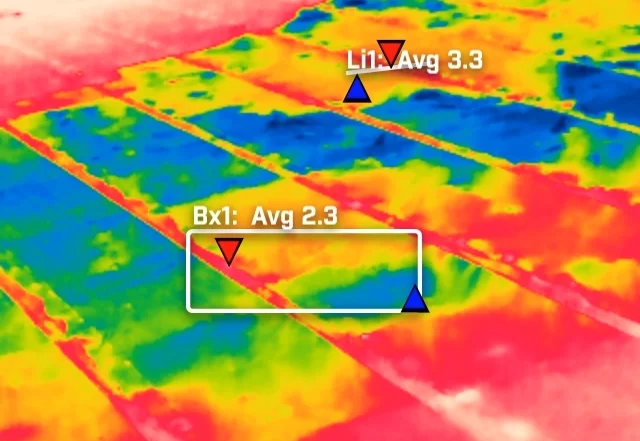
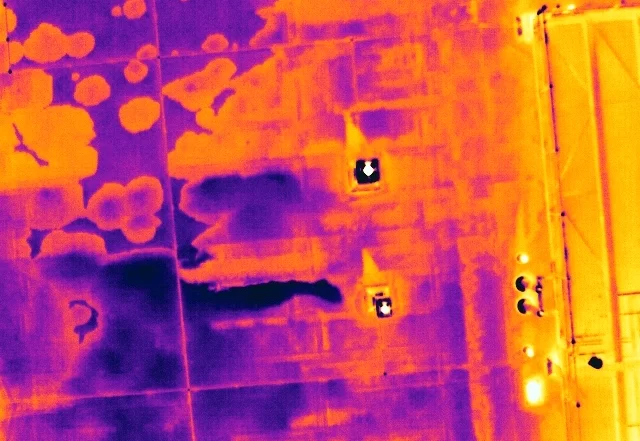
A flat roof is a layered build-up, and only the membrane is designed to keep water out. Once water gets past it, the insulation holds it, and wet insulation gives up its heat far more slowly than dry insulation does. That difference in cooling rate is what a thermal survey records. Because water tracks sideways once it is inside the build-up, the leak, the wet area and the stain below are rarely in the same place.


A Thermal Image Is Not a Measurement: What Turns a Picture Into Evidence
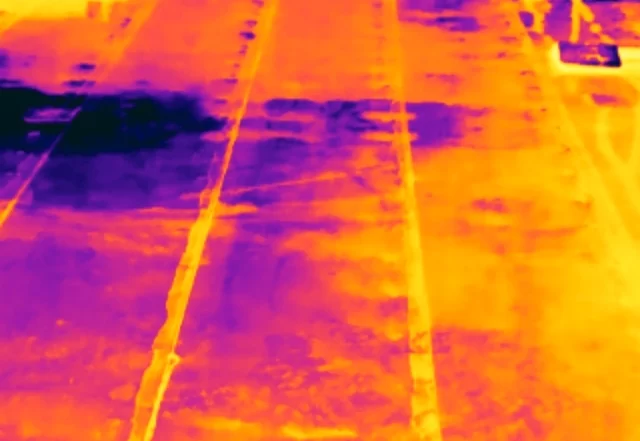
A thermal camera renders apparent temperature. Turning that into a defensible figure needs the surface emissivity, the reflected apparent temperature of the surroundings and the atmospheric path between camera and target, all set correctly at capture and none of them recoverable afterwards. This piece explains why a false-colour palette is a presentation choice rather than data, how automatic scaling can make a trivial difference look alarming, and why a comparison inside one image is sturdier than either reading alone.