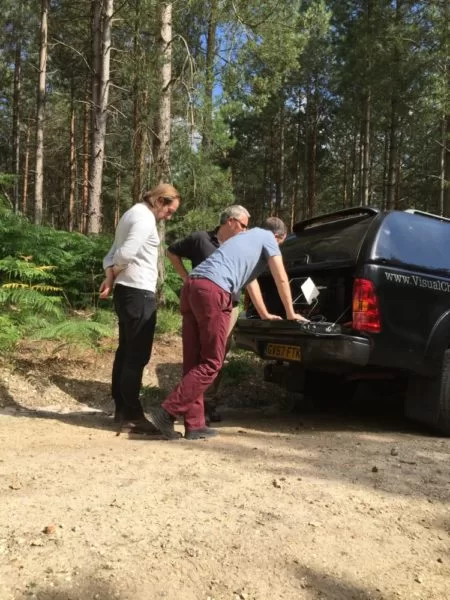
We were honoured to be asked to work with the BBC’s One Show team to assist in putting together an exclusive piece to accompany their interview with Gemma Dowler. Gemma has just written a book, My Sister Milly, speaking about her life and the trauma that her, and her family, went through when her sister was abducted and since.
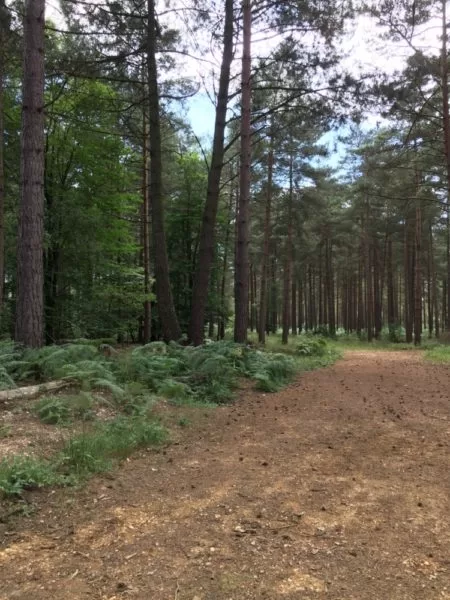
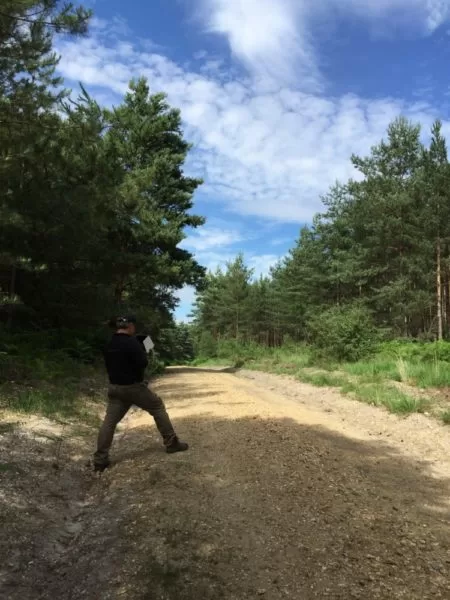
We were to film in Yateley Heath Woods alongside the documentary crew, which is where Milly’s body was finally discovered six months after her disappearance. It was an undeniably beautiful woodlands although it has now of course been laced with sadness. We took time to capture the environment sensitively both through some of the woodlands and from an aerial perspective to contribute to that part of the her story.
It was a very a very difficult day for all of us…..
RIP …Milly Dowler

What to Ask a Drone Operator Before You Hire One
Commissioning aerial photography, a roof inspection or a solar survey means buying the legal basis of the flight as well as the imagery. UK drone regulation changed completely in 2020, and the old shorthand no longer describes anything real. This is a plain guide to the four documents a professional operator should be able to produce on request, what each one actually permits, and the site-specific paperwork a properly run job generates before anybody takes off.
When a Solar PV Thermographic Survey Can Actually Be Flown
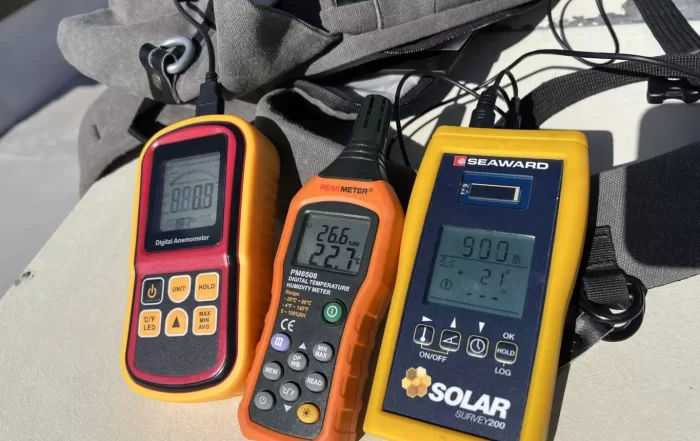
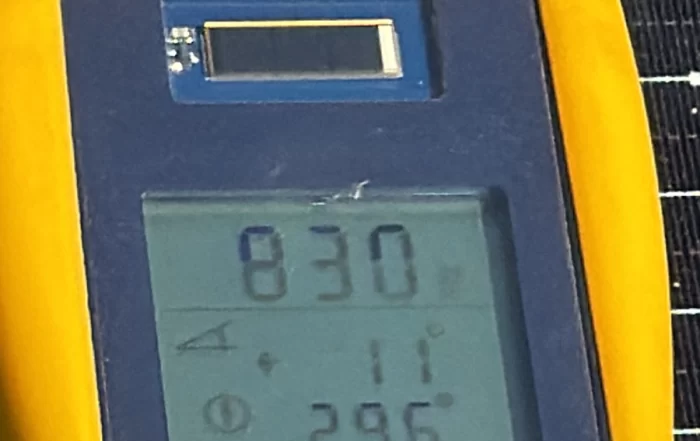
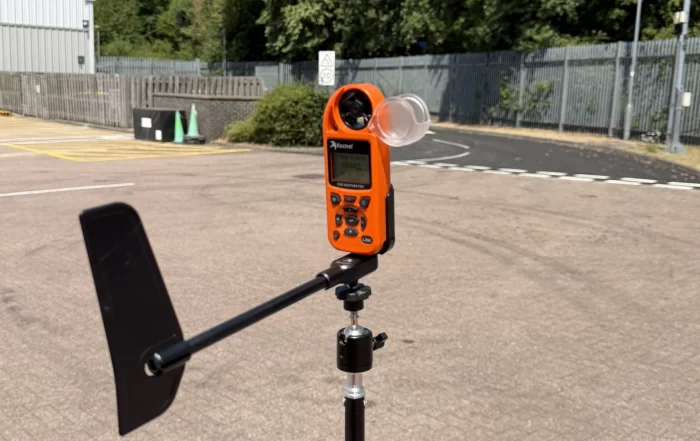
A solar thermographic survey only produces usable evidence when the array is generating properly. IEC TS 62446-3:2017 sets the minimum at 600 W/m² in the plane of the array, and sun elevation, sky stability, wind, wet panels and a curtailed array will each close the window on their own. This post explains why those conditions decide the data, and why a survey flown outside them tends to return a false all-clear rather than an honest result.
Hot Spot, Bypass Diode or PID: Reading Solar Panel Thermal Signatures
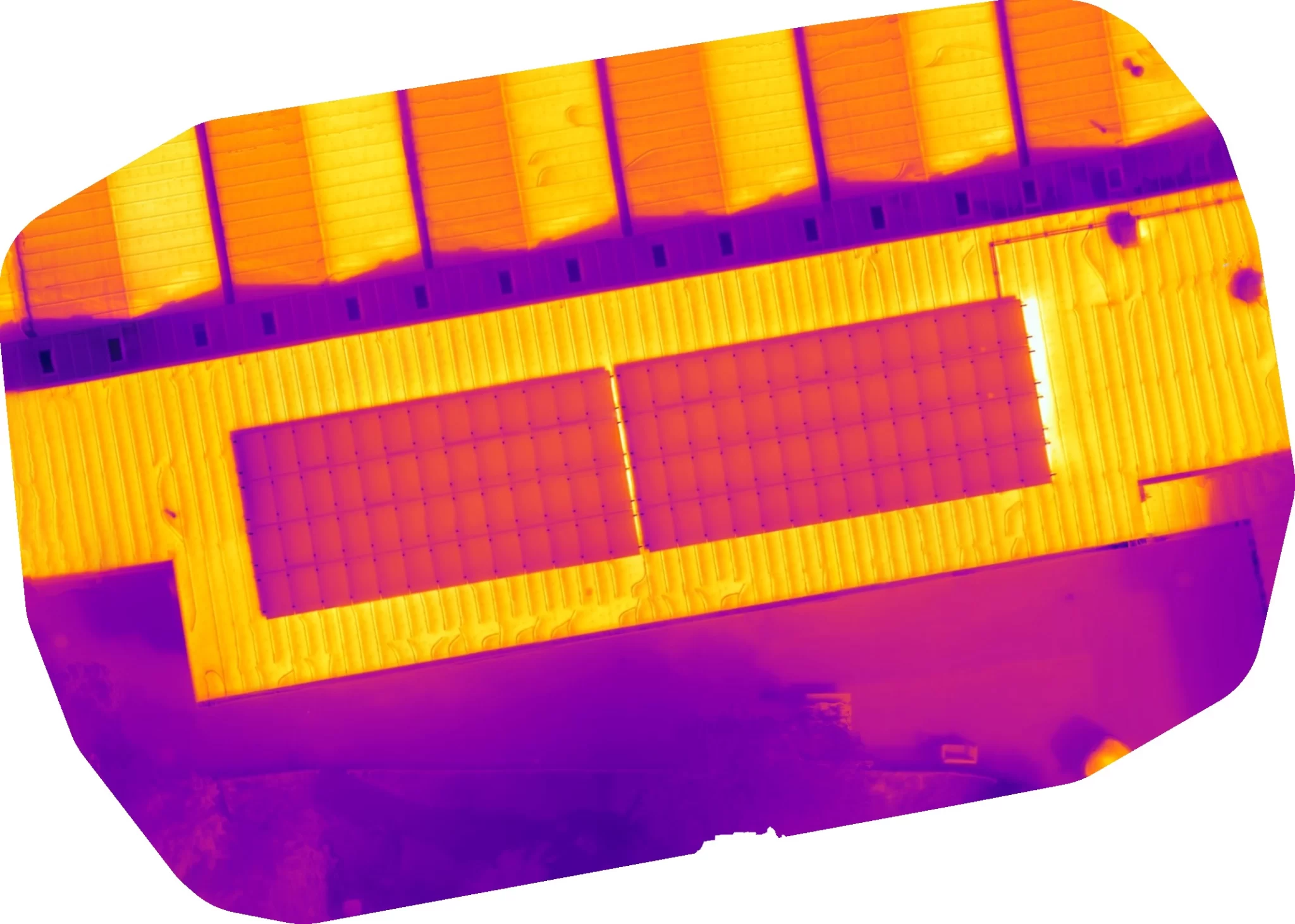
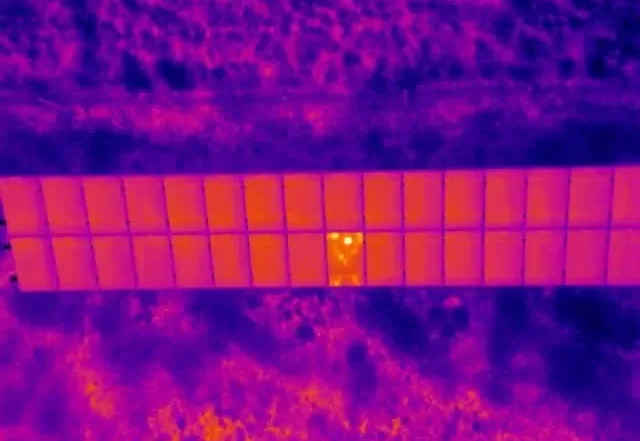
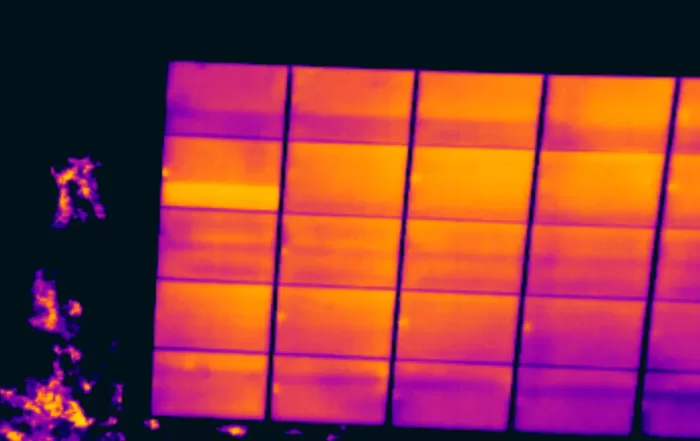
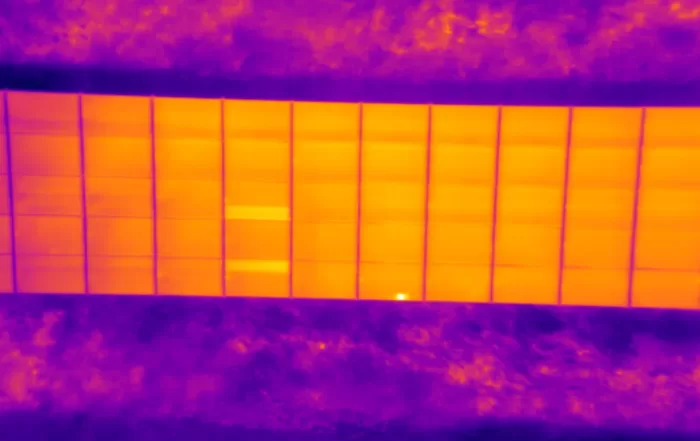
A thermal image of a photovoltaic array records surface temperature, and surface temperature is a symptom rather than a diagnosis. This post sets out how the signatures are actually read on an operating array: what a single hot cell suggests, why a uniformly warm third of a module points somewhere entirely different, how potential-induced degradation gives itself away by geometry, and why severity under IEC 62446-3:2017 is framed with caution rather than asserted from one temperature figure.