Blog Content TL;DR...
Preparing for Spring & Summer: The Importance of Solar Panel Thermal Inspections
As we move into the brighter months of spring and summer, ensuring your solar panels are operating efficiently is essential. Whether installed on a commercial roof or a domestic property, solar PV systems require routine maintenance and inspections to comply with industry standards, prevent performance losses, and maintain insurance compliance. One crucial aspect of this is adhering to IEC62446-3:2017, the internationally recognised standard for thermographic inspections of photovoltaic (PV) systems.
Thermal imaging surveys can detect faults such as hot spots, defective bypass diodes, and potential fire risks before they become major problems. Investing in a professional solar inspection now can save significant costs in the long run and help maximise energy output during the sunniest months of the year.
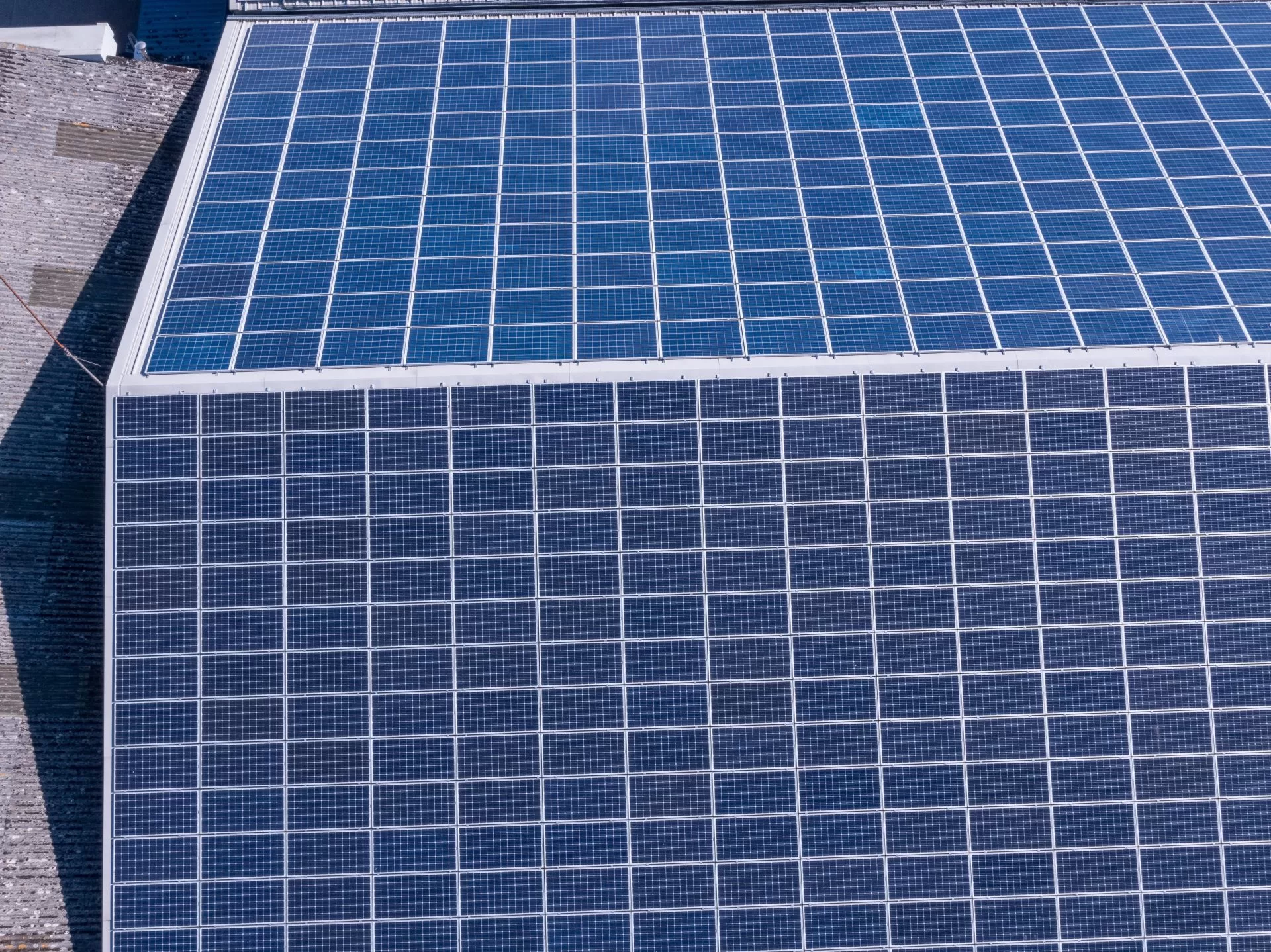
Commercial Roof Solar Panel Inspections
Commercial Roof Solar Panel Inspections
For businesses with solar PV installations, compliance with IEC62446-3:2017 is not just a best practice—it’s a critical requirement for system efficiency, safety, and warranty validation. Regular thermographic inspections provide a non-invasive, fast, and accurate method for identifying underlying issues without disrupting operations.
Key reasons why commercial properties should prioritise solar panel inspections this season:
- Regulatory Compliance – IEC62446-3:2017 outlines the necessary steps for safe and effective thermal imaging assessments of PV systems. Ensuring compliance helps businesses meet industry and insurance requirements.
- Financial Protection – Undetected faults reduce efficiency, leading to lost revenue from decreased energy output. Inspections identify problems early, minimising expensive repairs or downtime.
- Insurance Compliance – Many insurers now require proof of regular inspections and maintenance. A thermographic survey provides the necessary documentation to support claims and ensure coverage remains valid.
- Performance Optimisation – Dirty, damaged, or faulty panels reduce a system’s effectiveness. A professional inspection ensures your PV system is operating at peak performance for maximum ROI.
By acting before the summer peak, businesses can maximise energy generation and ensure their investment is protected.
Domestic Home Solar Panel Inspections
Homeowners with solar panels often assume their system is working efficiently unless a major fault occurs. However, unseen issues such as micro-cracks, faulty wiring, or degradation can reduce energy output and, in some cases, pose safety risks. A thermal imaging inspection offers a proactive approach to maintaining efficiency and safety while complying with IEC62446-3:2017.
Key reasons to book a domestic solar panel inspection now:
- Optimise Performance & Savings – A system operating below capacity results in higher electricity bills and lower savings. Detecting and resolving issues early ensures your panels generate the maximum possible energy.
- Identify Fire & Safety Risks – Faulty electrical connections or hot spots in panels can lead to serious safety concerns. A thermographic survey helps to detect these issues before they escalate.
- Insurance & Warranty Protection – Many solar panel manufacturers and insurance providers require documented maintenance and inspections to validate warranties and coverage.
- Prepare for Summer – With longer daylight hours ahead, ensuring your system is in peak condition guarantees you’ll make the most of the high solar yield months.
For homeowners, an inspection provides peace of mind, ensuring their solar investment continues to deliver clean, renewable energy safely and efficiently.
Ensure Compliance & Maximise Efficiency – Book a Solar Inspection Today!
Spring and summer are the most productive seasons for solar energy generation. Don’t wait until a problem arises—ensure your system is compliant with IEC62446-3:2017, optimised for peak performance, and protected by insurance. Our professional thermal imaging inspections provide the necessary documentation to support warranty claims, reduce energy losses, and identify hidden faults before they impact efficiency.
IEC62446-3:2017 Solar Inspection Services
Contact us today to schedule your solar panel inspection and get ready for the sunniest months ahead!
related posts
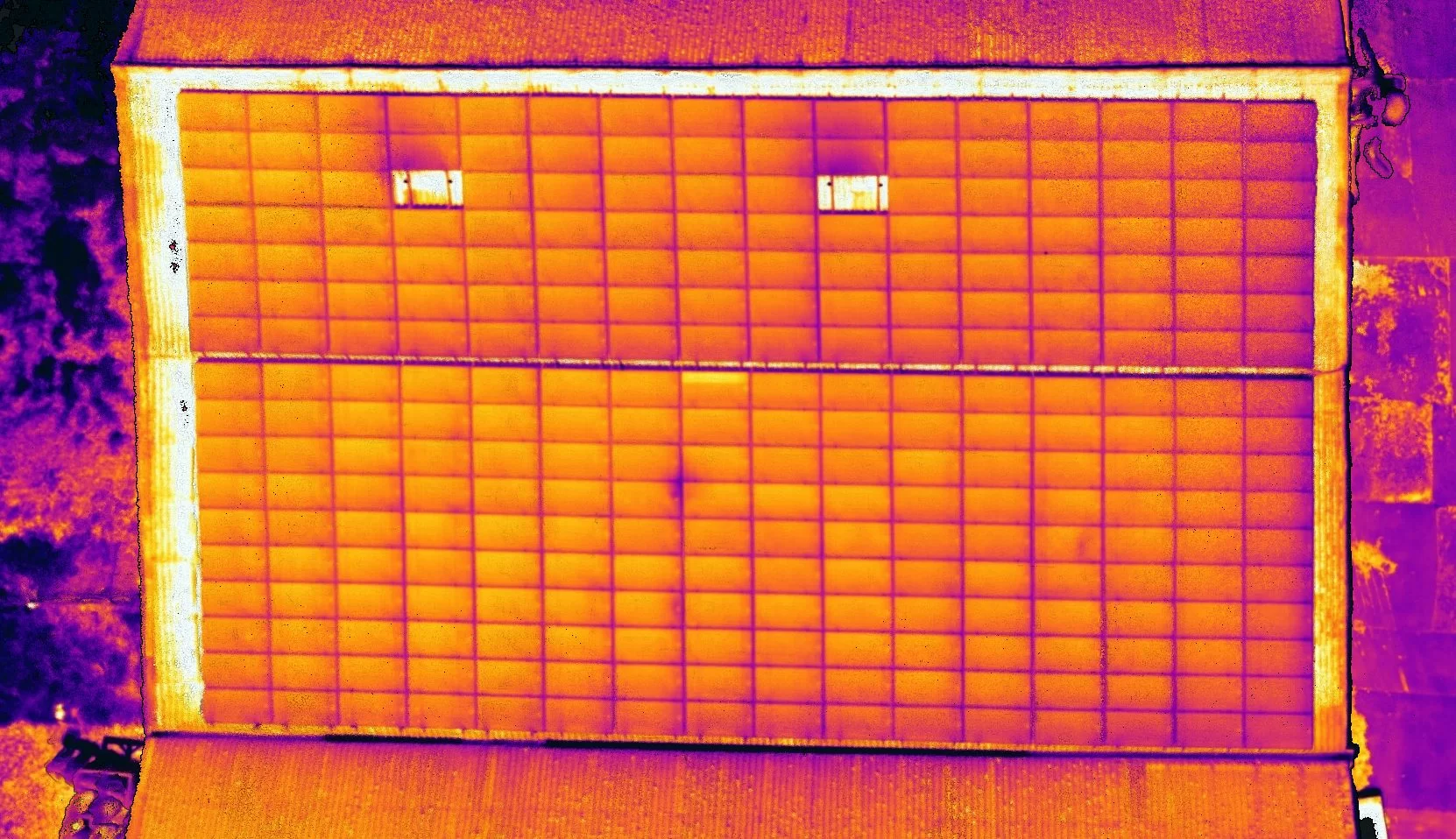
An aerial thermal survey records a temperature difference, and that difference has to exist when the image is taken. Conditions are therefore not a preference but a precondition, and different assets want opposite weather: a photovoltaic array needs bright, stable sun, a building envelope needs a cold night after dark. This piece sets out what the standards ask for, why each figure exists, and what booking against a window rather than a date means in practice.
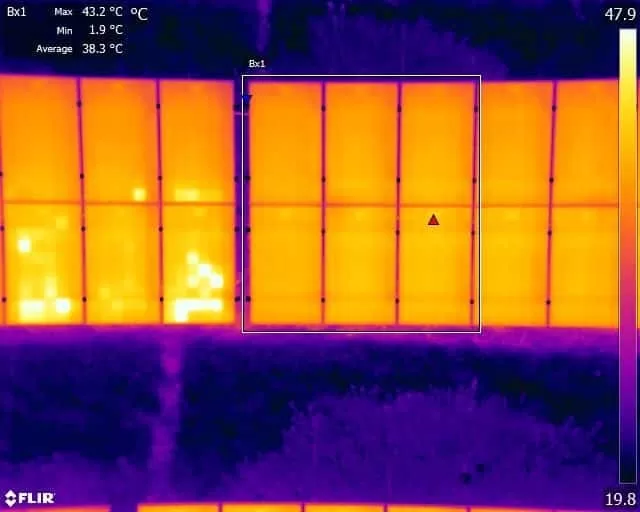
PID (Potential Induced Degradation) is a common phenomenon that affects the performance and lifespan of solar panels. It occurs when the voltage potential between the solar cells and the frame of the panel creates a current flow, causing the cells to degrade over time. Understanding PID and taking steps to prevent it is critical for maximizing the efficiency and longevity of your solar panels.

Roof inspection by drone is a crowded service, and most of it is genuinely the same. What varies is whether the photographs answer the question that prompted the enquiry. This post looks past the flying at the images themselves: why distance, angle and light decide what a frame resolves, how a detail shot becomes evidence when a wider frame places it on the building, and the things no photograph of a roof will ever tell you.