Blog Content TL;DR...
Potential Induced Degradation
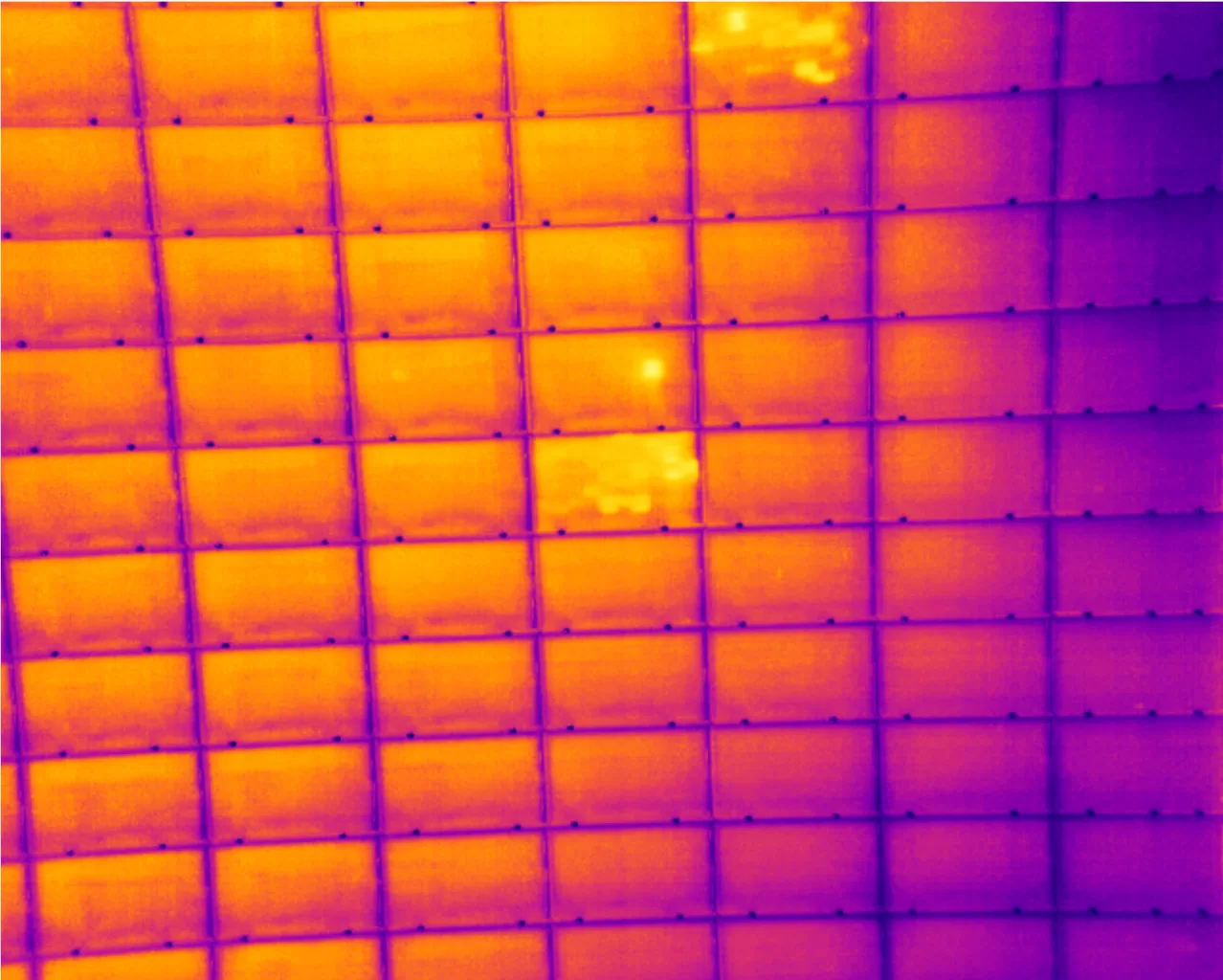
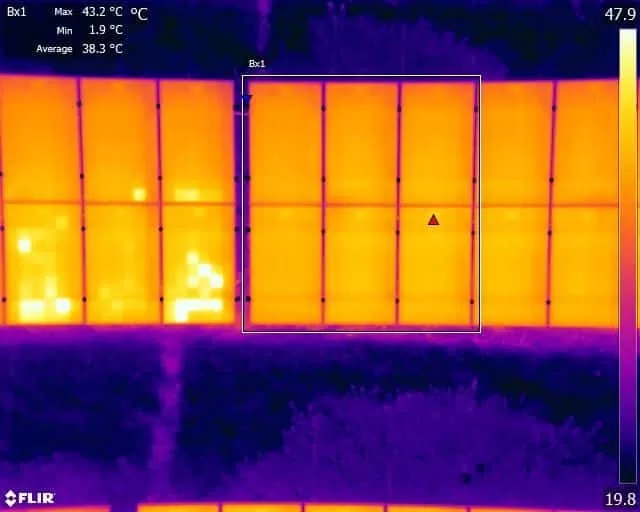
PID Fault in Solar Panels
PID (Potential induced degradation) fault is a common issue that occurs in solar panels. PID can lead to significant power losses in solar panels, and if left unaddressed, it can cause long-term damage to the panels. Understanding the causes and solutions for PID fault can help solar panel owners to prevent this issue and maintain the performance of their panels.
Causes and Solutions for PID Fault in Solar Panels
Causes of PID Fault in Solar Panels
PID fault occurs when a voltage potential between the solar cells and the ground develops, resulting in the flow of an electric current. This current can cause the buildup of negative charges on the surface of the solar cells, leading to a reduction in the efficiency of the panels. The most common causes of PID fault include high humidity and temperature, a high concentration of salt, and the use of low-quality materials during installation.
Solutions for PID Fault in Solar Panels
There are several ways to prevent or mitigate PID fault in solar panels. One of the most effective solutions is the installation of an anti-PID system. This system works by connecting the solar panels to a ground wire, which helps to dissipate any voltage potential that may develop. Another solution is the use of high-quality materials during installation, such as cables and connectors that are resistant to humidity and salt.
It is also important to monitor the performance of solar panels regularly to identify any signs of PID fault. If you notice any reduction in the efficiency of your solar panels or any other unusual behavior, it is important to contact a qualified technician for inspection and repair.
PID fault is a serious issue that can impact the performance and lifespan of solar panels. Understanding the causes and solutions for PID fault can help solar panel owners to prevent this issue and maintain the efficiency of their panels. By taking proactive measures such as the installation of an anti-PID system and regular monitoring, solar panel owners can ensure that their panels provide reliable and sustainable energy for many years to come.
IEC Solar Inspection Services
We are certified thermographers, experienced in solar panel inspection to IEC standards. We can complete both the structured and compliant data capture through to the formal inspection report.
As approved drone pilots we work throughout the UK to provide both aerial and ground based thermography services. Fully insured and certified by the CAA with enhanced permissions for day and night time flights
related posts

Engaging a Level 3 Master Thermographer delivers precision, regulatory confidence and tailored solutions that generic inspections cannot match. From interpreting subtle thermal anomalies to producing professionally verified reports, a Level 3 expert ensures your thermal imaging supports maintenance decisions, compliance and cost savings. This advanced level of thermographic expertise benefits sectors such as construction, energy and manufacturing by reducing risk, avoiding costly failures and aligning with standards like ISO 18436 and BS EN 13187. Trust certified mastery for reliable diagnostics and actionable insights.

Drone Media Imaging invests in new cuttin-edge photobrapmmetry survey and inspection equipment with the new DJI M300RTK and P1 Suvery Grade Camera
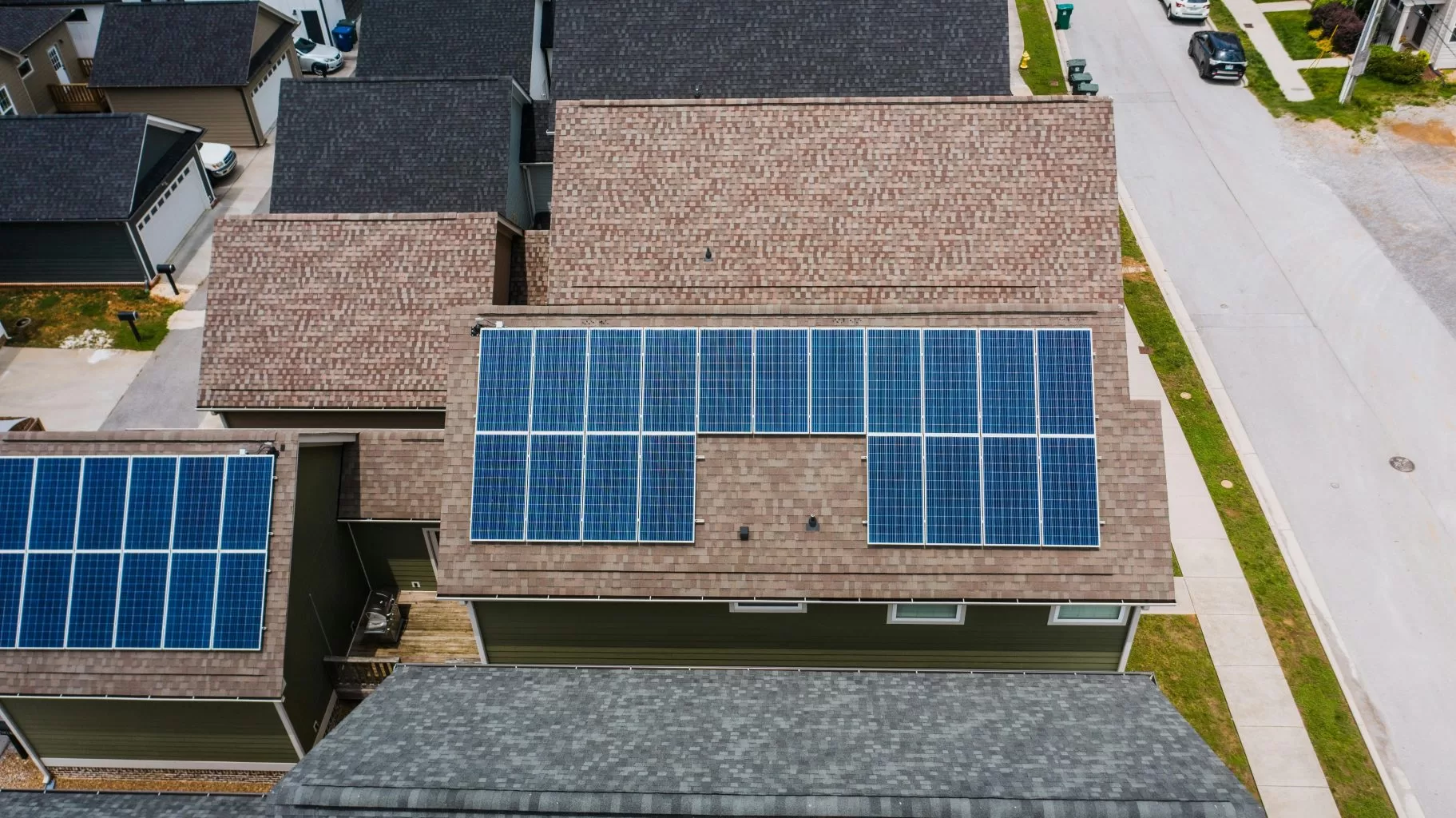
A domestic solar array has no moving parts, makes no noise and sits out of sight, so nothing about a developing fault announces itself. The generation figure an owner can see is one number for the whole system, and a genuine loss can sit inside the ordinary variation of British weather. Drone Media Imaging looks at what those figures do and do not tell you, and why periodic thermographic survey examines the array itself rather than its aggregate output.