Jake Tyler Black Dog Walks
Walking and running the whole of the Great Britain to raise awareness of Mental Health.
We had the opportunity to meet a remarkable young man, Jake Tyler, whole lives with depression and anxiety. He decided to take back control of his health by looking at the beauty of nature that surrounds him. One day he took off on a walk and didn’t stop until he had walked and run the length of the country. The BBC One Show caught up with him to tell his story and we were delighted to provide the aerial video.
Connect and follow Jake on his facebook page: https://www.facebook.com/jaketylerbdw/
#JakeTyler #Blackdogwalks #BBCOneShow @blackdogwalks #brighton #southdowsway

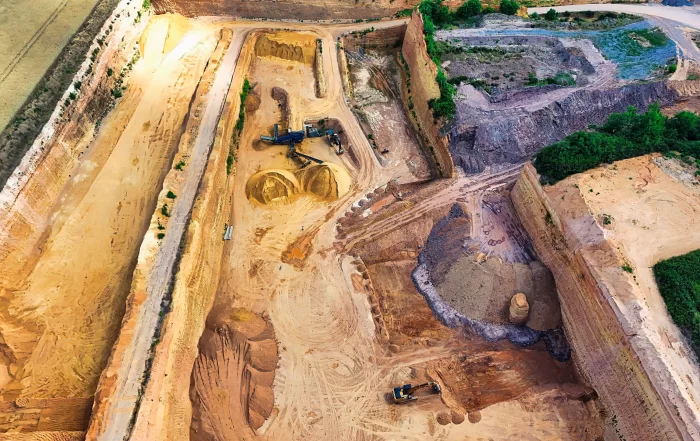
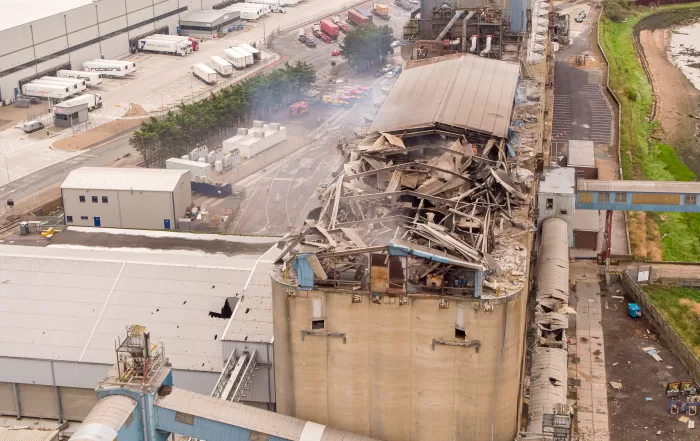
Standoff Distance in Aerial Inspection: Optical Reach Versus Getting Close
The instinct on an inspection is to move in close. On most sites that is the least useful thing the pilot can do, because proximity puts the platform among the hazards and changes the surface being measured. Standoff inverts the trade, letting the optics close the gap instead. This piece sets out what standoff buys on a working site, what actually governs the working distance, and where the limits sit, including why a thermal measurement is never a zoomed view.
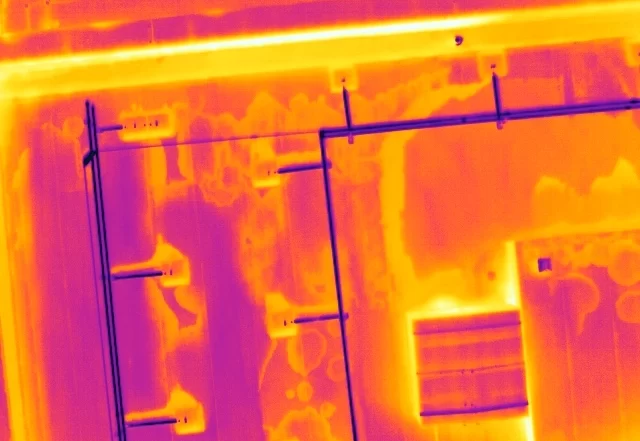
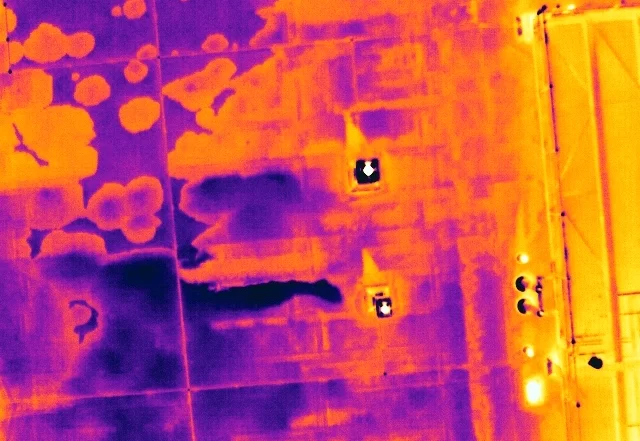
Why Wet Roof Insulation Shows Up on a Thermal Image
A flat roof is a layered build-up, and only the membrane is designed to keep water out. Once water gets past it, the insulation holds it, and wet insulation gives up its heat far more slowly than dry insulation does. That difference in cooling rate is what a thermal survey records. Because water tracks sideways once it is inside the build-up, the leak, the wet area and the stain below are rarely in the same place.
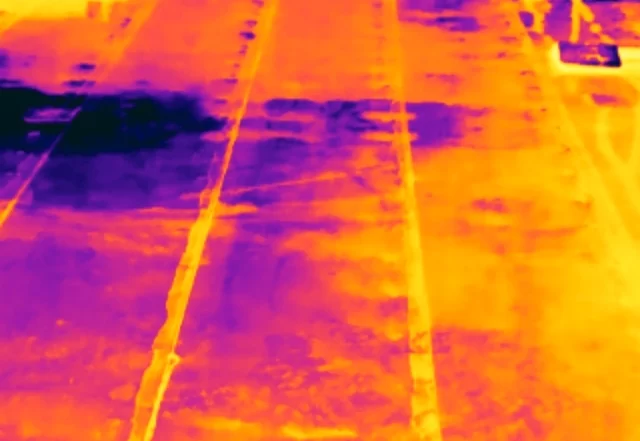


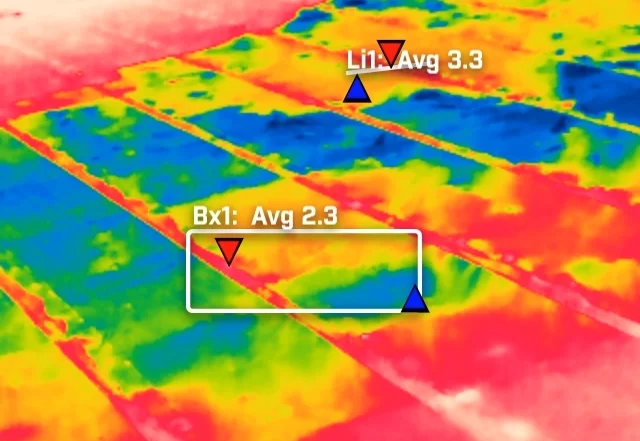
A Thermal Image Is Not a Measurement: What Turns a Picture Into Evidence
A thermal camera renders apparent temperature. Turning that into a defensible figure needs the surface emissivity, the reflected apparent temperature of the surroundings and the atmospheric path between camera and target, all set correctly at capture and none of them recoverable afterwards. This piece explains why a false-colour palette is a presentation choice rather than data, how automatic scaling can make a trivial difference look alarming, and why a comparison inside one image is sturdier than either reading alone.