BBC One Show filming of the Marble Racing at Merthyr Mawr, Sand Dunes, Bridgend, Wales, with One Show science presenter Marty Jopson
It was a baking hot day so ideal for spending on the beach along with all the other folk that were involved in the production of this fun piece regarding the construction of a sand marble rally course. Plenty of our drone footage was included and we feel it was perfect for sharing the scale of this project with the viewer – an aerial perspective shows off the size of the course brilliantly in a way that a ground perspective wouldn’t have been able to do.
Always lovely to see your work on the television, especially when it is part of one of the BBC’s flagship shows – the One Show. This was such a fun project to be a part of and I really enjoy the variety that working alongside the team provides in terms of cinematography.


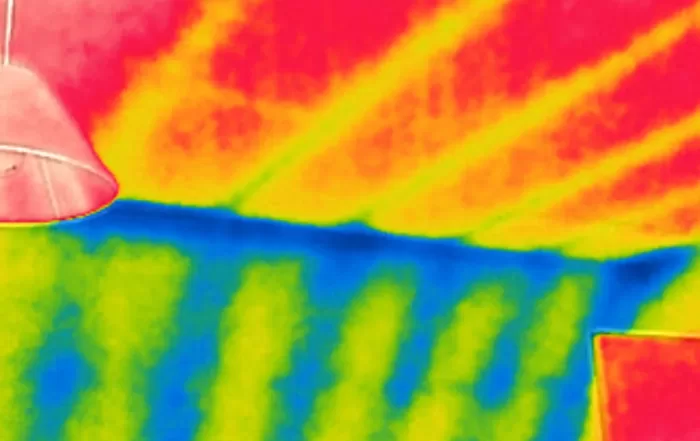

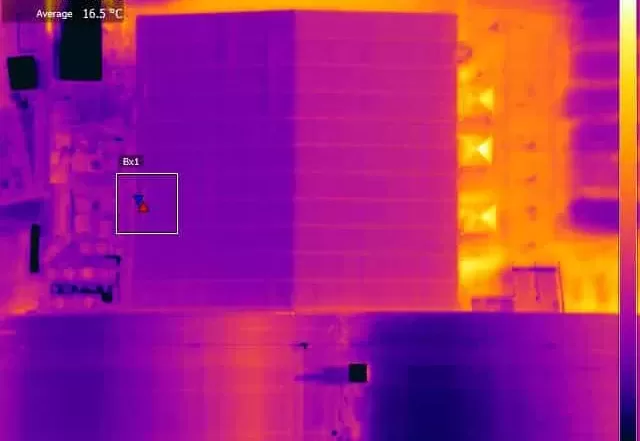
Reading Roof Insulation From the Air: Tiles, Loft and a Cold Sky
On most pitched roofs a ventilated loft sits between the tiles and the insulation, so an aerial thermal image of the roof is an indirect view of what lies beneath. This piece explains how cold and warm roofs read differently from the air, why the cold night sky is reflected by and draws heat from every roof surface, and which checks turn a warm patch on a roof into a finding worth investigating further inside the loft.


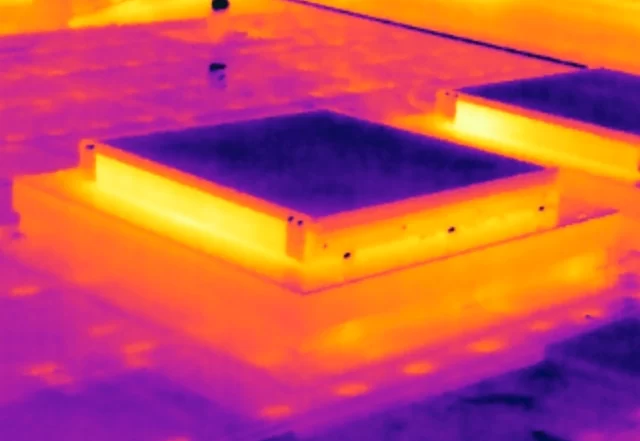
Before and After: Can a Thermal Survey Show That a Retrofit Worked?
A retrofit is usually justified before it starts and assumed after it finishes. A matched pair of thermal surveys, one before the work and one after, can show whether the building envelope behaves differently, but only if the two are genuinely comparable. This post covers why the baseline has to come first, what has to match between the two surveys, and what the pair can and cannot honestly claim.

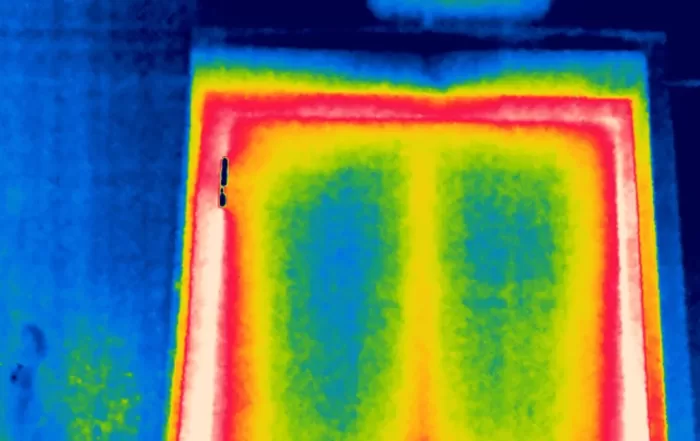

Thermal Bridging in Commercial and Industrial Buildings
On a steel framed, clad commercial building, thermal bridging rarely appears as a single fault. It shows as a regular pattern that follows the fixings, panel joints, rooflights and the base of the wall. This article explains why that repeat is the baseline rather than the finding, what a departure from it tends to look like, why heating across large buildings has to be understood first, and why bare metal needs careful handling on an aerial thermal survey.