Simplified and Detailed Thermographic Inspection of Rooftop Solar PV Explained
Most people who commission a thermal survey of a rooftop solar array are never asked which kind of inspection they want. They are offered a drone flight, a set of thermal images and a report, and the question of how far that report can be relied on is left unspoken. It matters more than it looks, because IEC TS 62446-3, the Technical Specification that governs outdoor thermography of photovoltaic plants, does not describe one inspection. It describes two.
A simplified inspection and a detailed inspection answer different questions. The first confirms that modules and connections are working and flags obvious problems by their thermal pattern. The second measures, normalises and classifies what it finds, and it is the level at which a finding about module condition can be written with confidence. Both are legitimate, and both sit within the same document, which is exactly why the difference is so easily lost somewhere between the quotation and the report.
This piece sets out what separates the two levels, where a drone flight sits between them, and how to decide which one a rooftop array needs before anybody books the aircraft. What the survey covers in full is set out on our IEC 62446-3 solar inspection page.
Blog Content TL;DR...
The two inspection levels in IEC TS 62446-3, and which one a rooftop solar array needs.
- A simplified inspection confirms the array is working, reading thermal patterns only, and cannot support firm conclusions about module quality.
- A detailed inspection measures and classifies, with absolute temperatures normalised to the conditions and qualified analysis behind every finding.
- A fast whole-roof drone sweep counts as simplified. A flight planned to the standard’s resolution and viewing angle can carry a detailed analysis.
- Agree the level in writing before the flight, and match it to the reason the survey is being done.
The inspection level is a scope decision, and it belongs in the quotation rather than the small print of the report.
Two Inspections Under One Standard
The Technical Specification separates a check that the array works from an analysis of what is wrong with it
The simplified inspection
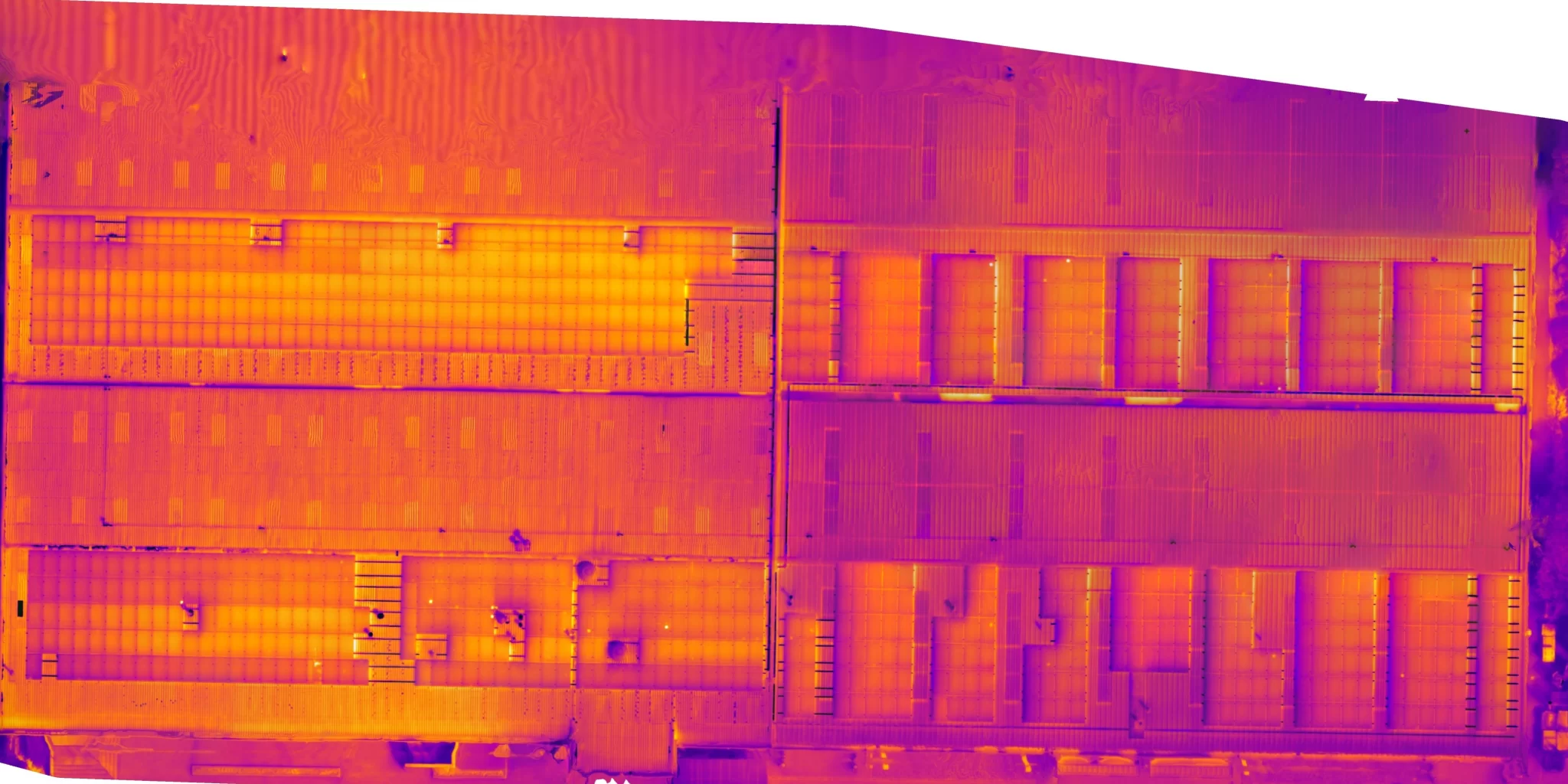
The standard describes the simplified inspection as a limited one, intended to verify that modules and balance-of-system components are functioning, with reduced requirements for the qualification of the people carrying it out. Its typical use is commissioning, where the question is whether a new array has come up working. Abnormalities are identified by comparing thermal patterns against the examples the document provides, and no absolute temperatures are determined. The standard is explicit that authoritative conclusions about module quality are not possible at this level.
The detailed inspection
The detailed inspection goes further in every direction. Absolute temperatures and temperature differences are measured from radiometric images, corrected for the irradiance and load at the time, and each abnormality is classified. Patterns that do not match the published examples can still be interpreted, because the analysis rests on measurement and an understanding of the physics rather than on recognition alone. The standard ties this level to periodic inspection and to trouble-shooting an underperforming system, and it asks for personnel with advanced thermographic qualifications.
Why the distinction gets lost
Both levels produce thermal images of the same array, often from the same aircraft, and to a client the two reports can look alike. The difference sits in what the report is entitled to conclude. A simplified survey that says a module is hot is reporting a pattern. A detailed survey that says the same thing has measured it, set it against the conditions and placed it in a class with a recommended follow-up. If the report is going to inform a warranty discussion, an insurer or a maintenance budget, that difference is the whole of its value.
simplified or detailed solar thermal inspection, what a drone solar survey can conclude, choosing a rooftop solar inspection levelsimplified or detailed solar thermal inspection, what a drone solar survey can conclude, choosing a rooftop solar inspection level
Where the Drone Flight Sits
What the standard says about aircraft
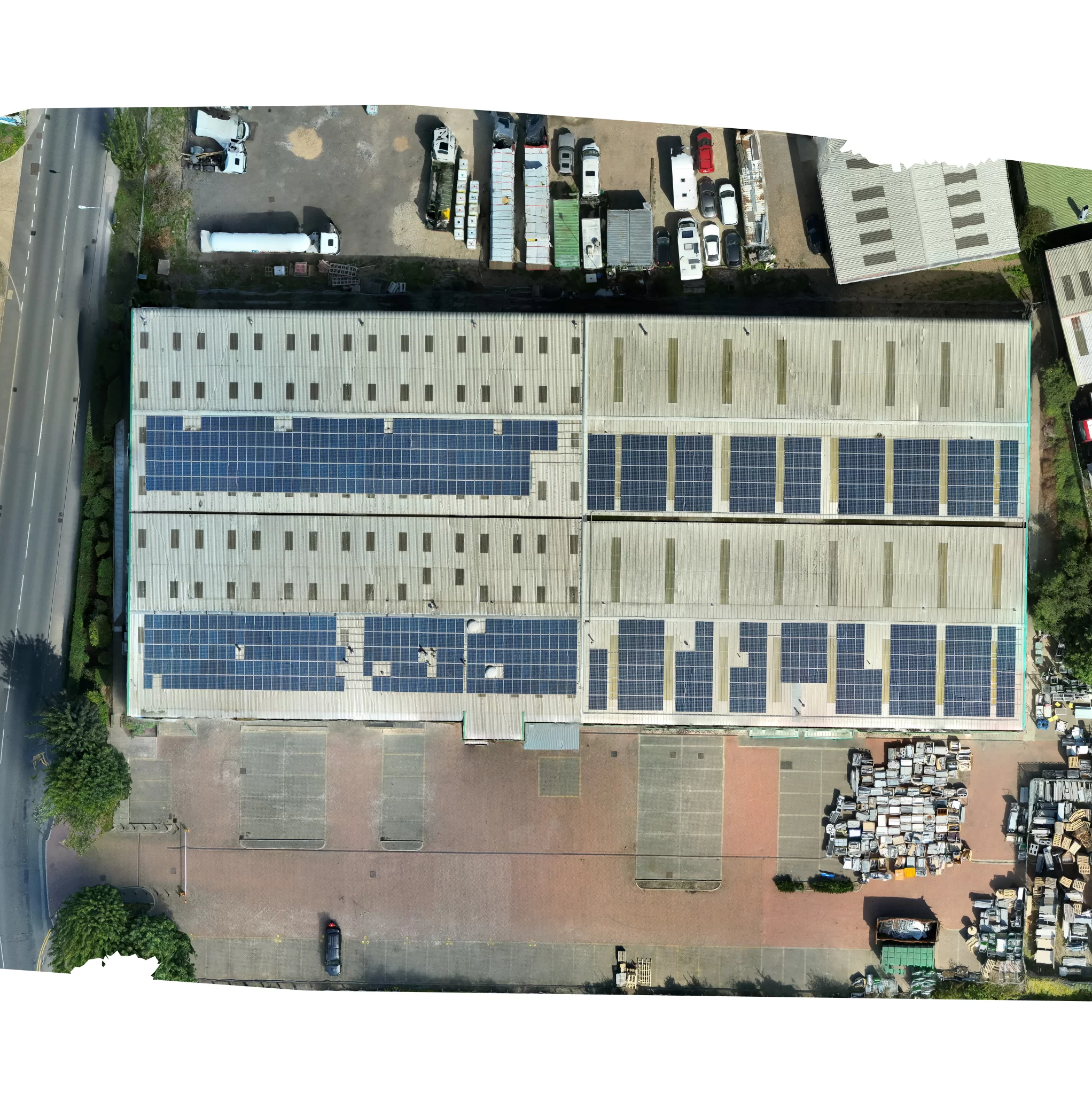
IEC TS 62446-3 recognises aerial drones as a fast way to find problem areas across a plant, and it is candid about their limits. A quick sweep of a whole array can lack the resolution to show fine detail or identify a specific failure mode, so the document classifies that kind of flight as a simplified inspection. Its own note describes the common approach: a simplified pass over the whole array to find modules or strings with noticeable problems, followed by a detailed inspection of those, with the thresholds for moving from one to the other agreed in the contract.
Resolution decides the level, not the aircraft
A drone is a camera position, and the camera position is what the standard regulates. The document sets a minimum number of pixels across each cell, a viewing angle as close to perpendicular as possible, and a camera speed slow enough to avoid smearing the image. Meet those, record the conditions, and the imagery can carry a detailed analysis. Fly higher and faster to cover the roof in minutes, and it cannot. That is why our flight plan records the inspection class alongside the height and angle of every pass, since the class decides how low and how slowly the aircraft has to fly.
What a rooftop adds
Rooftop arrays bring complications of their own. Plant rooms, flues, parapets and neighbouring buildings can all appear as reflections in module glass, and a handheld camera on the roof rarely reaches a steep enough angle to avoid them, a problem explored in why a rooftop array is surveyed from the air. The way the modules are mounted, parallel to the roof, tilted on frames or built into it, changes how much air moves behind them and so how warm a healthy module runs. The standard asks for the mounting to be recorded in the report and for every thermal image to be read in that context.
Choosing the Level Before the Flight
When a simplified inspection is enough
If the array is new, the installer has already tested it, and the question is simply whether everything came up working, a simplified inspection is a proportionate answer. It is quicker to fly and quicker to report, and it will show strings that are off, obviously hot modules and clear connection faults. What it will not do is support a firm statement about module condition.
When it has to be detailed
Periodic inspection of an operating array, a yield that has fallen short of forecast, a concern raised by an insurer or a warranty discussion with a manufacturer all call for the detailed level, because each of them needs a finding that can be defended. The standard recommends four years between periodic inspections, while leaving the actual interval to be agreed with the owner or operator.
Put it in writing
The standard requires the scope of a detailed inspection to be defined and agreed in writing before the work starts. We state the level in the quotation, the flight plan and the report, so nobody is left to infer it. On a roof the rear of the modules is usually out of reach, so where a pattern cannot be classified from the front, the report says so and names the further measurement needed. Findings are presented as areas warranting further investigation by a suitably qualified contractor. Who is competent to carry out the detailed level is a separate question, answered on do I need a Level 3 thermographer.
Purpose. Simplified confirms the array and its connections are functioning. Detailed measures, classifies and explains what is found, including patterns outside the published examples.
Imaging. Both need stable irradiance, low wind, limited cumulus cloud and a viewing angle kept well clear of reflections. A detailed inspection needs full resolution across every cell, which from a drone means a lower, slower flight.
Measurement. Simplified evaluates thermal patterns only. Detailed records emissivity and reflected temperature for each image, measures absolute temperatures and differences, and normalises them to the irradiance and load at the time.
Classification. Detailed findings are placed in the standard’s classes of abnormality, each with a recommended follow-up, and read against the mounting and module construction.
Report. Both locate every finding on the array. Only the detailed report gives the temperature at each abnormality against a regular reference point.
Limits. Either level records the status on the day, so an intermittent fault may not be present when the array is imaged, which the report states as a limitation.
Governing Standards
- IEC TS 62446-3:2017 is the Technical Specification this work is aligned with for outdoor infrared thermography of photovoltaic modules and plants, and the source of the simplified and detailed inspection levels described here.
- IEC 62446-1 covers system documentation, commissioning tests and inspection, the context in which periodic thermographic inspection sits.
- Findings are areas warranting further investigation by a suitably qualified contractor. The survey carries out no remedial work, and where electrical testing is included it is at string level only.
- Survey, analysis and reporting are conducted by Steve Fisher, ITC Level III Certified Master Thermographer (Infrared Training Centre; Certification #205722059), practising in accordance with the frameworks of ISO 18436-7:2014, ASNT SNT-TC-1A and ANSI/ASNT CP-105, and BINDT CMGEN Appendix B as UK training governance.
Agree the Inspection Level First
Tell us about the array, its age, how it is mounted and what has prompted the survey, and we will recommend the inspection level that fits, explain what the report will and will not be able to conclude, and set that out in the quotation.
The right level is the one that answers your question. Anything less leaves a report that looks complete and cannot be relied on.
We work across Sussex, Hampshire, Kent and Surrey, and travel throughout the United Kingdom, Ireland and Europe.
related posts
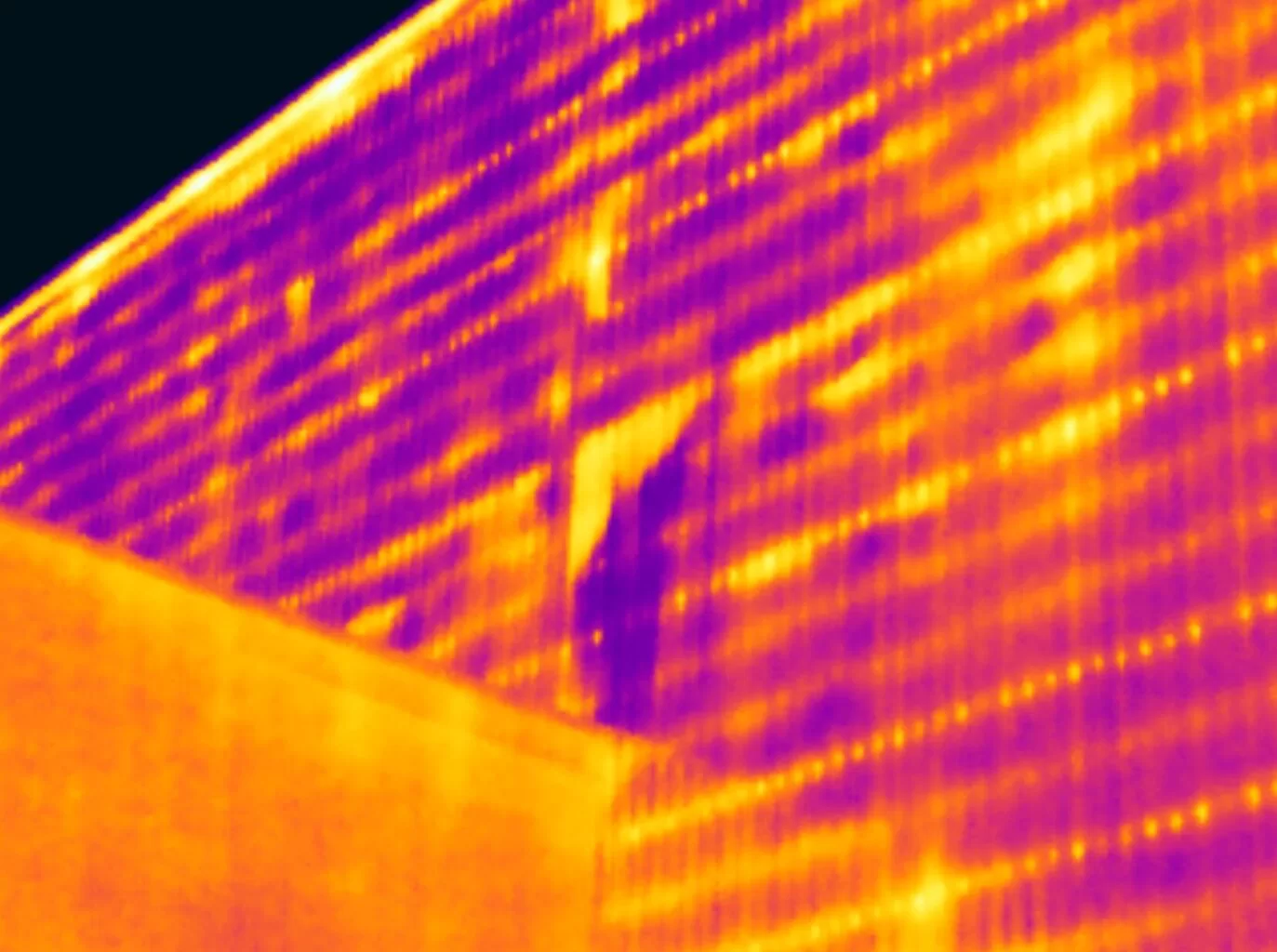
Thermography, a non-invasive technique that uses infrared imaging to detect temperature variations, has emerged as a powerful tool in the field of building diagnostics. By capturing thermal images of structures, thermography enables professionals to identify areas of heat loss and energy inefficiency. This article explores the benefits of using thermography to pinpoint heat loss in structures, providing valuable insights into how this technology can help improve energy efficiency and reduce carbon emissions.

Thermal inspections can help domestic solar panel owners detect issues early, preventing costly repairs. These inspections identify hotspots, indicating potential problems like loose connections or damaged cells. By addressing these issues promptly, owners can ensure optimal performance and longevity of their solar panels, maximizing their return on investment.

A construction project always has more people with a stake in it than it can have standing on the site. An aerial record shows the whole plot in one frame, with the boundary, the compound, the access and the works in their correct relationship, so people who cannot get there still understand it. This piece covers that use, what flying over a live workplace actually involves, and where a visual record stops and measurement begins.