See the Damage Without Anyone Climbing Up to It
A storm goes through, and the first you know about the roof is a noise in the night, a piece of ridge tile on the drive, or a damp patch appearing on a bedroom ceiling two days later. What you want to know is simple enough. What has happened up there, how bad it is, and whether it is going to get worse before anybody can fix it.
Getting that answer is harder immediately after a storm than at any other time. The roof may be exactly the thing that is now unsafe to climb, the weather that caused the damage is often still around, and every roofer within thirty miles has a queue. Meanwhile the clock is running, because a roof that is open stays open, and the water that comes through afterwards frequently costs more than the original damage did.
Photographing the roof from the air answers the first question without putting anyone on it. This piece is about the two parts that decide whether that is worth doing, and both are usually overlooked: how soon it can realistically happen, and what makes the images useful later rather than merely reassuring now. We work across Sussex, Hampshire, Kent and Surrey, which matters more on this kind of job than it sounds, because storm work is short-notice work.
Blog Content TL;DR...
What to do about a storm-damaged roof in the first few days, and what to record while you still can.
- Do not send anyone onto it. A covering that has already lifted, cracked or slipped is the least reliable surface on the building, and it is the one somebody would have to stand on to tell you what is wrong.
- Expect a short wait, not a long one. Gusts, rain and flat light decide when useful images can be captured, and a workable window usually arrives sooner than a roofer can attend.
- Record it before anything is moved, covered or temporarily patched, with the date attached and each observation located on the roof.
- Photograph the whole roof, not only the obvious damage, because the question asked afterwards is almost always whether a defect was already there.
- It is a visual inspection, not a building survey. It records what can be seen from above and offers no opinion on the condition or the safety of the structure.
A roof is at its most difficult to look at on exactly the day you most need to see it.
Roofroof
Why the First Few Days Are the Hardest Time to Look
The access problem gets worse after a storm, not better
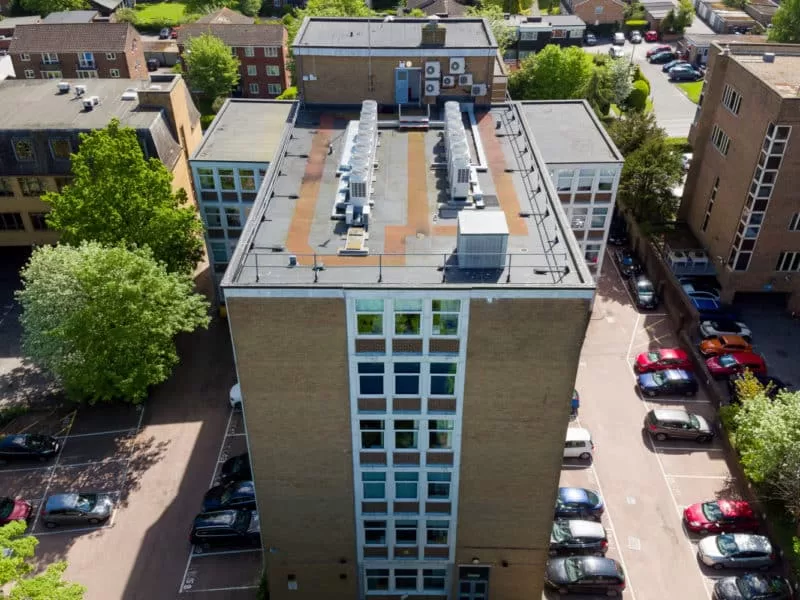
The instinct after a storm is to get somebody up there straight away. It is the right instinct and it usually cannot be acted on, for two reasons worth understanding before you start ringing round.
The roof is now the least safe part of the building
A covering that has already lifted, cracked or slipped will not reliably take weight. Battens can be exposed, fixings drawn, and a rooflight that was marginal before the weather is now a genuine hazard. That is precisely the surface somebody would have to stand on in order to tell you what is wrong with it. It is why the ladder-and-a-look approach is at its least useful on exactly the day you need it most, and why a first look taken from the air rather than from the covering is the sensible order to do things in.
The weather is rarely finished
Storms arrive in sequences. The day after the worst of it often still carries strong gusts, and gusts are what decide whether flying is sensible, rather than the average wind speed shown in a forecast. Rain and low cloud matter too, and not only for safety. A wet roof photographs badly, standing water throws reflections that hide detail, and flat grey light flattens exactly the small steps and shadows that show a tile has moved. A visit that produces unreadable images has cost you a day and told you nothing.
So the honest answer to how soon is this: as soon as there is a workable window, which is normally sooner than a roofer can attend and later than you would like. Being told plainly which day that is likely to be is worth more than being promised tomorrow.
what to do after storm damage to a roof, how soon can a roof be inspected after a storm, recording storm damage before repairs beginwhat to do after storm damage to a roof, how soon can a roof be inspected after a storm, recording storm damage before repairs begin
What Makes the Photographs Worth Having Later
Anyone can take a picture of a damaged roof. The difference between a set of images that settles the question and a set that starts an argument comes down to three things, and all three are decided at the time of the flight rather than afterwards.
Date and place, fixed at the time
Storm damage is a dated event, and the worth of an image is bound up with when it was taken. Photographs captured within days of the weather, carrying the date and with each observation located on the building, are a very different thing from a description written a fortnight later from memory. If you are going to record it at all, record it before anything is moved, sheeted over or temporarily patched, because the temporary repair removes the evidence of what it was covering.
The whole roof, not only the obvious hole
The visible damage is rarely the whole story and it is rarely the part that gets questioned. What gets questioned afterwards is whether a given defect came from this storm or was already there, and that can only be answered by images that show the rest of the roof as well. Covering every slope adds very little once the aircraft is already up, and it is the part people most often wish they had asked for.
Close enough to be unarguable
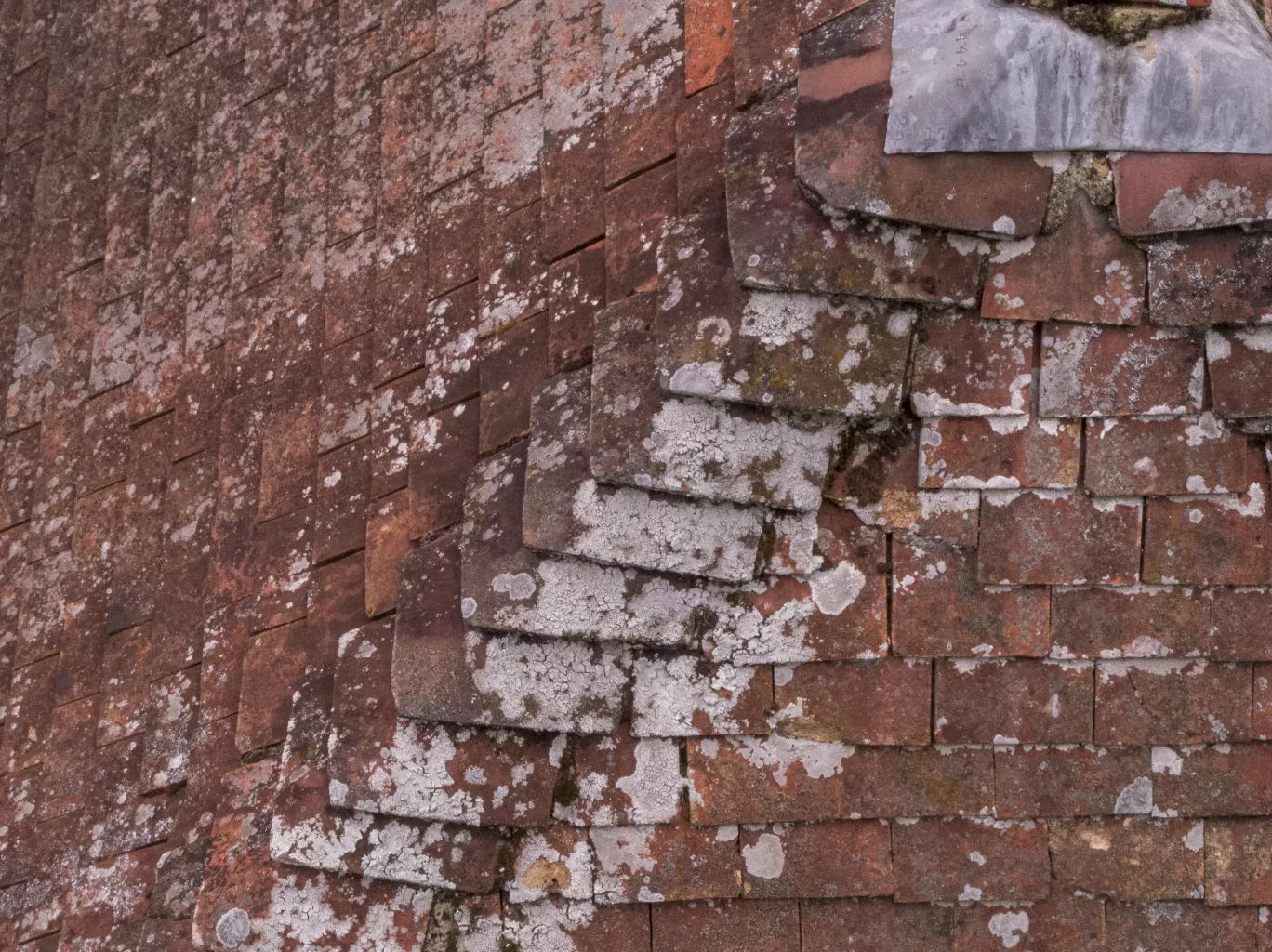
A wide aerial view of a house proves that a house exists. A lifted flashing, a cracked hip, a slate that has slipped just far enough to open a gap: those have to be photographed close, and framed and exposed so that somebody who has never been on the building can see the problem without it being explained to them. The height the picture was taken from is not the point. Proximity and light are.
What It Settles, and What It Does Not
Photographs of a damaged roof get used by more than one person, and it is worth being clear about what each of them can and cannot take from them.
What you can do with them
They let a roofer quote without a separate visit and without guessing, which in a week when every roofer is busy is often the thing that actually gets the work booked. They give a managing agent or a landlord something to act on rather than a phone call to interpret. And where a claim follows, dated images of the damage are ordinarily more use to everyone involved than a written description, although how any claim is assessed is a matter between you and your insurer.
Where it stops
This is a visual inspection. Drone Media Imaging photographs what can be seen and describes what the photographs show. It is not a building survey, a structural assessment or a condition grading, no surveying qualification is held or claimed, and nothing produced is an opinion on whether a building is safe to approach or occupy. Anything found is reported as an observation warranting further investigation by a suitably qualified contractor or surveyor.
It also cannot see under the covering, into a cavity or through a ceiling. Where water is getting in and the entry point is not visible from above, the images narrow it down rather than confirm it, and the opening up is a roofer’s job. We carry out no roofing, repair or maintenance work of any kind, so nothing found is worth more to us than nothing found.
Governing Standards and Scope
- This is a visual inspection service. Drone Media Imaging photographs what is visible and describes what the photographs show. No building survey, structural assessment, condition grading or professional opinion on the condition of a roof or structure is offered or implied, and no surveying qualification is held or claimed.
- Findings are reported as observations warranting further investigation by a suitably qualified contractor or surveyor.
- Nothing in this article is an assessment of whether a storm-damaged building is safe to approach or occupy. That judgement rests with the emergency services, a structural engineer or another suitably qualified professional, and it should be sought before anybody goes near the building.
- Flight operations are conducted under a Civil Aviation Authority Operational Authorisation, with a General VLOS Certificate (GVC) and an A2 Certificate of Competency, and are fully insured for commercial operation.
- Drone Media Imaging carries out no roofing, repair or maintenance work of any kind, and has no commercial interest in what an inspection does or does not find.
Tell Us the Address and What Came Down
Storm work is short-notice work, so the useful thing is to get in touch early, even if the weather has not settled and nobody can fly yet. Tell us the address, what you have noticed and whether anything is still moving up there, and we will tell you plainly when there is likely to be a workable window and what we would cover.
Sussex, Hampshire, Kent and Surrey are home ground, with travel throughout the UK, Ireland and Europe where a job warrants it. If it is not worth doing, we will say so.
related posts
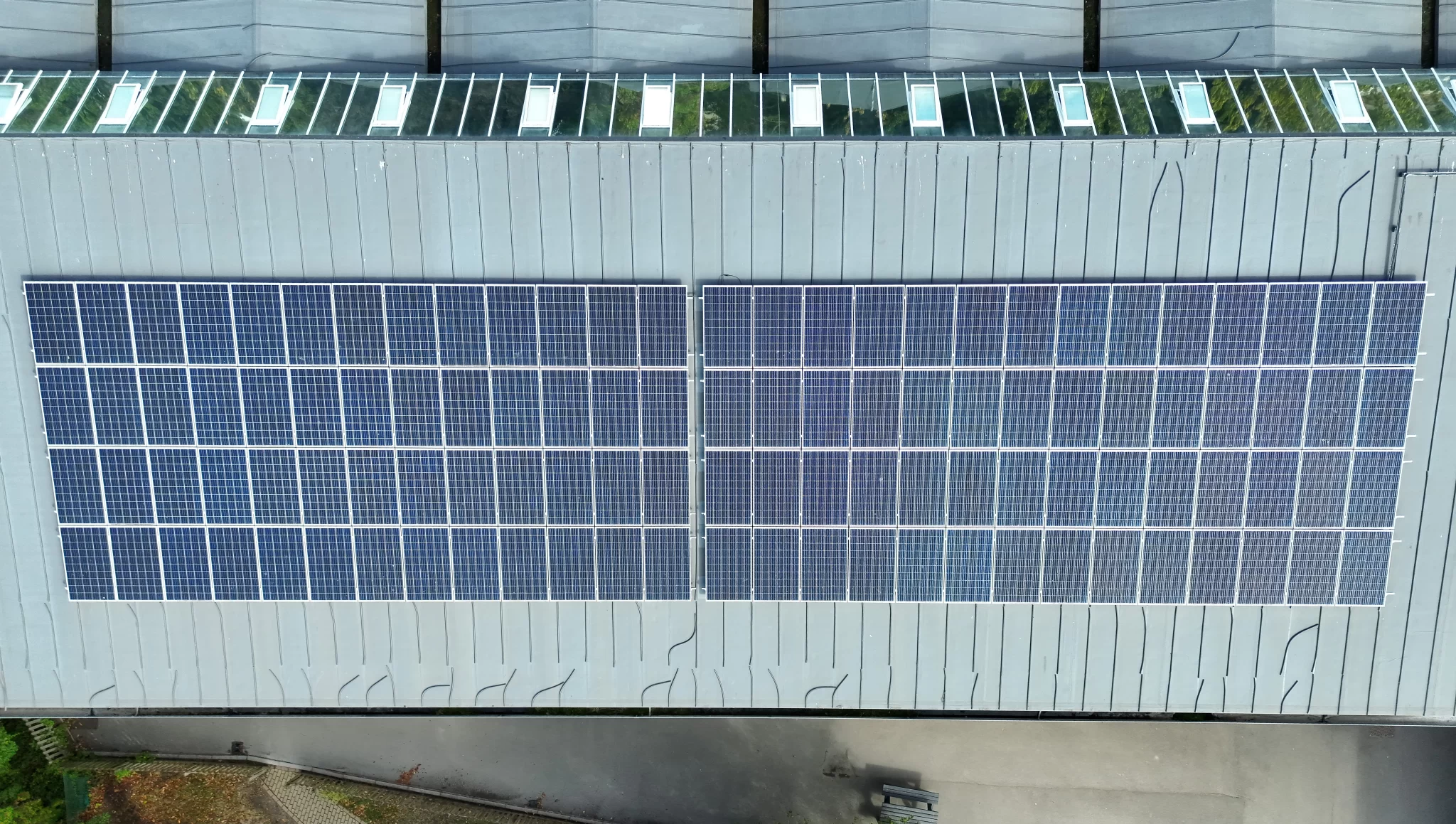
A commercial rooftop solar array sits on somebody's working building, and that single fact decides how it gets inspected. Getting a person to roof level means access equipment and a permit, and the roof covering is not always capable of carrying them. It also puts the camera in the wrong place: IEC 62446-3 wants the thermal image taken square to the module, which nobody standing on a pitched roof can manage. Here is why the survey is flown instead.

Engaging a Level 3 Master Thermographer delivers precision, regulatory confidence and tailored solutions that generic inspections cannot match. From interpreting subtle thermal anomalies to producing professionally verified reports, a Level 3 expert ensures your thermal imaging supports maintenance decisions, compliance and cost savings. This advanced level of thermographic expertise benefits sectors such as construction, energy and manufacturing by reducing risk, avoiding costly failures and aligning with standards like ISO 18436 and BS EN 13187. Trust certified mastery for reliable diagnostics and actionable insights.
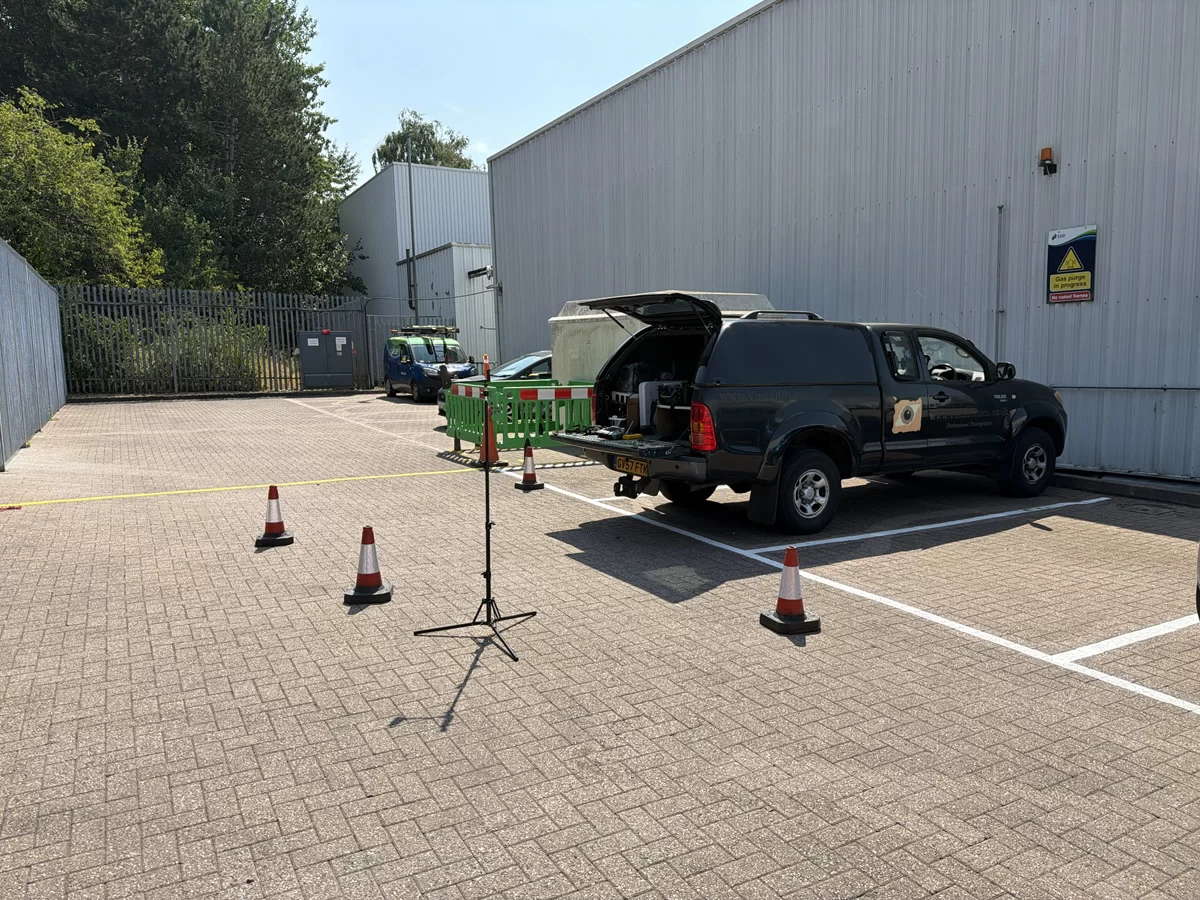
Hiring a drone operator does not make you responsible for the flight, but it does make the choice of operator yours. Since the rules changed at the end of 2020 there is no commercial drone permission as such: the category is set by the risk of the flight, and work on a working site normally needs a Civil Aviation Authority Operational Authorisation held by the operator. This article explains who carries what, and what a competent operator should show you before flying.