
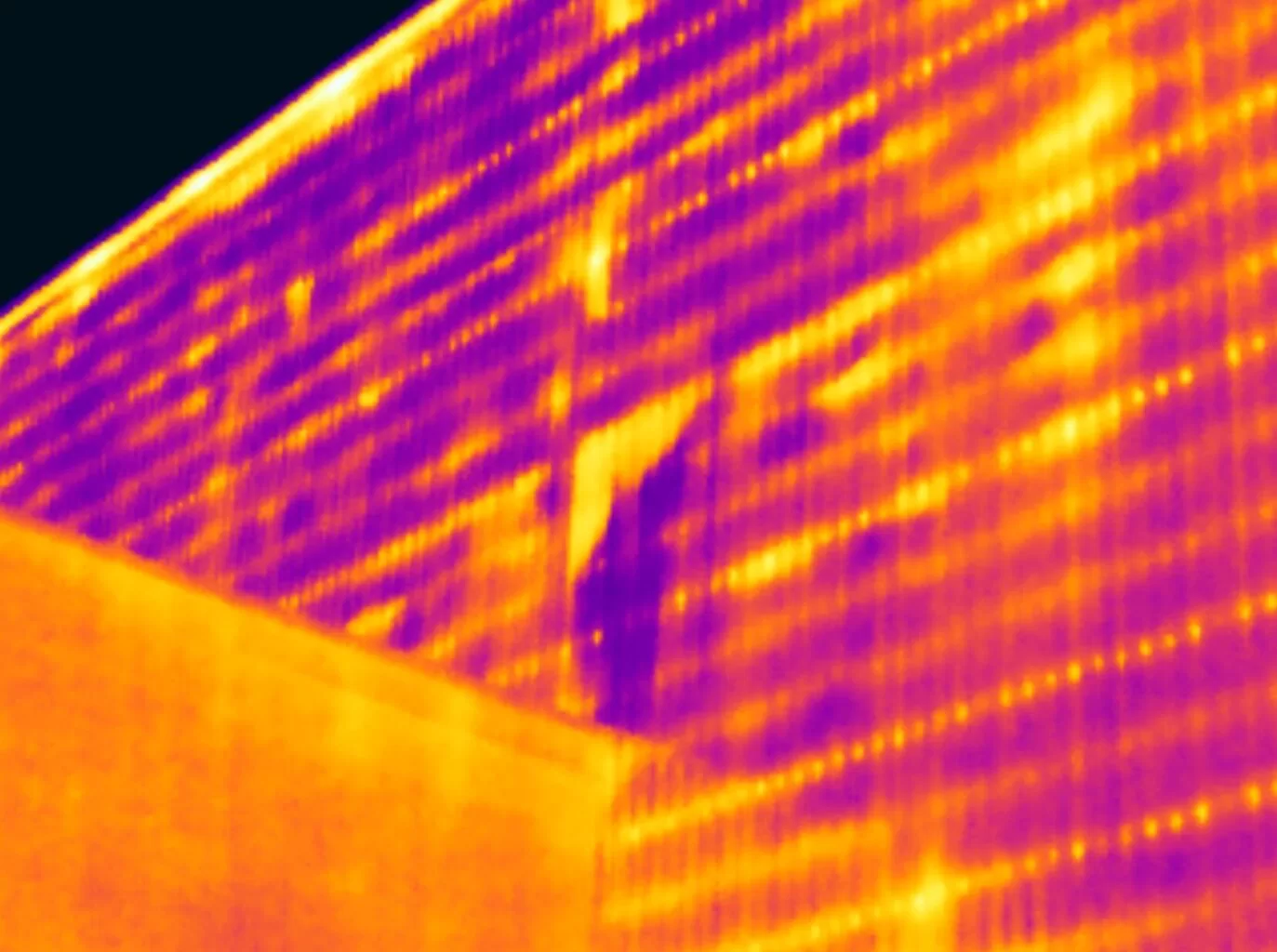
Blog Content TL;DR...
Seeing Beyond the Surface: Using Thermography to Pinpoint Heat Loss in Structures
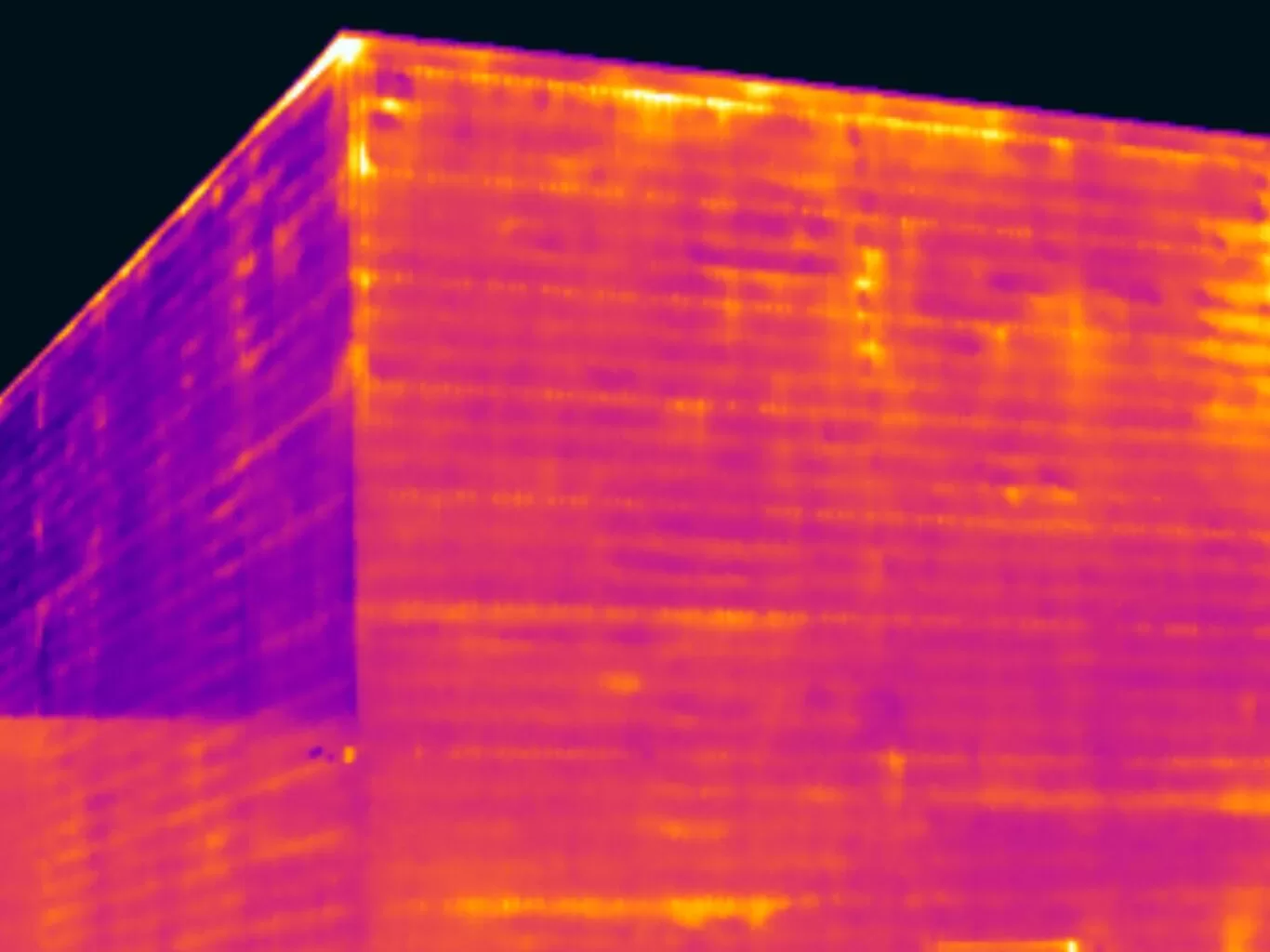
Thermography, a non-invasive technique that uses infrared imaging to detect temperature variations, has emerged as a powerful tool in the field of building diagnostics. By capturing thermal images of structures, thermography enables professionals to identify areas of heat loss and energy inefficiency. This article explores the benefits of using thermography to pinpoint heat loss in structures, providing valuable insights into how this technology can help improve energy efficiency and reduce carbon emissions.
The Importance of Energy Efficiency in Buildings
Buildings account for a significant portion of global energy consumption and greenhouse gas emissions. In the United Kingdom, for example, buildings are responsible for approximately 40% of total energy usage and 33% of carbon emissions. Improving energy efficiency in buildings is crucial for reducing environmental impact and achieving sustainability goals.
One of the main challenges in improving energy efficiency is identifying areas of heat loss within structures. Traditional methods of detecting heat loss, such as visual inspections or thermal calculations, often fall short in providing accurate and comprehensive results. This is where thermography comes into play.
The Basics of Thermography
Thermography utilises infrared cameras to capture thermal images of buildings. These cameras detect the infrared radiation emitted by objects and convert it into a visible image that represents temperature variations. By analysing these images, professionals can identify areas of heat loss, insulation deficiencies, and other energy-related issues.
Thermography offers several advantages over traditional methods of detecting heat loss:
- Non-invasive: Thermography does not require physical contact with the building, making it a non-destructive and non-disruptive technique.
- Comprehensive: Thermal images provide a holistic view of the building, allowing professionals to identify hidden issues that may not be visible to the naked eye.
- Real-time analysis: Thermographic cameras provide instant results, enabling professionals to make immediate decisions and take prompt action.
- Quantitative data: Thermography provides precise temperature measurements, allowing for accurate analysis and comparison of different areas within a structure.
Applications of Thermography in Building Diagnostics
Thermography has a wide range of applications in building diagnostics. Some of the key areas where thermography is used include:
 1. Identifying Insulation Deficiencies
 1. Identifying Insulation Deficiencies
Thermal images can reveal areas of inadequate insulation, which are often the main culprits of heat loss in buildings. By identifying these deficiencies, professionals can take targeted measures to improve insulation and reduce energy consumption.
2. Detecting Air Leakage
Air leakage through cracks, gaps, or poorly sealed windows and doors can significantly contribute to heat loss. Thermography can detect these air leaks by capturing temperature variations caused by the movement of air. By addressing these leaks, energy efficiency can be greatly improved.
3. Assessing HVAC System Performance
Thermography can be used to evaluate the performance of heating, ventilation, and air conditioning (HVAC) systems. By analyzing thermal images of HVAC components, professionals can identify inefficiencies, such as blocked air ducts or malfunctioning equipment, and optimize system performance.
4. Conducting Energy Audits
Thermography plays a crucial role in energy audits, which involve a comprehensive assessment of a building’s energy consumption and efficiency. By using thermographic cameras, professionals can quickly identify areas of concern and prioritize energy-saving measures.
Case Studies and Statistics
Several case studies and statistics highlight the effectiveness of thermography in pinpointing heat loss and improving energy efficiency:
Case Study 1: Residential Building
In a study conducted on a residential building, thermography identified areas of heat loss around windows and doors. By addressing these issues, the building’s energy consumption was reduced by 20%, resulting in significant cost savings for the homeowner.
Case Study 2: Commercial Office Building
A thermographic survey of a commercial office building revealed air leakage through poorly sealed windows and gaps in the building envelope. After sealing these leaks, the building’s energy efficiency improved by 15%, leading to reduced heating and cooling costs.
Statistics:
- According to the Energy Saving Trust, improving insulation and reducing heat loss can save homeowners up to £270 per year on energy bills.
- A study by the Building Research Establishment (BRE) found that thermographic surveys can identify up to 90% of heat loss in buildings.
- The UK government’s Energy Company Obligation (ECO) scheme provides funding for energy efficiency measures, including thermographic surveys, to help reduce fuel poverty and carbon emissions.
Thermography is a valuable tool for identifying heat loss and improving energy efficiency in buildings. By utilizing infrared imaging technology, professionals can pinpoint areas of concern, such as insulation deficiencies and air leakage, and take targeted measures to address these issues. The case studies and statistics discussed in this article demonstrate the effectiveness of thermography in reducing energy consumption and carbon emissions.
To achieve a sustainable future, it is essential for individuals, businesses, and governments to prioritize energy efficiency in buildings. By incorporating thermographic surveys into building diagnostics, we can make significant strides towards reducing our environmental impact and creating a more energy-efficient society.
Building Surveys using Thermography
Don’t let hidden issues in your building become costly problems! Utilize our state-of-the-art thermography services for your building surveys today. Identify potential defects, energy inefficiencies or safety hazards before they escalate. Take the initiative, book a thermographic building survey now and ensure the longevity and safety of your property!
related posts
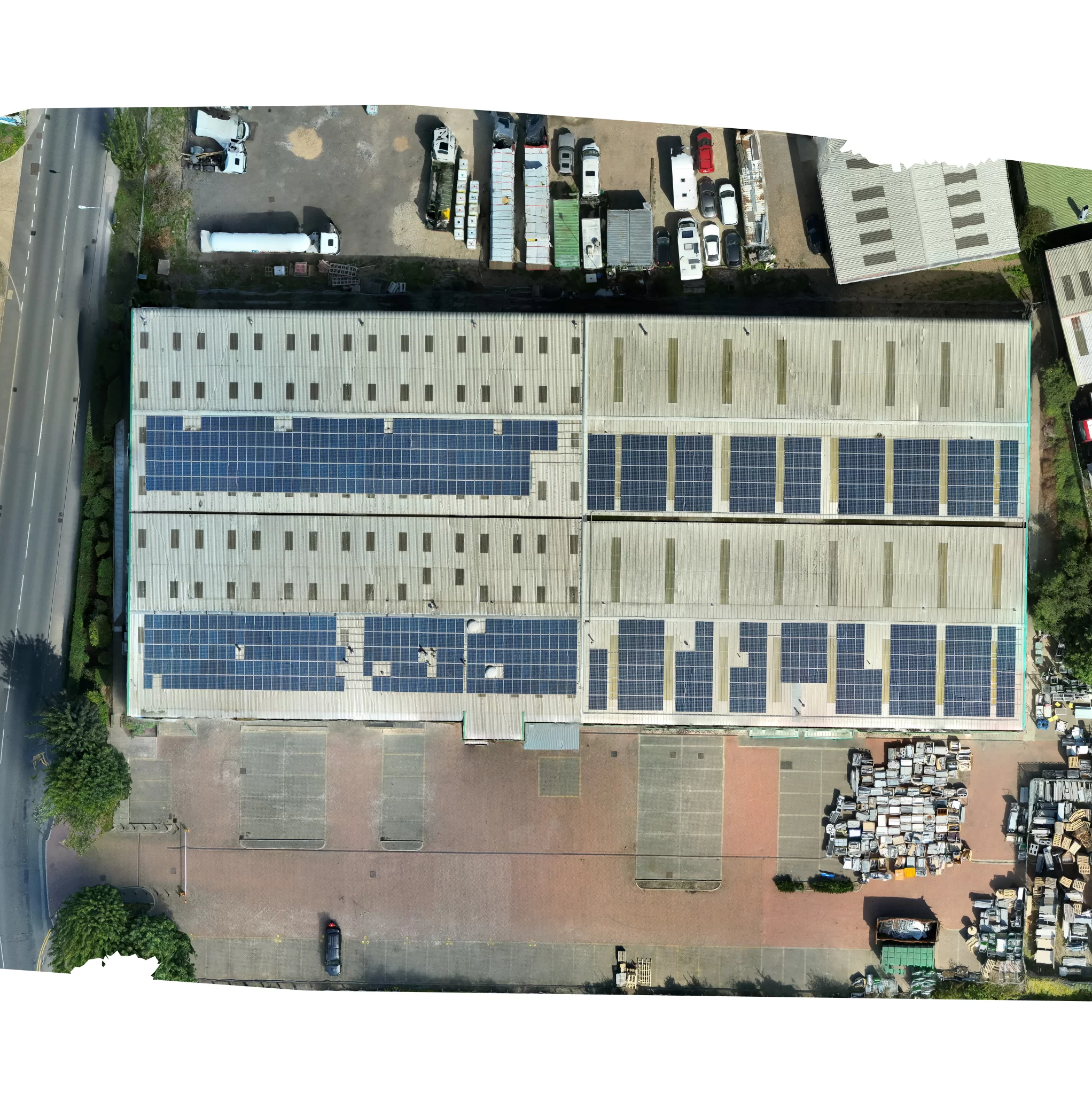
IEC TS 62446-3 does not describe one solar thermography inspection but two. A simplified inspection confirms that modules and connections are working, reading thermal patterns only. A detailed inspection measures, normalises and classifies what it finds, and is the level at which module condition can be reported with confidence. This post explains the difference, where a drone flight over a rooftop array sits between them, and why the level should be agreed in writing before the aircraft is booked.
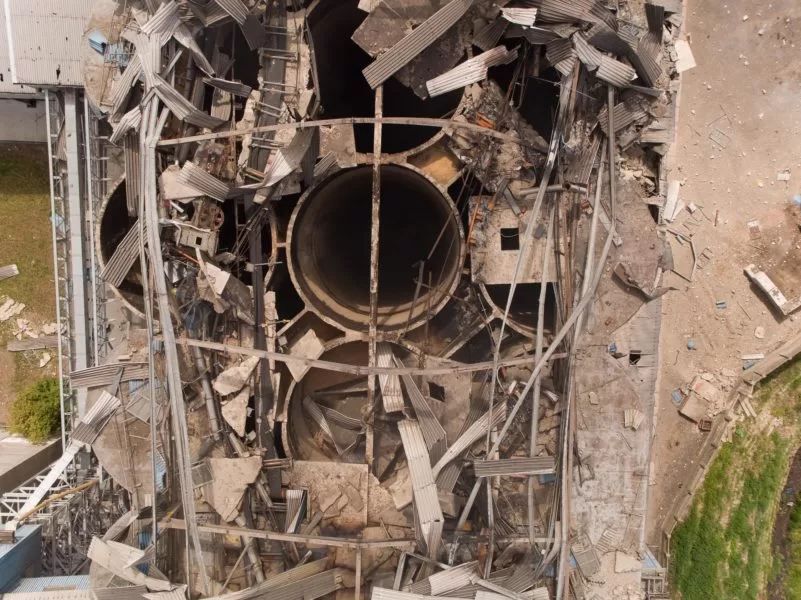
An inspection happens on one morning, but its photographs are usually needed months later by somebody who was not there. What makes them usable then is not the drama of the aerial view. It is whether each observation is marked where it sits, whether close detail is paired with a frame that places it, whether coverage is systematic enough that absence means something, and whether the set can be navigated at all.
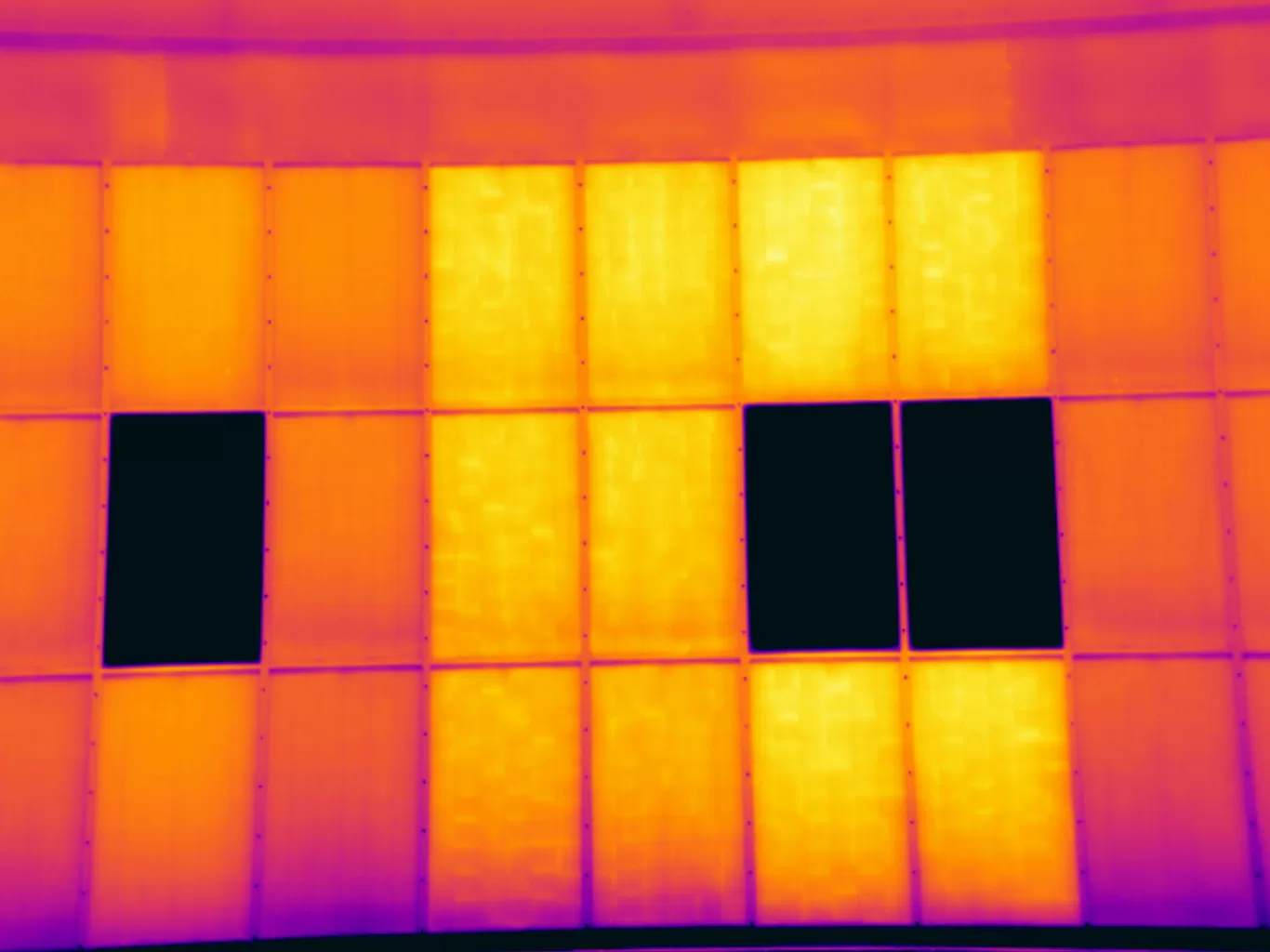
Solar panels have become an increasingly popular choice for homeowners looking to reduce their carbon footprint and save on energy costs. However, it is crucial to ensure that the installation of solar panels on house roofs is done correctly and safely. Regular inspections of domestic solar panel installations are essential to maintain their efficiency and longevity. In this article, we will explore the importance of domestic solar panel inspections, the key aspects that should be assessed during an inspection, and the benefits of conducting regular inspections.