Blog Content TL;DR...
Home Thermal Solar Panel Inspections
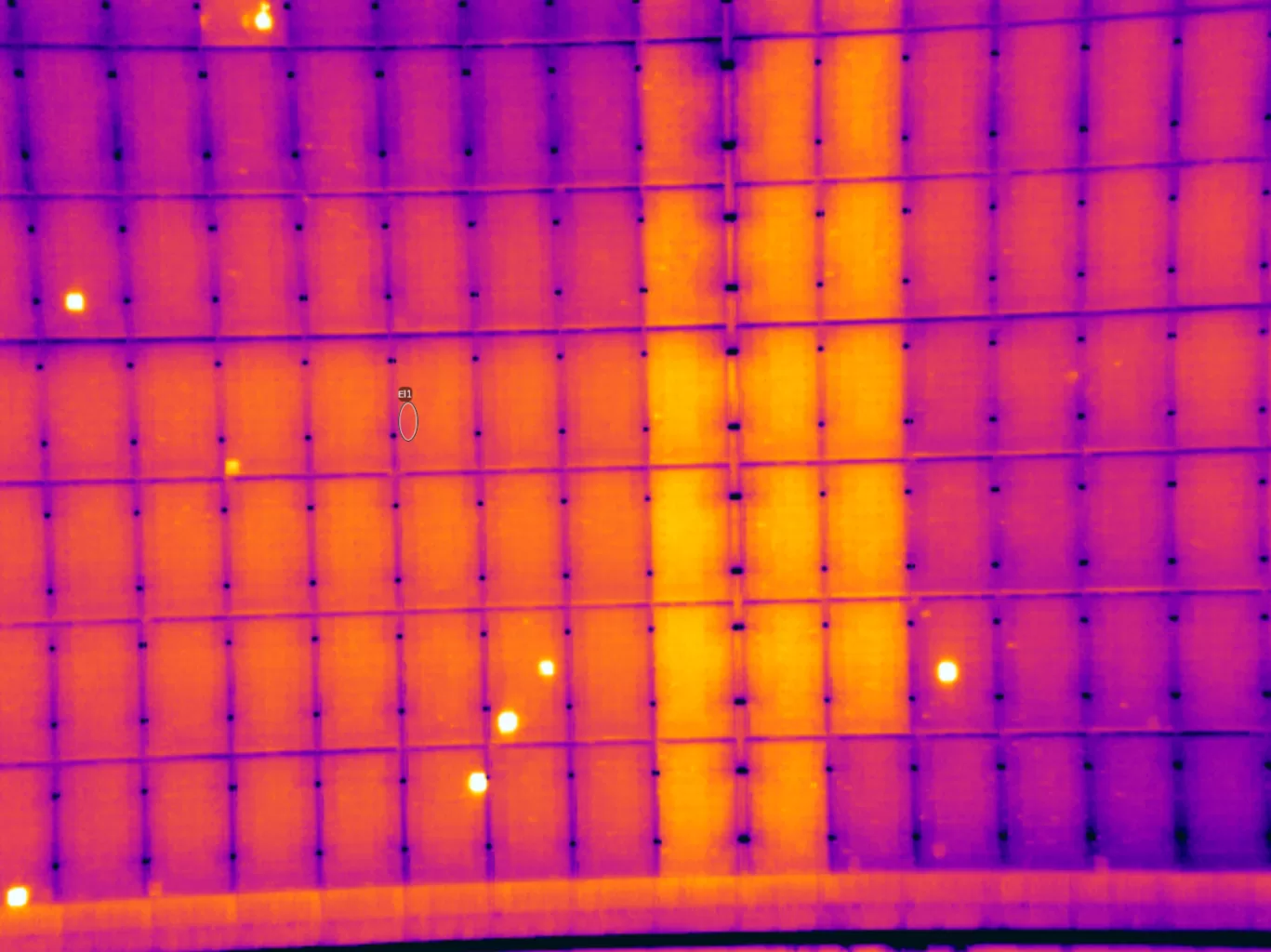
Solar panels have become an increasingly popular choice for homeowners looking to reduce their carbon footprint and save on energy costs. However, it is crucial to ensure that the installation of solar panels on house roofs is done correctly and safely. Regular inspections of domestic solar panel installations are essential to maintain their efficiency and longevity. In this article, we will explore the importance of domestic solar panel inspections, the key aspects that should be assessed during an inspection, and the benefits of conducting regular inspections.
The Importance of Domestic Solar Panel Inspections
Domestic solar panel inspections play a vital role in ensuring the optimal performance and safety of the solar panel system. Here are some reasons why inspections are crucial:
- Identifying and Preventing Issues: Regular inspections can help identify any potential issues or damage to the solar panel system. This allows for timely repairs or replacements, preventing further damage and ensuring the system operates at its maximum efficiency.
- Ensuring Safety: Inspections help ensure that the solar panel system is installed correctly and meets all safety standards. This includes checking the integrity of the mounting system, electrical connections, and grounding.
- Maximising Energy Production: Inspections can identify any factors that may be affecting the energy production of the solar panel system, such as shading from nearby trees or debris accumulation. By addressing these issues, homeowners can maximise their energy production and savings.
- Warranty Compliance: Many solar panel manufacturers require regular inspections to maintain the warranty on the system. Failing to conduct inspections may result in voiding the warranty, leaving homeowners responsible for any repairs or replacements.
Key Aspects Assessed During a Domestic Solar Panel Inspection
During a domestic solar panel inspection, several key aspects should be assessed to ensure the system’s performance and safety. These include:
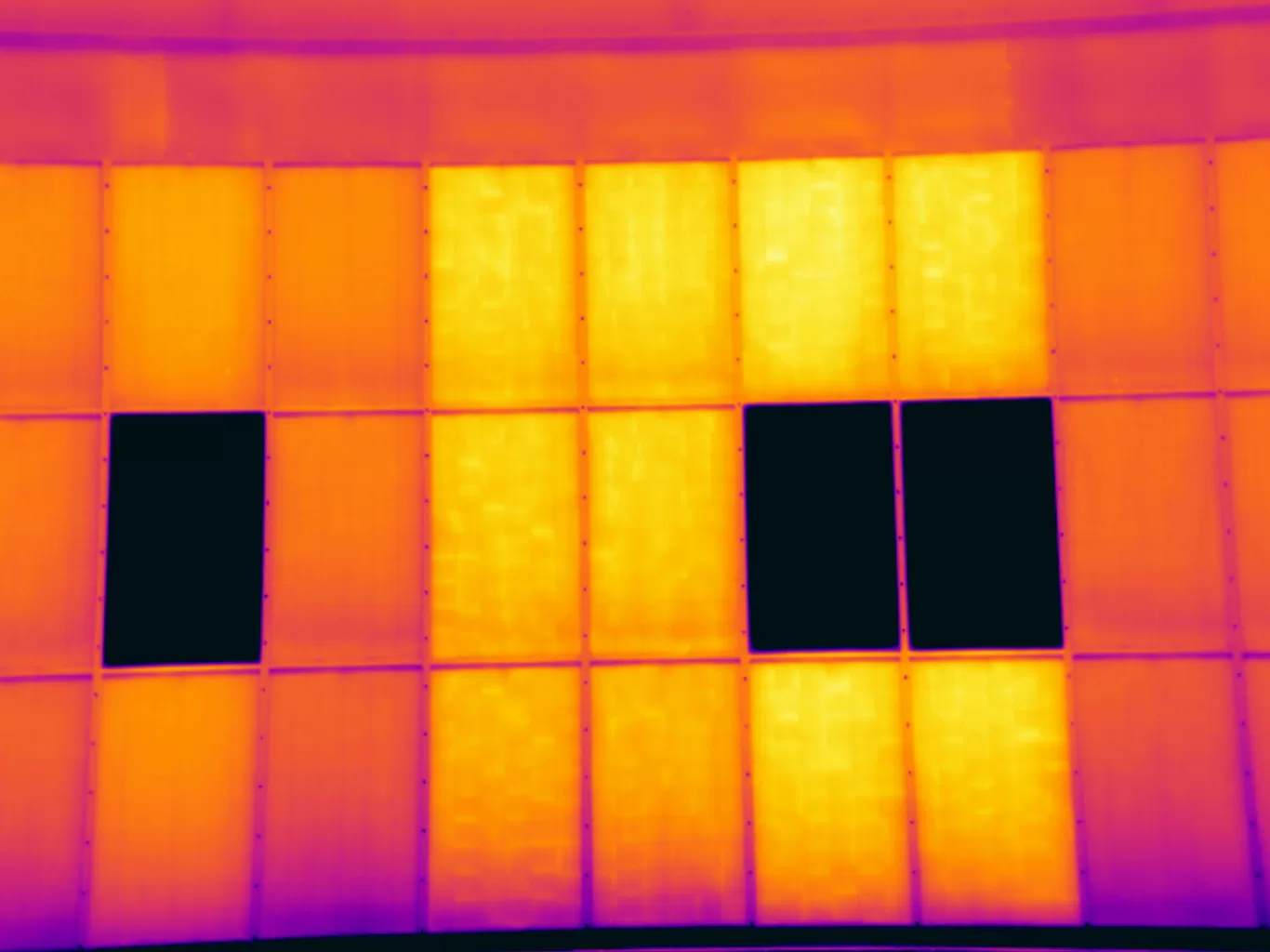
- Physical Condition: The physical condition of the solar panels should be inspected for any signs of damage, such as cracks or discoloration. Any damage should be addressed promptly to prevent further deterioration.
- Electrical Connections: The electrical connections between the solar panels, inverters, and the main electrical system should be checked for any loose or corroded connections. Faulty connections can lead to a decrease in energy production or even electrical hazards.
- Mounting System: The mounting system that holds the solar panels in place should be inspected for any signs of wear or damage. Loose or damaged mounts can compromise the stability of the panels and pose a safety risk.
- Performance Monitoring: Inspections should include a review of the system’s performance data, such as energy production and efficiency. Any significant deviations from expected performance should be investigated to identify the underlying cause.
The Benefits of Regular Domestic Solar Panel Inspections
Regular inspections of domestic solar panel installations offer several benefits to homeowners. These include:
- Extended Lifespan: By identifying and addressing any issues promptly, regular inspections can help extend the lifespan of the solar panel system, ensuring homeowners can enjoy the benefits for years to come.
- Optimised Energy Production: Inspections allow homeowners to identify and address any factors that may be affecting the energy production of the solar panel system. By optimising energy production, homeowners can maximise their savings on energy bills.
- Peace of Mind: Regular inspections provide homeowners with peace of mind, knowing that their solar panel system is operating safely and efficiently. This allows them to focus on enjoying the benefits of renewable energy without worrying about potential issues.
Regular inspections of domestic solar panel installations are essential to ensure their optimal performance, safety, and longevity. Inspections help identify and prevent issues, ensure safety compliance, maximise energy production, and maintain warranty compliance. Key aspects assessed during inspections include the physical condition of the panels, electrical connections, mounting system, and performance monitoring. Regular inspections offer benefits such as extended lifespan, optimised energy production, and peace of mind for homeowners. By prioritising domestic solar panel inspections, homeowners can reap the full benefits of their solar panel system while contributing to a greener future.
IEC Solar Inspection Services
We are certified thermographers, experienced in solar panel inspection to IEC standards. We can complete both the structured and compliant data capture through to the formal inspection report.
As approved drone pilots we work throughout the UK to provide both aerial and ground based thermography services. Fully insured and certified by the CAA with enhanced permissions for day and night time flights
related posts
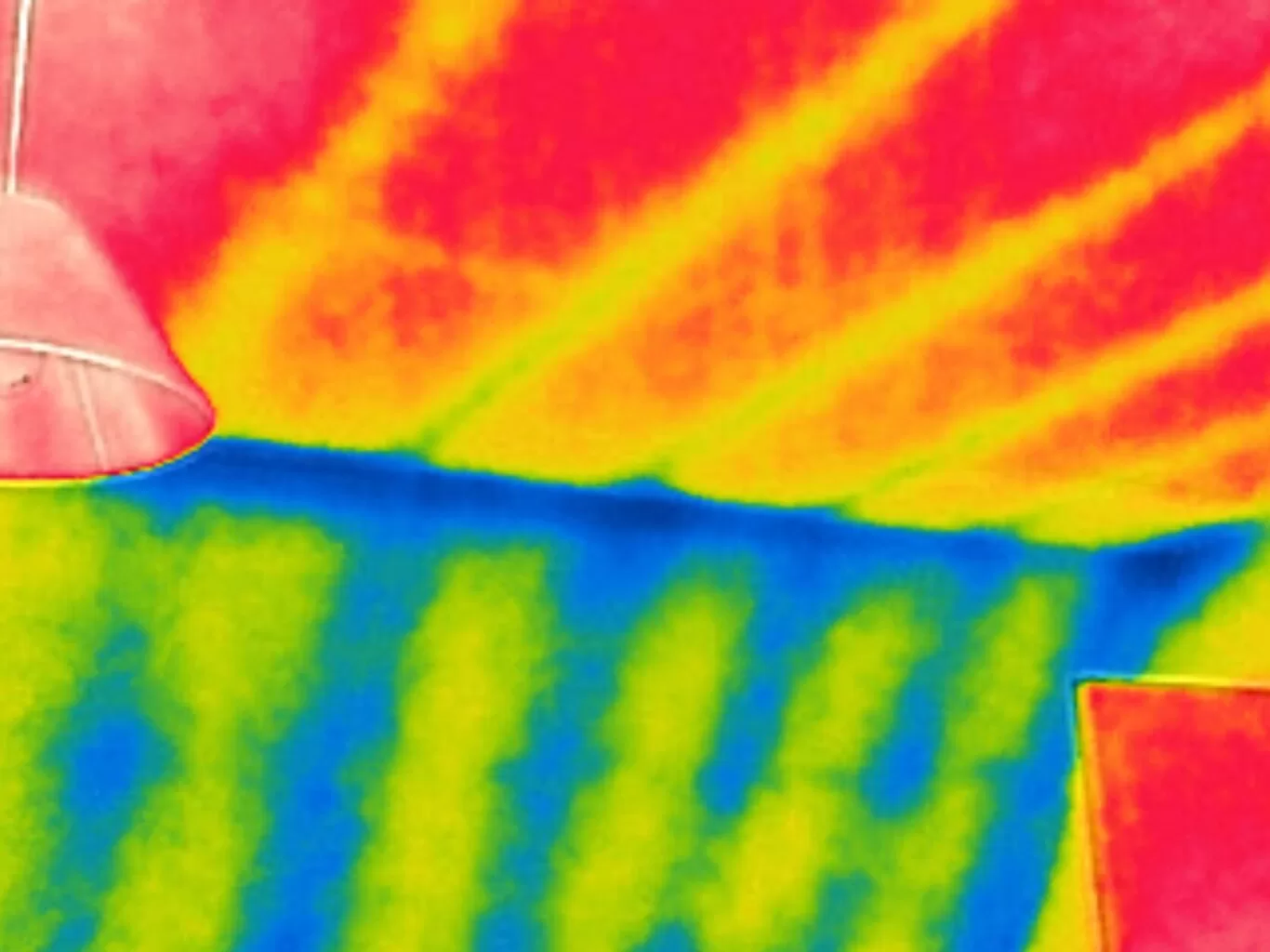
Discover how building thermography can significantly reduce energy costs by identifying heat loss areas in every snapshot.
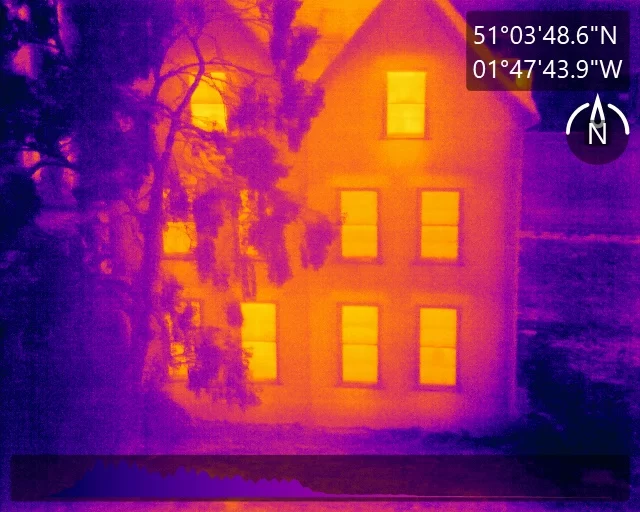
A thermal camera does not see insulation, it sees temperature difference, and that single fact decides when a building survey can usefully be done. This explains the differential EN 13187 recommends, why the working season in the United Kingdom is shorter than most people expect, why imagery is captured well after sunset rather than at dusk, and how wind, rain and cloud affect what the results are worth. Practical guidance for anyone planning a heat loss survey this coming season.
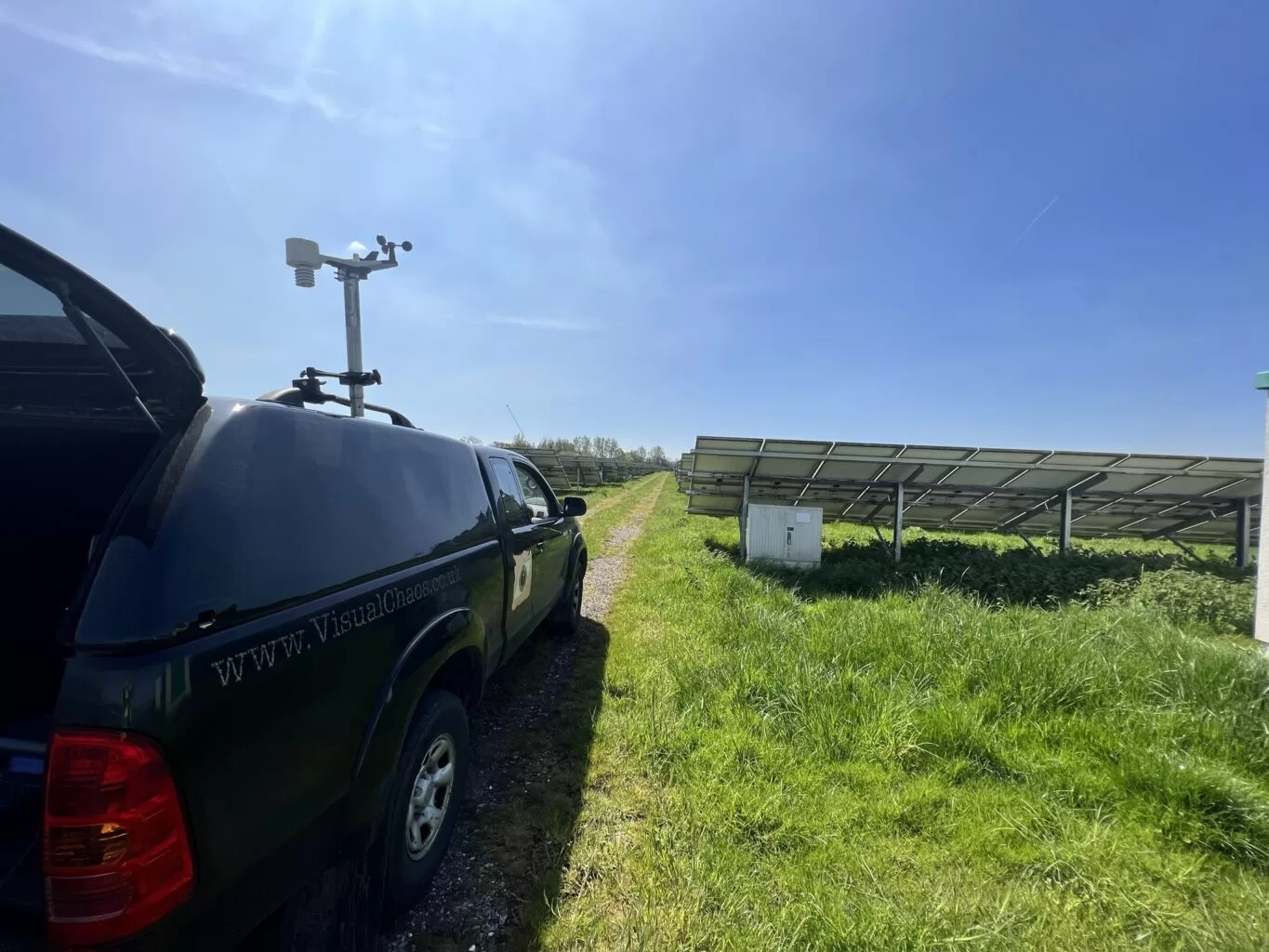
Qualified thermographers play a crucial role in ensuring reliable solar panel inspections. With certification, they possess the necessary expertise to accurately identify and diagnose potential issues, maximizing the efficiency and longevity of solar systems. Their knowledge and skills are invaluable in maintaining the integrity and performance of these renewable energy sources.