Overton Port Eynon, Swansea – BBC One Show Mother of All Challenges for Sports Relief
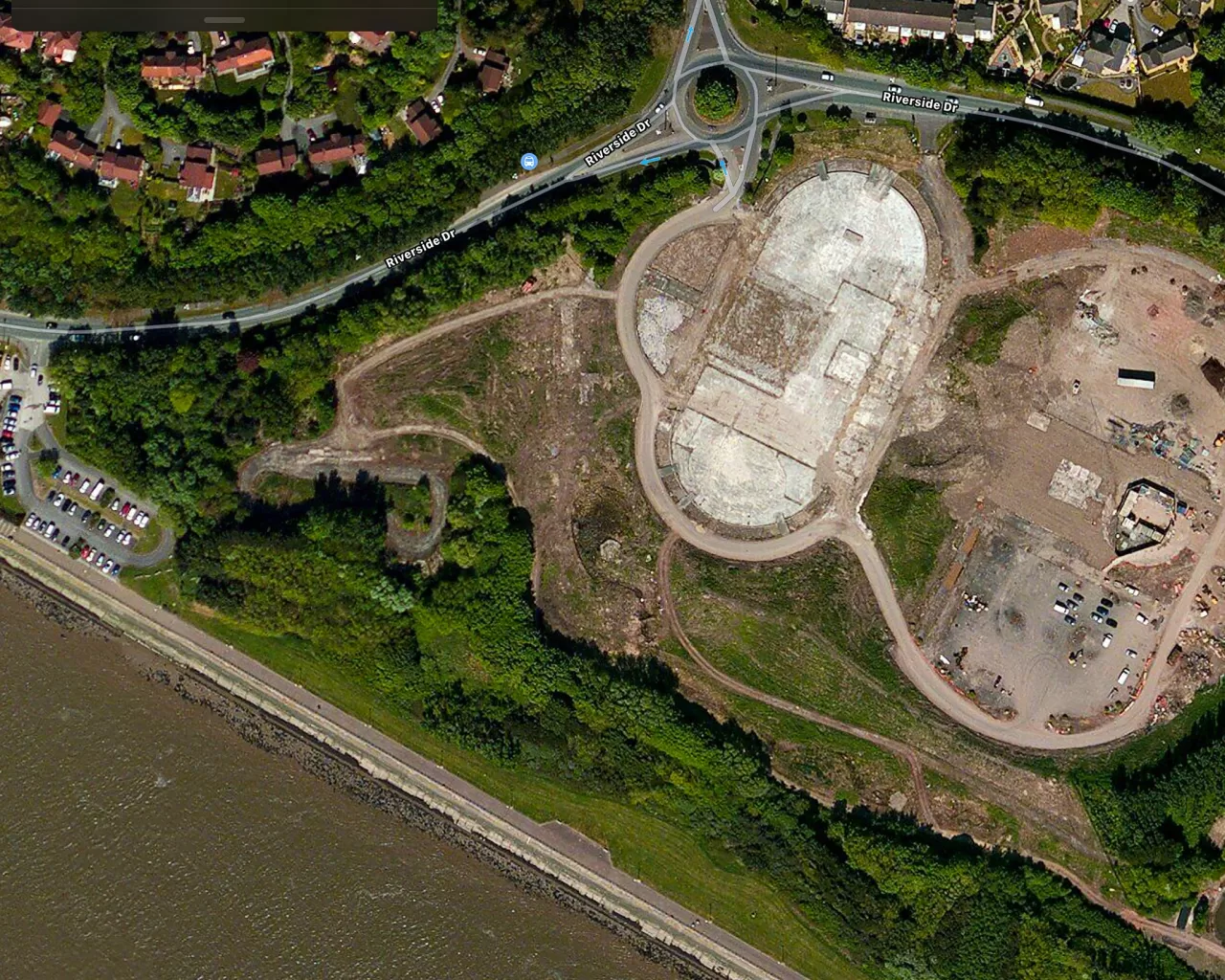
Here is a short collection of clips shot for the BBC One show “Mother of all Challenges” for Sports Relief with presenter Alex Jones. It was a very early start and a long hike with heavy equipment through muddy fields, but worth it for the breath taking Welsh cliffs and seascapes!
It was great to see a lot of the clips in the final show, that went out live the same day – here is the programme
https://www.bbc.co.uk/programmes/p061dlmf
“Alex Jones teamed up with four inspirational Mums as they took on five days of gruelling challenges around the UK for Sport Relief. They put their bodies to the test to raise life-changing money and awareness of important issues around maternal health, with the nation following their journey on The One Show. The team braved the cold as they swam across Scotland’s most famous loch, hiked and cycled some of the Lake Districts most famous passes, battled the Porth Yr Ogof cave in the Brecon Beacons and finished with a cross-country run across the hilly Welsh coast. ” – BBC One Show


Cell, Module, String, Array: How a Solar Installation Is Actually Wired
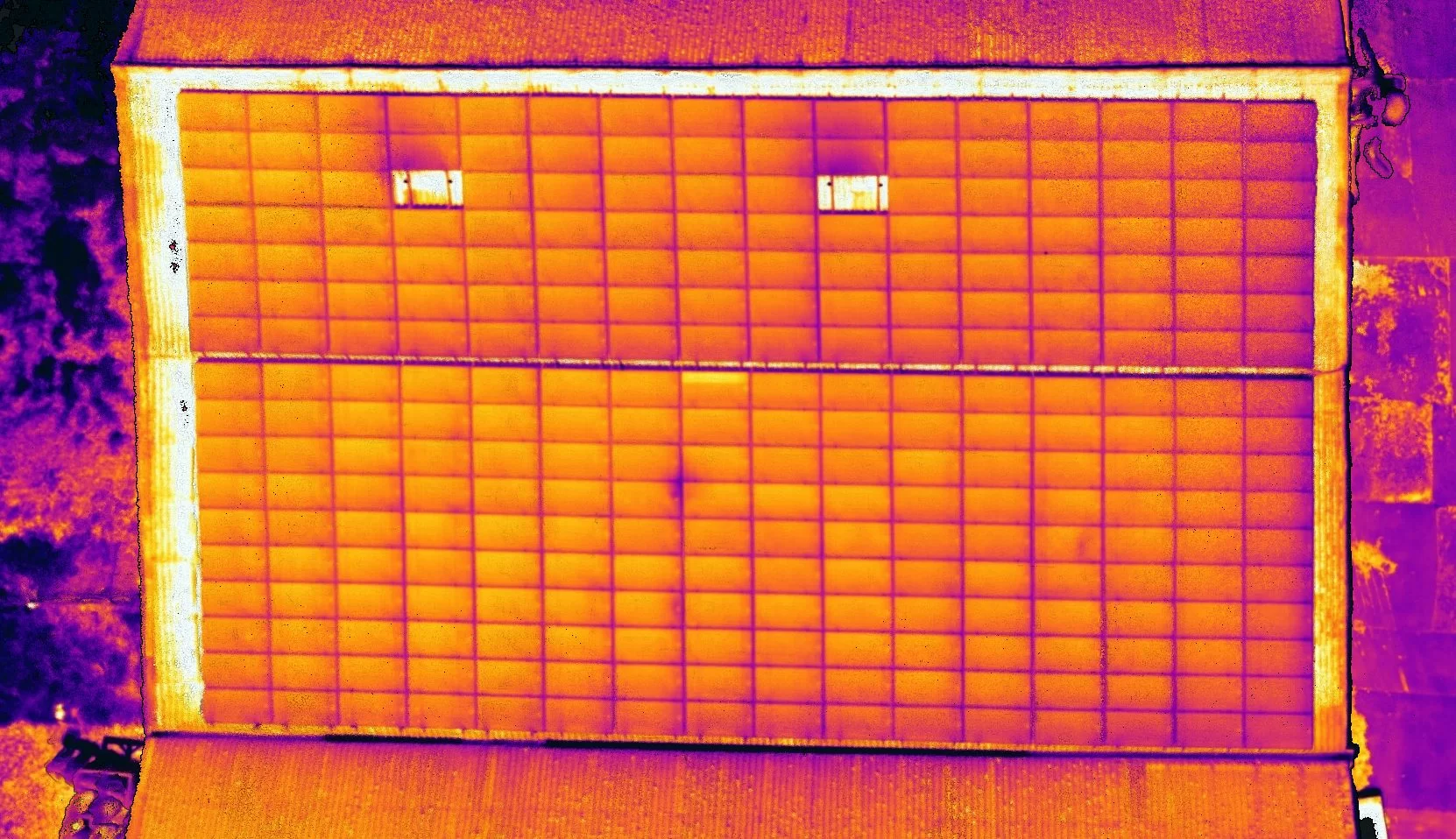
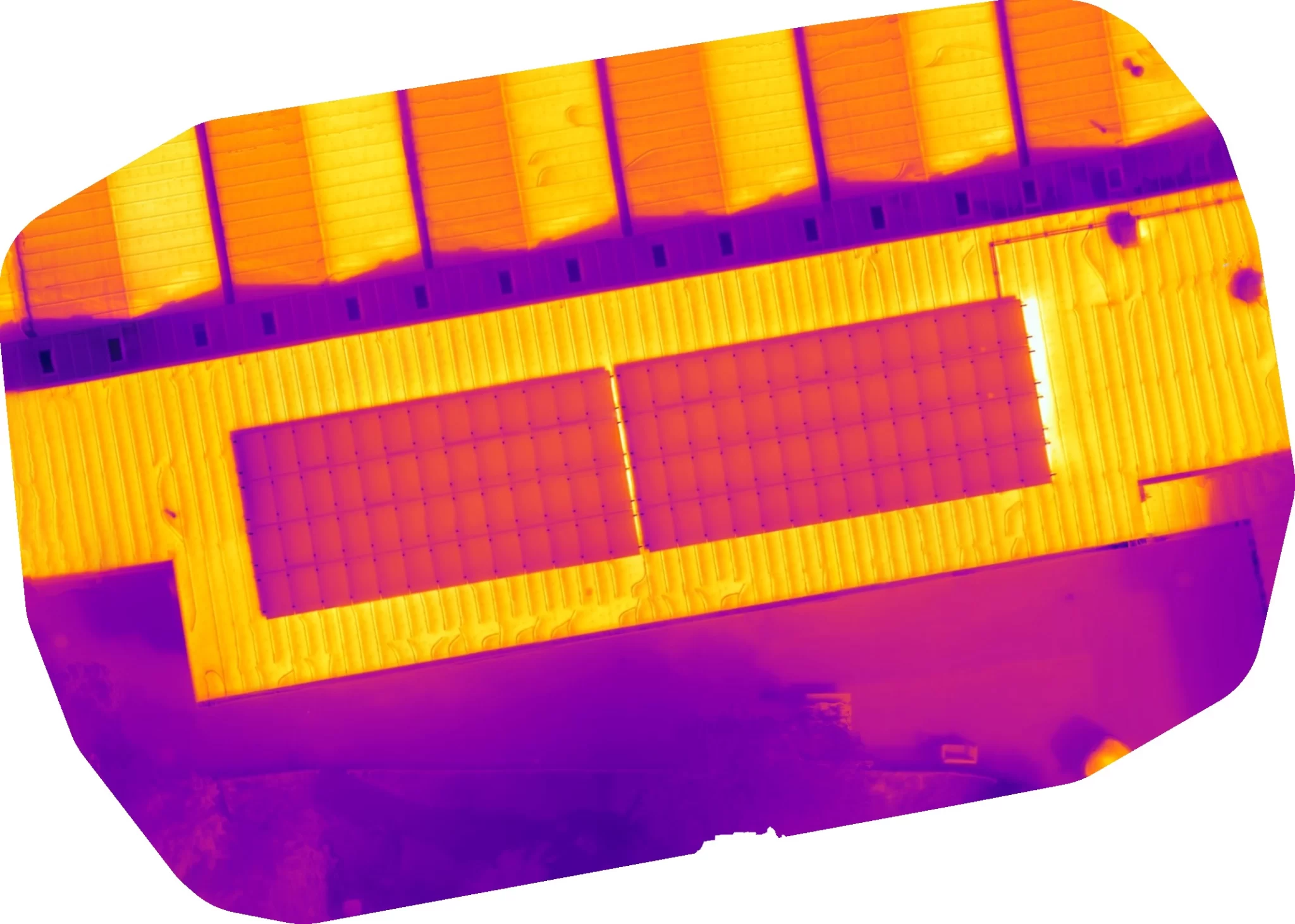
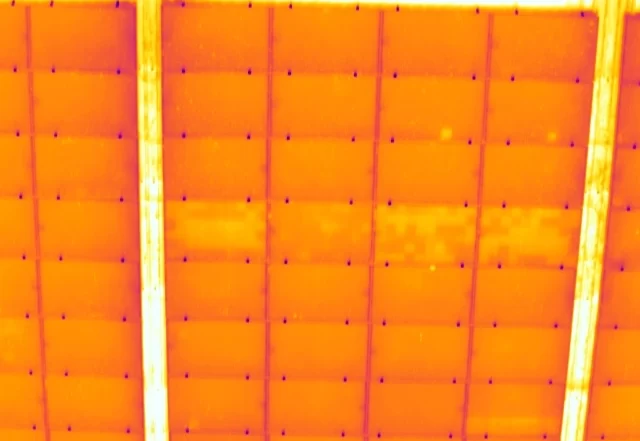
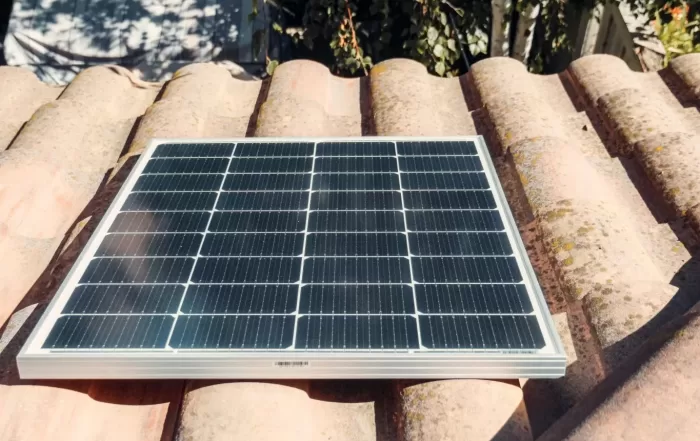
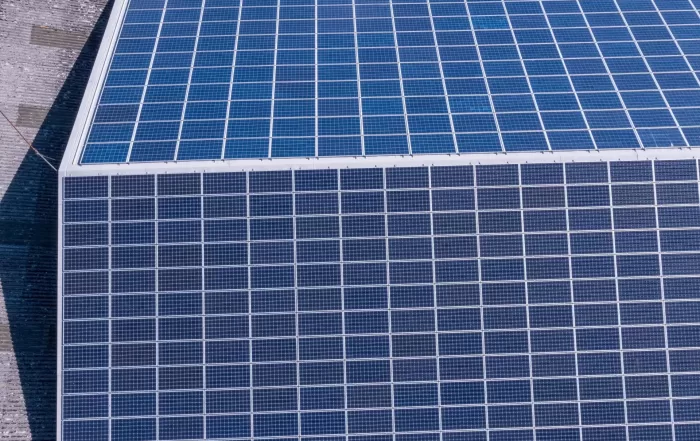
A solar installation is a four-level hierarchy: cell, sub-string, module and string within the array. A thermal camera records surface temperature across a flat plane, but the fault sits somewhere in that electrical structure, and interpretation is the work of deciding which level a warm area belongs to. This piece explains how photovoltaic installations are wired, why bypass diodes divide a module into blocks, and why the as-built string layout is as much a survey document as the imagery.


Why the Detail in an Aerial Survey Is Decided Before Take-Off
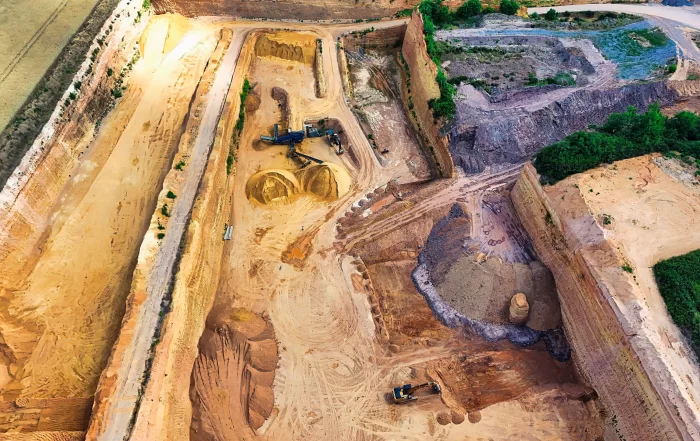
Most survey enquiries ask for high resolution without saying what the result has to do. Detail in a photogrammetric survey is not a setting applied in processing, it is a consequence of how high the aircraft flew and how much each photograph overlapped its neighbours. Both are fixed before take-off and neither can be improved afterwards. This piece explains what those two decisions control, what they cost in flying time, and why the useful thing to bring to a scoping conversation is an intention rather than a number.

Standoff Distance in Aerial Inspection: Optical Reach Versus Getting Close
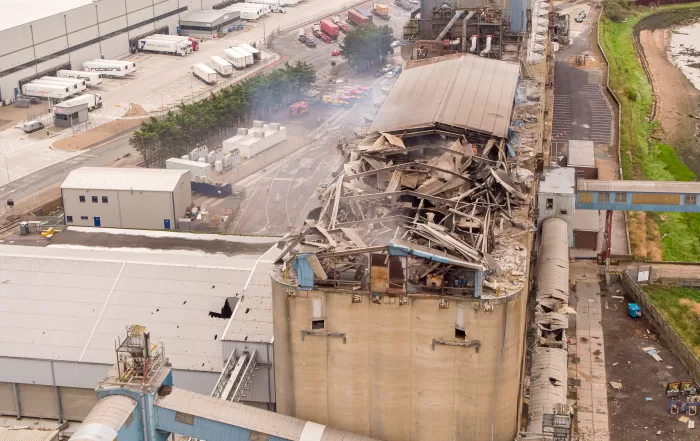
The instinct on an inspection is to move in close. On most sites that is the least useful thing the pilot can do, because proximity puts the platform among the hazards and changes the surface being measured. Standoff inverts the trade, letting the optics close the gap instead. This piece sets out what standoff buys on a working site, what actually governs the working distance, and where the limits sit, including why a thermal measurement is never a zoomed view.