BBC One Show – Alex Jones – Mother of All Challenges
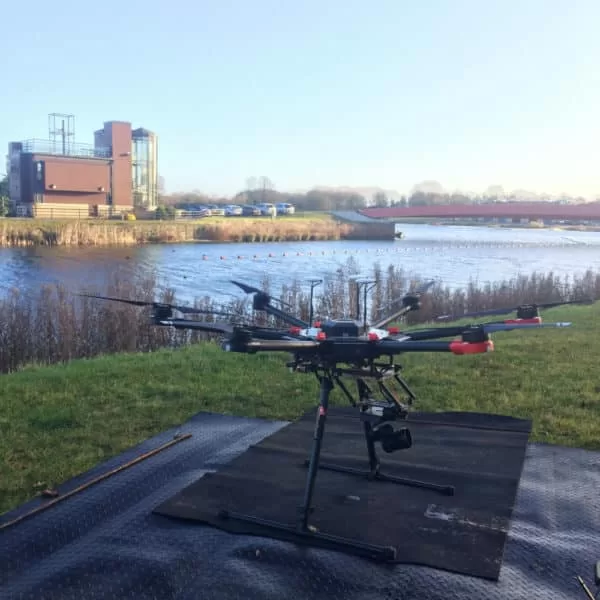
We were hired to film aerials for the BBC One Show’s Mother of All Challenges with Alex Jones for Sports Relief at Dorny Lake which was the venue for the 2012 Olympic Rowing.
The shots were used for the event promotion and general advertising, One Show and Sports Relief social media campaigns. Full details about the challenge can be viewed on the Sports Relief website here: www.sportrelief.com/news-and-tv/mother-of-all-challenges
Don’t forget to donate!


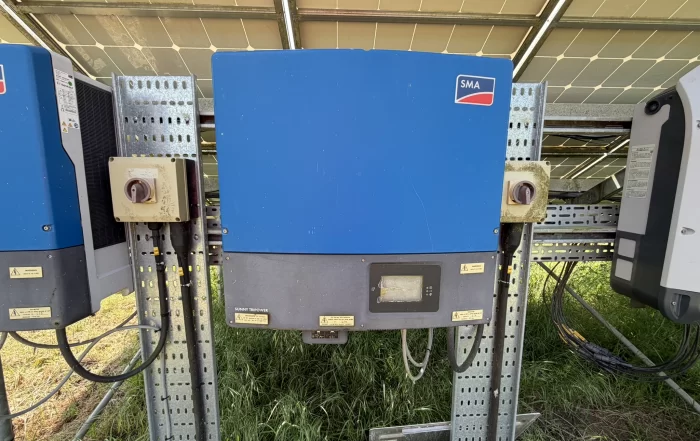
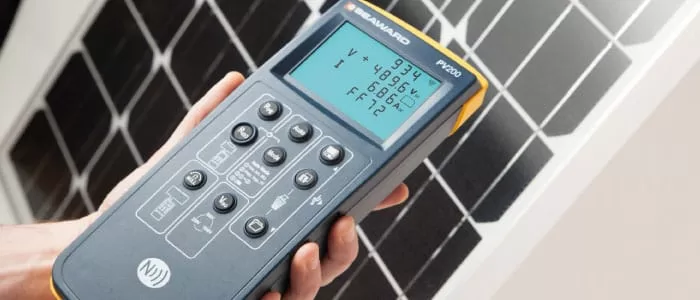
Solar String Testing: What the Curve Tells You That a Thermal Image Cannot
A thermal survey shows where a solar array is losing energy as heat. A string test shows how much a string is actually producing, and its I-V curve shows what kind of fault is holding it back. Some faults only the camera can see, others only the meter. This post explains what string testing measures, how the curve is read alongside the thermal images, and what to check about your own system before booking a combined survey of the array.
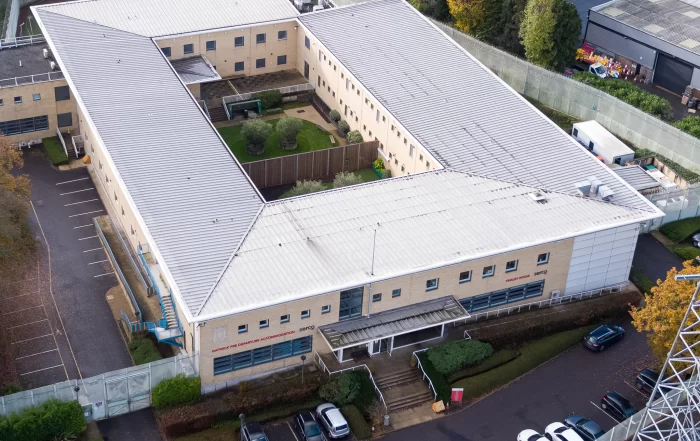
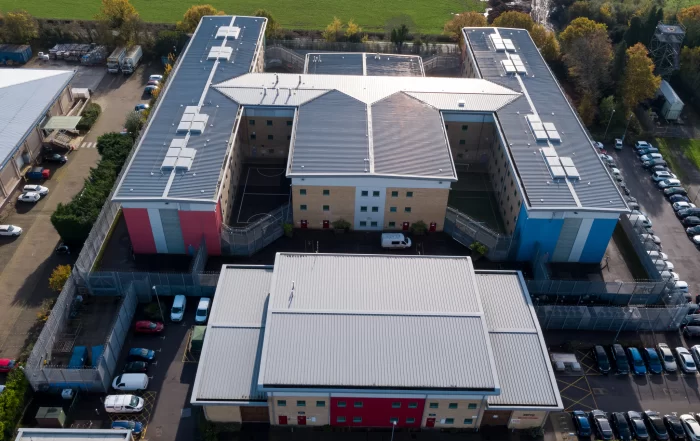
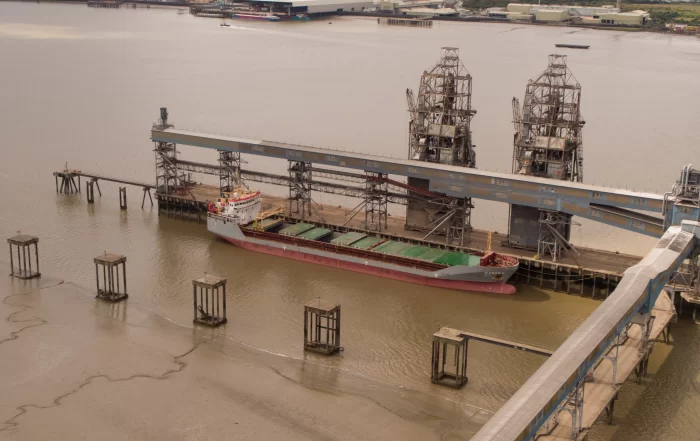
A Thermal Survey and a Building Survey Answer Different Questions
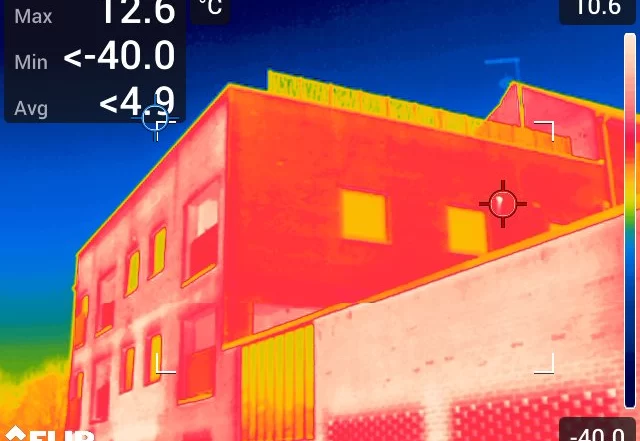
A building survey and a thermal survey both carry the word survey, and they answer different questions. One is a qualified professional's judgement on the condition of a structure. The other records where the envelope loses heat, admits air or holds moisture, under conditions written down at the time. Drone Media Imaging provides the second, and holds no surveying qualification. This is how the two work together, what each needs from the other, and why the boundary is what makes the evidence usable.
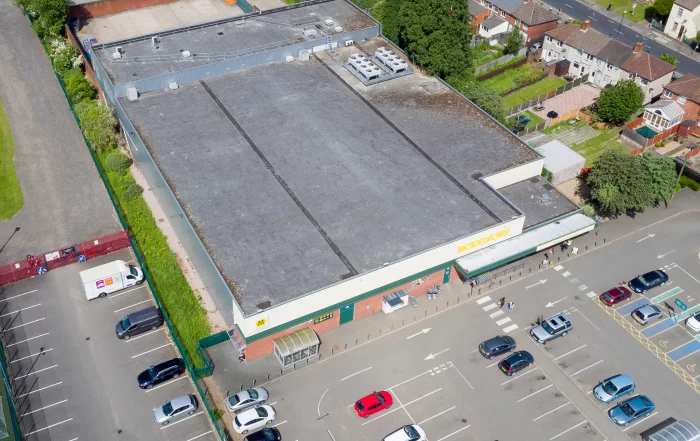
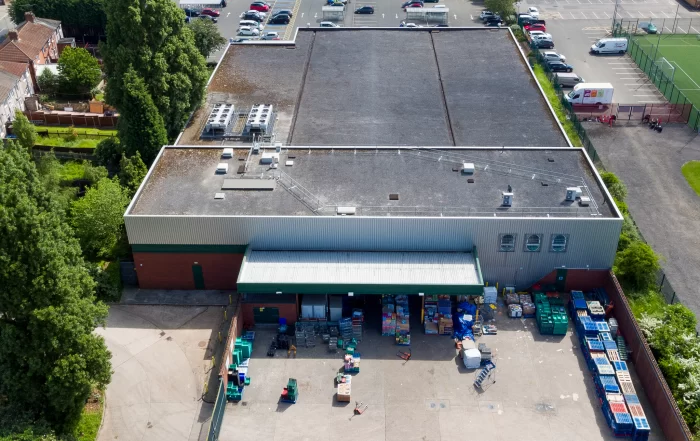
Which Building First? Thermal Survey Across a Property Portfolio
A thermal survey of one building answers a question about that building. A survey of a whole portfolio answers a different question, which is where the repair budget should go first. That second answer only holds if the surveys were designed to be compared, which means conditions logged per elevation, camera settings fixed and held, and capture geometry kept consistent from block to block. This is how a set of buildings becomes an ordered starting point rather than a stack of reports.