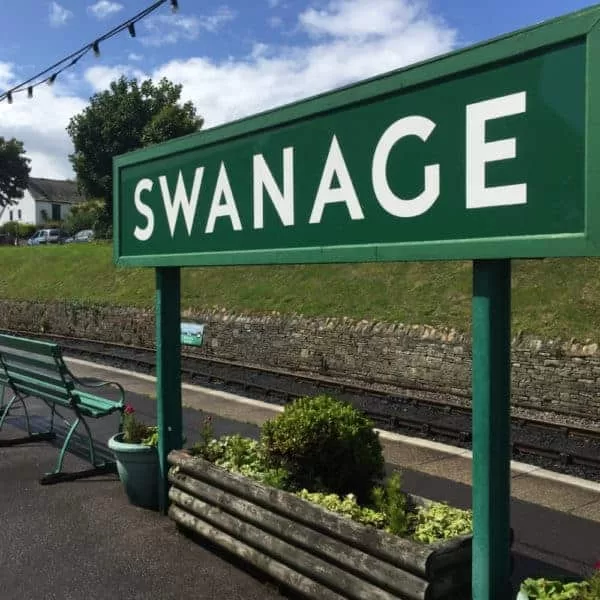
We were delighted to be invited to come and film alongside the team from the BBC’s The One Show down at the Swanage Railway.
We were part of an article that they were creating regarding the rejoining of the Swanage train station to the main railway line, something that’s been achieved through a huge amount of work by a team of volunteers in a large part. We were to provide aerial footage of the beautiful steam engine puffing its way along the route – the chocolate box Dorset countryside and you really couldn’t ask for a more picturesque backdrop.
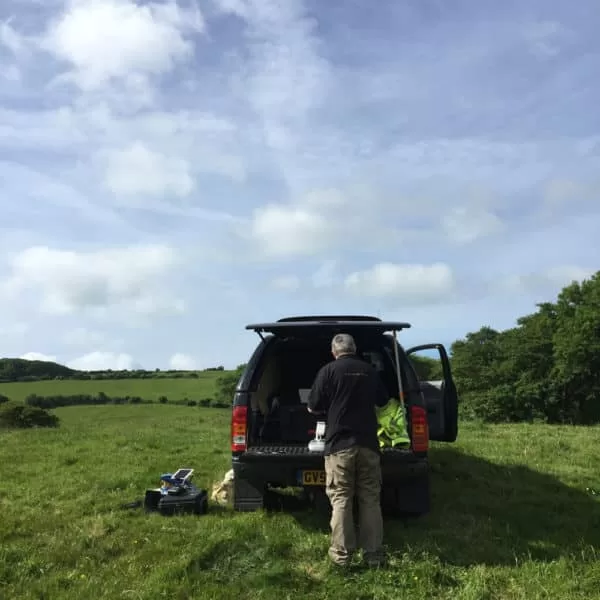
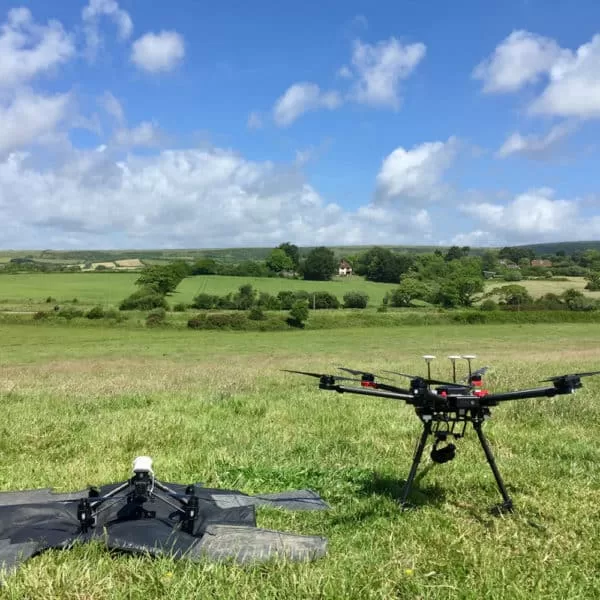
A very friendly farmer allowed us to use his field as a takeoff and landing site as it was adjacent to the rail track, giving us the opportunity to get beautiful views of the train as it headed over from Corfe Castle towards Swanage. Then we moved off to Norden station where we were able to interact even more closely with the train as it left the current final station on the line, filming almost trackside to create rising views of the drone disappearing into the steam plumes as the engine chugged beneath.
Despite relatively high winds on the day, our Matrice and Inspire fleet of craft were more than equal to the task of creating stable and stylish footage to capture both the engine and the environment with plenty pieces of the footage being used in the finished piece on BBC 1.


How Airspace Affects Your Drone Flight: What Sits Above Your Site and What It Means for the Booking
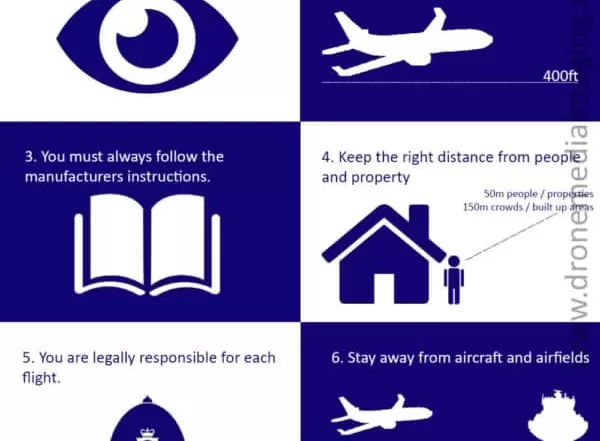
Every drone flight takes place in airspace, and airspace begins at the ground. This guide explains, in plain terms, the difference between controlled and uncontrolled airspace, the permanent prohibited, restricted and danger areas, the hazards marked on the chart, and the temporary restrictions that can appear over a site at short notice. It sets out how Drone Media Imaging checks a site before quoting and again before flying, and what a client should expect to hear back about the booking.


Aerial Imagery in an Insurance Claim: Who Commissions It, and What It Has to Show
Aerial imagery enters an insurance file by three routes: a loss adjuster who cannot safely reach a roof, a broker placing or renewing cover on a large building, and a policyholder who wants an independent dated record before a repair covers the evidence. This piece sets out what each uses the images for, and the five things that make a set of photographs acceptable to a sceptical reader: dated, placed, systematic, unaltered, and accompanied by a plain account of what was observed.


Hiring a Drone Operator: The Paperwork to Ask For, and What Each Document Proves
Booking a drone operator means checking paperwork, and the names have changed since most checklists were written. This piece sets out the three families of document a client should ask for, registration, authorisation and insurance, what each proves, and the pairs most often confused: an Operator ID against a Flyer ID, an Operational Authorisation against the retired PfCO, a GVC against an A2 CofC. It closes with the paperwork that belongs to your job rather than the operator.