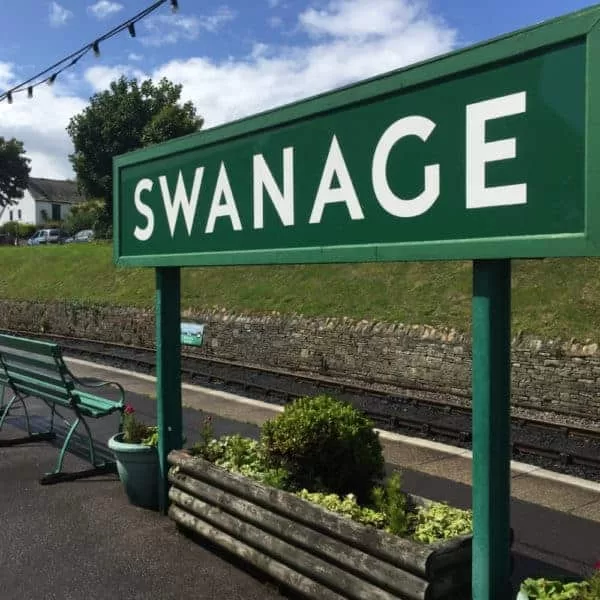
We were delighted to be invited to come and film alongside the team from the BBC’s The One Show down at the Swanage Railway.
We were part of an article that they were creating regarding the rejoining of the Swanage train station to the main railway line, something that’s been achieved through a huge amount of work by a team of volunteers in a large part. We were to provide aerial footage of the beautiful steam engine puffing its way along the route – the chocolate box Dorset countryside and you really couldn’t ask for a more picturesque backdrop.
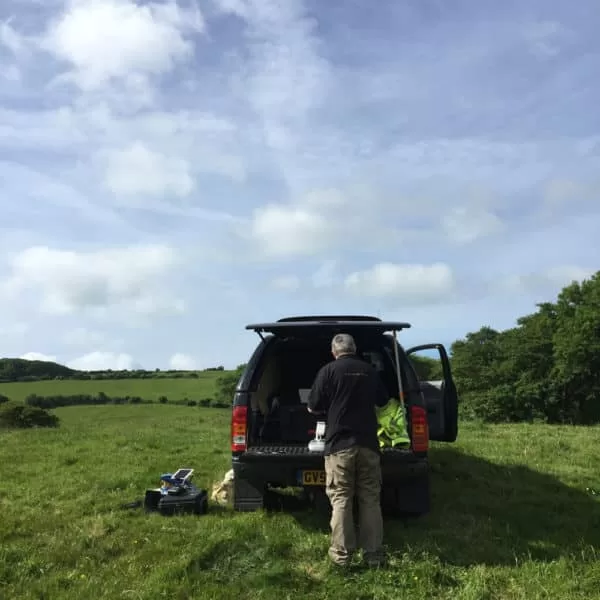
A very friendly farmer allowed us to use his field as a takeoff and landing site as it was adjacent to the rail track, giving us the opportunity to get beautiful views of the train as it headed over from Corfe Castle towards Swanage. Then we moved off to Norden station where we were able to interact even more closely with the train as it left the current final station on the line, filming almost trackside to create rising views of the drone disappearing into the steam plumes as the engine chugged beneath.
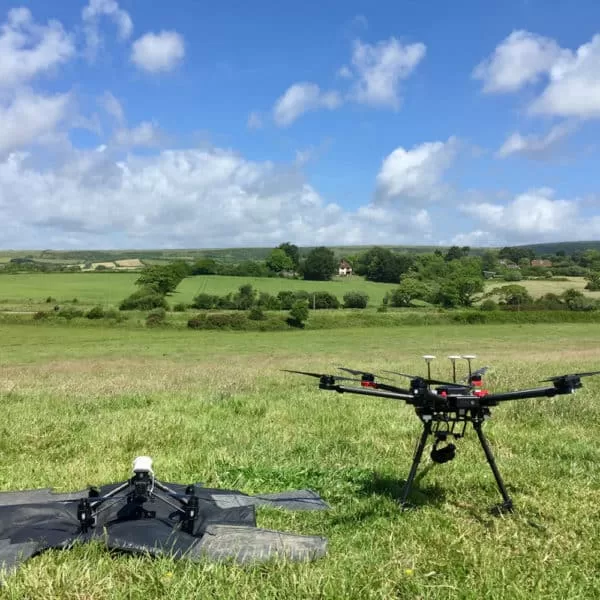
Despite relatively high winds on the day, our Matrice and Inspire fleet of craft were more than equal to the task of creating stable and stylish footage to capture both the engine and the environment with plenty pieces of the footage being used in the finished piece on BBC 1.


Air Leakage and Air Pressure: What Makes a Leak Visible to a Thermal Survey
Air leakage is only visible to a thermal camera when something is pushing air through the building fabric. Stack effect, wind and mechanical ventilation each create that pressure difference, each acts differently on different elevations, and each can disappear during a survey. This piece explains what drives air through a building envelope, why leakage appears as a spreading plume rather than a hard edged patch, and where a thermal survey stops and a pressurisation test begins.


You Fly It, We Certify It: What Remote Thermographic Reporting Can and Cannot Establish
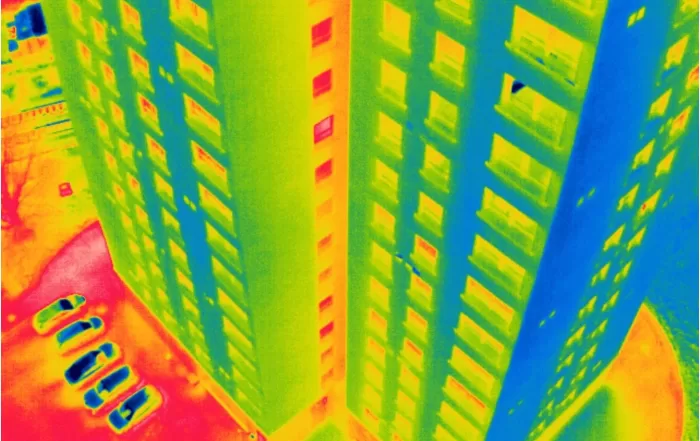
A drone operator in Scotland flew three multi-storey residential blocks in the spring of 2025. They had the aircraft, the payload and the access, but nobody able to sign the result as a certified thermographic inspection. We wrote the capture protocol for their team before the flight and certified the reporting afterwards. This piece covers why the protocol comes first, what the analysis established, and what remote reporting genuinely cannot settle.


What a Heat Loss Survey Needs From You, and What You Get Back
A building heat loss survey looks like a single cold night's flying, but most of what decides its value is settled beforehand. This piece sets out the information a thermographer needs from the building owner and why each answer changes how a thermal pattern is read, what has to be arranged before an after-dark survey of an occupied building, and what the finished report contains, including the difference between a certified inspection report and a professional opinion.