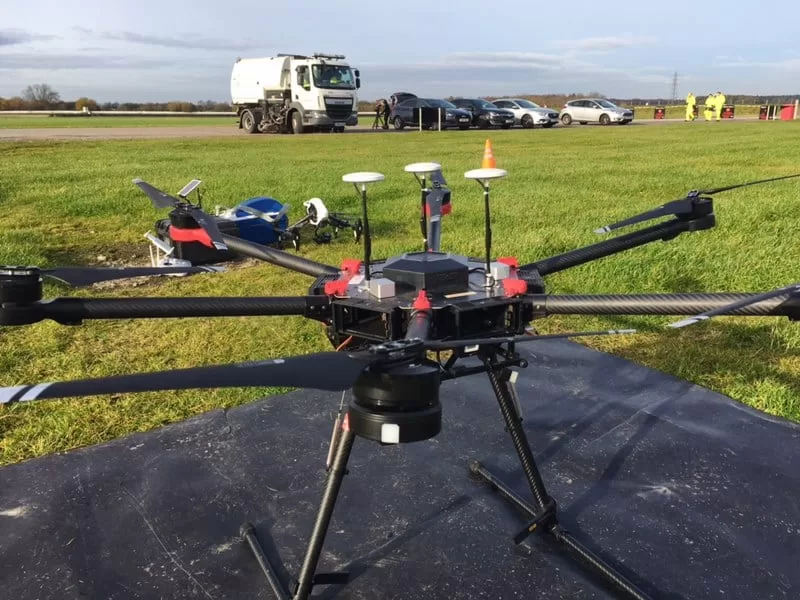
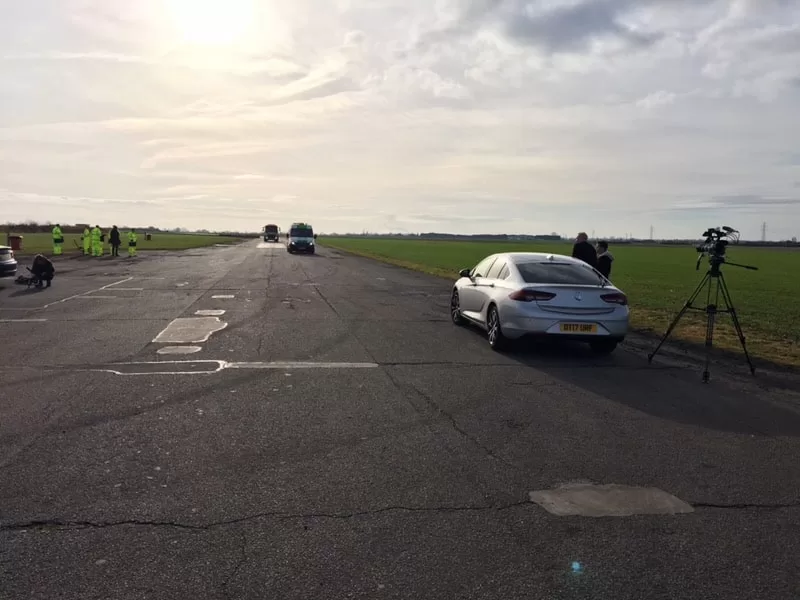
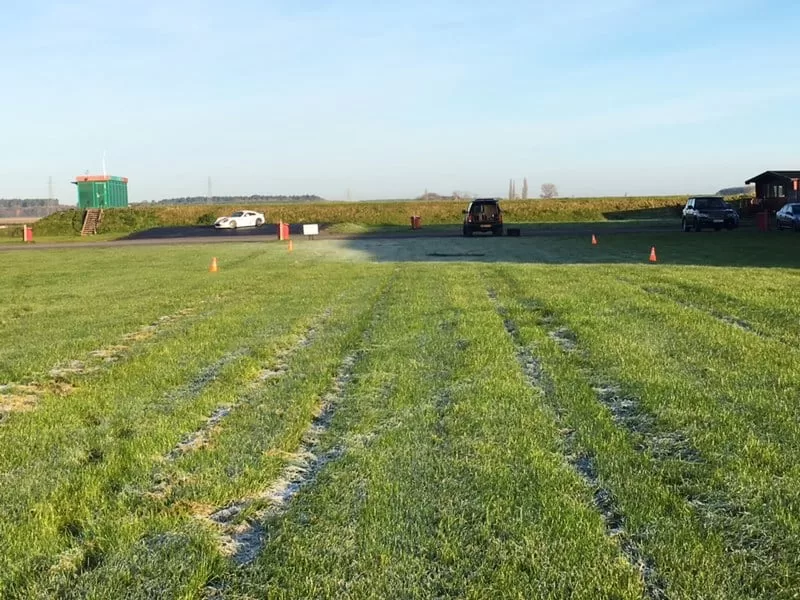
A cold and frosty morning in Doncaster at Blyton Park Driving Centre – out with the drones and the BBC One Show team filming an article about potholes!
The One Show’s presenter Iwan Thomas presents the piece and overseas the competition judged by some eminent people in their field, Victoria Hazael (Cycling UK), Vince Crain (The AA), Keith Jones (Institution of Civil Engineers). The filming took place on Blyton Race Track in Lincolnshire, where three large potholes were repaired and reviewed. They will be testing out pothole repair technologies on the racing circuit itself and we will be providing supporting cinematography from an aerial perspective!
Watch the One Show here: https://www.youtube.com/watch?v=UPqk2OEMYpU


Why an Aerial Thermal Survey Is Booked Against a Window, Not a Date
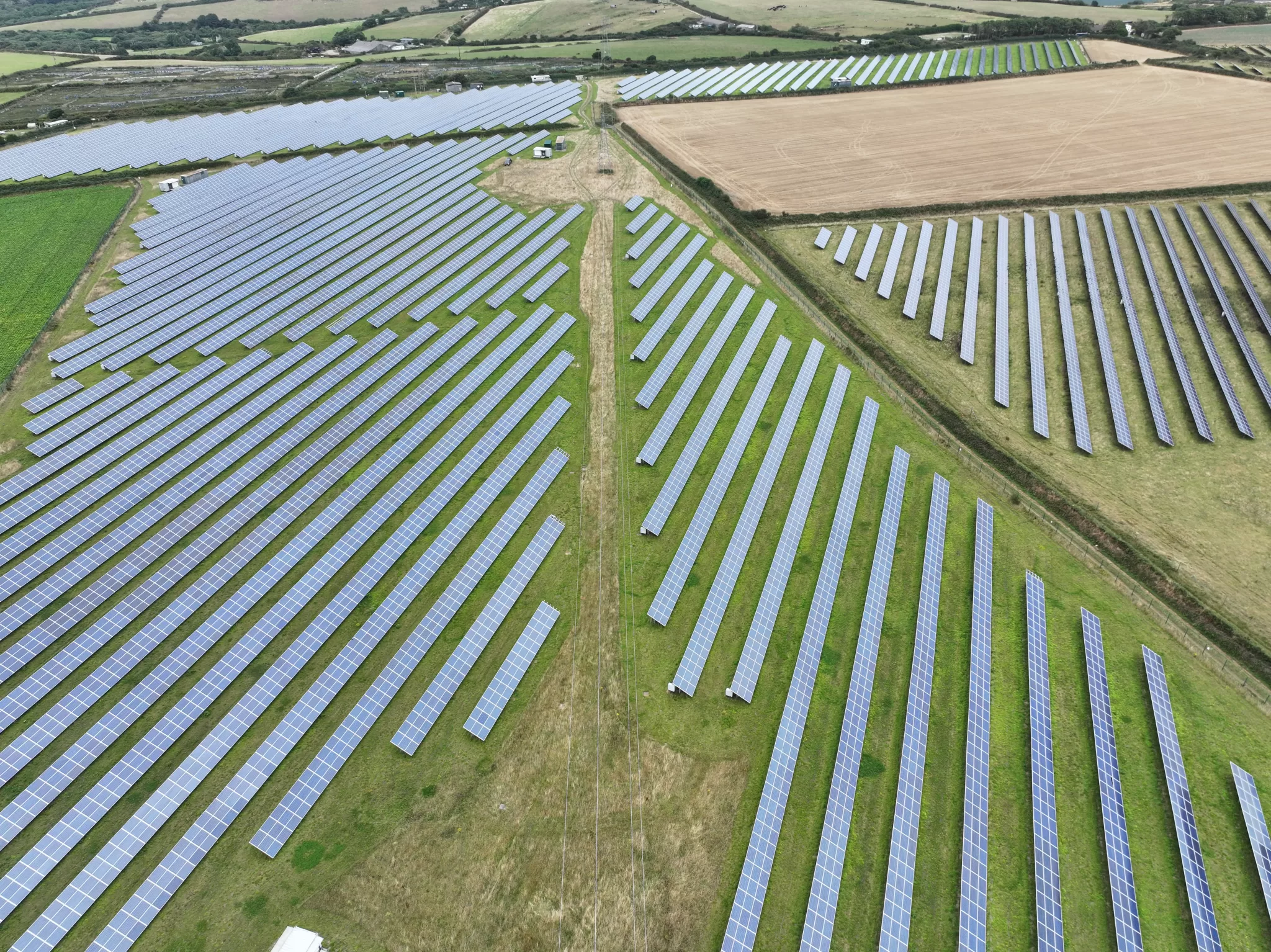
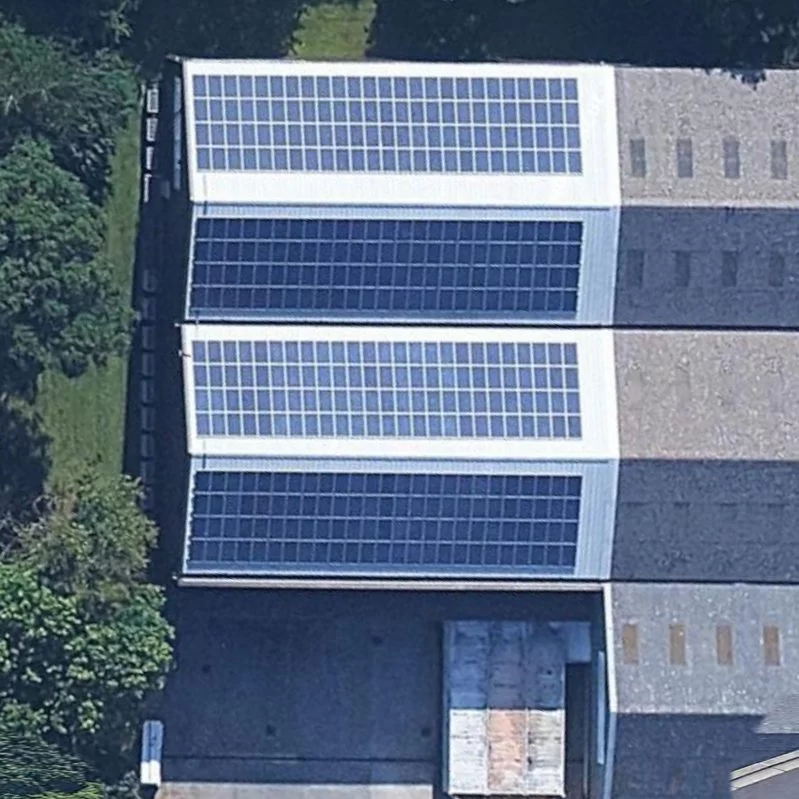
An aerial thermal survey records a temperature difference, and that difference has to exist when the image is taken. Conditions are therefore not a preference but a precondition, and different assets want opposite weather: a photovoltaic array needs bright, stable sun, a building envelope needs a cold night after dark. This piece sets out what the standards ask for, why each figure exists, and what booking against a window rather than a date means in practice.


What Turns Inspection Photographs Into a Record You Can Use Later
An inspection happens on one morning, but its photographs are usually needed months later by somebody who was not there. What makes them usable then is not the drama of the aerial view. It is whether each observation is marked where it sits, whether close detail is paired with a frame that places it, whether coverage is systematic enough that absence means something, and whether the set can be navigated at all.


Flying a Drone Near an Airport: What a Flight Restriction Zone Means for Your Site
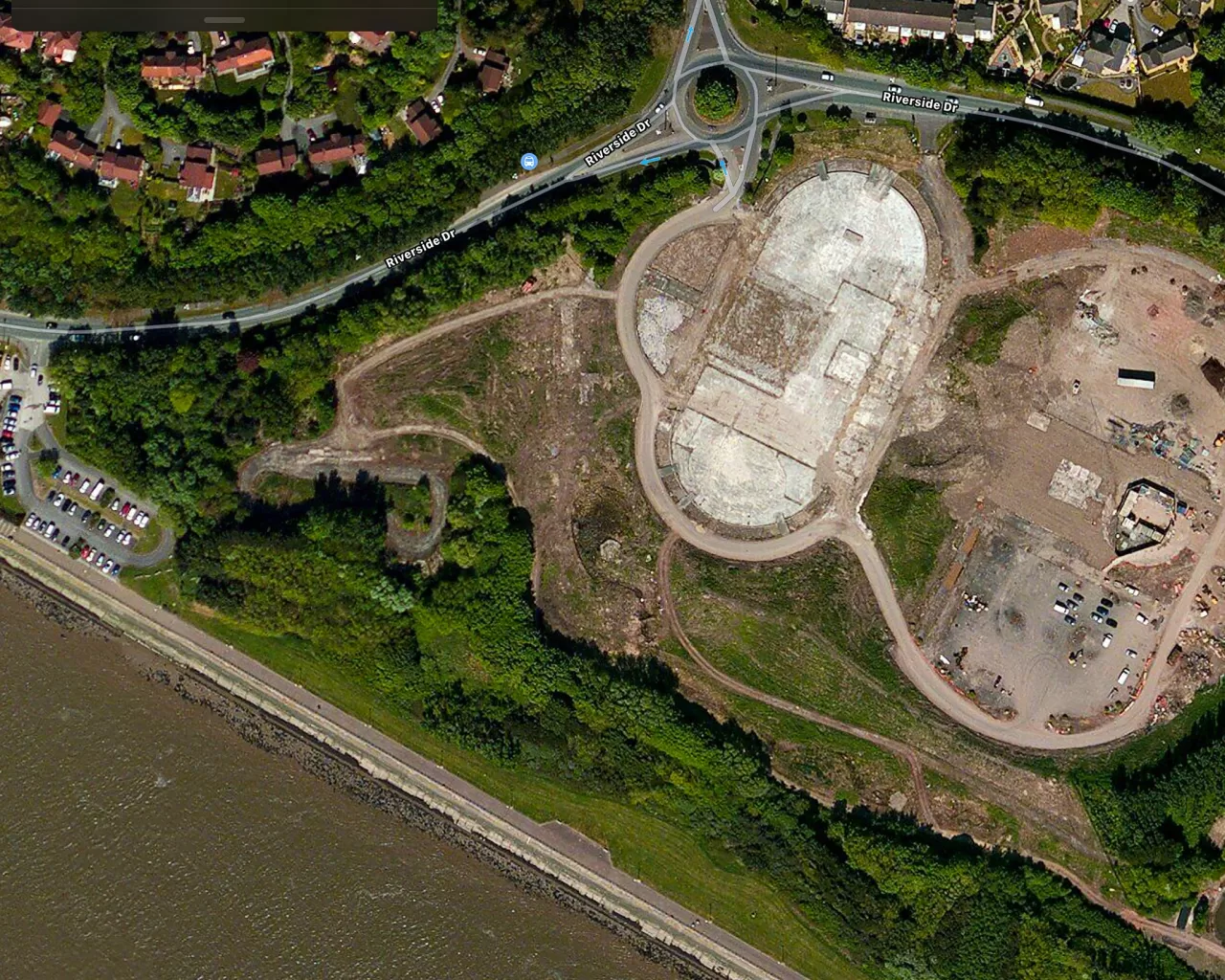
Plenty of commercial property sits close to an airport, and a Flight Restriction Zone reaches well beyond the perimeter fence. A site two miles from a runway, with no view of it, can still sit squarely inside the zone. This post explains what those zones cover, the three separate permissions that people tend to treat as one, why the airspace approval is assessed flight by flight rather than granted once, and what to tell your operator before the date is agreed.