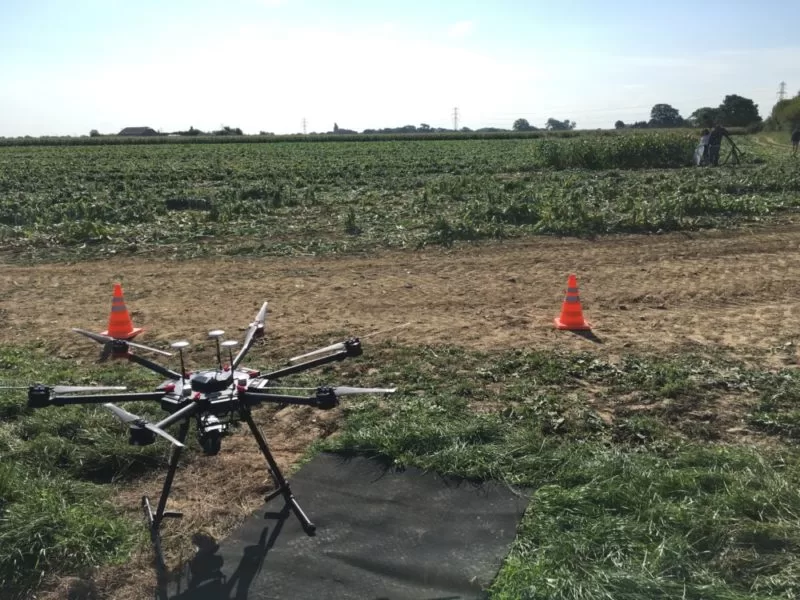
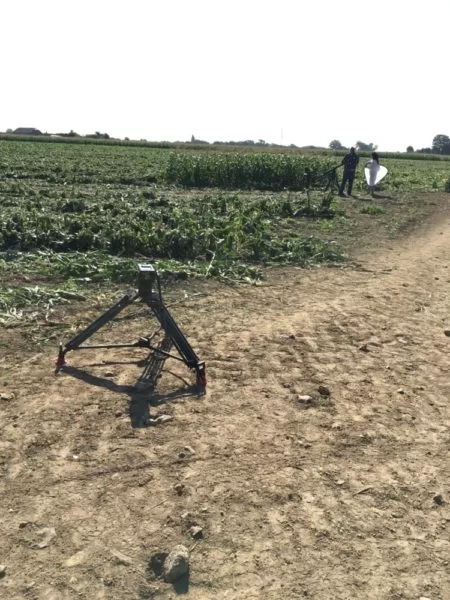
Sometimes there can be amazing stories right under your nose and occasionally our work with our drone cameras can bring them to light. When we were asked to film at Barfoots Farms for the BBC One Show, I’m ashamed to say we had not ever come across them before. So of course we turned to our friend the internet to let us find out more about the story.
What we discovered was that there is a chap called Peter Barfoot who has really changed our lives in terms of what we serve up onto our dinner table through his work on his farms across the south east and a lot of folk have never heard of him. Courgettes and sweetcorn are considered everyday type of vegetables now but this certainly wasn’t the case until the mid 70’s and Barfoot Farms are the folk that we have to thank for this in large part (as well as for tenderstem broccoli, pumpkins, sweet potatoes and a whole lot more). When Brits started to travel abroad and get an appetite for ‘foreign fruits and vegetables’, Peter saw an opportunity to grow and supply this semi exotic fare here in the UK and so it began, growing to an empire with more than 200 staff today keeping us fed with all the veg that we love. So there we go, I’ll feel differently about my dinner plate now I know a little more about what it took to get it there.
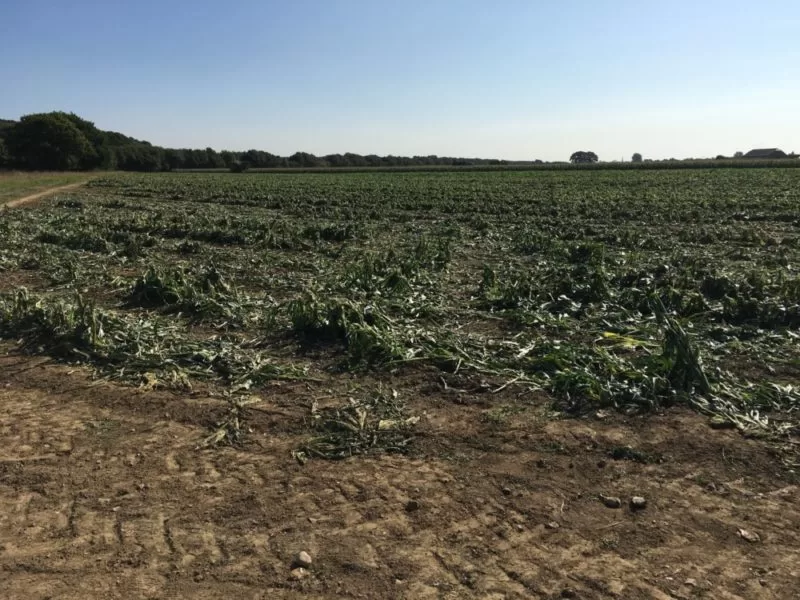
So I’ll spend the day down at Sefter’s Farm down near Bognor Regis, providing aerial cinematography to complement the finished piece and I can’t wait to find out more about the whole story during filming.
You can learn more about Barfoots Farms on thei website hire: www.barfoots.com

What to Ask a Drone Operator Before You Hire One
Commissioning aerial photography, a roof inspection or a solar survey means buying the legal basis of the flight as well as the imagery. UK drone regulation changed completely in 2020, and the old shorthand no longer describes anything real. This is a plain guide to the four documents a professional operator should be able to produce on request, what each one actually permits, and the site-specific paperwork a properly run job generates before anybody takes off.
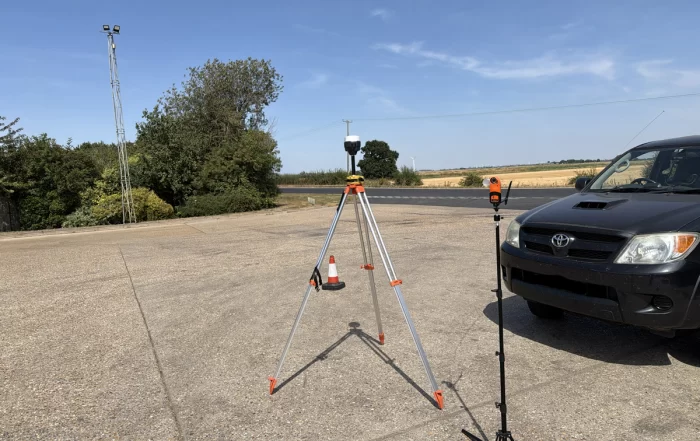
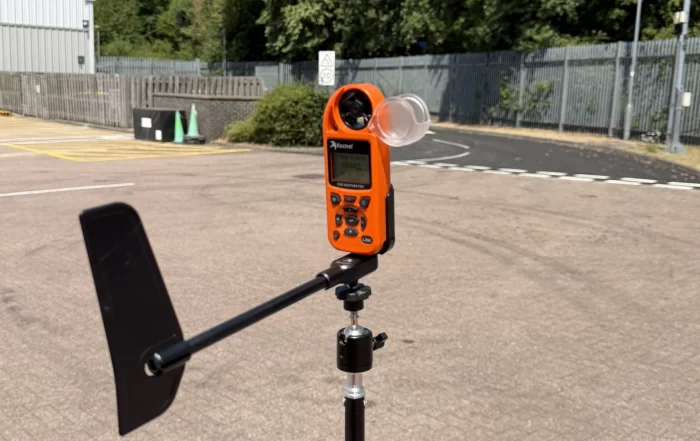
When a Solar PV Thermographic Survey Can Actually Be Flown
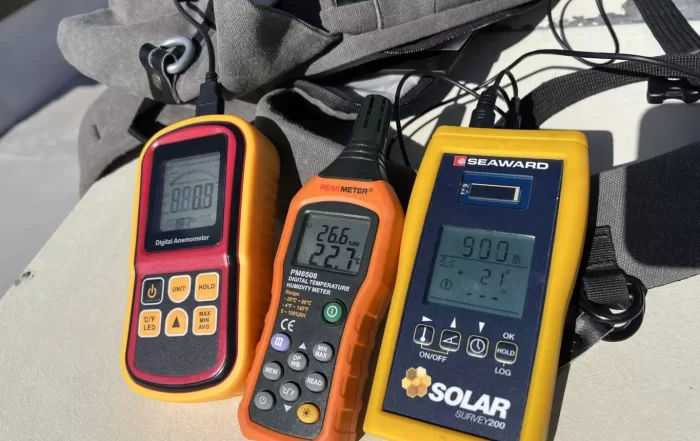
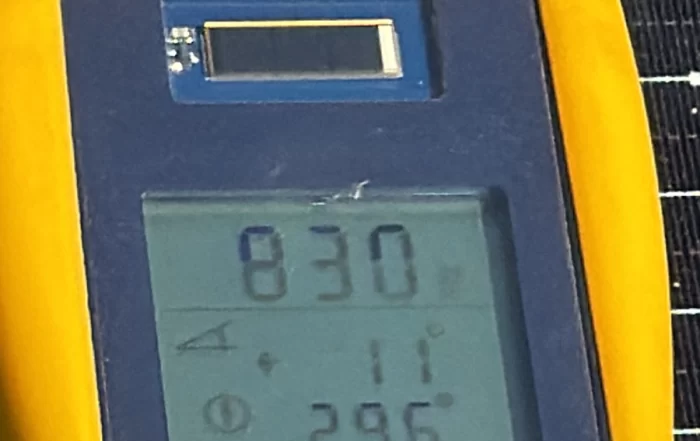
A solar thermographic survey only produces usable evidence when the array is generating properly. IEC TS 62446-3:2017 sets the minimum at 600 W/m² in the plane of the array, and sun elevation, sky stability, wind, wet panels and a curtailed array will each close the window on their own. This post explains why those conditions decide the data, and why a survey flown outside them tends to return a false all-clear rather than an honest result.
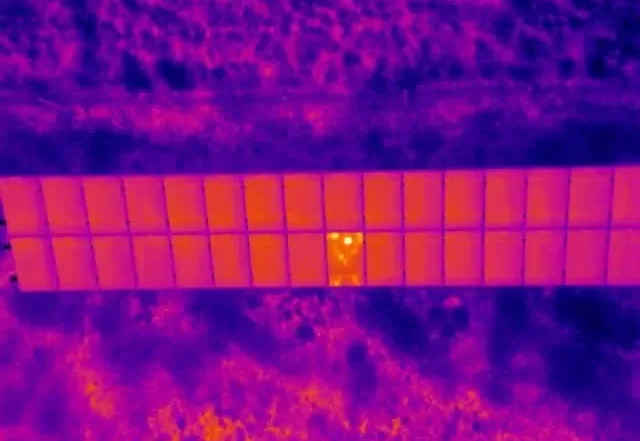
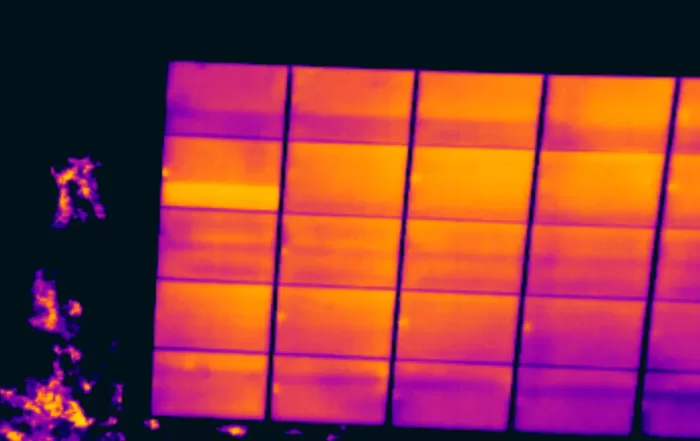
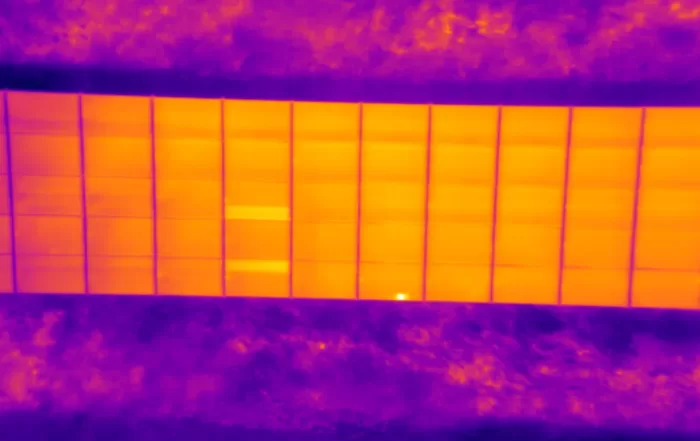
Hot Spot, Bypass Diode or PID: Reading Solar Panel Thermal Signatures
A thermal image of a photovoltaic array records surface temperature, and surface temperature is a symptom rather than a diagnosis. This post sets out how the signatures are actually read on an operating array: what a single hot cell suggests, why a uniformly warm third of a module points somewhere entirely different, how potential-induced degradation gives itself away by geometry, and why severity under IEC 62446-3:2017 is framed with caution rather than asserted from one temperature figure.