
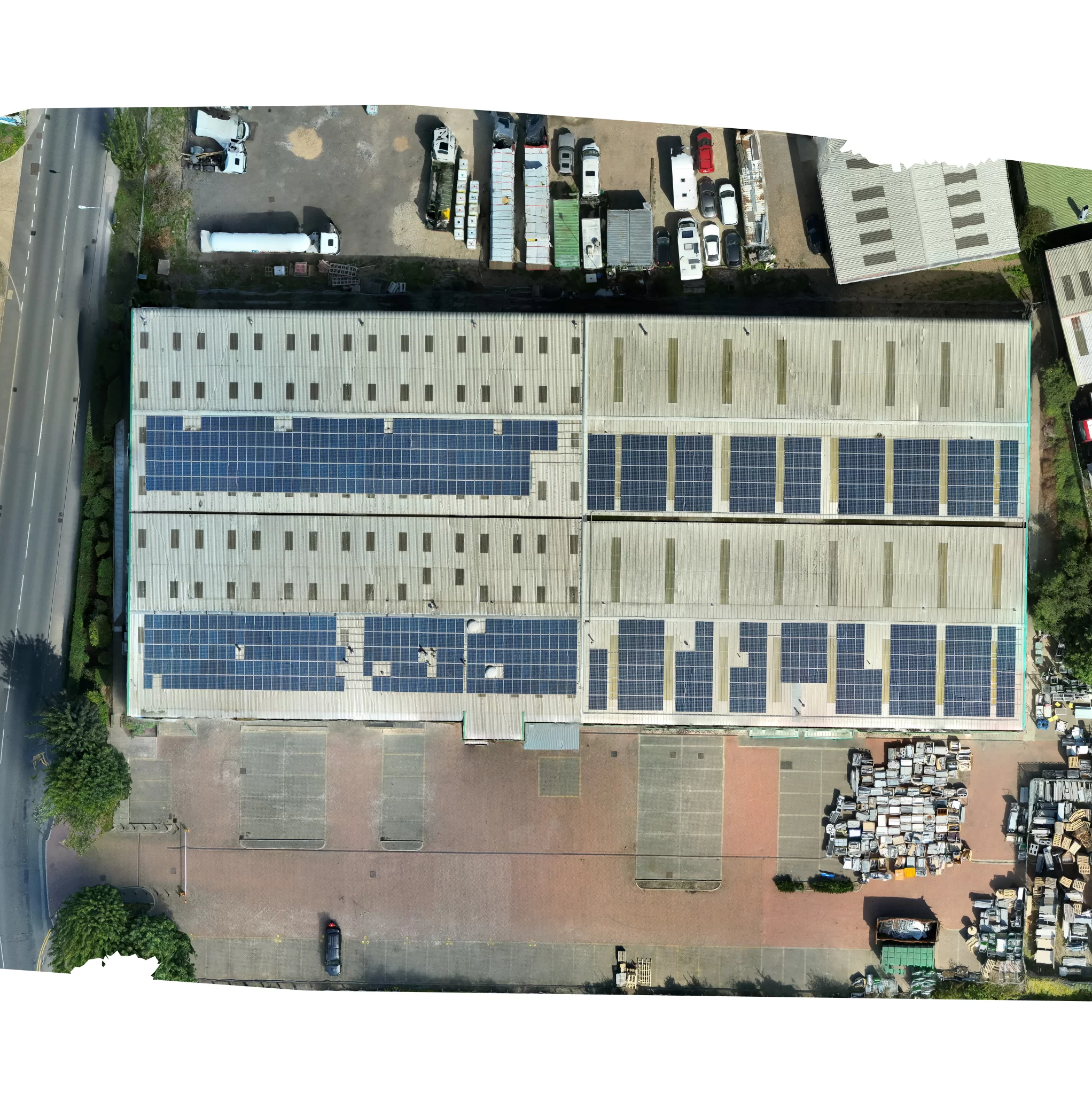
Preparing for a Solar Panel Inspection: Records, Access and Operating Status
A spring solar survey looks like a weather decision. The forecast is watched, a morning with strong, steady sun is chosen, and the aircraft goes up. From the outside that is the whole job, and the client’s part appears to end once the booking is made.
It does not, and the part the client plays decides how firmly the findings can be written. A thermal image of an array records where modules, cells and connections are running hotter than their neighbours. It does not record which string a module belongs to, whether the inverter was limiting output that morning, or whether the hot panel in the corner was already on somebody’s list. Without those answers a clear thermogram can still produce a vague report, located by row and module position only and hedged where it should be definite.
So this piece is about the weeks before the flight rather than the flight itself. It sets out the information we ask for, what needs to be arranged on site, and how a booking is held against the weather through the season. Why spring suits the work is covered separately, and the survey itself is set out on our IEC 62446-3 solar inspection page.
Blog Content TL;DR...
What a solar PV thermal survey needs from the client before the spring booking is confirmed.
- The string layout turns a hot module into a located finding. Without it, results are placed by row and module position only.
- The array must be running normally under load, with inverters on, no maintenance planned and no curtailment during the capture window.
- Access, a named contact and site permissions take longer to arrange than the flight takes to fly.
- A spring booking is held against the forecast, fixed to a capture window and checked again close to the day.
- Known faults, monitoring alerts and previous reports tell the analyst where to look twice, without deciding the finding.
The arrays that are ready first get the first good mornings of the season.
The Records That Locate a Finding
A thermal image shows where the heat is, and the plant record says what that heat belongs to
What we ask about the array
Before a solar survey is scheduled we send a short set of questions about the plant. We ask for the array capacity, the module count and the module type, because the size and cell layout of the module decide how the flight is planned and what a normal thermal pattern should look like. We ask how the array is mounted, on what roof or ground, and where the inverters sit. Above all, we ask for the string layout and the inverter map, if they exist.
Why the string layout matters most
A finding is only as useful as its location. Where a string layout is supplied, each hot module is tied to a string and an inverter, and the contractor who reads the report can walk straight to it. Where it is not, findings are located by row and module position only, and the report says so plainly as a limitation. That is still a valid survey, but somebody later has to translate our grid into their plant.
The layout also changes the reading itself. A group of warm modules scattered across a roof means one thing, and the same group sharing a single string means another, and only the drawing shows which is which. If the installer’s documentation has gone missing, it is worth asking for it now rather than the week before the flight.
how to prepare for a solar panel inspection, what a solar survey needs from the site, booking a spring solar thermal surveyhow to prepare for a solar panel inspection, what a solar survey needs from the site, booking a spring solar thermal survey
Running Normally on the Morning
The array has to be working to be surveyed
Solar thermography reads heat produced by sunlight the array is failing to turn into electricity. A module producing normally runs at a fairly even temperature, while a cell, string or connection that is not working turns its share of the light into heat instead. That contrast only exists when the plant is under load. A switched-off or curtailed array shows little of use, however clear the sky, because the working modules and the faulty ones stop behaving differently.
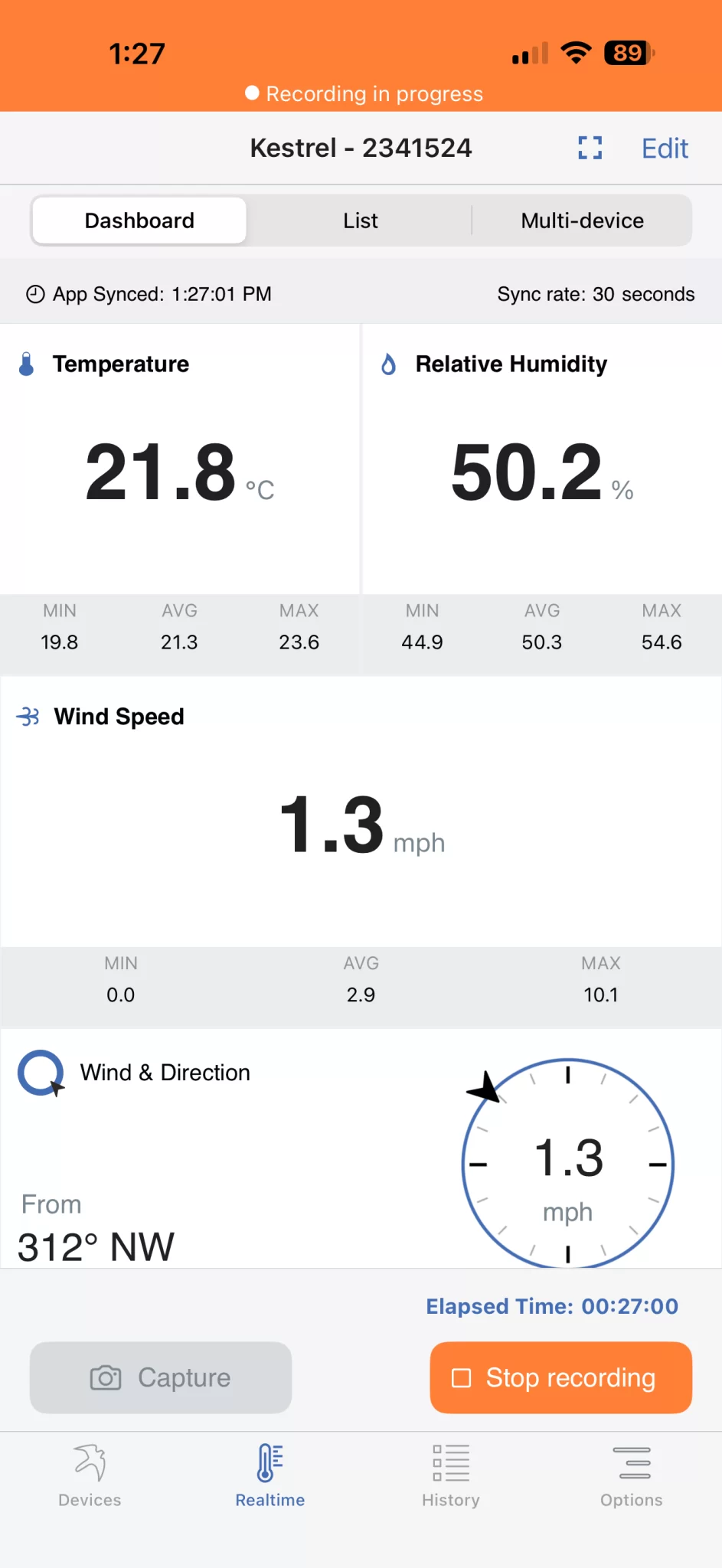
So we ask the client to confirm that the inverters will be on and the array running normally throughout the capture window, that no maintenance is planned for that morning, and that any export limit or curtailment will not be active. Where a site cannot avoid partial output, it is recorded with the reason, and the report states how far that limits the findings.
Cleaning, and when not to do it
Clients often want the panels washed first. It is rarely necessary, and washing on the morning itself is best avoided, because wet glass spoils the thermal reading until it dries. Soiling and bird fouling do create warm spots of their own, but the visual images captured alongside the thermal ones let the analyst tell them apart from genuine faults. If the array is due a clean anyway, a few days before the survey is better than the day.
What you already know
Tell us about any module already reported as faulty, any monitoring alert on a particular inverter, and any previous thermal report. None of it decides a finding. It tells the analyst where to look twice, and it lets the report say whether a known issue has changed. What the survey covers is set out on our solar PV surveys page.
Access, Contacts and the Weather Hold
Access and permissions
Confirm who can authorise the flight over the building or site, and where the aircraft can take off and land. On a commercial roof that usually means the facilities team, a landlord or both. On a ground-mounted site it means gate access, any site induction, and a route to the array. Airspace permissions near an aerodrome or a restricted area take time to arrange, which is one more reason to start early.
A named contact for the day
The survey needs one person on site, or reachable by telephone, who can confirm the array is running, open the gate and answer a question about the plant. Where string-level electrical testing is part of the agreed scope, it runs under its own procedure, and the isolation arrangements are agreed with the right people in advance. That conversation is better had at booking than on the roof.
How a weather-held booking works
A thermal survey of an array cannot be fixed to a date the way a meeting can. We agree the site, the scope and a period, then hold the booking against the irradiance forecast and choose a capture window with strong, stable sun, low wind and dry panels. The forecast is checked again close to the day, and if the morning will not meet the conditions the flight moves rather than going ahead under a marginal sky. Clients with everything above in place can be moved into the first good window of the season, instead of waiting behind the paperwork.
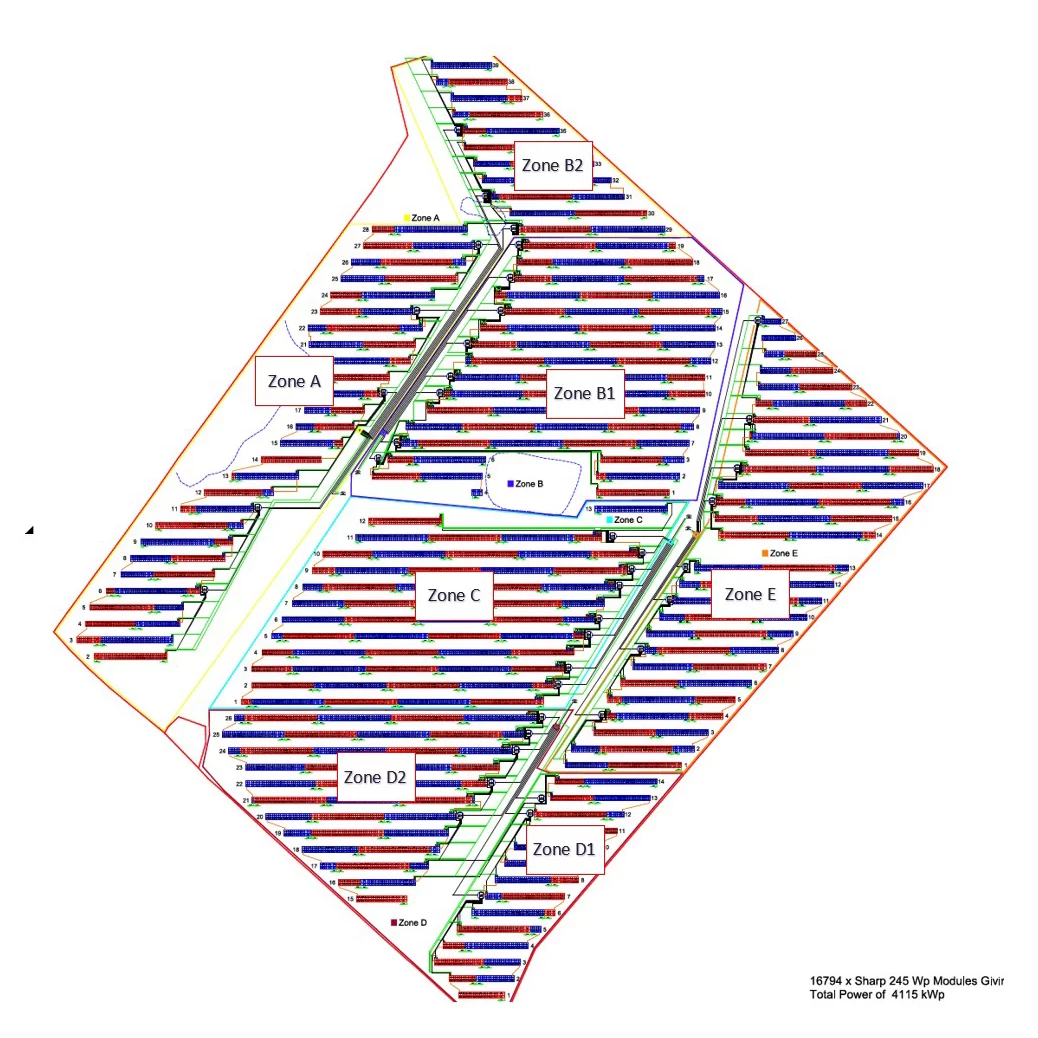
String layout and inverter map. Used to number the array on an agreed scheme, so every finding carries a string and inverter reference. Where none is supplied, findings are placed by row and module position and the limitation is declared.
Module type and count. Used to set the flight height so each cell is resolved clearly, and to confirm what a normal thermal pattern looks like for that module.
Operating status. Recorded for the capture window. Partial load or curtailment is noted with its reason, because it limits what an absence of findings can be taken to mean.
Conditions. Irradiance in the plane of the array, air temperature and wind are recorded for every pass, alongside the viewing angle and flight height, and any pass flown outside the required conditions is repeated.
Known issues. Recorded against the module or inverter concerned, so the report can state whether each was confirmed, changed or not seen. Nothing supplied by the client is treated as a finding until the imagery supports it.
Governing Standards
- IEC TS 62446-3:2017 is the methodology this work is aligned with for outdoor infrared thermography of photovoltaic modules and plants, including the irradiance, weather and viewing conditions under which a thermogram is valid.
- IEC 62446-1 covers the system documentation a survey draws on, which is why the string layout and plant record are requested in advance.
- Findings are areas warranting further investigation by a suitably qualified contractor. The survey identifies thermal patterns consistent with module, string and connection faults, carries out no remedial work, and where electrical testing is included it is at string level only.
- Survey, analysis and reporting are conducted by Steve Fisher, ITC Level III Certified Master Thermographer (Infrared Training Centre; Certification #205722059), practising in accordance with the frameworks of ISO 18436-7:2014, ASNT SNT-TC-1A and ANSI/ASNT CP-105, and BINDT CMGEN Appendix B as UK training governance.
Get the Array Ready for Spring
If a solar survey is planned for the spring, the winter months are the time to prepare for it. Tell us the site, the size of the array, whether a string layout exists and what has prompted the survey, and we will come back with the information we need, a price and the conditions we will wait for on the day.
The paperwork takes longer than the flight. Arrays with their records and access in order are the ones that fly in the first good window.
We work across Sussex, Hampshire, Kent and Surrey, and travel throughout the United Kingdom, Ireland and Europe.
related posts
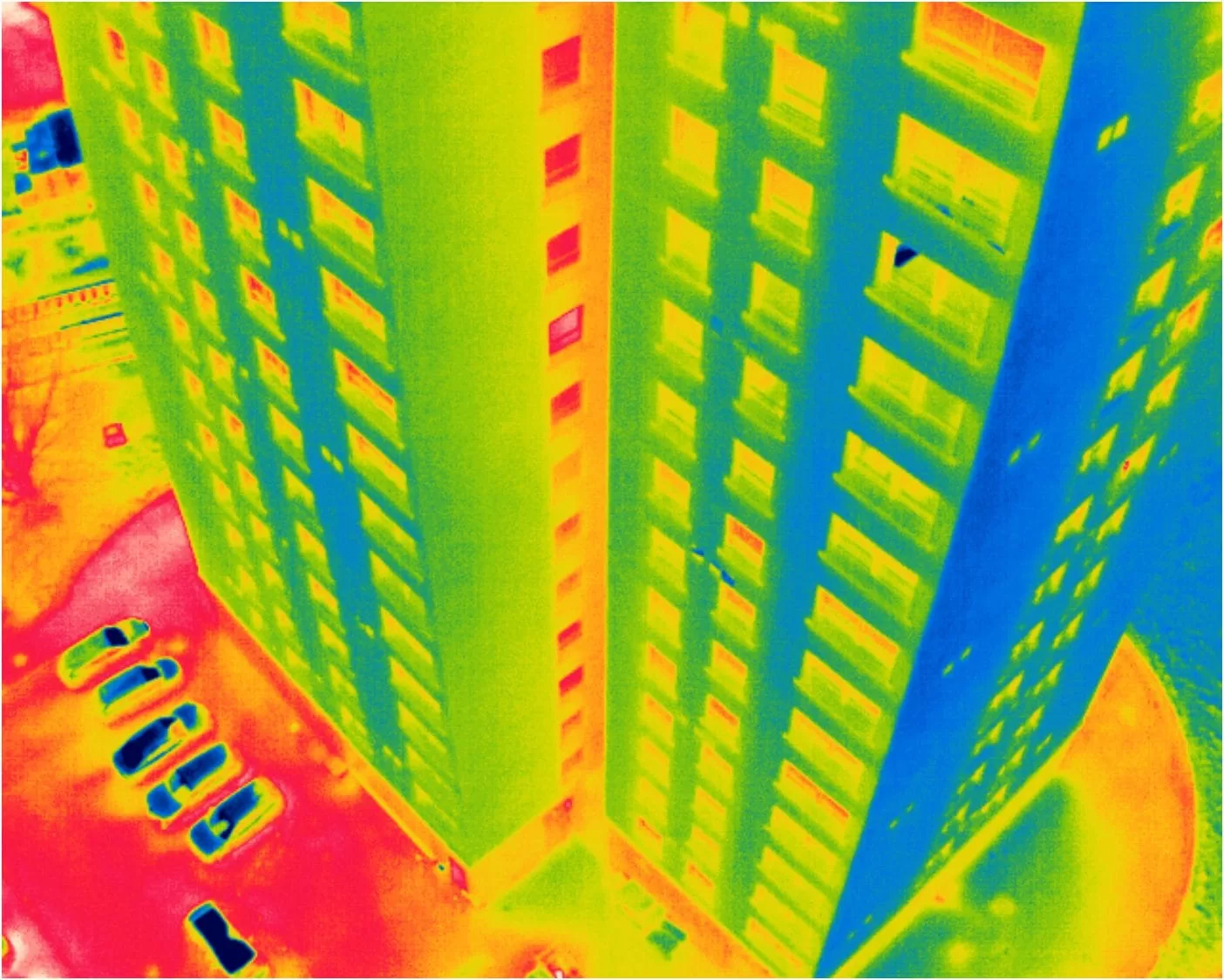
A drone operator in Scotland flew three multi-storey residential blocks in the spring of 2025. They had the aircraft, the payload and the access, but nobody able to sign the result as a certified thermographic inspection. We wrote the capture protocol for their team before the flight and certified the reporting afterwards. This piece covers why the protocol comes first, what the analysis established, and what remote reporting genuinely cannot settle.

How close can a drone legally fly to people and buildings in the UK? This piece sets out the ground rules in plain terms: the Open category subcategories A1, A2 and A3, the 120 m height limit, the separation kept from uninvolved people and from residential, commercial, industrial and recreational areas, what "uninvolved" means for your own staff and visitors, and why a Specific category Operational Authorisation is what lets a commercial operator work closer on a busy site.
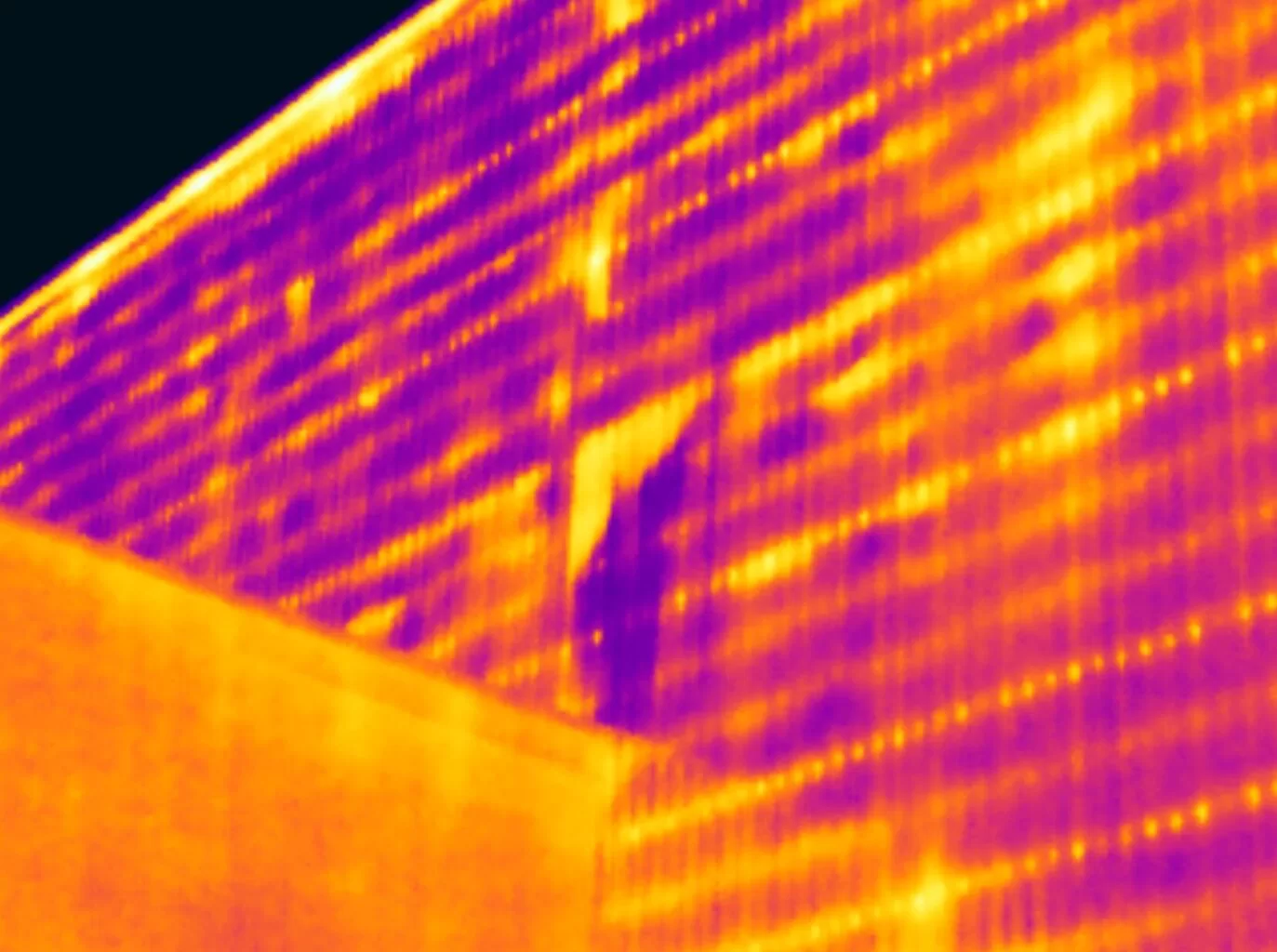
Thermography, a non-invasive technique that uses infrared imaging to detect temperature variations, has emerged as a powerful tool in the field of building diagnostics. By capturing thermal images of structures, thermography enables professionals to identify areas of heat loss and energy inefficiency. This article explores the benefits of using thermography to pinpoint heat loss in structures, providing valuable insights into how this technology can help improve energy efficiency and reduce carbon emissions.