Blog Content TL;DR...
Experienced and Specialist Aerial Thermography at Grain Store Explosion
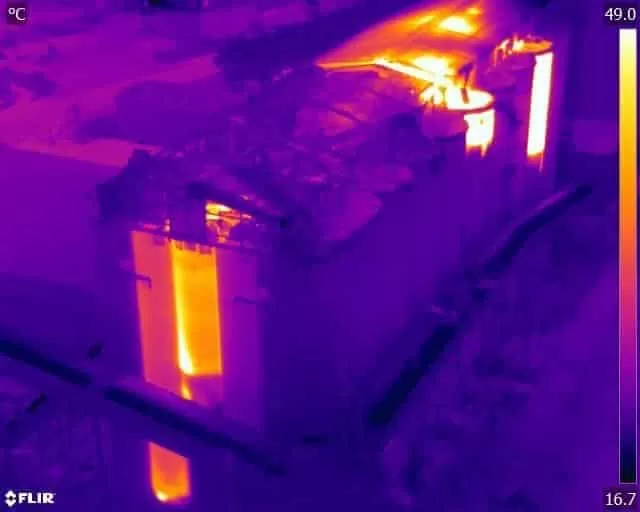
Thermal Fire Monitoring Following
Grain Store Terminal Explosion
Grain Store Explosion and Year-Long Fire Management
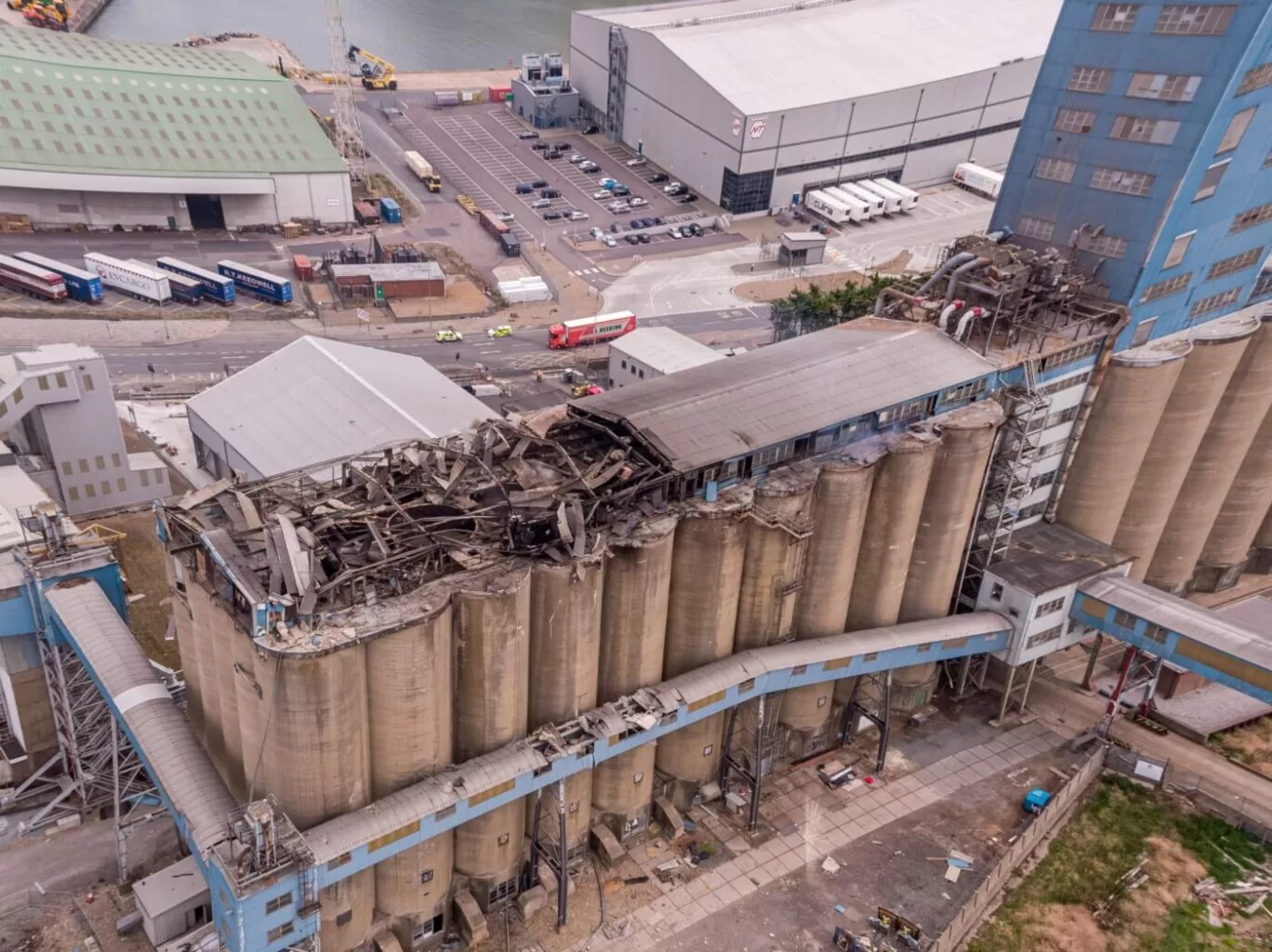
On July 5, 2020, an event, possibly a spark, triggered a large dust explosion and a subsequent fire at the Grain Store Terminal at the Port of Tilbury in London. This was a serious event that required the attention of a large-scale emergency response to get the subsequent grain fire under control and avoid additional explosions. No one was seriously hurt, which is nothing short of a miracle given the number of people on the scene and the amount of reinforced concrete and debris thrown high into the sky before raining down on the surrounding buildings.
Traditional firefighting methods and techniques are ineffective in the case of grain storage fires. Using water to extinguish the inferno is ineffective with grain and dust fires, and the added weight might have caused a catastrophic structural collapse, exacerbating an already challenging situation. As a result, London fire teams were on the scene for days while a proper fire strategy and plan was developed and implemented, with staff always remaining on-site to monitor the situation over the following weeks.
Throughout this early period, there was always the possibility of more explosions and the fire spreading since the grain stored in the linked silos generates dust that may ignite if the temperature is high enough. Drone Media Imaging was contracted to fly thermal imaging flights to collect temperature data to estimate fire spread and track fire management efforts over time. For instance, were the temperatures rising, falling, or remaining constant?

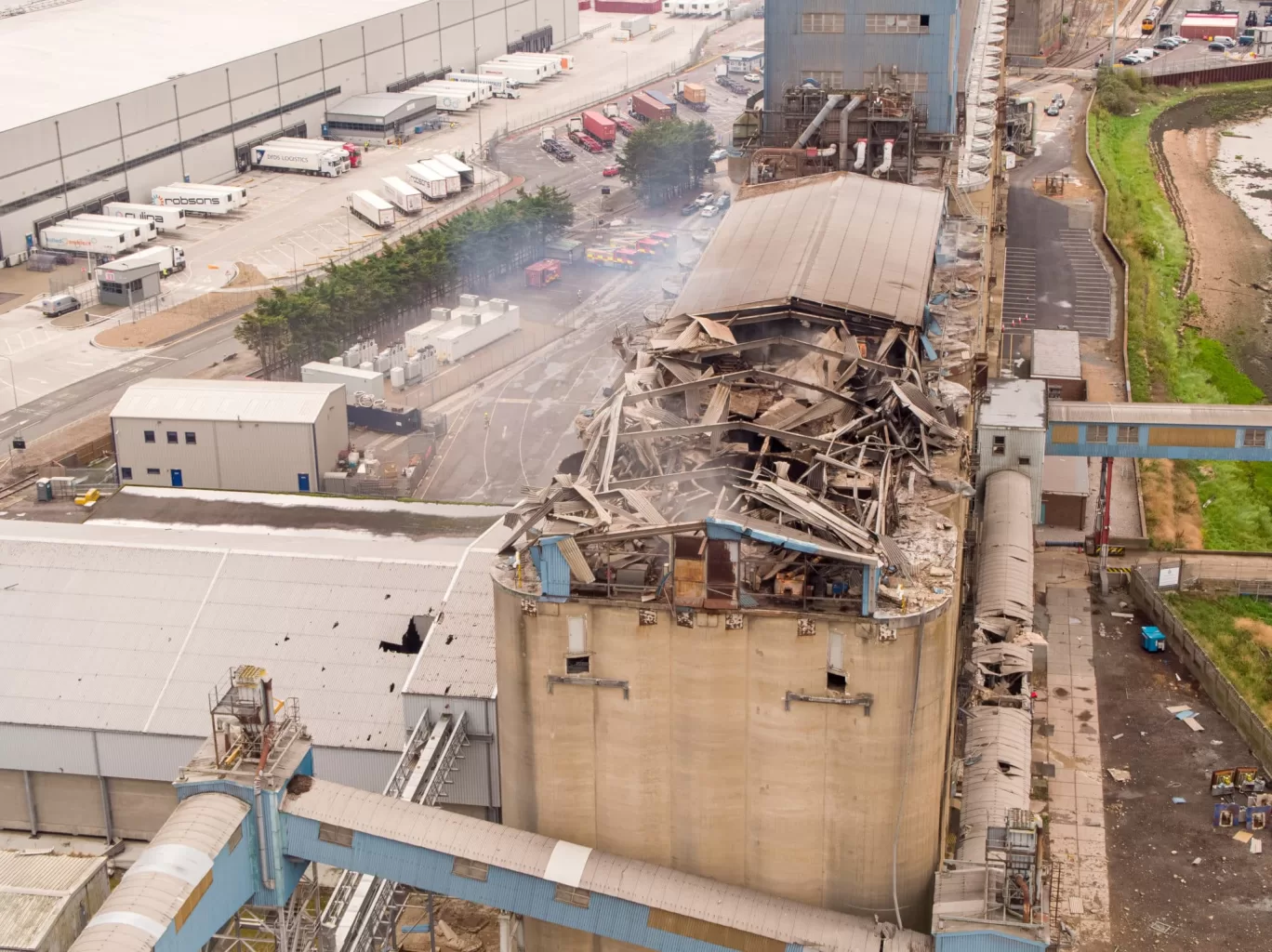
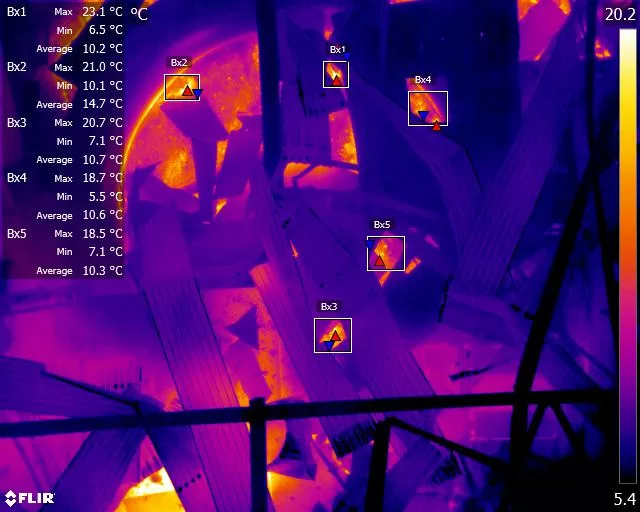
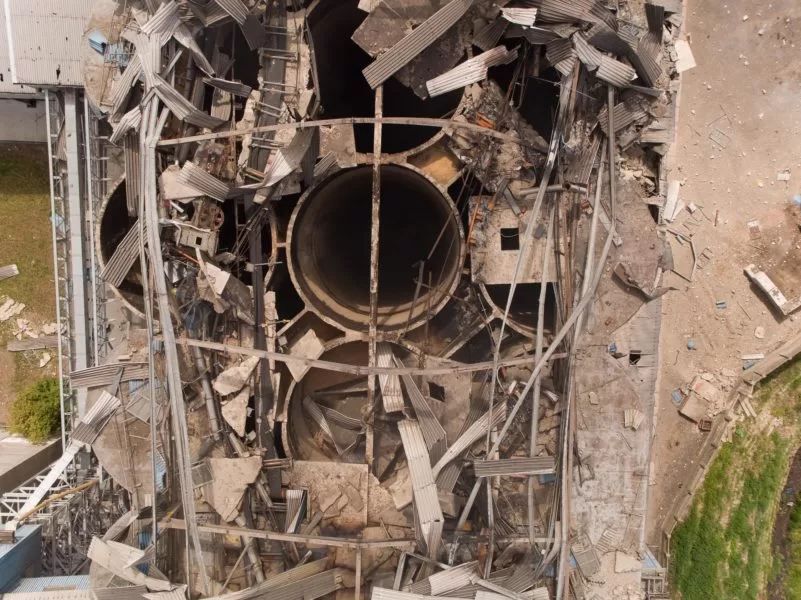
We began operations on July 7, 2020, flying three flights each day, seven days a week initially, to compare temperatures and report back to crisis management teams and emergency service gold commanders. We eventually completed our thermal imaging missions one year and a month after the initial Grain Store explosion in late August 2021. While not all of the silos were full with grain, many were, and several were burning at temperatures far beyond 800°C. Before the fire could be quenched, the building had to be entirely demolished. Temperatures more than 80°C were still being recorded in the grain that remained on the ground after demolition 13 months later.
Gaining safe access initially to the terminal to fly was not without difficulty, as emergency services had imposed a 50m exclusion zone surrounding the terminal due to the possibility of additional explosions. As a result, our risk assessments and method statements had to be developed specifically for this circumstance and rigorously tested to assure both safe drone flights and the most accurate thermal data gathering at this vital juncture.
We continued to provide the Port of Tilbury London and the accompanying emergency services with daily and weekly calibrated temperature measurements that documented the progress of the grain store fire over 13 months. As thermal infrared aerial specialists, we provided data in the form of detailed reports, thermal imaging, RGB photographic and video footage.


Dust Explosion and Fire Management Reporting
We are certified and approved drone pilots and work throughout the UK to provide both aerial and ground based photography, video/filming and thermography services. Fully insured and certified by the CAA with enhanced permissions for day and night time flights
related posts
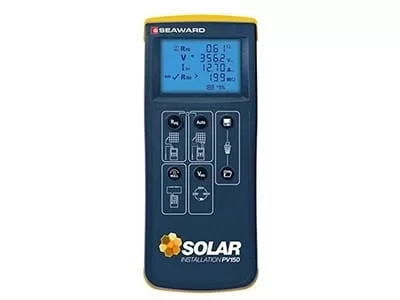
Drone Media Imaging now offers certified IEC 62446-compliant solar string testing, delivering complete electrical diagnostics for commercial PV systems. This new service verifies string integrity, insulation, voltage, current, and performance using advanced I-V curve tracing and Fill Factor analysis. Ideal for commissioning, troubleshooting, and maintenance, our testing supports safety, compliance, and ROI assurance. Combined with thermal imaging, we offer a powerful dual-inspection approach. Book today to ensure your solar array is operating safely, efficiently, and within international performance standards.
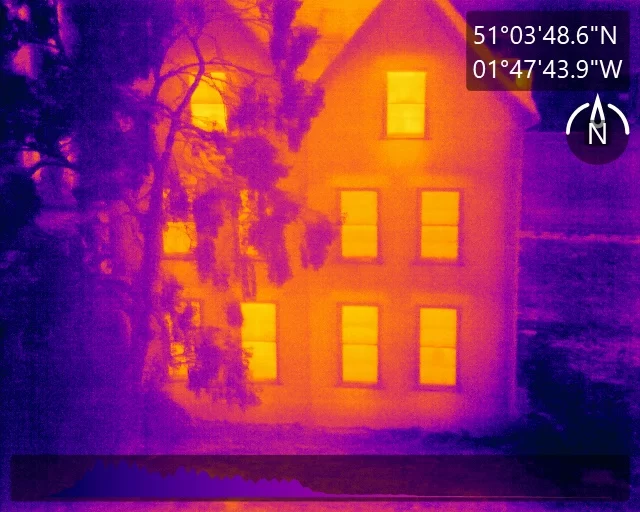
A thermal camera does not see insulation, it sees temperature difference, and that single fact decides when a building survey can usefully be done. This explains the differential EN 13187 recommends, why the working season in the United Kingdom is shorter than most people expect, why imagery is captured well after sunset rather than at dusk, and how wind, rain and cloud affect what the results are worth. Practical guidance for anyone planning a heat loss survey this coming season.
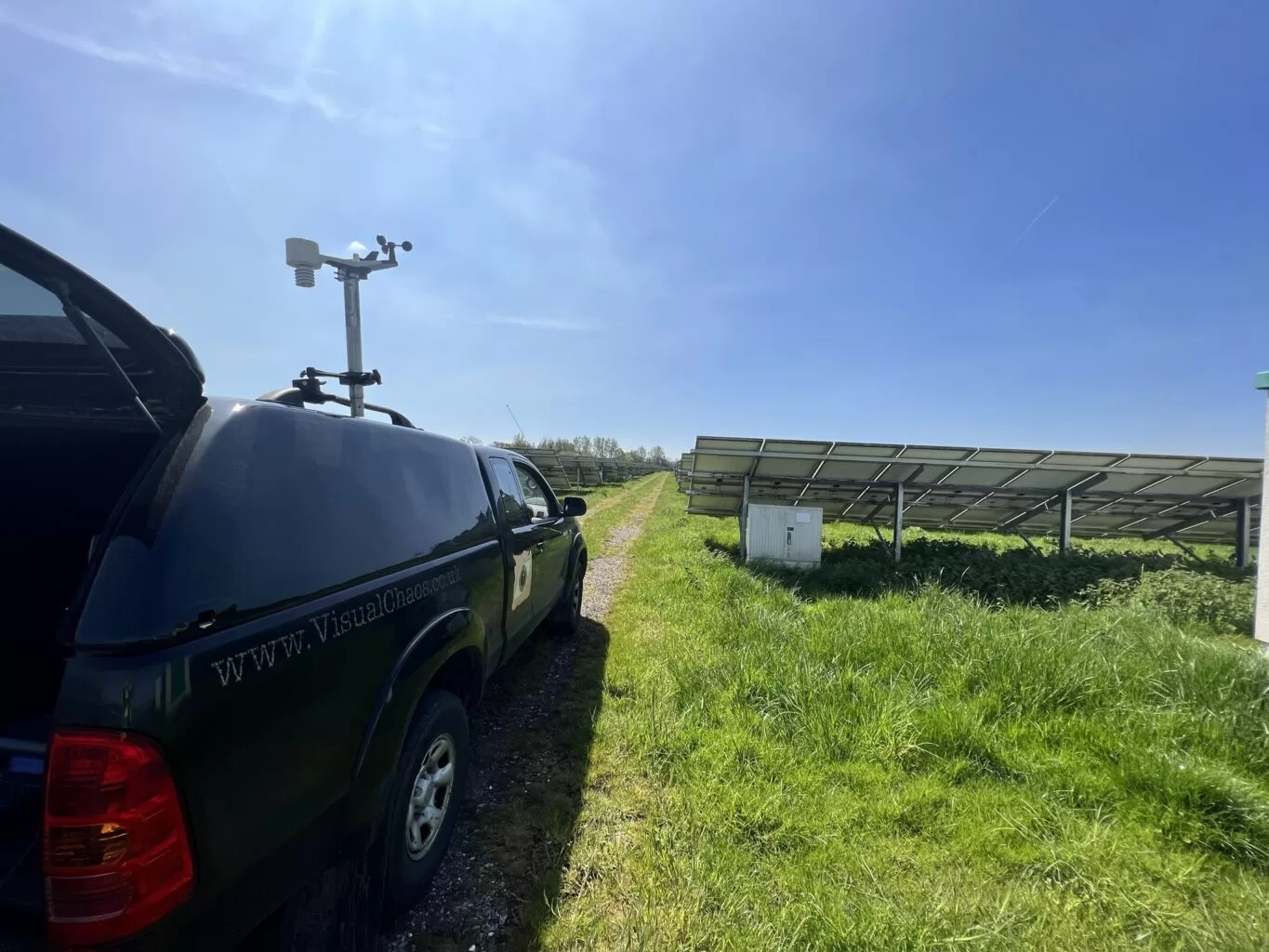
Qualified thermographers play a crucial role in ensuring reliable solar panel inspections. With certification, they possess the necessary expertise to accurately identify and diagnose potential issues, maximizing the efficiency and longevity of solar systems. Their knowledge and skills are invaluable in maintaining the integrity and performance of these renewable energy sources.