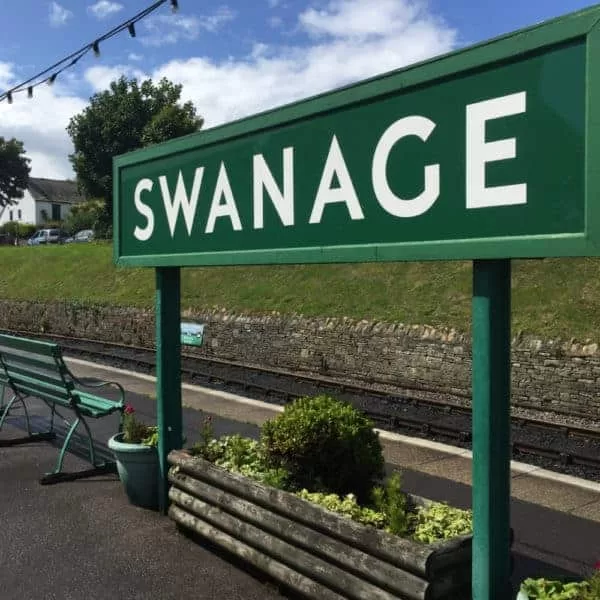
We were delighted to be invited to come and film alongside the team from the BBC’s The One Show down at the Swanage Railway.
We were part of an article that they were creating regarding the rejoining of the Swanage train station to the main railway line, something that’s been achieved through a huge amount of work by a team of volunteers in a large part. We were to provide aerial footage of the beautiful steam engine puffing its way along the route – the chocolate box Dorset countryside and you really couldn’t ask for a more picturesque backdrop.
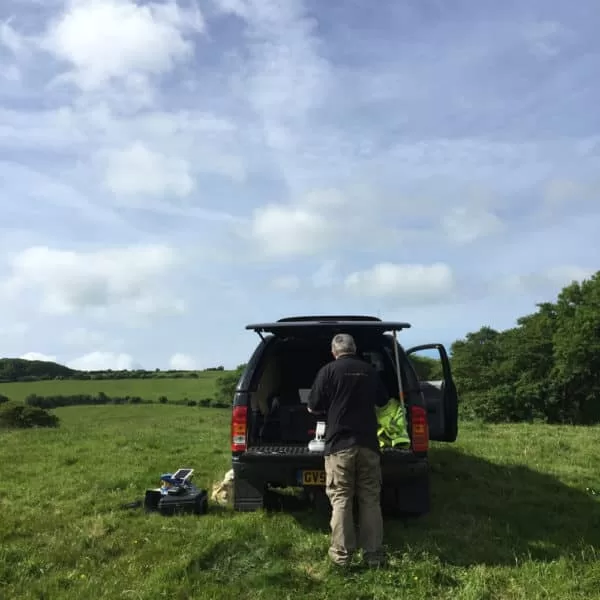
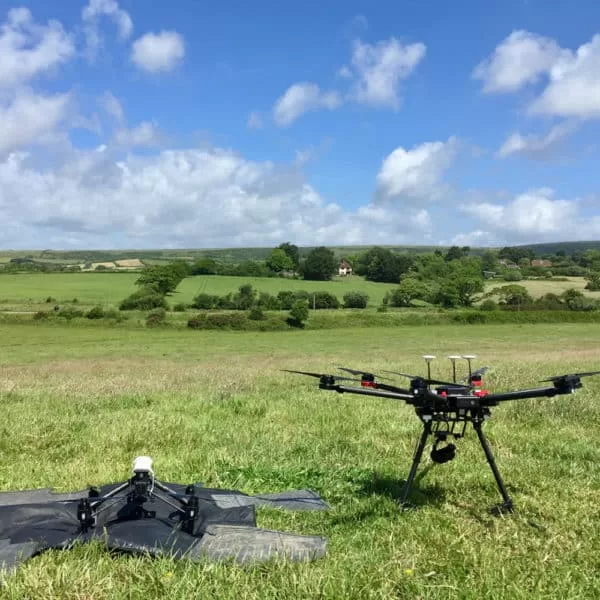
A very friendly farmer allowed us to use his field as a takeoff and landing site as it was adjacent to the rail track, giving us the opportunity to get beautiful views of the train as it headed over from Corfe Castle towards Swanage. Then we moved off to Norden station where we were able to interact even more closely with the train as it left the current final station on the line, filming almost trackside to create rising views of the drone disappearing into the steam plumes as the engine chugged beneath.
Despite relatively high winds on the day, our Matrice and Inspire fleet of craft were more than equal to the task of creating stable and stylish footage to capture both the engine and the environment with plenty pieces of the footage being used in the finished piece on BBC 1.
Visual, Electrical or Thermal? What a Solar Panel Inspection Actually Comprises
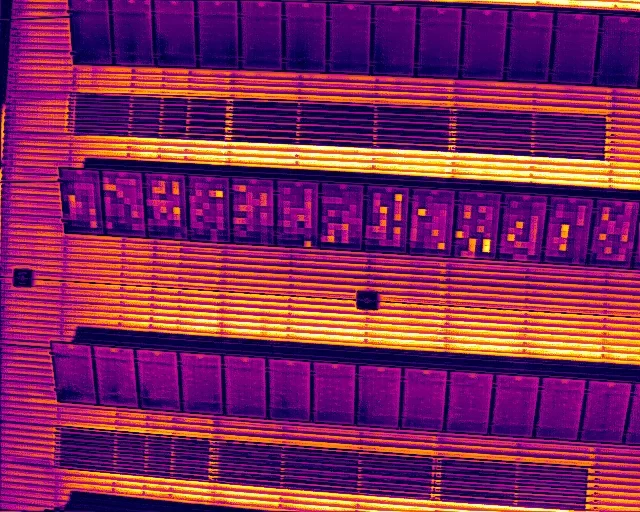
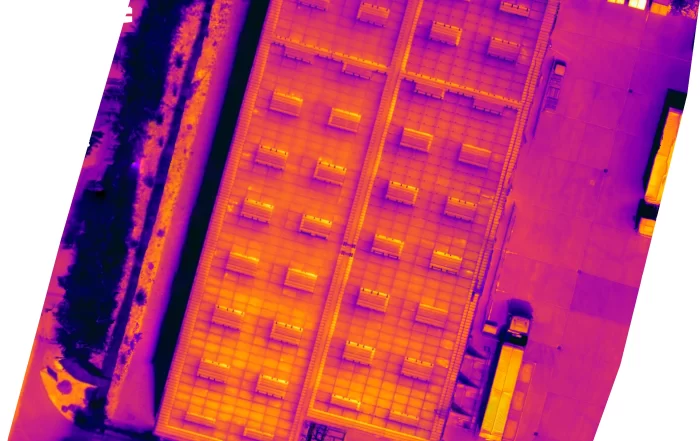
Ask three companies for a solar panel inspection and you can receive three different pieces of work, all correctly described by that word. A visual inspection, string-level electrical testing and a thermographic survey answer three separate questions, and IEC 62446-1:2016 keeps inspection and testing in different clauses for exactly that reason. This article sets out what each technique comprises, what each one cannot reach, how the three relate, and how to word an enquiry so it returns the answer you actually needed.
Cell, Module, String, Array: How a Solar Installation Is Actually Wired
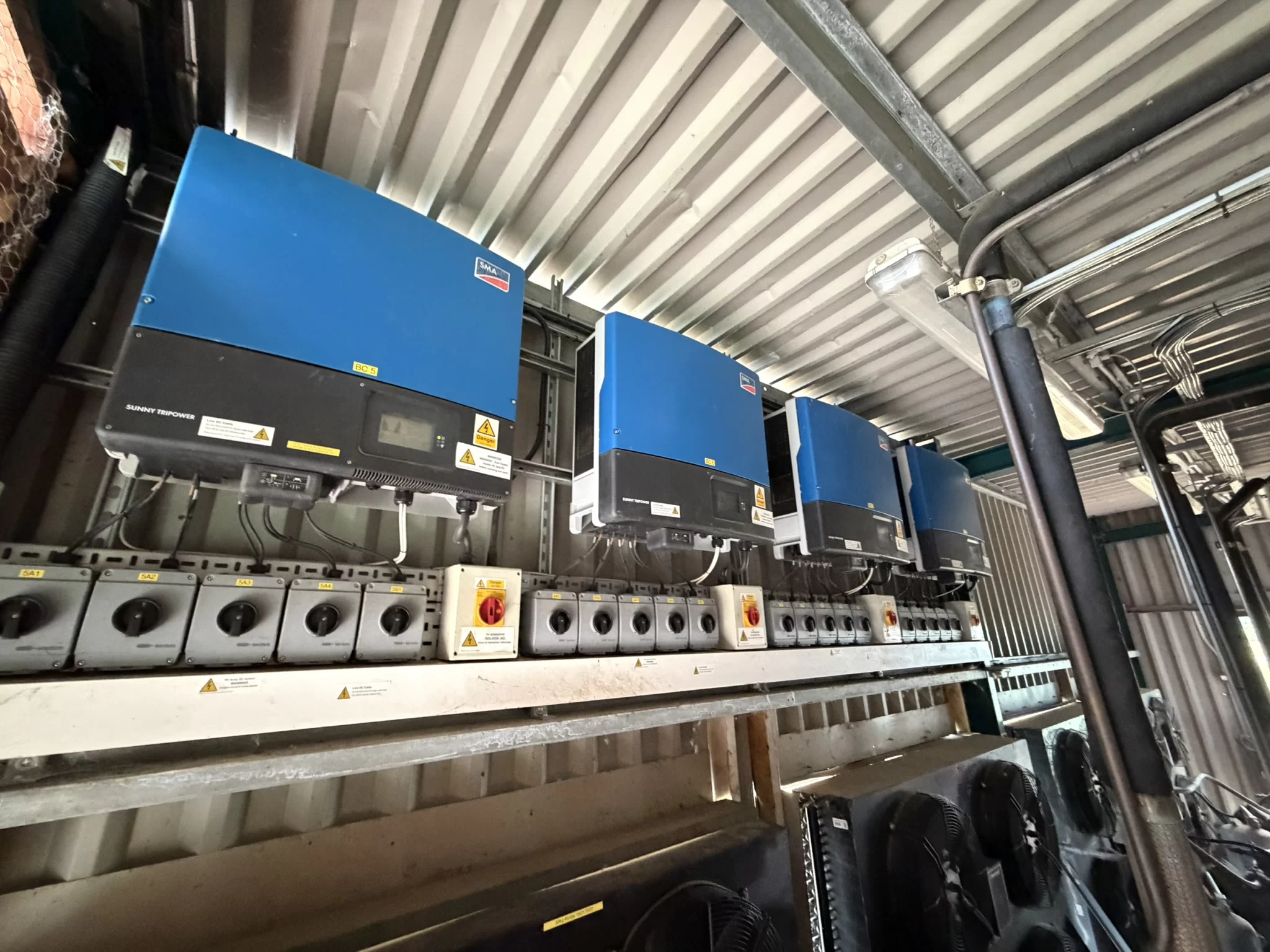
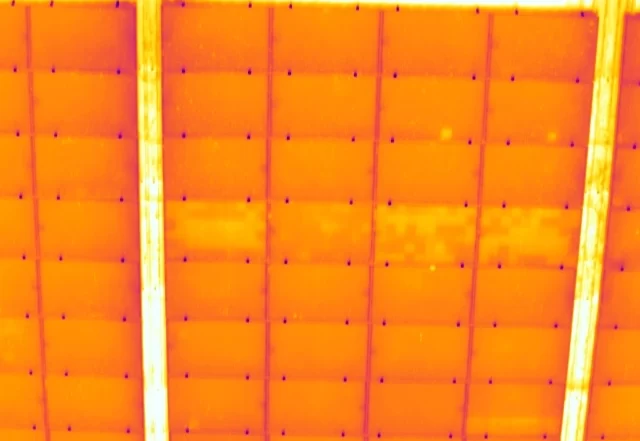
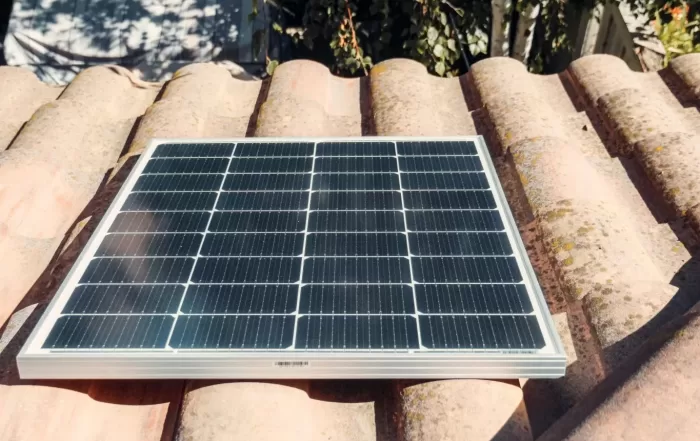
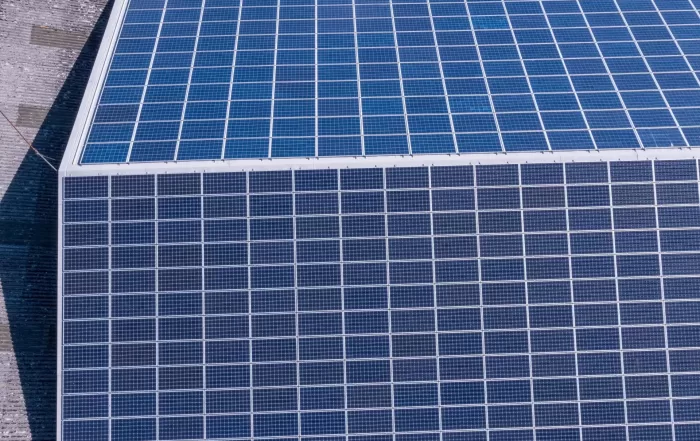
A solar installation is a four-level hierarchy: cell, sub-string, module and string within the array. A thermal camera records surface temperature across a flat plane, but the fault sits somewhere in that electrical structure, and interpretation is the work of deciding which level a warm area belongs to. This piece explains how photovoltaic installations are wired, why bypass diodes divide a module into blocks, and why the as-built string layout is as much a survey document as the imagery.


Why the Detail in an Aerial Survey Is Decided Before Take-Off
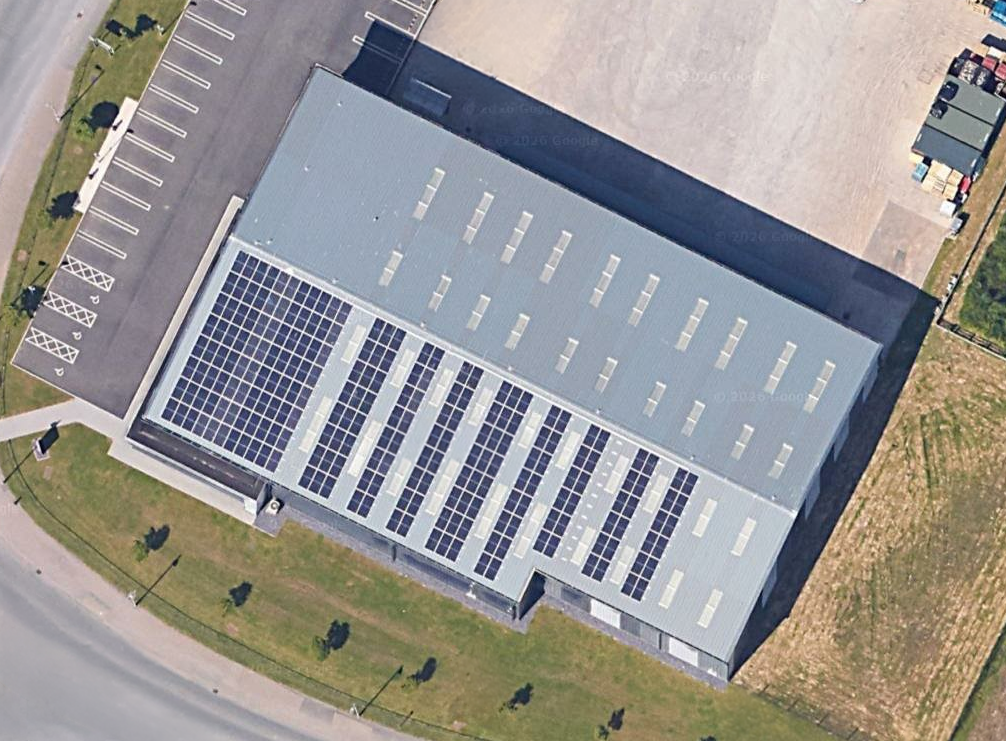
Most survey enquiries ask for high resolution without saying what the result has to do. Detail in a photogrammetric survey is not a setting applied in processing, it is a consequence of how high the aircraft flew and how much each photograph overlapped its neighbours. Both are fixed before take-off and neither can be improved afterwards. This piece explains what those two decisions control, what they cost in flying time, and why the useful thing to bring to a scoping conversation is an intention rather than a number.