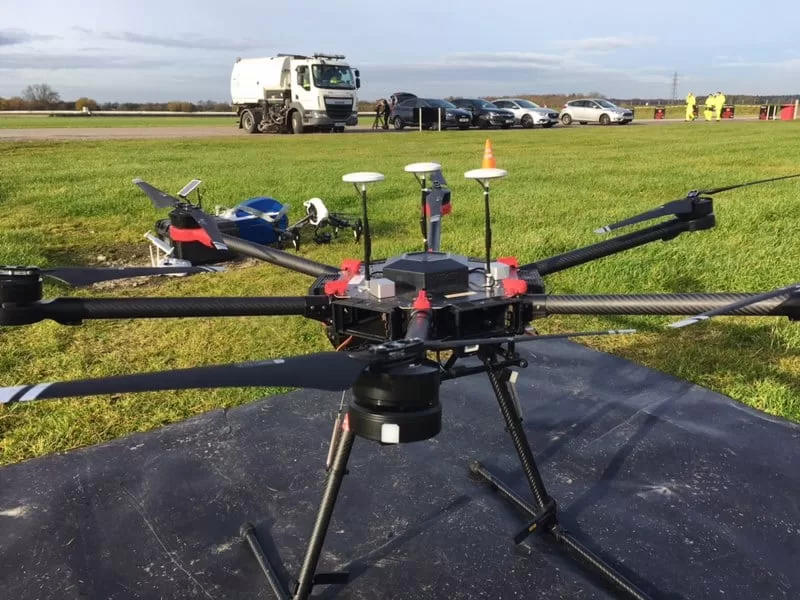
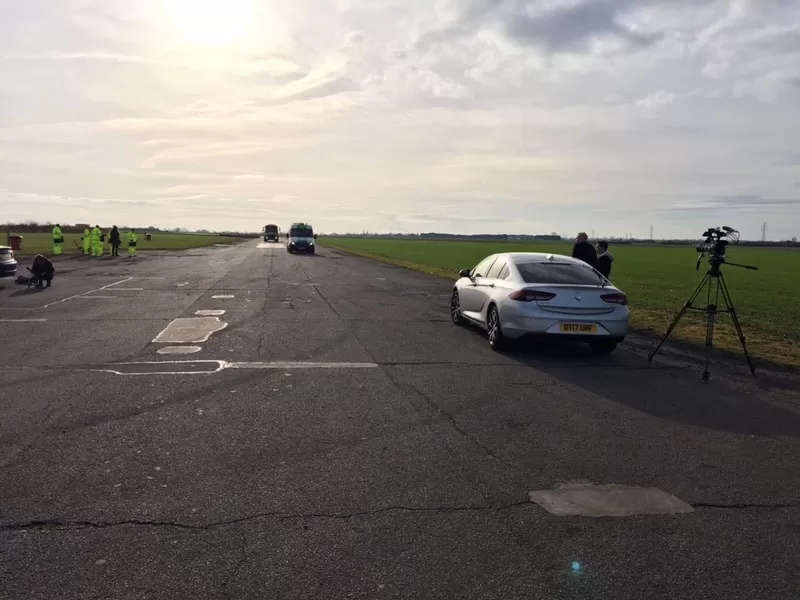
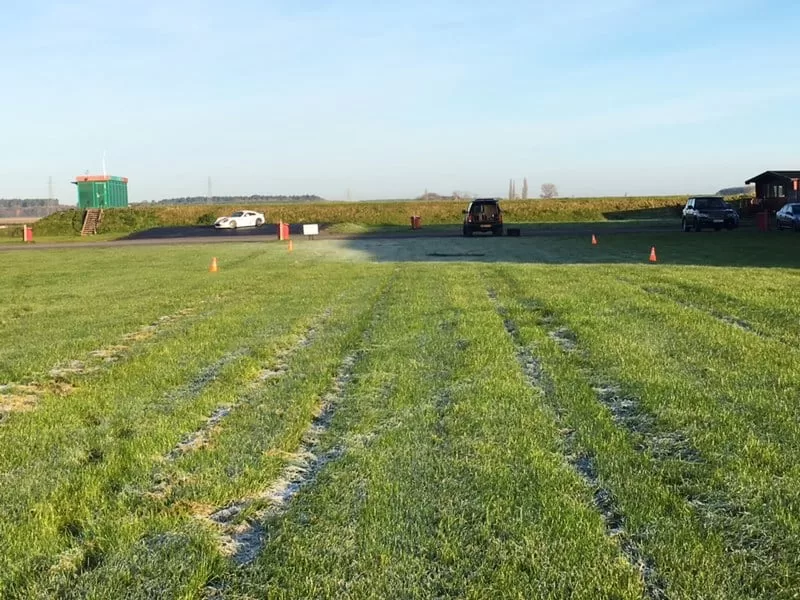
A cold and frosty morning in Doncaster at Blyton Park Driving Centre – out with the drones and the BBC One Show team filming an article about potholes!
The One Show’s presenter Iwan Thomas presents the piece and overseas the competition judged by some eminent people in their field, Victoria Hazael (Cycling UK), Vince Crain (The AA), Keith Jones (Institution of Civil Engineers). The filming took place on Blyton Race Track in Lincolnshire, where three large potholes were repaired and reviewed. They will be testing out pothole repair technologies on the racing circuit itself and we will be providing supporting cinematography from an aerial perspective!
Watch the One Show here: https://www.youtube.com/watch?v=UPqk2OEMYpU


The Roof You Can Reach Is Not the Whole Roof
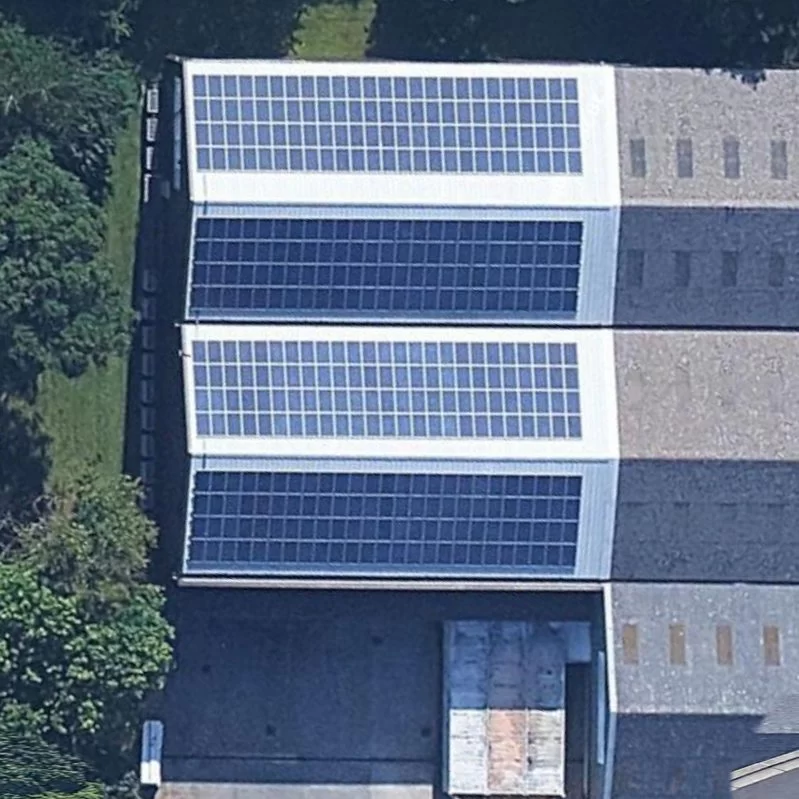
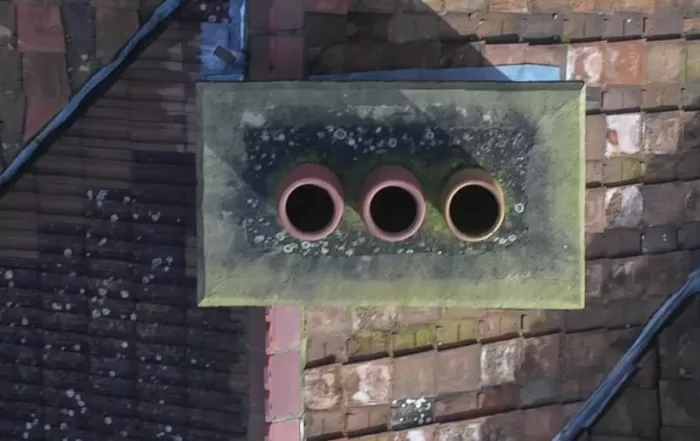
A roof gets inspected in the places a person could stand, and that single fact explains most of what gets found late. Ladders reach the eaves, scaffolds cover one elevation, and fragile coverings restrict a roof walk exactly where the roof is oldest. Photographing from the air removes the constraint rather than the expertise: every slope is covered square on, and the interpretation stays with your roofer or surveyor.

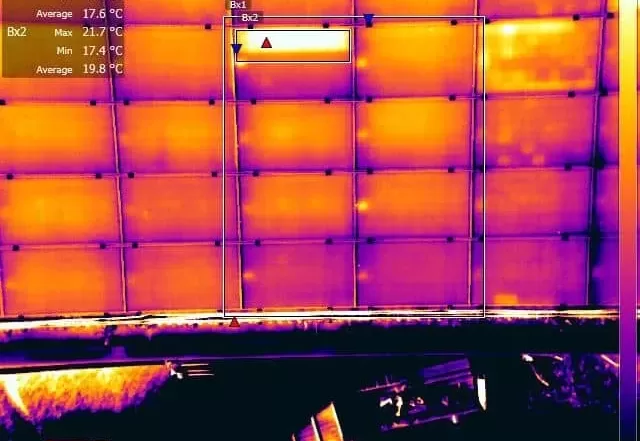
Domestic Solar Layout: Why the Roof Decides What Can Be Inspected
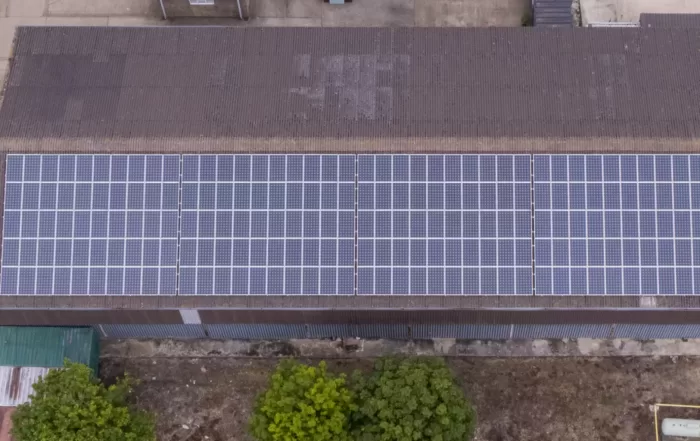
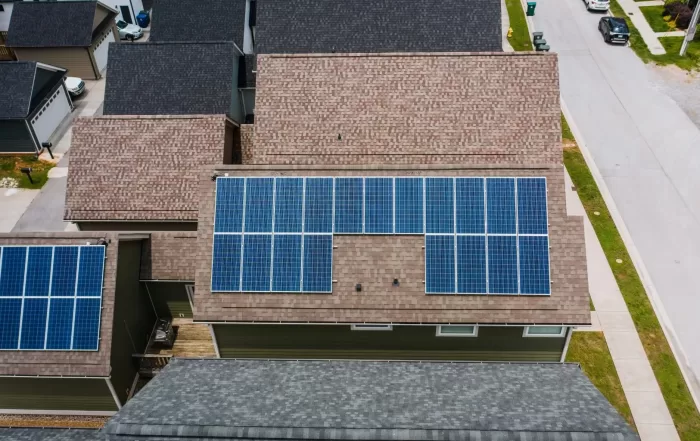
A domestic solar array is rarely laid out the way anyone would choose. Pitch and orientation are inherited from the building, and shading from chimneys, dormers and trees removes usable area before the layout is drawn. What gets installed is the residual. Those same decisions fix the plane the modules sit in, and so fix the directions from which they can usefully be imaged afterwards, which is why a rooftop array is awkward to assess from ground level.

A Home Solar Array Ages Quietly, and the Owner Is the Last to Know
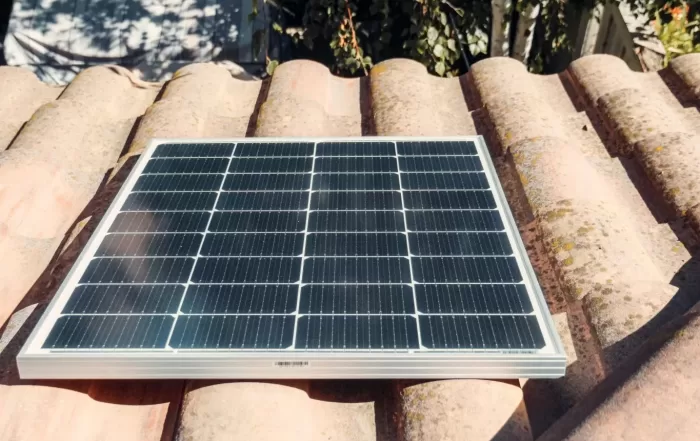
A domestic solar array has no moving parts, makes no noise and sits out of sight, so nothing about a developing fault announces itself. The generation figure an owner can see is one number for the whole system, and a genuine loss can sit inside the ordinary variation of British weather. Drone Media Imaging looks at what those figures do and do not tell you, and why periodic thermographic survey examines the array itself rather than its aggregate output.