We were honoured to be asked to work with the BBC’s One Show team to assist in putting together an exclusive piece to accompany their interview with Gemma Dowler. Gemma has just written a book, My Sister Milly, speaking about her life and the trauma that her, and her family, went through when her sister was abducted and since.
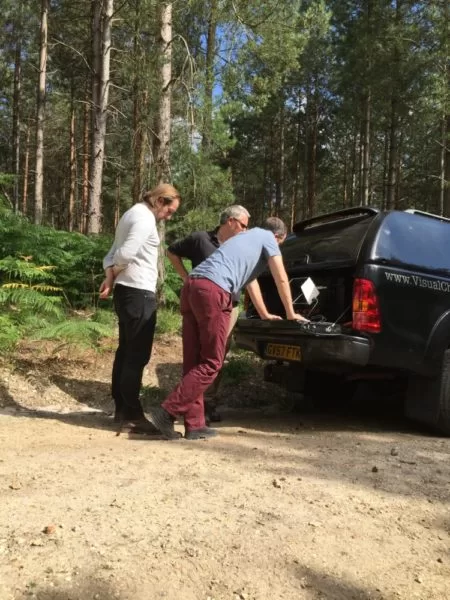
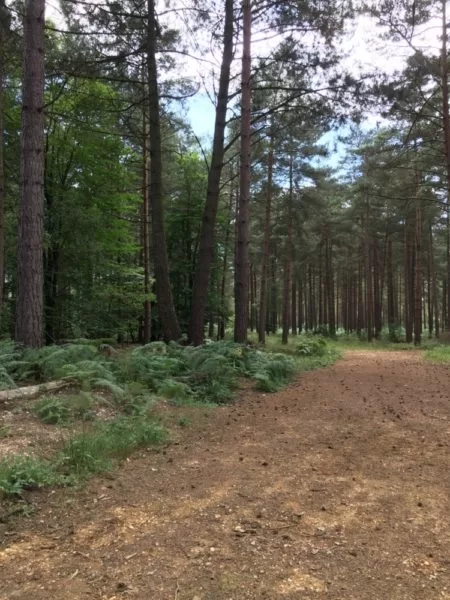
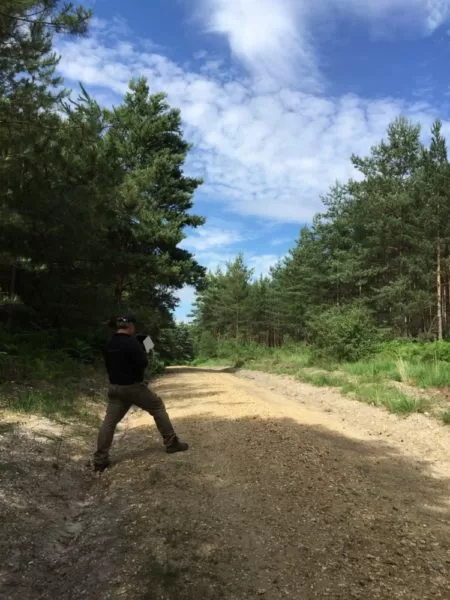
We were to film in Yateley Heath Woods alongside the documentary crew, which is where Milly’s body was finally discovered six months after her disappearance. It was an undeniably beautiful woodlands although it has now of course been laced with sadness. We took time to capture the environment sensitively both through some of the woodlands and from an aerial perspective to contribute to that part of the her story.
It was a very a very difficult day for all of us…..
RIP …Milly Dowler

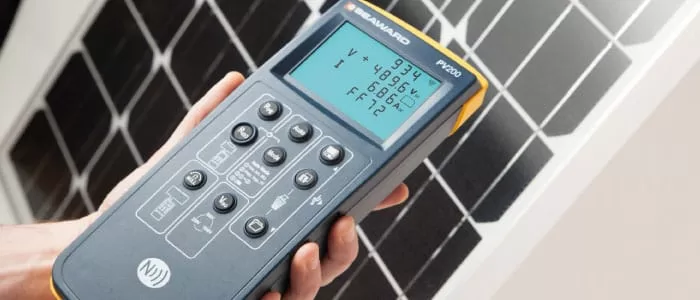
Solar String Testing: What the Curve Tells You That a Thermal Image Cannot
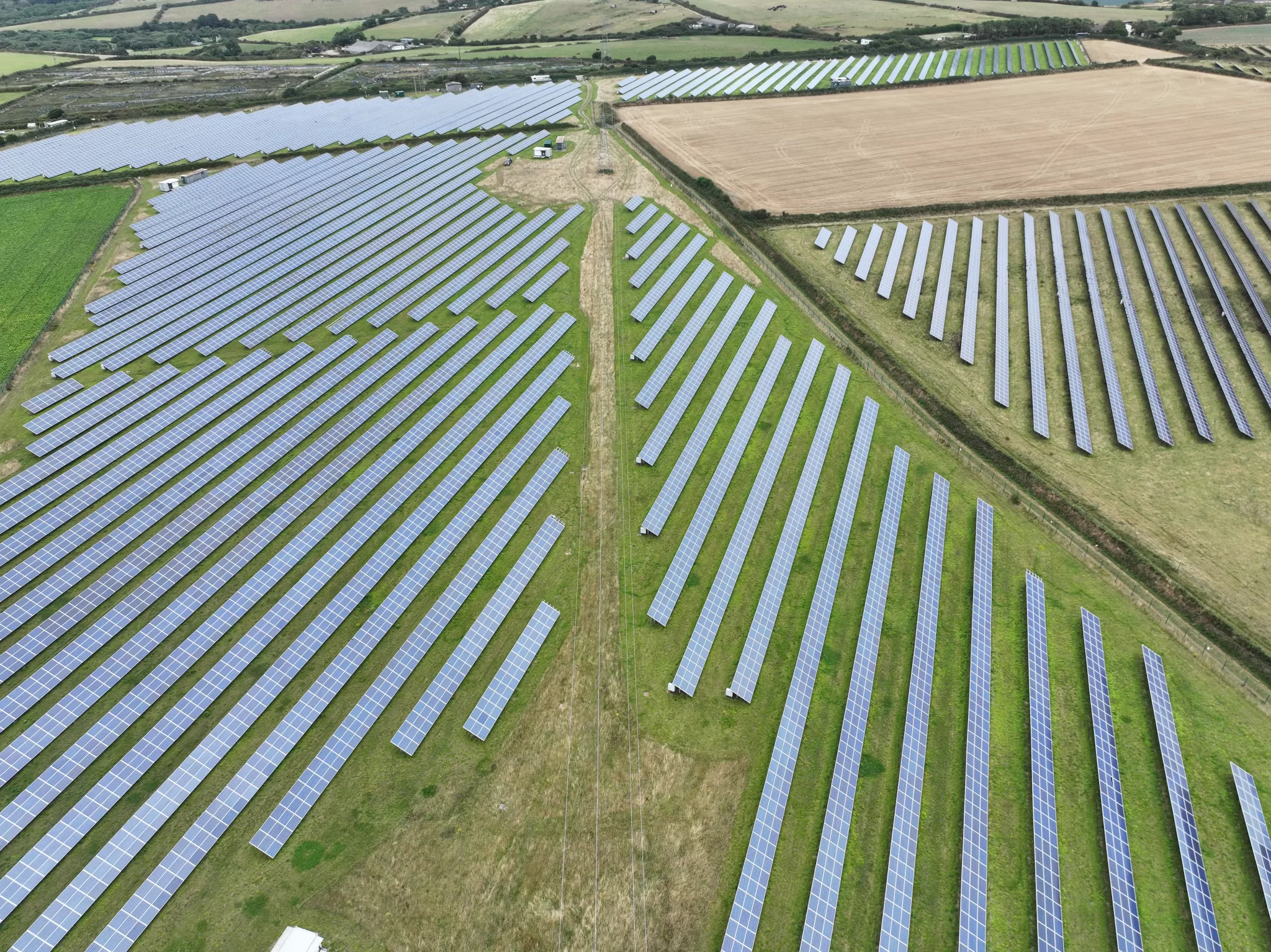
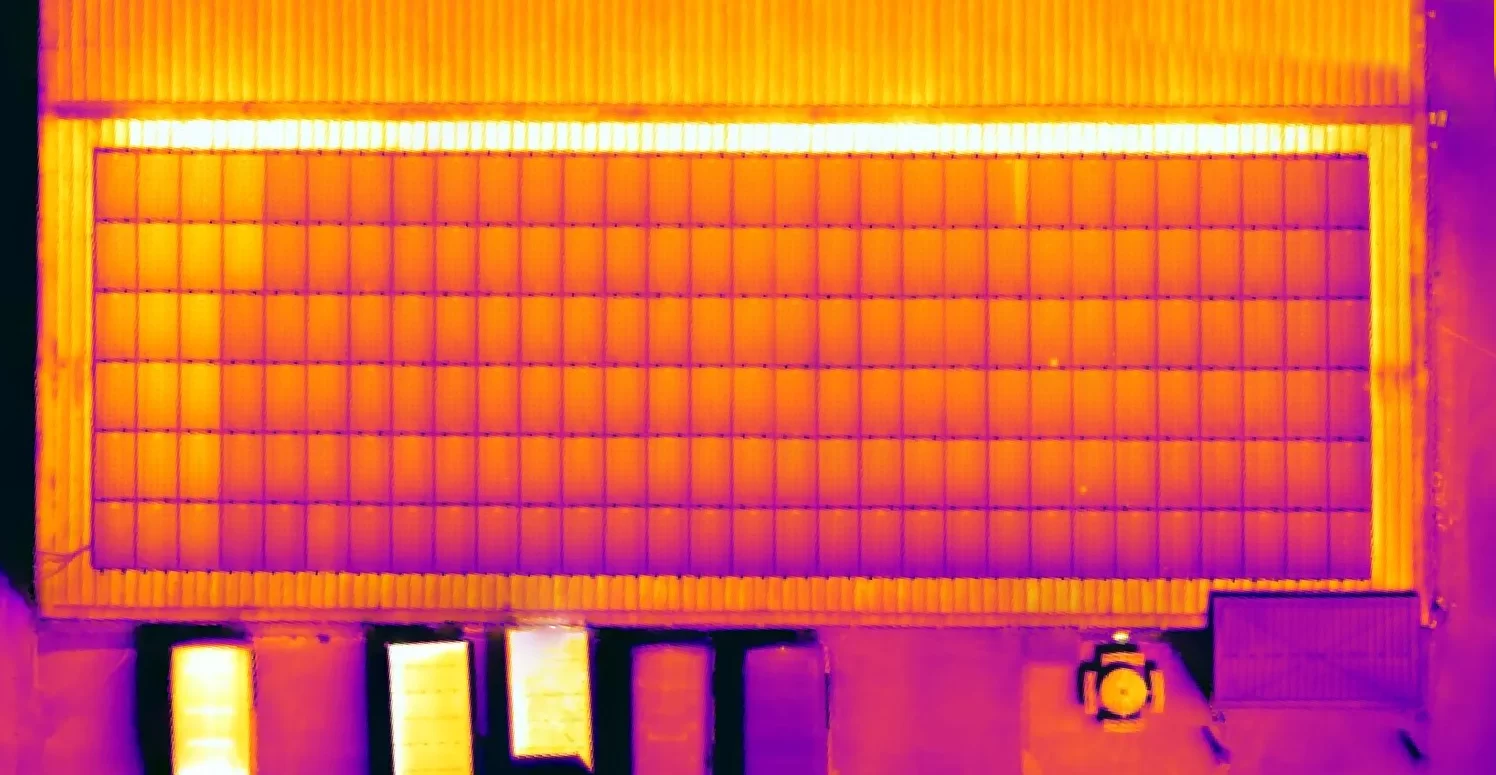
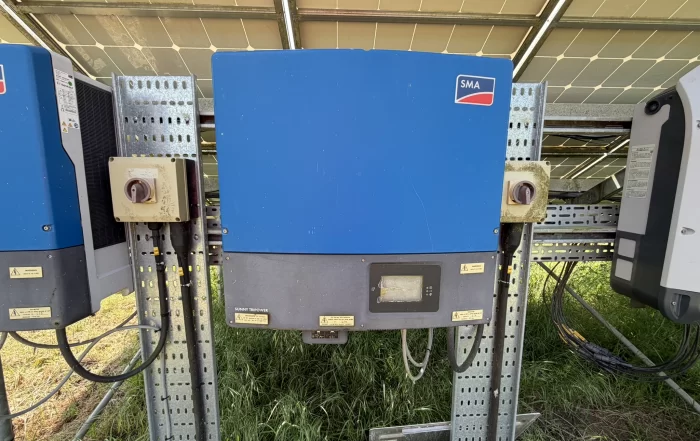
A thermal survey shows where a solar array is losing energy as heat. A string test shows how much a string is actually producing, and its I-V curve shows what kind of fault is holding it back. Some faults only the camera can see, others only the meter. This post explains what string testing measures, how the curve is read alongside the thermal images, and what to check about your own system before booking a combined survey of the array.
A Thermal Survey and a Building Survey Answer Different Questions
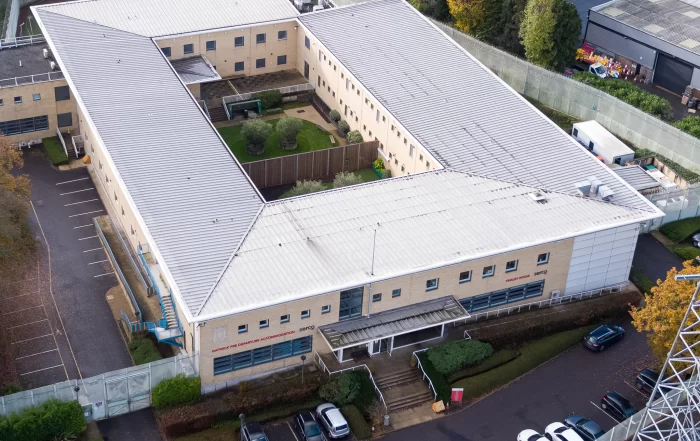
A building survey and a thermal survey both carry the word survey, and they answer different questions. One is a qualified professional's judgement on the condition of a structure. The other records where the envelope loses heat, admits air or holds moisture, under conditions written down at the time. Drone Media Imaging provides the second, and holds no surveying qualification. This is how the two work together, what each needs from the other, and why the boundary is what makes the evidence usable.
Which Building First? Thermal Survey Across a Property Portfolio
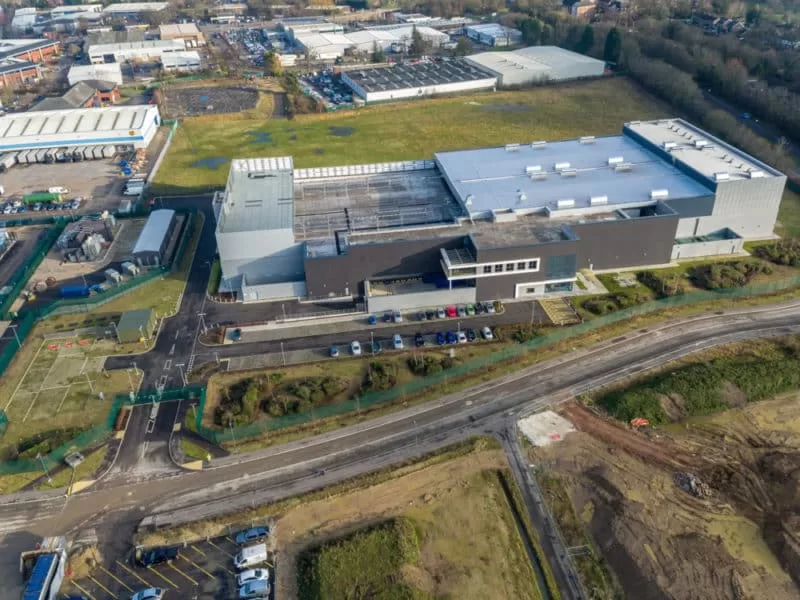
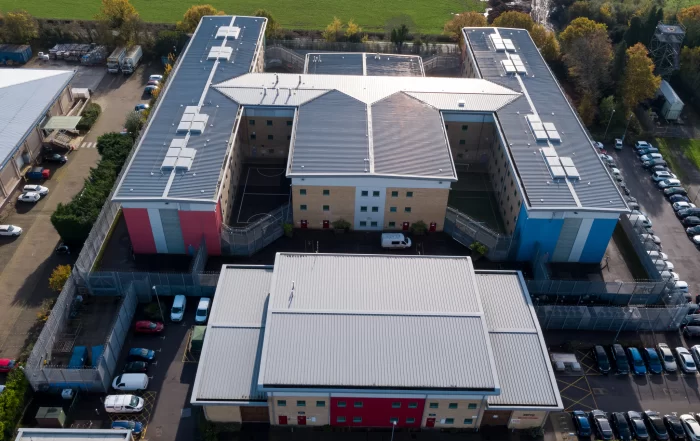
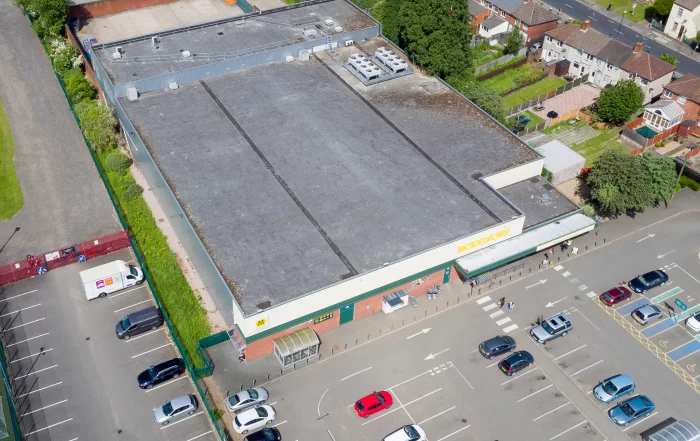
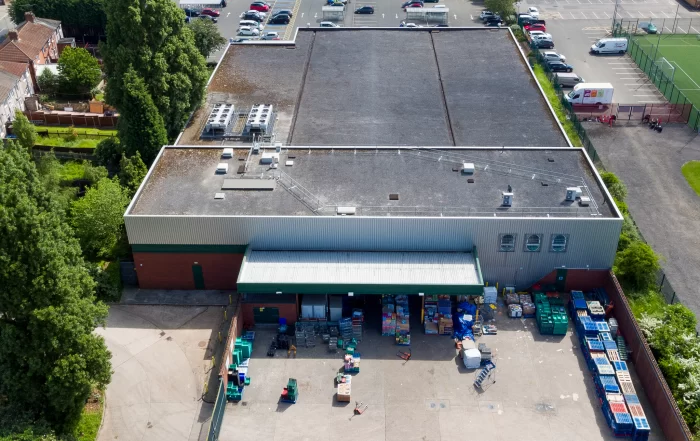
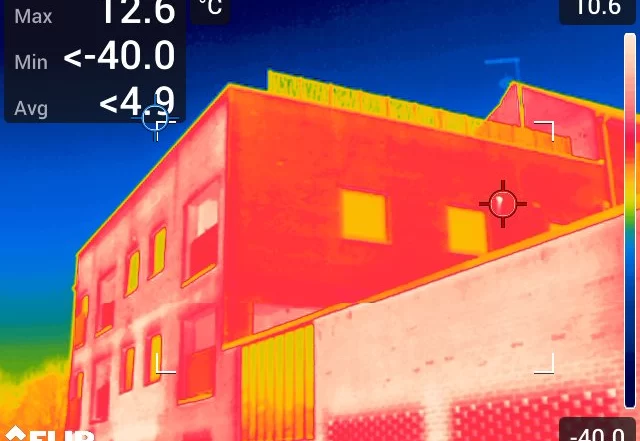
A thermal survey of one building answers a question about that building. A survey of a whole portfolio answers a different question, which is where the repair budget should go first. That second answer only holds if the surveys were designed to be compared, which means conditions logged per elevation, camera settings fixed and held, and capture geometry kept consistent from block to block. This is how a set of buildings becomes an ordered starting point rather than a stack of reports.