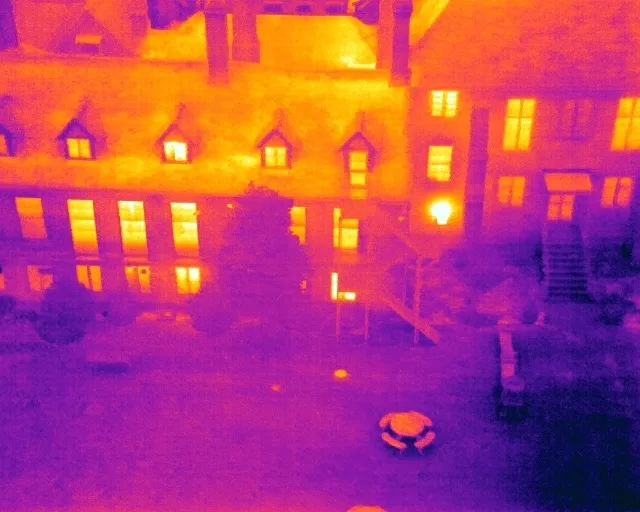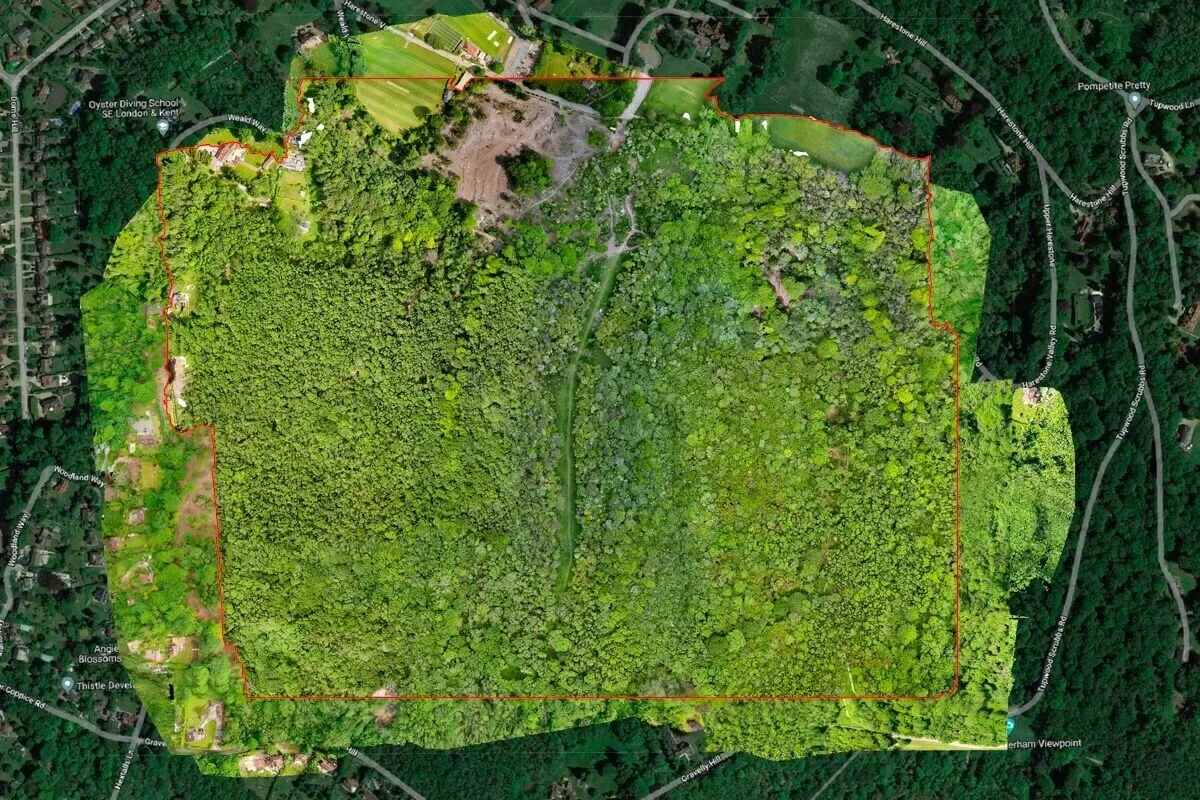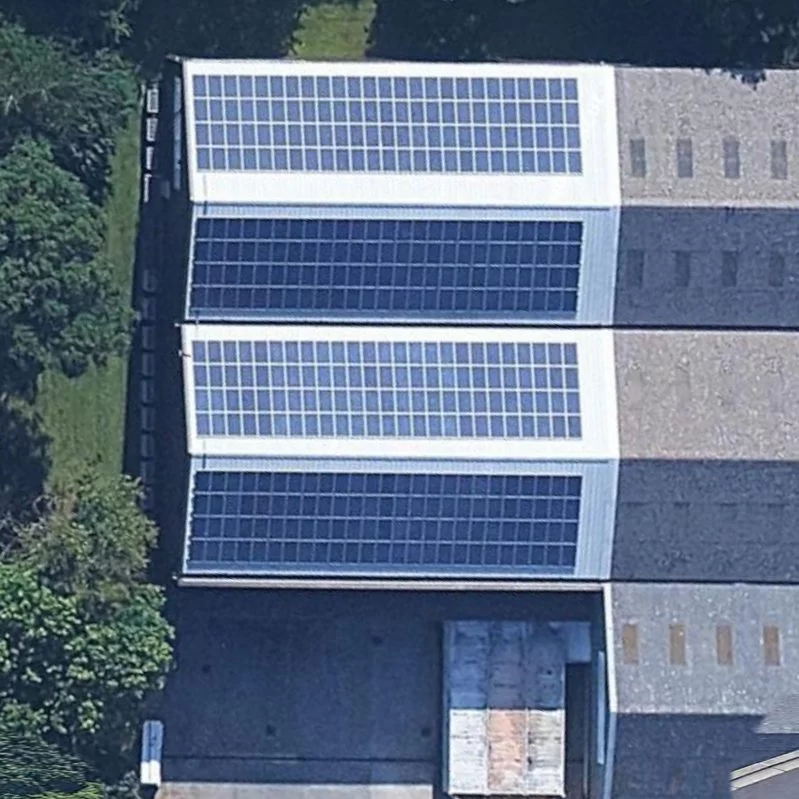
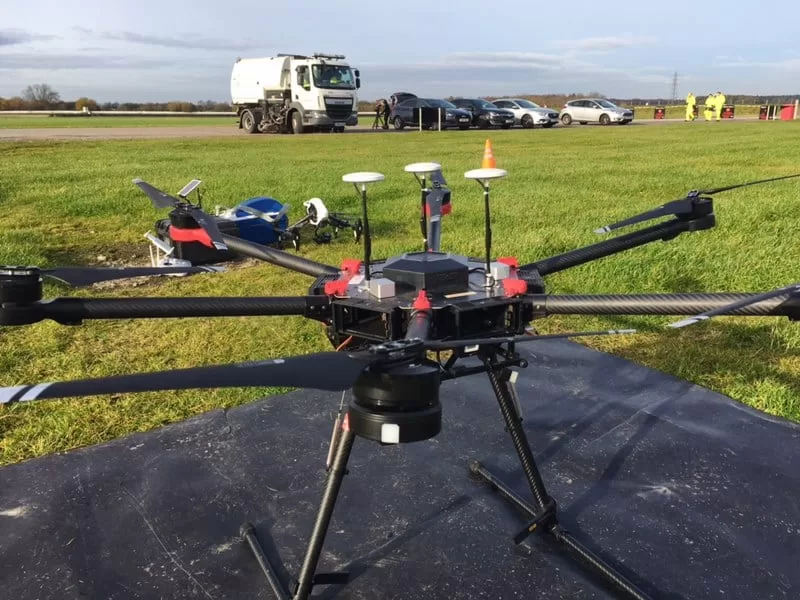
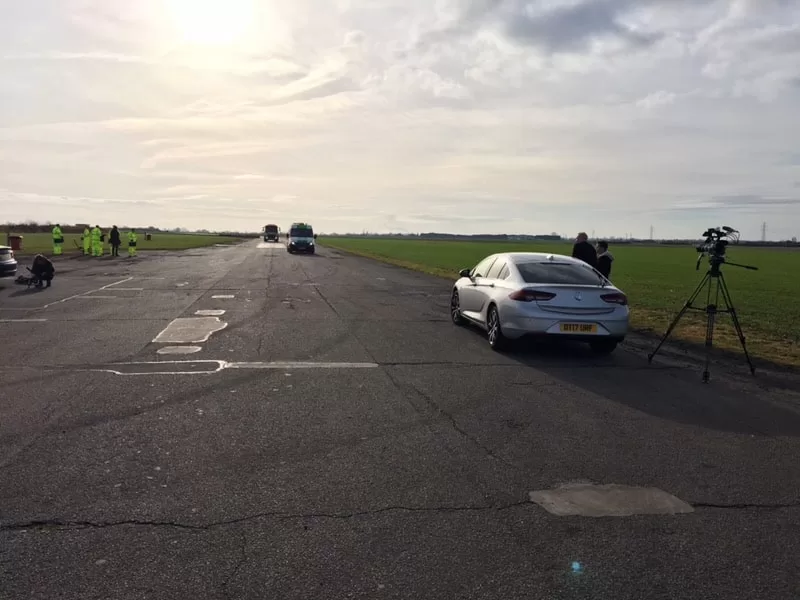
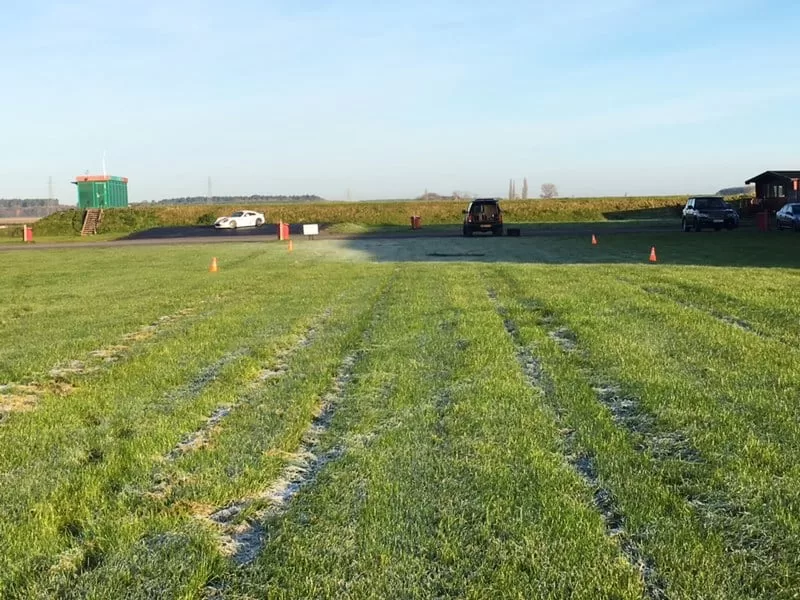
A cold and frosty morning in Doncaster at Blyton Park Driving Centre – out with the drones and the BBC One Show team filming an article about potholes!
The One Show’s presenter Iwan Thomas presents the piece and overseas the competition judged by some eminent people in their field, Victoria Hazael (Cycling UK), Vince Crain (The AA), Keith Jones (Institution of Civil Engineers). The filming took place on Blyton Race Track in Lincolnshire, where three large potholes were repaired and reviewed. They will be testing out pothole repair technologies on the racing circuit itself and we will be providing supporting cinematography from an aerial perspective!
Watch the One Show here: https://www.youtube.com/watch?v=UPqk2OEMYpU

What to Ask a Drone Operator Before You Hire One
Commissioning aerial photography, a roof inspection or a solar survey means buying the legal basis of the flight as well as the imagery. UK drone regulation changed completely in 2020, and the old shorthand no longer describes anything real. This is a plain guide to the four documents a professional operator should be able to produce on request, what each one actually permits, and the site-specific paperwork a properly run job generates before anybody takes off.
When a Solar PV Thermographic Survey Can Actually Be Flown
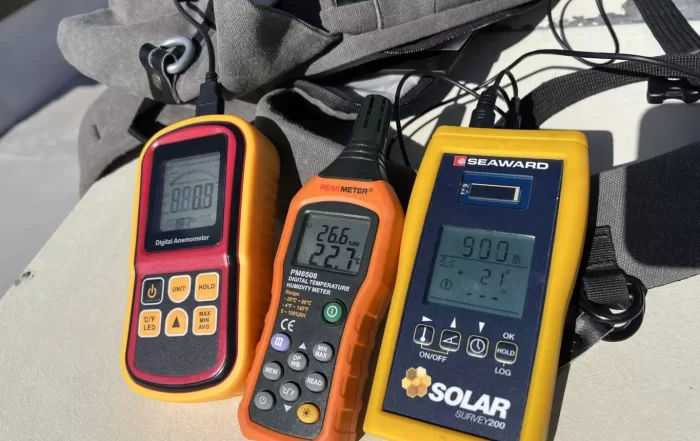
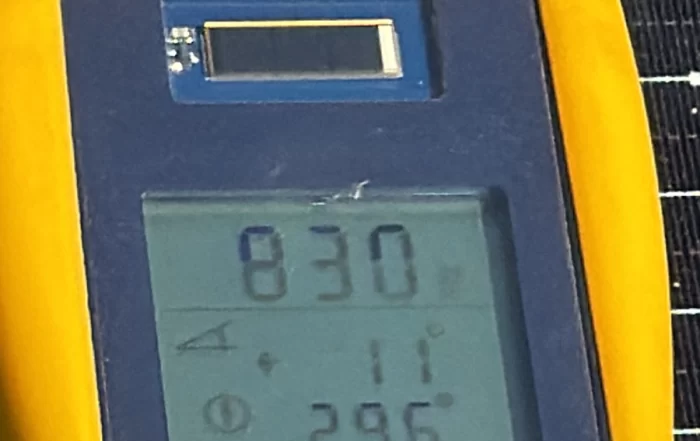
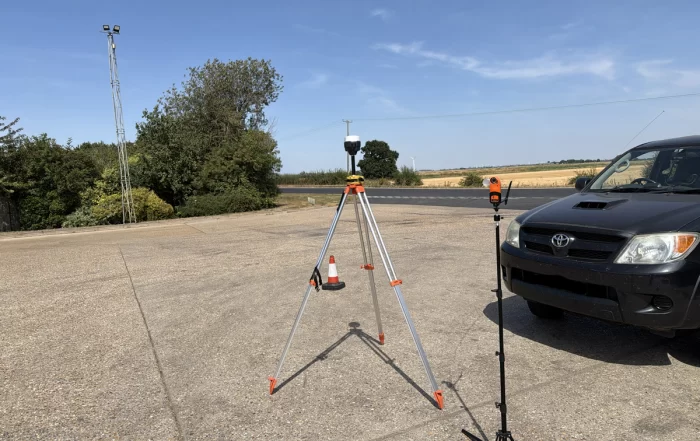
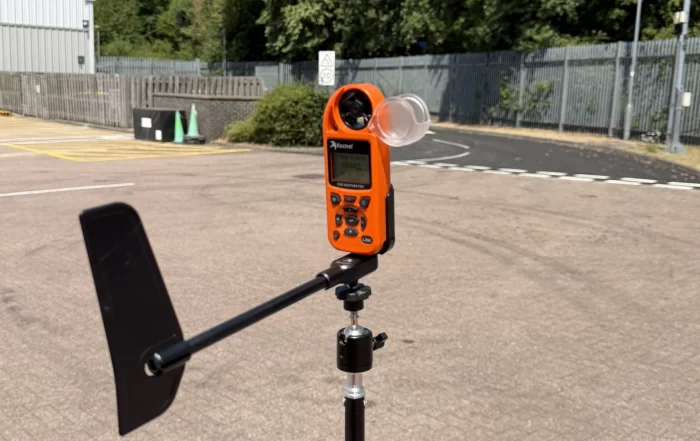
A solar thermographic survey only produces usable evidence when the array is generating properly. IEC TS 62446-3:2017 sets the minimum at 600 W/m² in the plane of the array, and sun elevation, sky stability, wind, wet panels and a curtailed array will each close the window on their own. This post explains why those conditions decide the data, and why a survey flown outside them tends to return a false all-clear rather than an honest result.
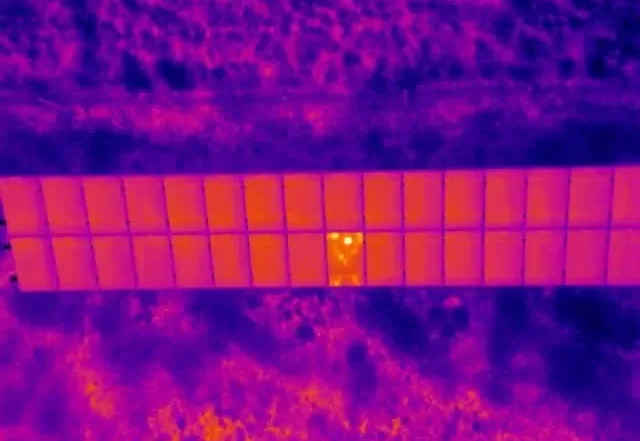
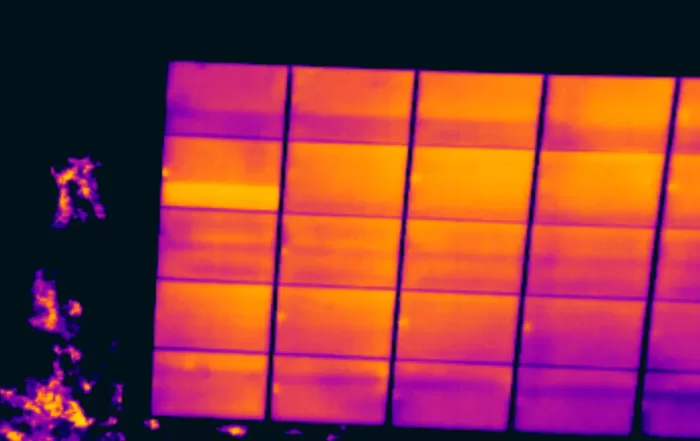
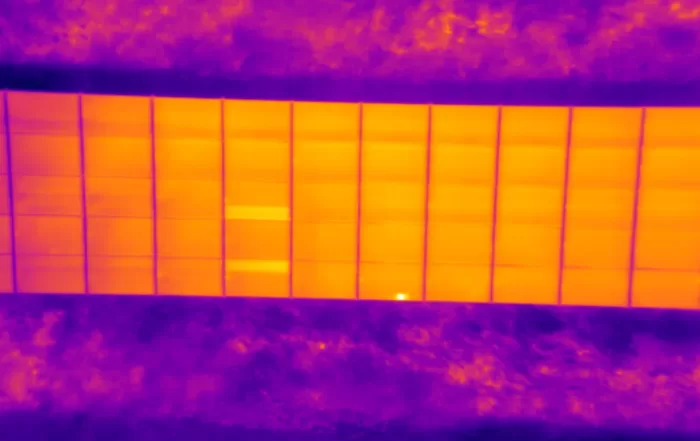
Hot Spot, Bypass Diode or PID: Reading Solar Panel Thermal Signatures
A thermal image of a photovoltaic array records surface temperature, and surface temperature is a symptom rather than a diagnosis. This post sets out how the signatures are actually read on an operating array: what a single hot cell suggests, why a uniformly warm third of a module points somewhere entirely different, how potential-induced degradation gives itself away by geometry, and why severity under IEC 62446-3:2017 is framed with caution rather than asserted from one temperature figure.