
Blog Content TL;DR...
The Importance of Building Thermography Surveys in the UK and the Role of Level 3 Certified Thermographers
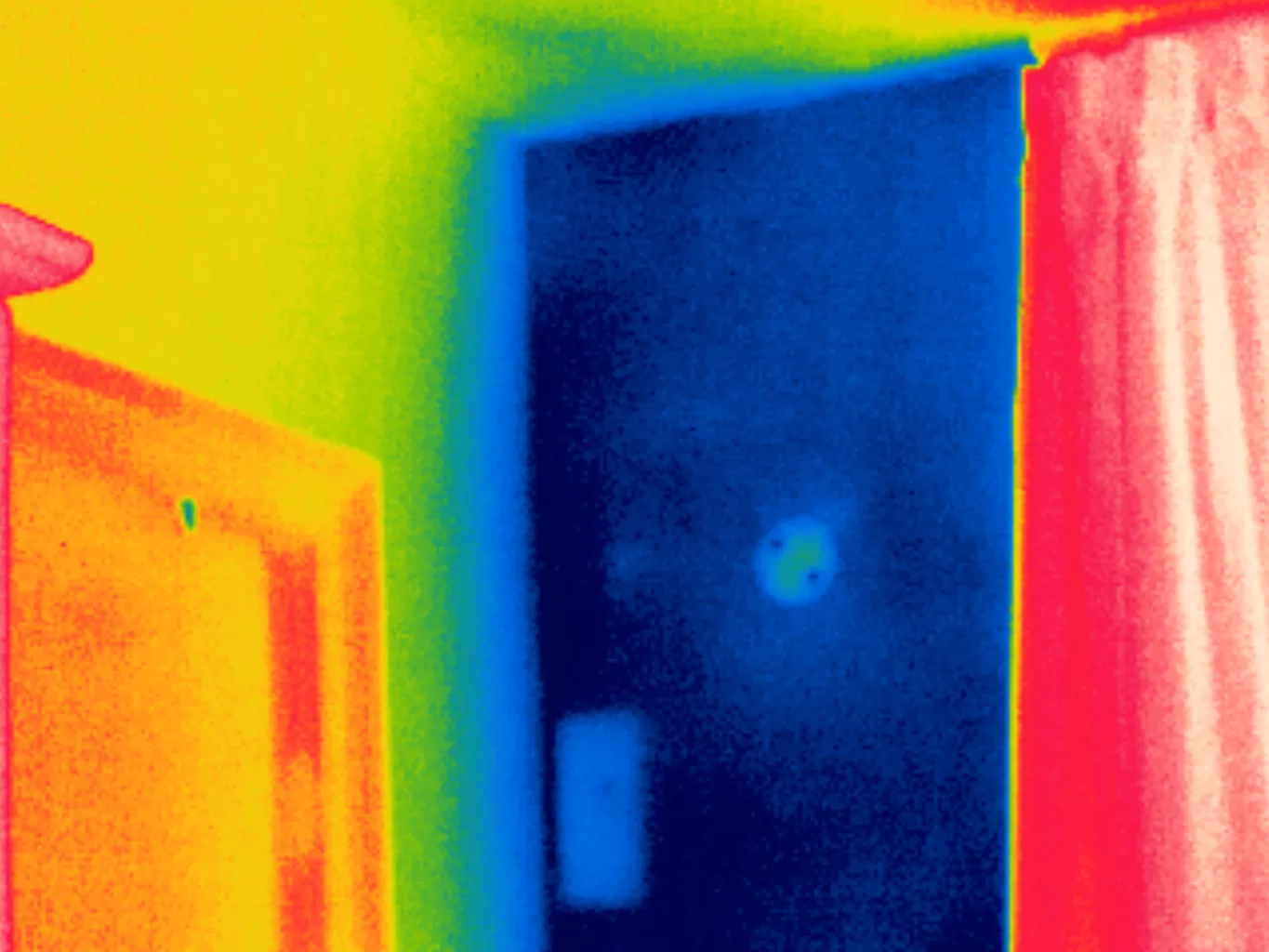
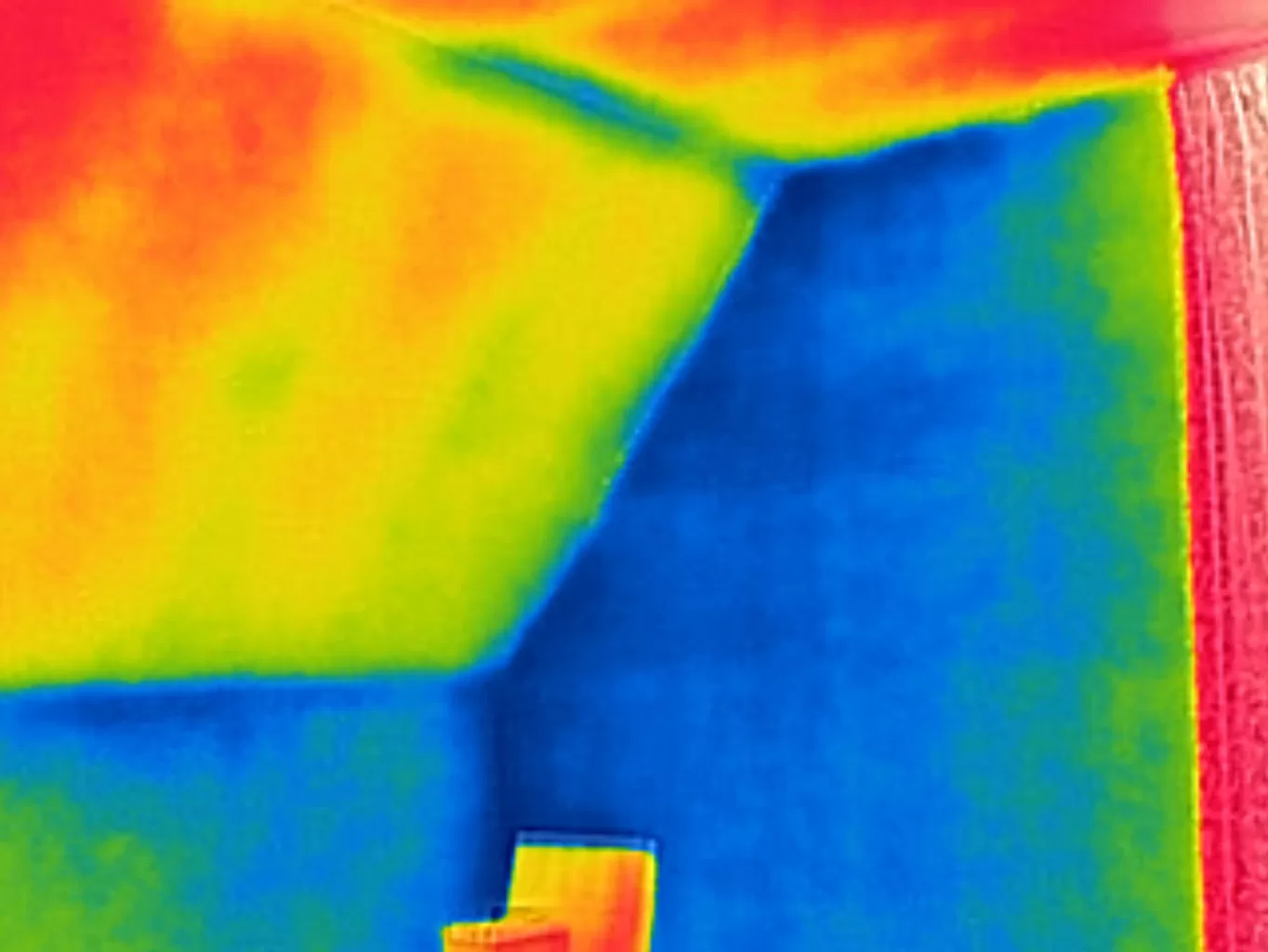
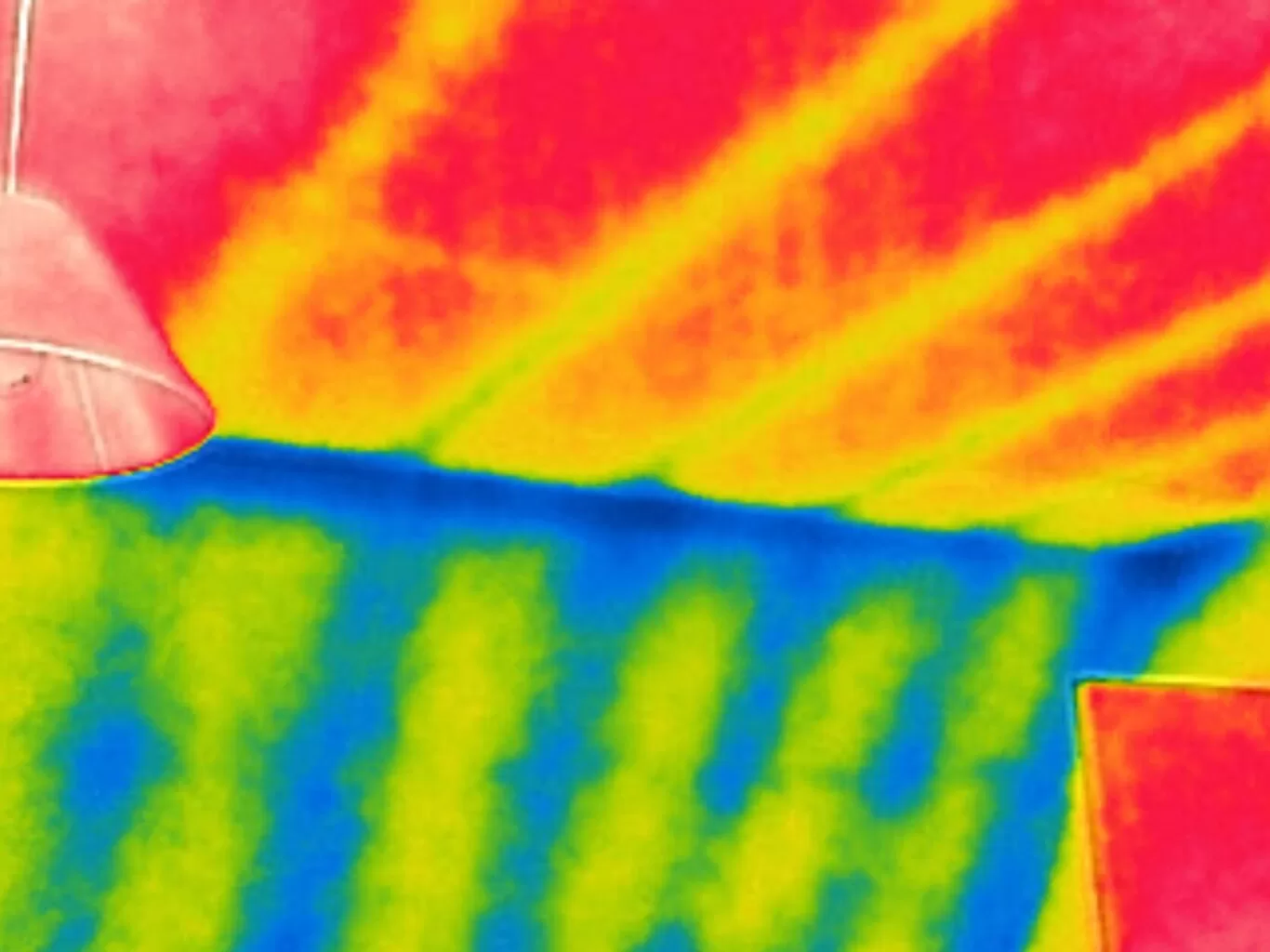
Building thermography is a non-destructive diagnostic method that uses infrared technology to detect thermal anomalies in structures. In the UK, this approach has become critical for energy efficiency, structural integrity, and safety assessments, especially with rising environmental standards and compliance requirements like BREEAM (Building Research Establishment Environmental Assessment Method.
Applications of Building Thermography
Energy Efficiency Audits: Identifying heat loss and air leakage in walls, roofs, and windows to reduce energy costs and meet sustainability goals.
Damp and Leak Detection: Pinpointing structural damp or leaks in roofs, walls, and floors to prevent long-term damage
Electrical Inspections: Detecting overheating components to preempt fire hazards.
Building Diagnostics: Locating insulation gaps, thermal bridges, and other hidden defects that may affect a building’s dura.bility and performance.
Why a Level 3 Certified Thermographer is Essential
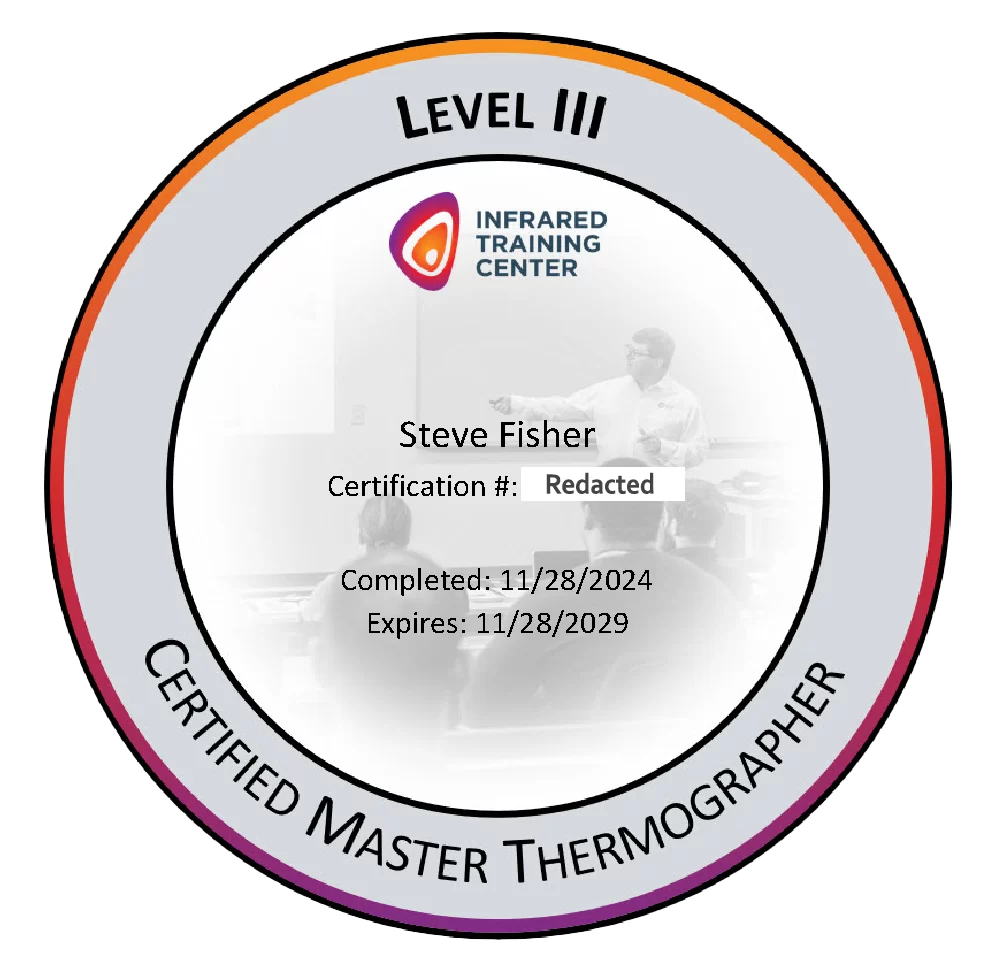
Level 3 certification denotes the highest expertise in thermography, ensuring accurate inspections and reporting.
These professionals:
- Interpret complex thermal data beyond surface anomalies, often diagnosing hidden structural issues.
- Design and manage thermography programs, providing tailored solutions for buildings of all sizes.
- Ensure compliance with UK and international standards such as ISO 6781 and ISO 18436.
Level 3 thermographers can also evaluate environmental and operational conditions during inspections, which is crucial for valid results. For instance, thermographic surveys in the UK require at least a 10°C temperature differential between inside and outside temperatures, which is best achieved during colder months.
Real-World Applications and Case Studies
- Commercial Building Energy Efficiency: A UK study showed thermography could identify 80% of electrical faults, preventing fire hazards and costly repairs.
- Historic Building Preservation: Thermographic surveys have been instrumental in diagnosing moisture infiltration and insulation issues in listed buildings, enabling non-invasive restoration.
- BREEAM Compliance: Level 3 thermographers are essential for conducting compliant thermal surveys, helping property developers achieve certifications that enhance market value and sustainability.
Benefits for Property Owners and Managers
- Cost Savings: Early detection of defects reduces repair costs and minimizes energy wastage.
Improved Safety: Identifying risks like electrical faults ensures occupant safety.
Regulatory Compliance: Ensures adherence to standards such as Part L of the Building Regulations and enhances BREEAM scores.
Challenges and Best Practices
Environmental factors, such as solar radiation or rain, can distort results. Certified thermographers account for these variables by planning inspections under optimal conditions, such as early mornings in winter. Detailed preparation, including ensuring access to surfaces and adequate heating, is crucial for comprehensive inspections. By hiring a Level 3 certified thermographer, property owners can unlock the full potential of thermographic technology, ensuring accurate diagnostics and effective remedial actions. For more technical insights and services, explore resources like the United Kingdom Thermography Association (UKTA) and BREEAM guidance.

Book IEC 62446-1 String-Level Testing
Get certified electrical verification and accurate performance analysis for your solar PV system. Our certified experts use the latest infrared technology to deliver precise results. Contact Drone Media Imaging today for expert thermal imaging services.
Certified Master Thermographer Level 3


related posts

The air a survey drone works in is shared. Air ambulances, police helicopters, light aircraft, infrastructure inspection flights and military low flying training all have legitimate business below 120m, and none of them knows a drone is there unless somebody says so. This piece explains how a commercial operator builds the low level picture before a flight, what the United Kingdom Low Flying System is, how notification works and what it does not buy, and the small decisions on site that keep a survey and a passing aircraft apart.

A construction project always has more people with a stake in it than it can have standing on the site. An aerial record shows the whole plot in one frame, with the boundary, the compound, the access and the works in their correct relationship, so people who cannot get there still understand it. This piece covers that use, what flying over a live workplace actually involves, and where a visual record stops and measurement begins.
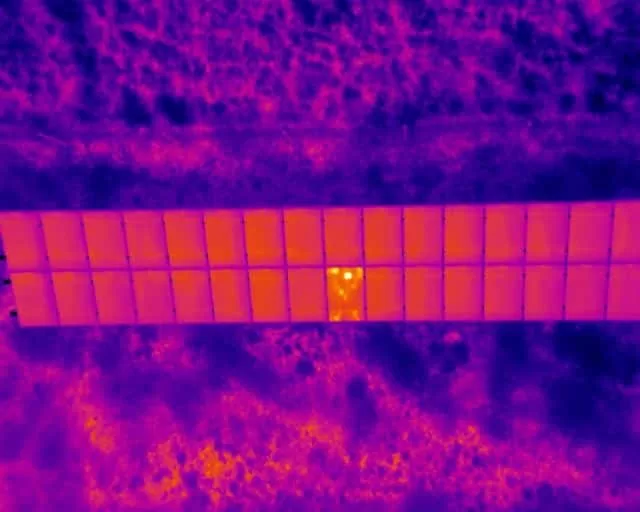
A thermal image of a photovoltaic array records surface temperature, and surface temperature is a symptom rather than a diagnosis. This post sets out how the signatures are actually read on an operating array: what a single hot cell suggests, why a uniformly warm third of a module points somewhere entirely different, how potential-induced degradation gives itself away by geometry, and why severity under IEC 62446-3:2017 is framed with caution rather than asserted from one temperature figure.