
Blog Content TL;DR...
Drone Roof Inspections – The Game-Changer for Insurance Claims!
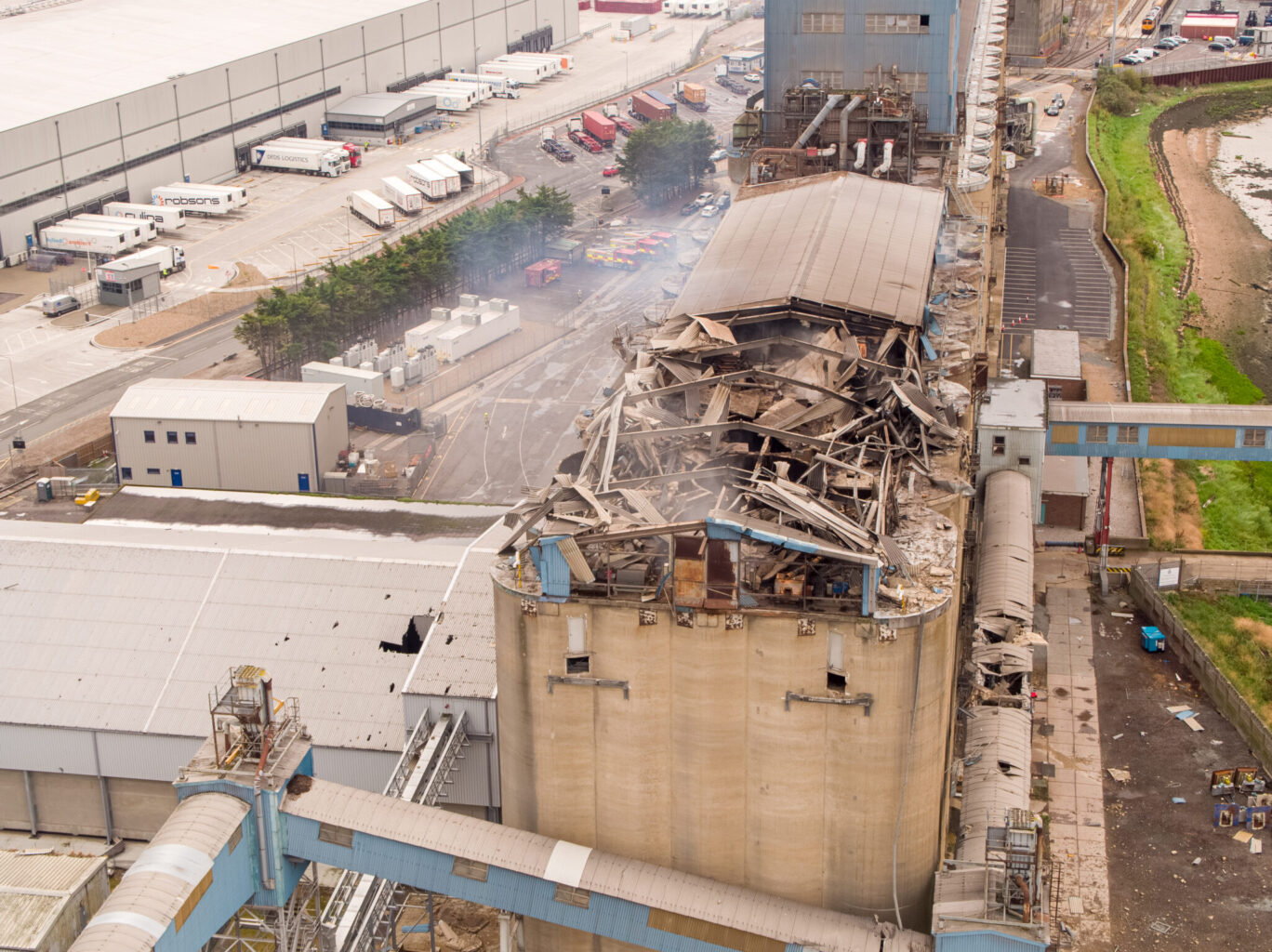
Drones have revolutionised various industries with their ability to reach new heights and provide unparalleled efficiency. One sector that has particularly benefitted from the drone technology is the insurance industry. Specifically, drone roof inspections have emerged as a game-changer when it comes to handling insurance claims. By soaring above the competition, these airborne devices are transforming the way insurance companies assess damages and process claims. With their sky-high efficiency, drones are unleashing a new wave of productivity and accuracy, enabling insurance adjusters to provide quicker resolutions and better customer experiences.
Soaring above the competition: Revolutionising insurance claims with drone roof inspections!
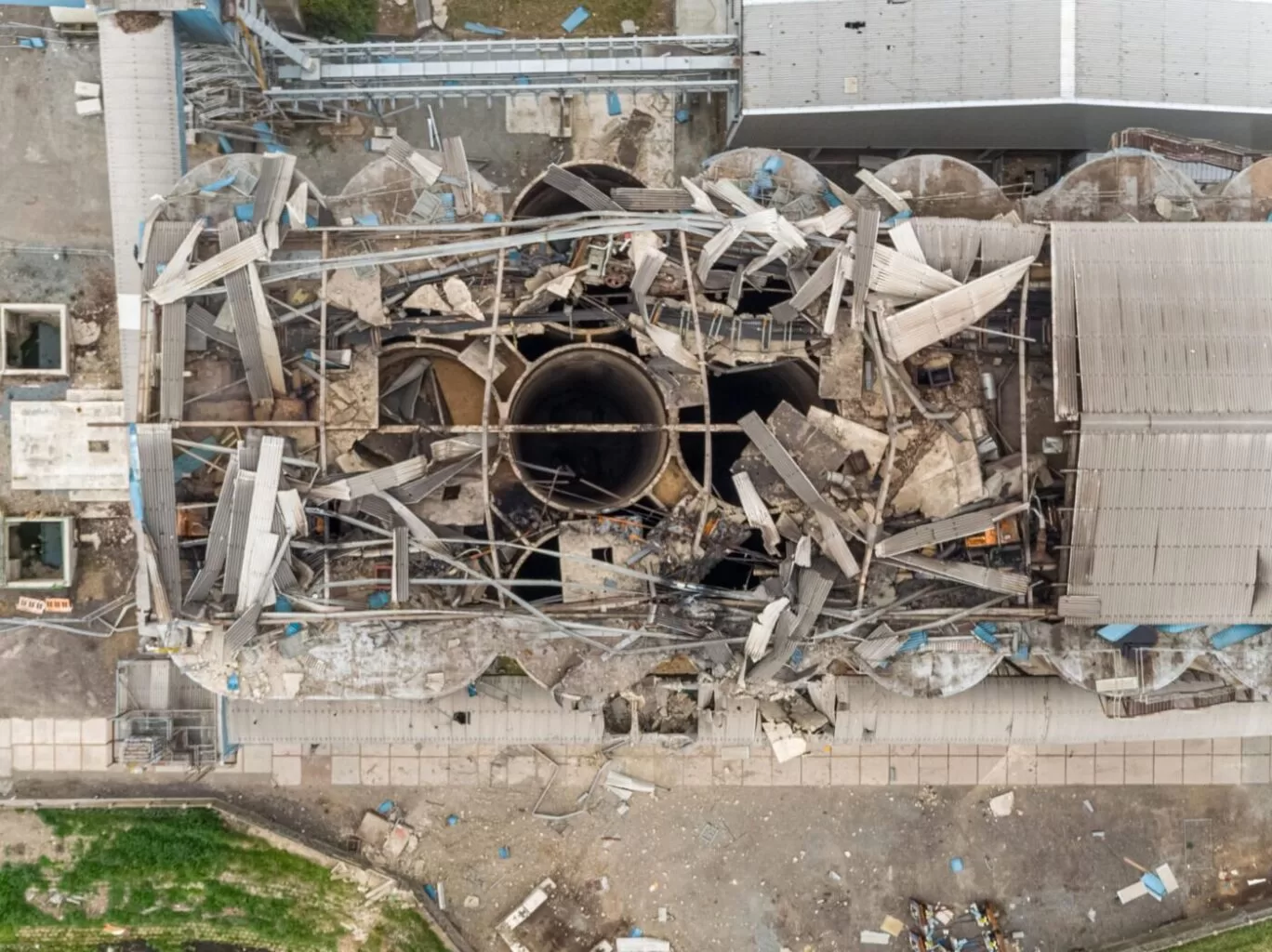
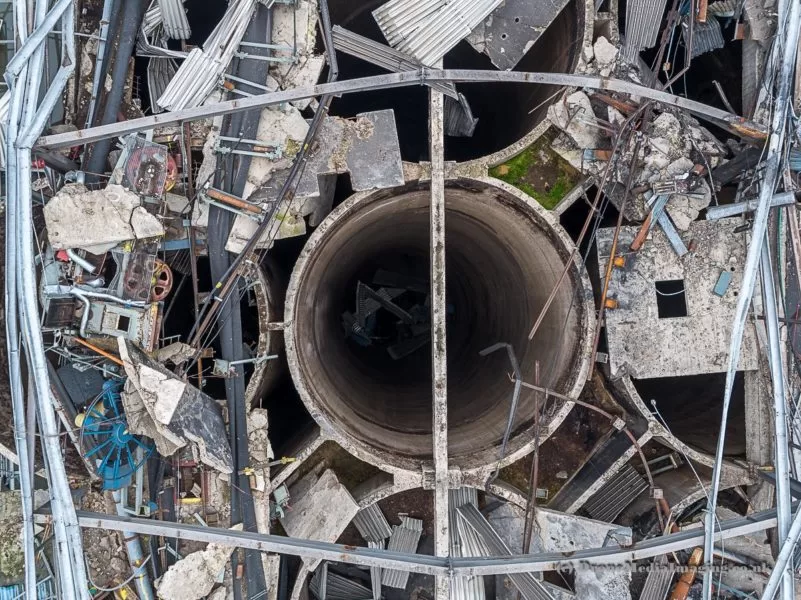
Gone are the days of manually inspecting roofs, clambering up ladders, and risking safety hazards. Drone roof inspections have brought a whole new level of efficiency to the insurance industry. Equipped with high-resolution cameras and advanced imaging technologies, these aerial devices can capture detailed images and videos of rooftops with incredible precision. By flying over the property, drones provide insurance adjusters with an unprecedented and comprehensive view of damages, helping them assess the extent of the claim accurately.
Moreover, drone inspections save time and resources by eliminating the need for physical inspections. Traditional methods can be time-consuming and cumbersome, requiring adjusters to schedule appointments and navigate logistics. Drones, on the other hand, can be deployed quickly, allowing adjusters to survey multiple properties in a fraction of the time it would take otherwise. This increase in efficiency not only expedites the claims process but also reduces costs for insurance companies, ultimately benefitting policyholders as well.
Sky-high efficiency: Unleashing the power of drones to transform the insurance industry!
The power of drones lies not only in their ability to capture visuals but also in the data they provide. Advanced drones can utilise thermal imaging and infrared technologies to detect hidden damages that might not be apparent to the naked eye. This enables insurance adjusters to identify issues like insulation problems, water leaks, or even structural damage that could otherwise go unnoticed. By identifying these underlying issues, adjusters can ensure that the claim covers all necessary repairs, leaving no room for surprises or unforeseen expenses.
Furthermore, drones can be programmed to follow specific flight paths, capturing consistent data for accurate comparisons and assessments. This standardized approach reduces human error and provides insurers with reliable data to determine the appropriate claim amount. The insurance industry can now rely on objective and verifiable information, making the claims process fairer, transparent, and more efficient for both insurers and policyholders.
Drone roof inspections have truly changed the game for the insurance industry, offering unrivaled efficiency and accuracy in assessing damages and processing claims. By soaring above the competition, drones have revolutionised the way insurance companies operate, saving time, reducing costs, and enhancing customer satisfaction. With their ability to capture detailed images, identify hidden damages, and provide objective data, drones are transforming the insurance claims process, making it more transparent and reliable for all parties involved. As drones continue to evolve and become more advanced, it’s clear that they will remain a vital tool in handling insurance claims and ensuring a smoother, more efficient insurance experience.
related posts

A roof gets inspected in the places a person could stand, and that single fact explains most of what gets found late. Ladders reach the eaves, scaffolds cover one elevation, and fragile coverings restrict a roof walk exactly where the roof is oldest. Photographing from the air removes the constraint rather than the expertise: every slope is covered square on, and the interpretation stays with your roofer or surveyor.
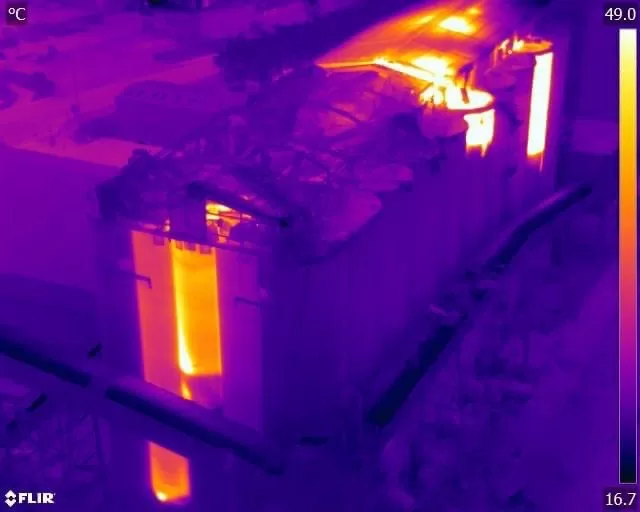
Quantitative thermography measures corrected surface temperatures and produces defensible numbers. Qualitative thermography identifies faults from thermal pattern and contrast without assigning values. Neither is the easy option, and most professional surveys use both: a qualitative sweep to find the anomalies, then quantitative measurement to classify the ones that matter. The distinction that counts commercially is not the method but who interprets the data, and what they are qualified to conclude. Drone Media Imaging analyses at ITC Level III.
Insurance companies can greatly benefit from embracing drone technology, particularly in the areas of claims assessment, risk prevention, and post-disaster response. Drones can quickly and accurately assess damage, provide risk mitigation recommendations, and aid in resource allocation during disasters.