Combined Solar PV Thermographic and Electrical String Testing Inspection
When an insurance recommendation leads to something more substantial
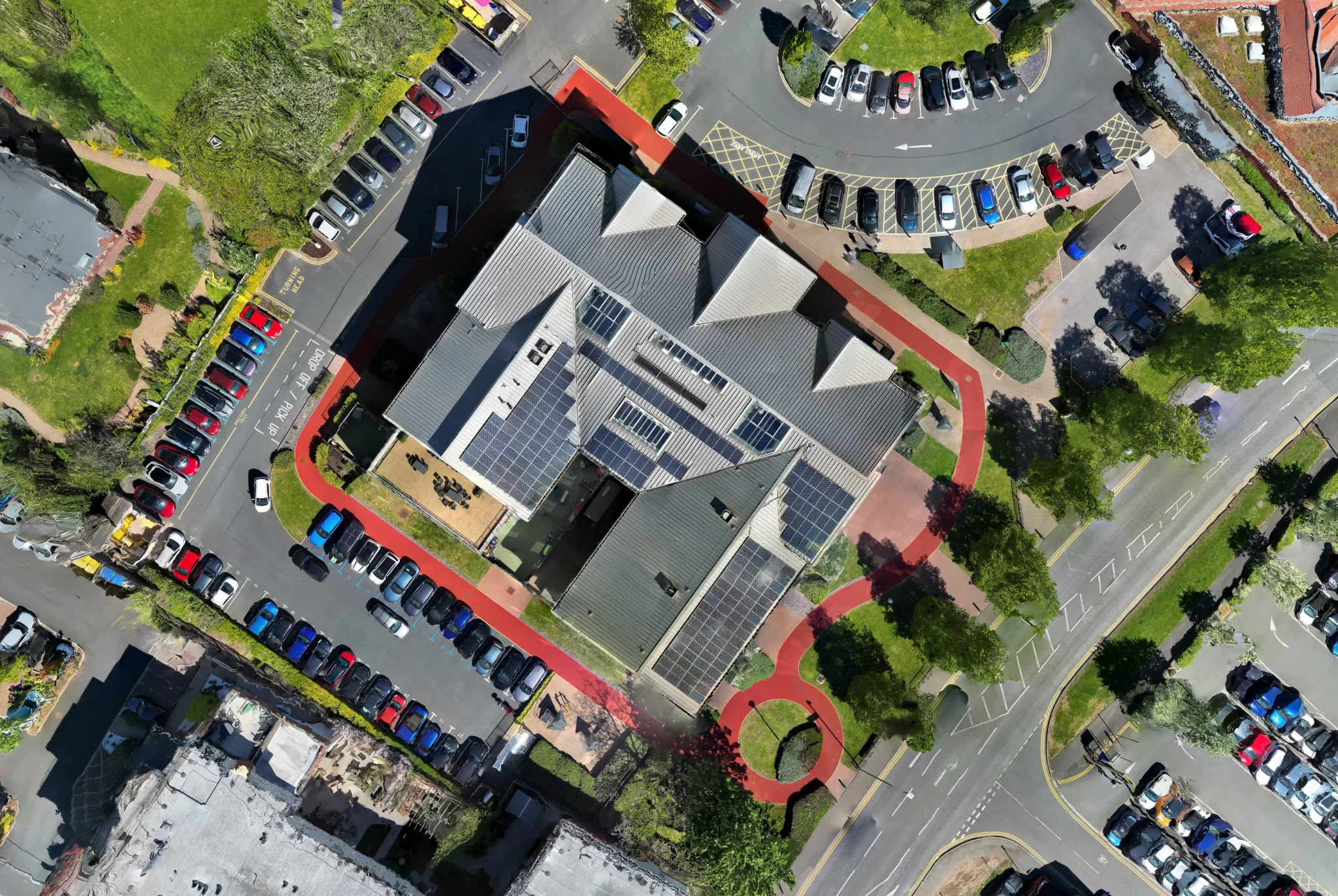
When the facilities team at a healthcare centre in the West Midlands received a recommendation from their insurance auditors to have their solar panels assessed, they expected a standard survey. What they had was a 200-panel rooftop installation fitted over a decade earlier, spread across a complex multi-pitch building, with no recent electrical or thermal assessment on record. Drone Media Imaging conducted a combined drone thermographic survey and electrical string test in a single visit, covering all panels and all strings under IEC 62446-3:2017 and IEC 62446-1:2016+A1:2018. The results went considerably further than the insurance brief had anticipated.
Project Overview
Subject
solar panel inspection West Midlands, IEC 62446 solar survey, drone solar PV inspection, solar string testing commercial, solar thermographic inspection healthcare
Skills Used
IEC 62446-3 solar thermographic inspection, IEC 62446-1 string testing, aerial thermographic survey
Portfolio Tags
solar PV inspection, IEC 62446, aerial thermography, West Midlands, electrical string testing, healthcare sector, insurance audit, solar panel fault detection
solar panel inspection following insurance audit West Midlands, combined thermal and electrical solar PV inspection, IEC 62446-3 drone survey commercial medical centresolar panel inspection following insurance audit West Midlands, combined thermal and electrical solar PV inspection, IEC 62446-3 drone survey commercial medical centre
Combined Solar PV Thermographic and Electrical String Testing Inspection for Insurance Compliance at West Midlands Healthcare Facility
Two standards. One visit. The kind of evidence your insurer and your electrician
both need.
A Dual-Standard Solar PV Inspection Covering Both Thermal Anomaly Detection and Electrical String Performance
When an insurance recommendation leads to something more substantial
The instruction from the auditors was straightforward: have the solar panels thermographically checked and the wider system assessed. What emerged when Drone Media Imaging reviewed the site ahead of survey was a picture of an installation that had grown and changed over its operating life without always being formally documented. A three-phase inverter system, spread across a C-shaped commercial building with south-east and south-west facing roof sections, had been in continuous operation for approximately 13 years. The physical layout of the panels on the roof did not fully match the original installation design held on site, and no record of a periodic electrical inspection had been presented in advance of the survey.
Drone Media Imaging proposed a combined inspection, bringing both the thermographic survey under IEC 62446-3:2017 and electrical string testing under IEC 62446-1:2016+A1:2018 into a single coordinated site visit. The two disciplines complement each other directly. Thermography identifies cell-level and module-level thermal conditions that electrical testing alone cannot detect. String testing quantifies the electrical state of each circuit and can surface configuration concerns that produce no visible thermal signature whatsoever. Together, they give the asset owner a complete picture of installation condition, not a partial one.
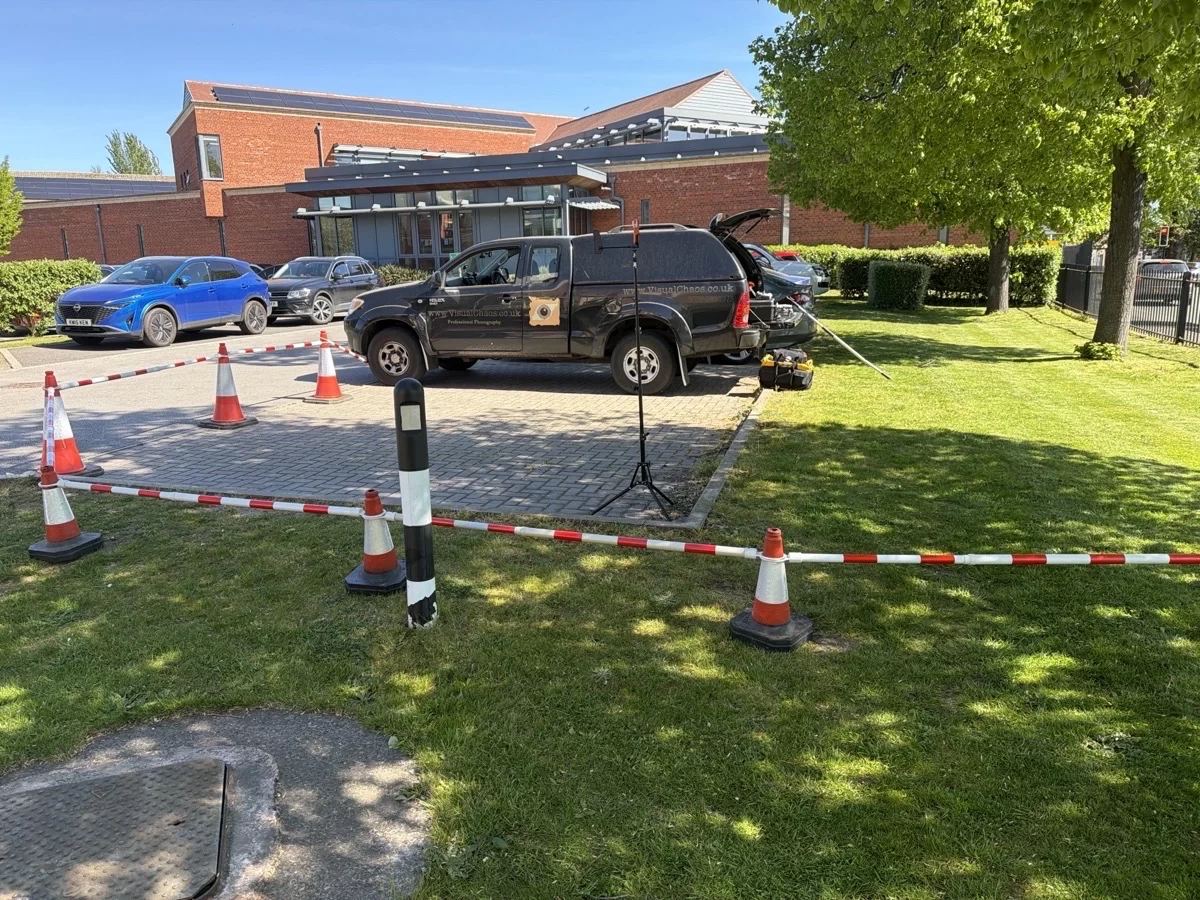
The thermal survey was flown by drone during the optimal irradiance window, with conditions meeting IEC 62446-3:2017 requirements throughout. Solar irradiance held above 1,000 W/m² for the full flight window under clear skies. The electrical string test followed in the same session, covering all ten strings across three inverters, with all strings confirmed energised and under load prior to testing.
How Does a Combined Solar PV Inspection Actually Work?
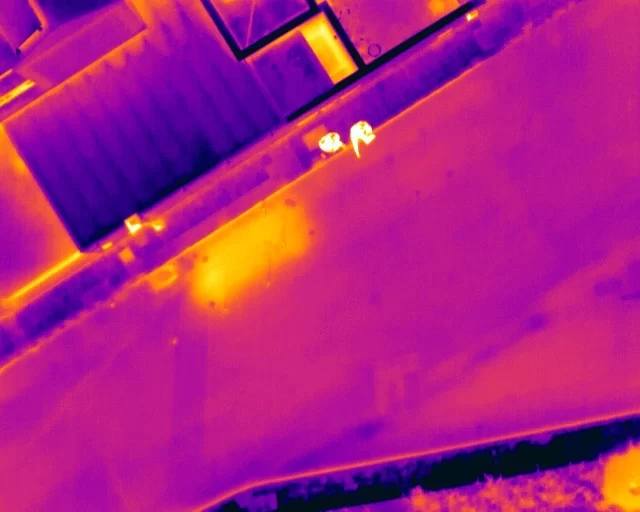
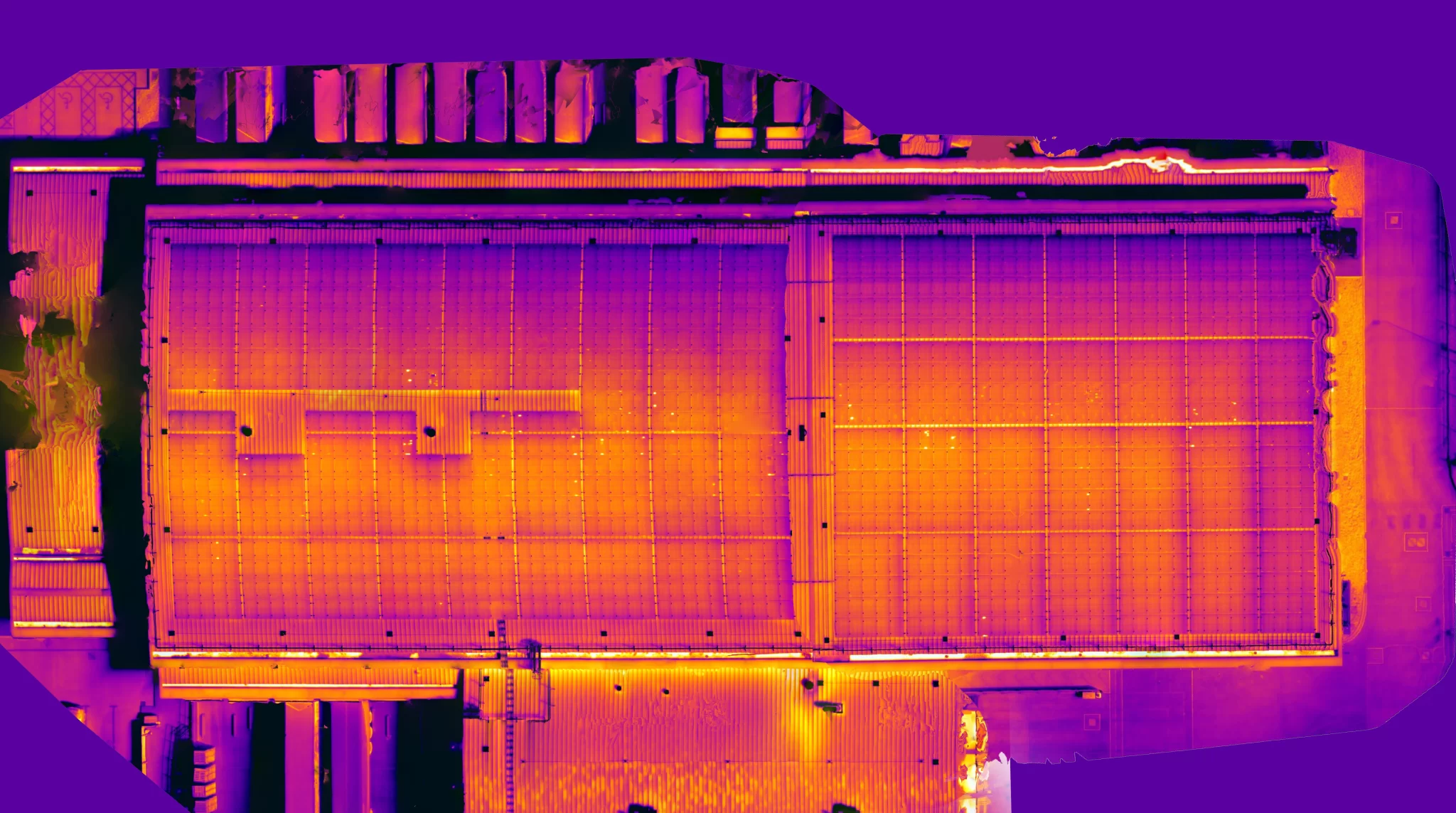
Drone Media Imaging flew the thermal survey first, during the morning irradiance window, capturing both RGB and thermal orthomosaic imagery across all roof sections before conducting a full detailed thermal pass over the entire panel population. The data was then triaged to identify thermograms showing anomalies, which were reviewed in depth at Level 3 against the IEC 62446-3:2017 classification framework. The electrical string test followed in the early afternoon, with measurements taken at the string termination points for each of the ten strings in sequence.
Environmental conditions met IEC 62446-3:2017 requirements throughout the thermal window. Radiometric parameters, including reflected apparent temperature, emissivity, atmospheric temperature and capture distance, were correctly set and verified for each thermogram. Temperature differentials were calculated against the EL1 baseline, established from a normally operating reference module within each thermogram frame, and an anomaly reference threshold of EL1 plus 4°C was applied consistently across all captured data.
The combined inspection covered:
- Full thermal orthomosaic in both RGB and thermal wavelengths
- Detailed thermographic pass of all roof sections and panel populations
- Triage and Level 3 analysis of all anomaly thermograms
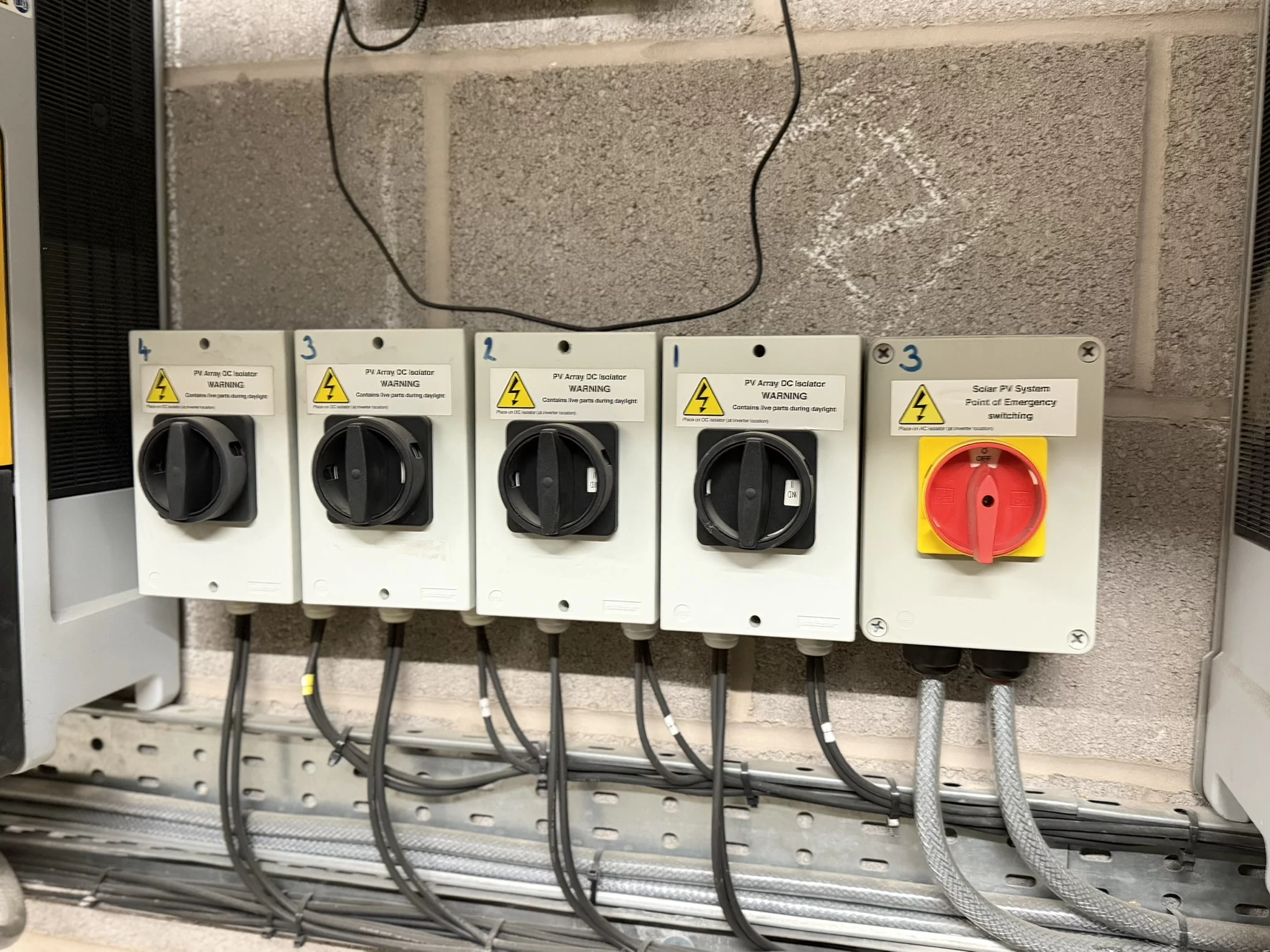
- IEC 62446-1 protective earth continuity test
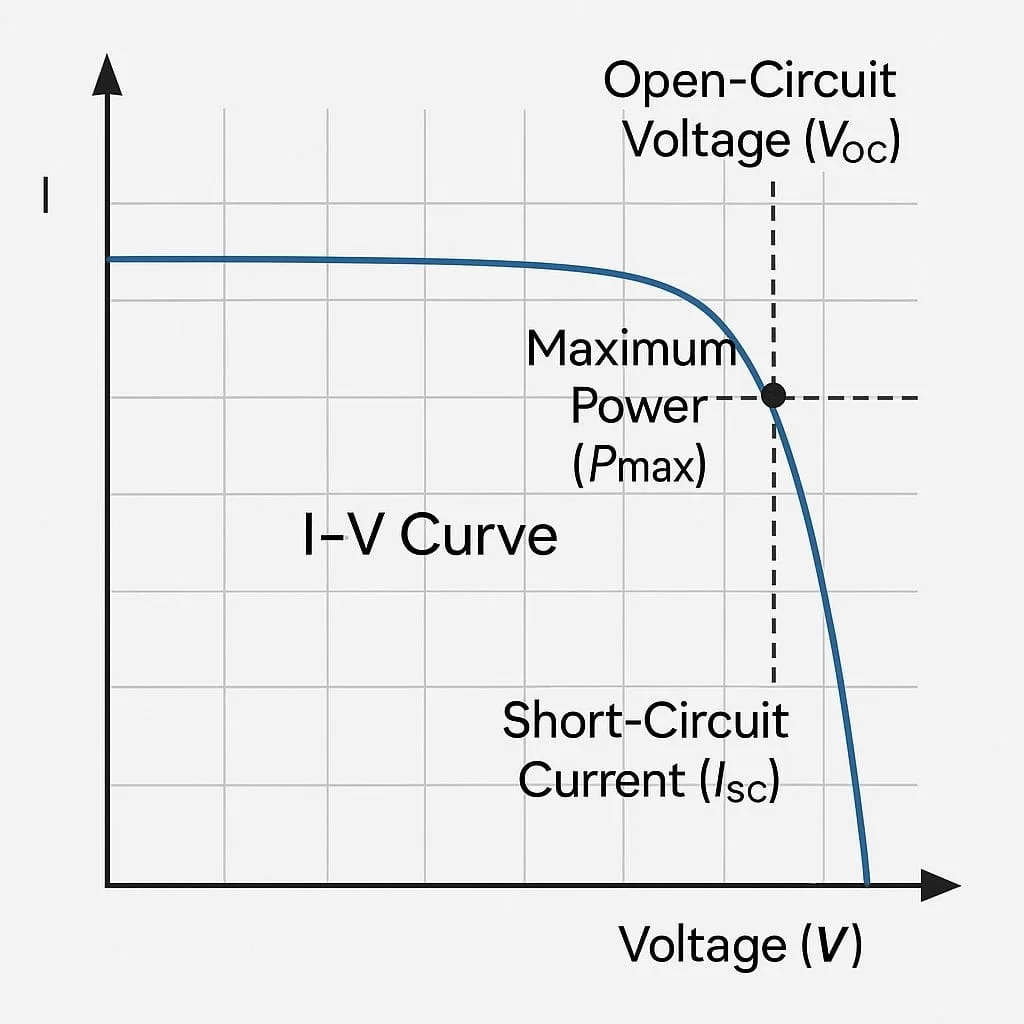
- Open-circuit voltage, short-circuit current and IV curve trace for each string
- Insulation resistance testing at 1,000 V DC across all ten strings
- DMI Consequence Classification applied to all findings from both disciplines
What Did the Solar Panel Inspection Find?
The thermographic triage identified four anomaly thermograms from across the installation. All four were classified under the IEC 62446-3:2017 five-tier severity taxonomy and assessed using the Drone Media Imaging Consequence Classification framework, which translates technical severity into business and safety consequence, giving the client a clear picture of what each finding means in practical terms. The findings ranged from Low to High severity across four roof sections. No thermographic finding triggered the mandatory Safety consequence thresholds, and all four carried a Yield consequence. The most notable thermal finding was a bypass diode condition on one south-east-facing section where no external cause, such as shading or soiling, was present in the RGB imagery, pointing toward an internally driven activation that warrants closer investigation.
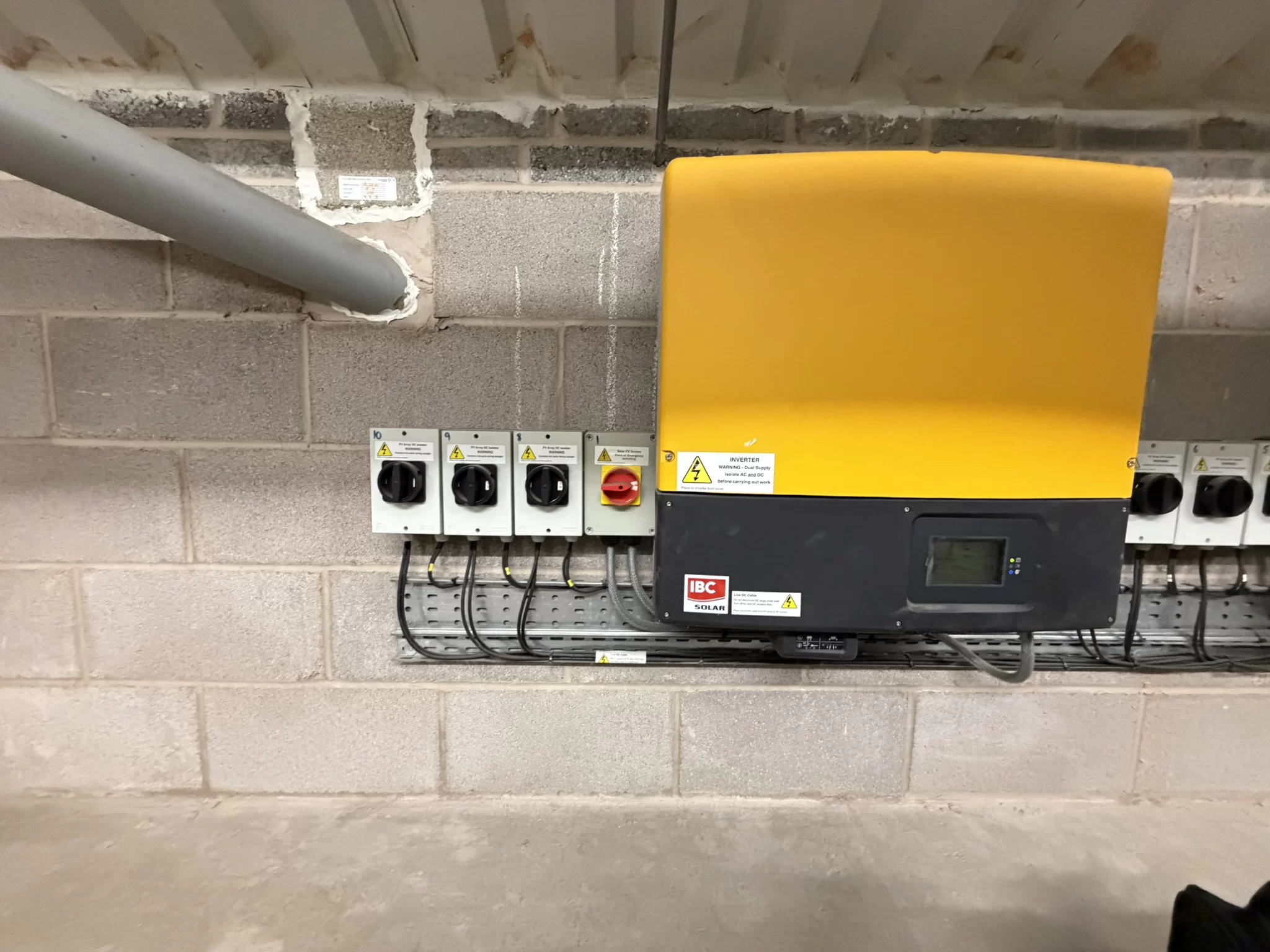
The electrical dataset carried the most significant finding from the combined inspection. One of the ten strings returned an open-circuit voltage consistent with a short string of approximately seven to eight modules, well below its peer group on the same inverter. The string itself was electrically healthy, returning the best fill factor in the entire dataset. The concern arose from its configuration: this string was identified as a post-commission addition, absent from the original installation design, and its routing into the inverter input circuit had not been physically verified. If it has been paralleled with a longer string on a shared MPPT input, the voltage mismatch at maximum power point would be approximately 320 V, creating a reverse current risk in the shorter string and a progressive degradation pathway that produces no immediate thermal signature. Under the DMI Consequence Classification framework, this finding carries a Safety consequence, and physical verification of the inverter input wiring by a suitably qualified electrical contractor is the primary action arising from the inspection.
Four strings returned insulation resistance values in the monitoring band, substantially below both the commissioning baseline recorded in the original installation certificate and the values returned by the peer strings on the first inverter. Over a 13-year service life, this pattern is consistent with EVA encapsulant moisture ingress and thermal cycling degradation, mechanisms that progressively reduce a module’s internal electrical isolation as the laminate ages. All four strings passed the IEC 62446-1 minimum threshold and were classified Pass on that basis, but the trend was flagged under the DMI Consequence Classification framework as a Degradation Trajectory, with re-testing at the next periodic inspection recommended to determine whether values are stable or continuing to decline.

What Did the Client Receive From the Inspection?
The combined inspection delivered a single certified report covering both IEC 62446-3:2017 thermographic findings and IEC 62446-1:2016+A1:2018 string test results, produced and signed off by our Level 3 Master Thermographer. The report establishes a documented baseline for the installation, with thermal and electrical data captured on the same day under the same conditions, providing a reference point that future periodic inspections can measure directly against. For a system of this age and complexity, having both disciplines in a single certified document significantly strengthens the client’s position with their insurers and with any future electrical contractor engaging with the site.
The additional observations recorded in the report, covering the undocumented module addition and the variance between the physical installation and the original certified design, gave the client a clear and factual record of the configuration gaps that had accumulated over the installation’s operating life. These observations were presented without speculation, based only on what was directly evidenced during the survey, giving the client accurate information from which to seek appropriate professional advice.
Following the inspection, the client had a defined path forward:
- Safety finding: suitably qualified electrical contractor to verify inverter input wiring configuration
- Thermal findings: four modules logged for reassessment at the next scheduled inspection interval
- Electrical trend: insulation resistance re-test to be included in the next periodic inspection
- Documentation: configuration and compliance observations formally recorded in the certified report
Commercial solar installations from the early feed-in tariff era are now reaching the point in their operating life where a combined inspection, covering both thermal and electrical condition in a single visit, becomes the most effective way to understand the full picture. A system that has performed quietly for over a decade can carry configuration changes, documentation gaps and ageing trends that only become visible when both disciplines are applied at the same time.
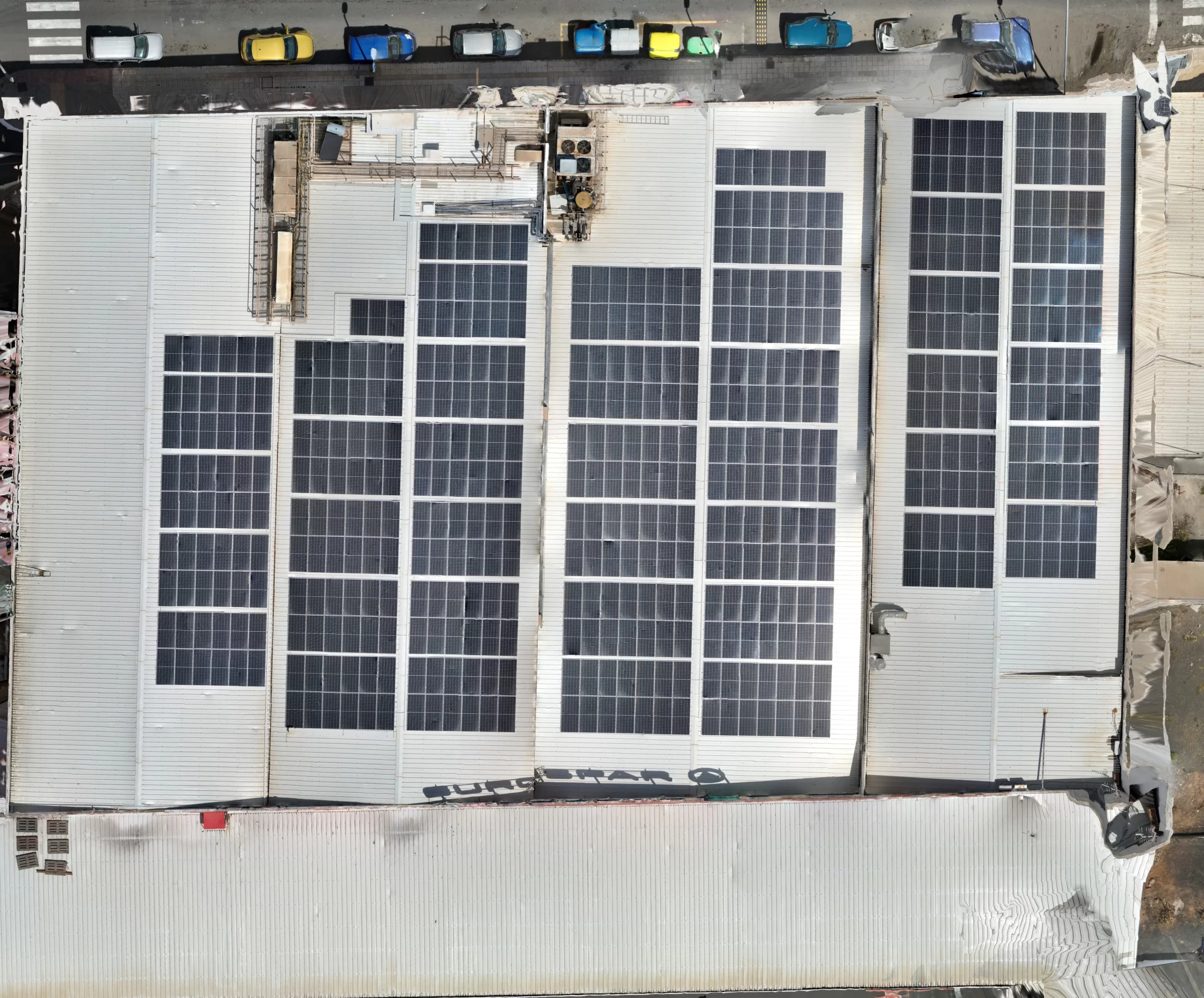
Alt text: RGB aerial orthomosaic of a C-shaped commercial healthcare building showing rooftop solar panel arrays across multiple south-east and south-west facing pitched roof sections.
Why Was This More Than a Routine Solar Survey?
This was the first project on which Drone Media Imaging deployed both IEC 62446-3:2017 thermographic inspection and IEC 62446-1:2016+A1:2018 electrical string testing as a fully combined service, producing a single certified report under both standards. That combination surfaced something neither discipline would have found in isolation: a string configuration that appeared entirely normal in the thermal data but carried a potential Safety consequence in the electrical data, detectable only when the two datasets were analysed together and read against each other.
The RGB orthomosaic captured as part of the thermal survey also revealed that the physical installation had grown beyond its original certified design, with additional modules present on a roof section that did not appear in the original layout documentation held on site. Without the visual ortho providing an independent panel count, this discrepancy would not have been identified during a standard inspection visit. The convergence of thermal, electrical and visual evidence in a single coordinated survey is what gave the client the full and accurate picture of their installation’s current condition.
Need a Solar Panel Inspection for Insurance or Compliance?
Drone Media Imaging delivers certified combined IEC 62446-3 thermographic and IEC 62446-1 electrical solar surveys for commercial, healthcare and public sector clients across the UK.
Drone Media Imaging provides IEC 62446-3:2017 thermographic solar surveys and IEC 62446-1:2016+A1:2018 electrical string testing for commercial and public sector clients across Sussex, Hampshire, Kent, Surrey and throughout the UK. All inspections are conducted and certified by our Level 3 Master Thermographer, with combined reports available covering both disciplines in a single certified document. If you have been advised by your insurers, a maintenance programme or a compliance review to have your solar installation assessed, contact Drone Media Imaging to discuss what your site requires.