Using Thermography to investigate building air presure, air flow and air leaks
Thermography, a non-invasive technique using infrared imaging, has emerged as a powerful tool in the building industry. It is particularly useful for investigating building air pressure, air flow, and inefficient air leaks. This article explores the application of thermography in these areas, providing valuable insights and practical examples.
Exploring Thermography: A Tool for Investigating Building Air Pressure, Air Flow, and Inefficient Air Leaks
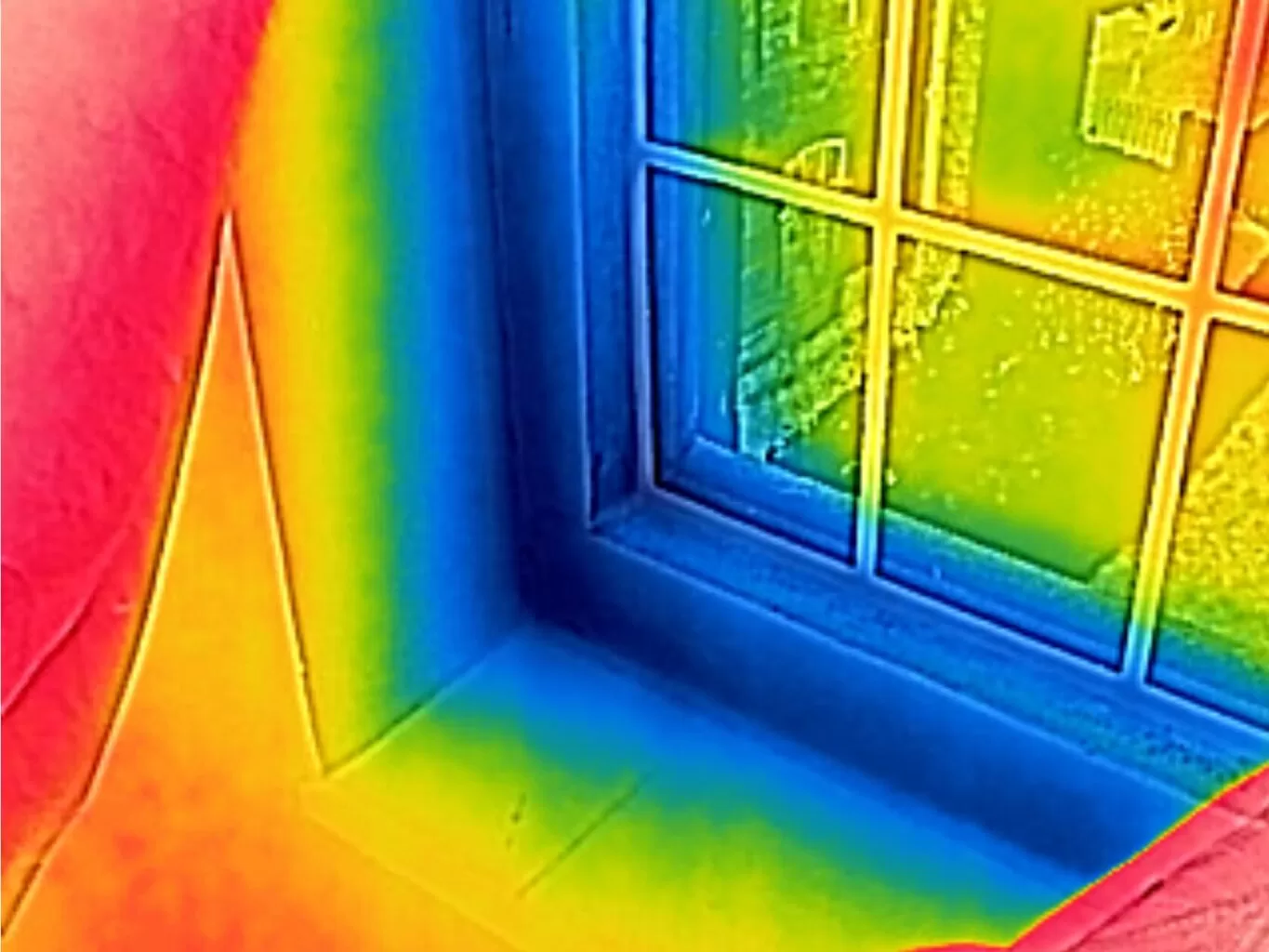
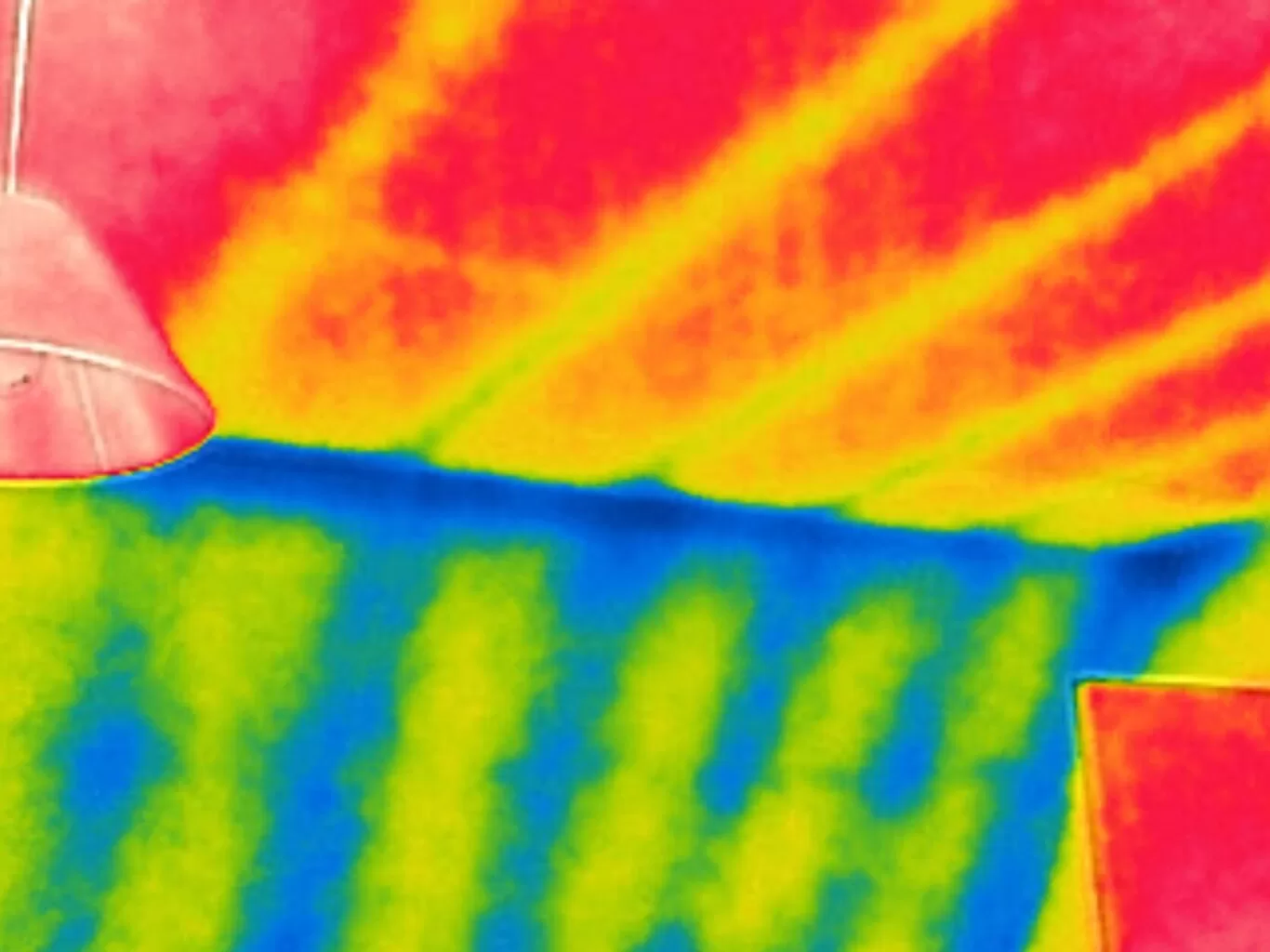
Thermography is a non-invasive technique that uses infrared imaging to detect temperature differences and has emerged as a powerful tool in the building industry. It is particularly useful for investigating building air flows and inefficient air leaks. Thermography, also known as thermal imaging, is a method that visualises heat irradiating from a surface converted into coloured patterns known as thermograms. These images thermograms can reveal temperature variations that may indicate problems such as air leaks, air infiltration or insulation deficiencies.
Thermography can be used to investigate building airflows. By identifying areas of heat loss or cold air infiltration, it can help determine whether a building is under positive or negative pressure. For instance, if a building is under negative pressure, it may draw in cold air from outside, leading to drafts and increased heating costs. Conversely, a building under positive pressure may expel warm air, causing cooling systems to work harder.
Investigating Air Flow with Thermography
 Thermography can also be used to investigate air flow within a building. By identifying areas of heat gain or loss, it can help pinpoint air flow issues that may affect indoor air quality and comfort. For example, thermography can reveal whether air is being distributed evenly throughout a building or if there are areas where air is stagnant.
One of the most common uses of thermography in the building industry is to identify inefficient air leaks. These leaks can lead to significant energy loss, increased utility bills, and decreased comfort. By identifying these leaks, building owners can take steps to seal them and improve energy efficiency.
A recent case study in the UK demonstrated the effectiveness of thermography in identifying inefficient air leaks. The study involved a large commercial building that was experiencing high energy costs. Using thermography, the building owners were able to identify several significant air leaks that were contributing to these costs. After sealing these leaks, the building’s energy costs decreased by 20%.
The Power of Thermography
Thermography is a powerful tool for investigating building air pressure, air flow, and inefficient air leaks. By providing a visual representation of heat patterns and gradients, it can help identify issues that may be affecting a building’s energy efficiency and comfort. Whether you’re a building owner looking to reduce energy costs or a professional in the building industry, thermography can provide valuable insights that can lead to significant improvements.
So, why not consider incorporating thermography into your building management or inspection processes? It could be the key to unlocking greater energy efficiency and comfort in your building.
Drone Services Enquiry
Thermography | Inspections | Solar | Photogrammetry
Discover how drone technology can enhance your operations with a free quotation from our experts. Get a Free Quote or Make an Enquiry Today!
related posts
Unlocking Energy Efficiency, explores the potential of building thermography surveys in identifying energy inefficiencies. It delves into how these surveys can detect thermal leaks and insulation issues, providing a roadmap for energy-saving improvements. This book is a must-read for anyone interested in sustainable building practices and reducing energy consumption.