Blog Content TL;DR...
The Value of Qualified Thermographers
The Importance of Qualified Thermographers in Solar Panel Inspections: Ensuring Reliable Results
Solar panel inspections are a crucial aspect of maintaining the efficiency and longevity of solar energy systems. These inspections help identify any issues or defects in the panels, allowing for timely repairs and maximising energy production. However, the reliability of these inspections relies on the expertise and qualifications of the thermographers conducting them.
Qualified thermographers play a vital role in ensuring reliable results during solar panel inspections. They possess the necessary knowledge and skills to accurately assess the condition of solar panels, identify potential problems, and provide actionable recommendations. Without qualified thermographers, there is a risk of overlooking critical issues that could lead to decreased energy production or even system failure.
One of the primary reasons why qualified thermographers are essential in solar panel inspections is their ability to accurately interpret thermal images, known as thermograms. Thermal imaging is a non-invasive technique used to detect anomalies in solar panels by capturing the heat signatures emitted by the cells. However, interpreting these images accurately requires a thorough understanding of solar panel technology, as well as the ability to distinguish between normal variations and actual defects.
Thermography Certification: A Key Requirement for Accurate and Trustworthy Solar Panel Inspections
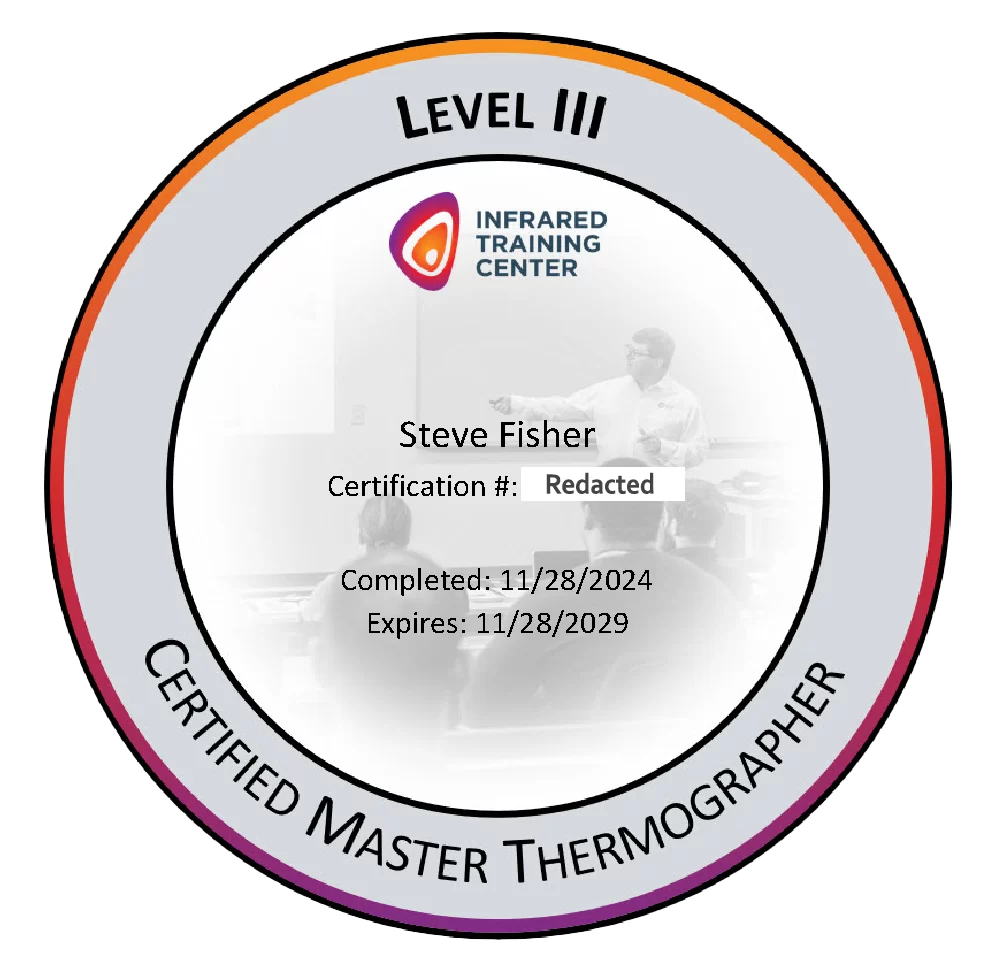
To ensure accurate and trustworthy solar panel inspections, it is crucial to engage thermographers who hold appropriate certification. Terhmographers with a level 1 certification will be skilled and trained in the accurate collection of thermal data, while level 2 certification builds upon the level 1 data capture to included thermagram analysis and inspection reporting and will demonstrate a thermographer’s proficiency in conducting complete thermal imaging inspections and analysing of the results.
Obtaining Level 2 certification involves rigorous training and testing and real world practicle hours, ensuring that thermographers have a comprehensive understanding of infrared technology, heat transfer principles, and the specific requirements for solar panel inspections. This certification also requires thermographers to have practical experience in conducting inspections and analysing thermal images.
By working with thermographers with Level 2 certification, solar installation panel maintenance providers or owners can have confidence in the accuracy and reliability of the inspection results. These certified professionals have demonstrated their competence in conducting inspections and interpreting thermal images, minimising the risk of misdiagnosis or oversight.
The Value of Qualified Thermographers: Enhancing Efficiency and Safety in Solar Panel Maintenance
Qualified thermographers bring significant value to solar PV installation maintenance by enhancing efficiency and safety. Their expertise allows them to quickly identify and prioritise issues, enabling timely repairs and minimising downtime. This proactive approach helps maximise energy production and ensures the long-term performance of solar energy systems.
Moreover, qualified thermographers are well-versed in safety protocols and best practices for working with solar panels. They understand the potential hazards associated with solar panel inspections, and take necessary precautions to mitigate these risks. By hiring qualified thermographers, solar panel owners can ensure the safety of their personnel and protect their investment.
Why Hiring Certified Thermographers is Crucial for Effective Solar Panel Inspections
Hiring appropraitely certified thermographers is crucial for effective solar panel inspections due to the specialised knowledge and skills they possess. These thermographers have undergone extensive training and testing, equipping them with the expertise needed to accurately assess the condition of photovoltaic panels and identify potential issues.
Furthermore, certification ensures that thermographers are up-to-date with the latest industry standards and best practices. Solar panel technology is constantly evolving, and it is essential to have thermographers who are knowledgeable about the latest advancements and inspection techniques. By hiring certified thermographers, solar panel owners can benefit from their expertise and stay ahead of potential problems.
The value of qualified thermographers in solar panel inspections cannot be overstated. Their expertise, training and certification ensure reliable results, enhance efficiency and safety in maintenance, and contribute to effective inspections. By prioritising the hiring of qualified thermographers, solar panel owners can maximise the performance and longevity of their system installtions, ultimately reaping the benefits of clean and sustainable energy.
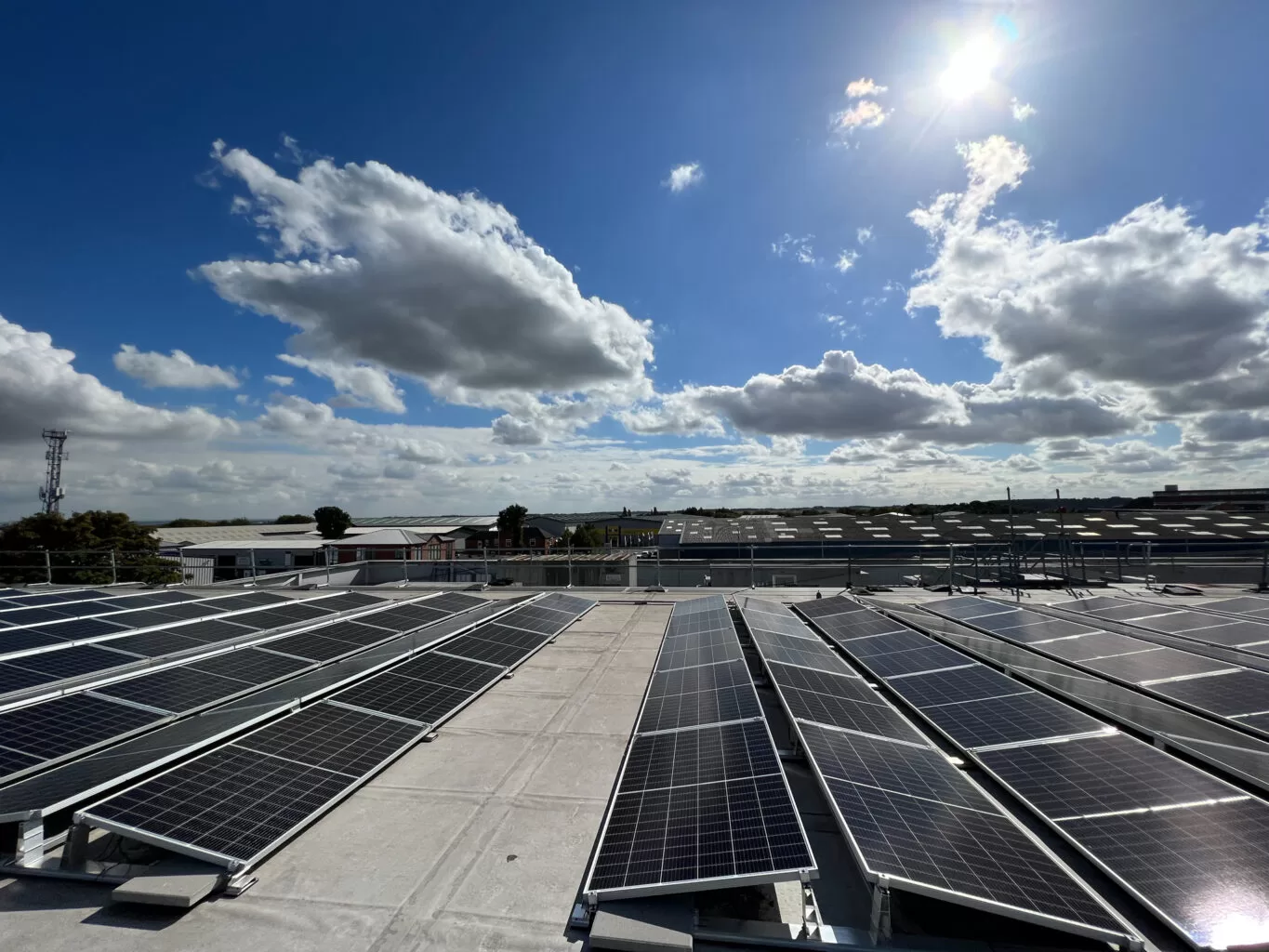
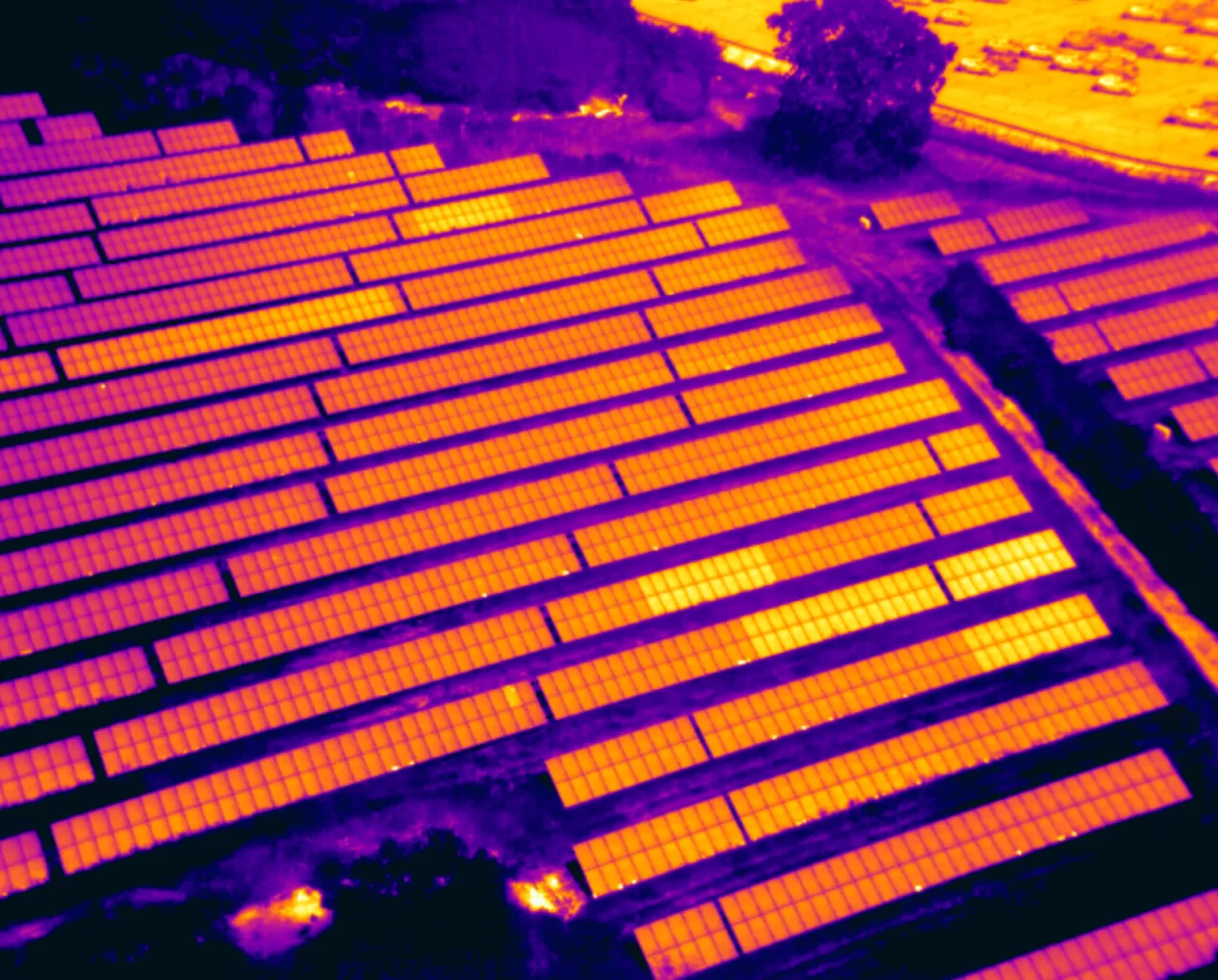
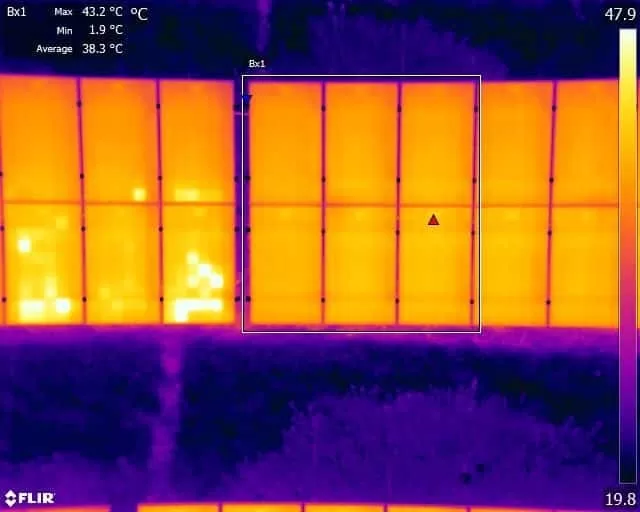
IEC Solar Inspection Services
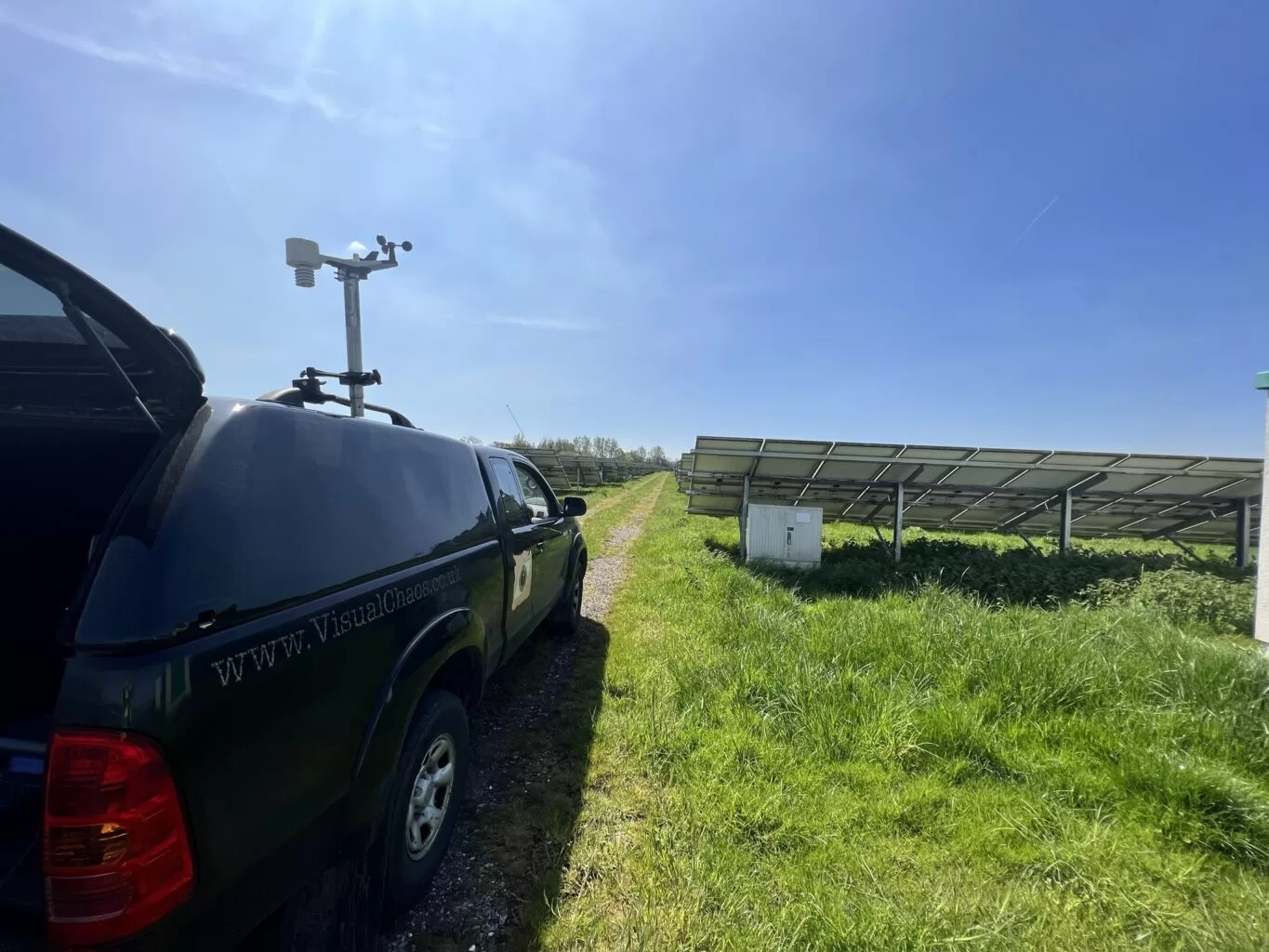
We are certified thermographers, experienced in solar panel inspection to IEC standards. We can complete both the structured and compliant data capture through to the formal inspection report.
As approved drone pilots we work throughout the UK to provide both aerial and ground based thermography services. Fully insured and certified by the CAA with enhanced permissions for day and night time flights
related posts
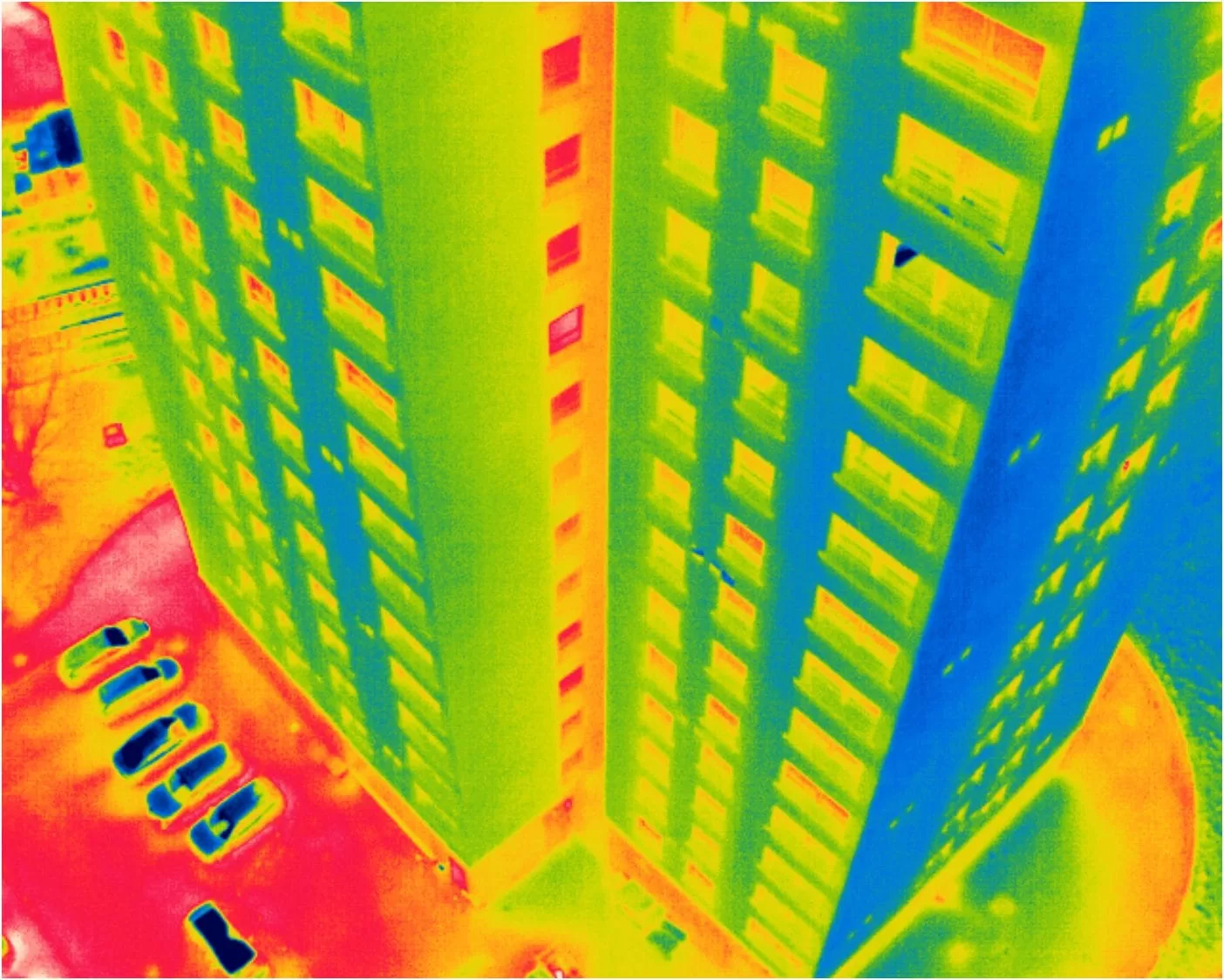
A drone operator in Scotland flew three multi-storey residential blocks in the spring of 2025. They had the aircraft, the payload and the access, but nobody able to sign the result as a certified thermographic inspection. We wrote the capture protocol for their team before the flight and certified the reporting afterwards. This piece covers why the protocol comes first, what the analysis established, and what remote reporting genuinely cannot settle.

A construction project always has more people with a stake in it than it can have standing on the site. An aerial record shows the whole plot in one frame, with the boundary, the compound, the access and the works in their correct relationship, so people who cannot get there still understand it. This piece covers that use, what flying over a live workplace actually involves, and where a visual record stops and measurement begins.
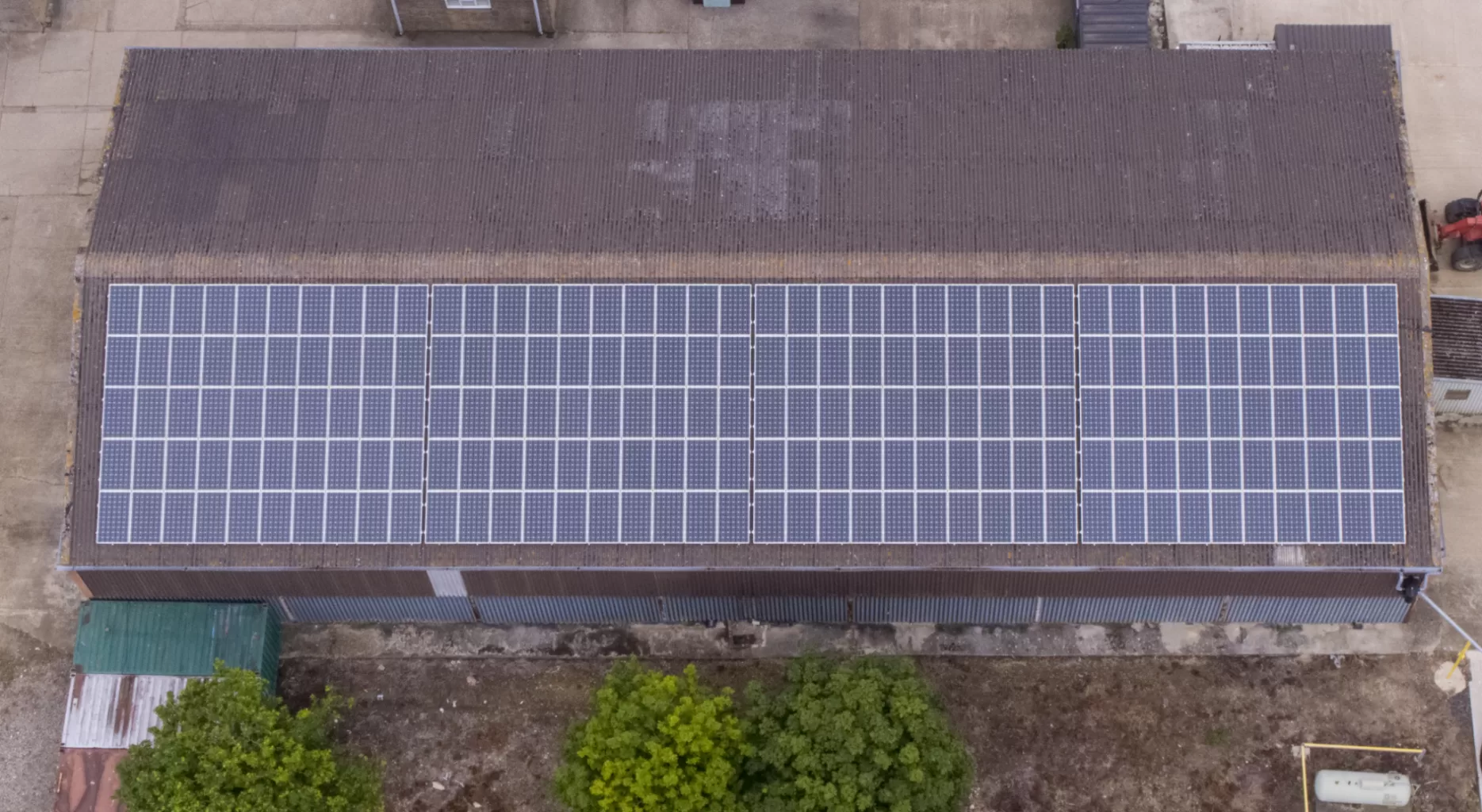
A domestic solar array is rarely laid out the way anyone would choose. Pitch and orientation are inherited from the building, and shading from chimneys, dormers and trees removes usable area before the layout is drawn. What gets installed is the residual. Those same decisions fix the plane the modules sit in, and so fix the directions from which they can usefully be imaged afterwards, which is why a rooftop array is awkward to assess from ground level.