Blog Content TL;DR...
How Level 3 Thermography Certification Benefits Building Heat Performance and Insulation Surveys

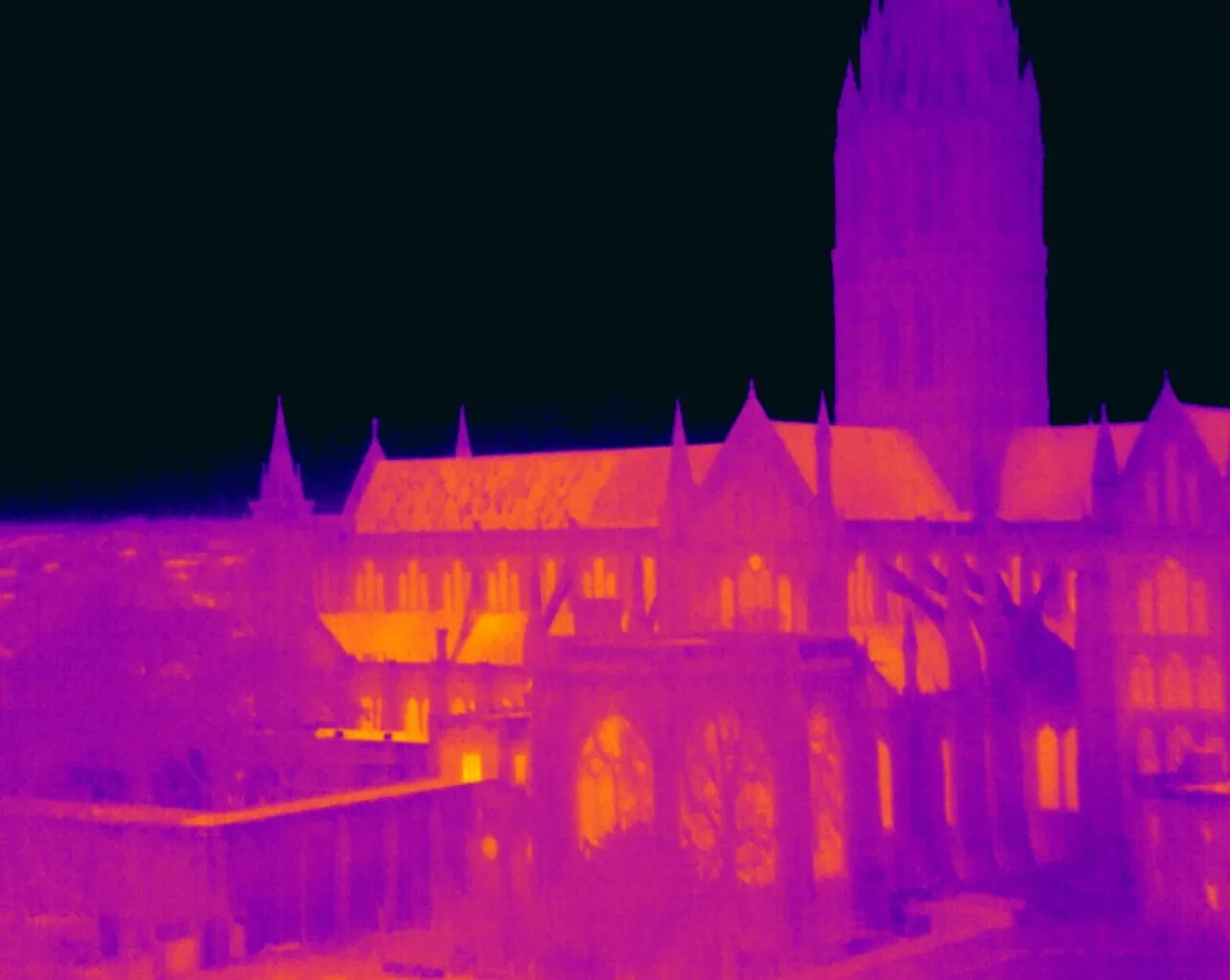
As energy efficiency becomes a priority for homeowners, businesses, and governments alike, building heat performance and insulation surveys are crucial for identifying energy wastage and reducing carbon footprints. A Level 3 Thermographer brings advanced expertise and tools to these surveys, offering significant advantages.
1. Pinpointing Energy Loss with Precision
Buildings lose energy through various pathways, including poorly insulated walls, windows, roofs, and doors. A Level 3 Thermographer utilises high-resolution thermal imaging cameras and advanced techniques to detect even the slightest heat loss. Their expertise ensures:
- Identification of hidden insulation defects, such as gaps or compressed materials.
- Detection of thermal bridges that compromise building performance.
- Spotting air leaks around windows, doors, and other openings.
This level of precision provides a clear roadmap for targeted energy efficiency improvements.
2. Ensuring Accurate Diagnoses in Complex Structures
In modern buildings, particularly those with complex designs or mixed-use purposes, interpreting thermal anomalies can be challenging. A Level 3 Thermographer’s training equips them to distinguish between genuine heat loss issues and false positives caused by factors like reflective surfaces or environmental conditions. This expertise ensures reliable results, even in the most demanding scenarios.
3. Compliance with Energy Efficiency Standards
With regulations like the UK’s Energy Performance Certificate (EPC) requirements and the push for net-zero carbon emissions, accurate building performance assessments are more critical than ever. A Level 3 Thermographer ensures that heat performance and insulation surveys meet the stringent standards required by policymakers and regulatory bodies.
4. Quantifiable Benefits for Property Owners
The insights provided by a Level 3 Thermographer during insulation surveys translate into tangible benefits, such as:
- Lower energy bills: Targeted insulation improvements reduce heating and cooling costs.
- Enhanced comfort: Improved insulation minimises drafts and maintains stable indoor temperatures.
- Increased property value: Energy-efficient buildings are more attractive to buyers and tenants.
- Environmental impact: Reduced energy consumption decreases greenhouse gas emissions.
5. Comprehensive Reporting for Informed Decision-Making
A Level 3 Thermographer provides detailed thermal reports that highlight areas requiring attention. These reports include actionable recommendations, thermal images with clear annotations, and quantifiable data, enabling property owners to make informed investment decisions regarding energy efficiency upgrades.
6. Real-World Applications
Consider a residential housing estate where complaints of high energy bills prompted a thermal survey. A Level 3 Thermographer discovered widespread insulation gaps in cavity walls, leading to corrective actions that reduced annual heating costs by 25%. Similarly, a commercial office block in Manchester identified heat loss through poorly sealed windows, leading to immediate repairs and substantial savings.
These examples demonstrate how Level 3 thermography certification directly benefits heat performance and insulation assessments, delivering long-term energy savings and improved living or working conditions.
Certified Master Thermographer Level 3


Real-World Examples of Conclusions from Level 3 Thermography Surveys
A Level 3 Thermographer’s qualifications enable them to provide detailed, actionable conclusions during building surveys. Below are some examples of how their expertise has solved complex problems in real-world scenarios, along with cited references to underline the importance of advanced thermography qualifications.
 1. Identifying and Resolving Thermal Bridging in High-Rise Apartments
 1. Identifying and Resolving Thermal Bridging in High-Rise Apartments
In a high-rise residential building in London, residents reported uneven indoor temperatures despite high heating costs. A Level 3 Thermographer conducted a thorough survey and identified thermal bridges at key structural junctions, such as balcony connections and wall corners. These weak points were causing significant heat loss.
The thermographer recommended retrofitting thermal breaks and adding external insulation. Following the repairs, energy consumption for heating dropped by 22%, and residents reported improved comfort. This demonstrates the capability of Level 3 Thermographers to address specific issues in large and complex structures.
2. Detecting Air Leakage in Commercial Properties
A retail chain in Manchester hired a Level 3 Thermographer to investigate high energy costs in its flagship store. The thermographic survey revealed extensive air leakage around window frames, skylights, and HVAC penetrations, which were not visible to the naked eye.
By sealing the leaks and improving insulation in key areas, the company achieved annual savings of over £15,000 in energy costs while reducing its carbon emissions. The detailed thermal imaging report provided by the thermographer was also used to secure compliance with energy efficiency regulations.
3. Diagnosing Subfloor Heating System Failures
In a university building in Edinburgh, a suspected failure in a subfloor heating system led to uneven heating and cold zones in lecture halls. A Level 3 Thermographer’s survey pinpointed blockages in heating pipes and uneven heat distribution caused by damaged insulation beneath the floor.
After targeted repairs based on the thermographer’s findings, the system was restored to full functionality, reducing heating complaints by 90% and saving thousands of pounds in unnecessary replacement costs. This case highlights how advanced thermography can diagnose hidden problems with pinpoint accuracy.
4. Improving Energy Efficiency in Heritage Buildings
 A historical property in Bath was facing challenges in maintaining consistent indoor temperatures due to outdated insulation and draught-prone windows. A Level 3 Thermographer’s survey uncovered multiple issues, including air infiltration through timber-framed windows and heat loss through uninsulated walls.
The thermographer’s expertise ensured sensitive recommendations that preserved the building’s architectural integrity. These included installing secondary glazing and injecting breathable insulation into cavity walls. As a result, the property’s energy use decreased by 30%, and indoor comfort improved significantly.
5. Ensuring Building Compliance During Construction
A newly constructed office block in Birmingham failed initial energy performance testing due to unexpected heat loss. A Level 3 Thermographer was called in to identify the cause. Thermal imaging revealed poorly installed insulation and air leakage around window and door seals.
With these findings, the construction team rectified the issues, enabling the building to meet its EPC rating requirements. This intervention avoided potential fines and ensured the project was delivered to regulatory standards, proving the value of expert thermographic analysis in construction quality assurance.
Cited References
For further details and case studies, consider reviewing the following sources:
- Infrared Training Centre (ITC) resources on thermal imaging applications in construction.
- Publications from the Building Research Establishment (BRE) on thermal bridging and energy efficiency.
- Reports from the Energy Saving Trust on thermography’s role in improving building performance.
- Guidance on thermography standards by the International Organization for Standardization (ISO), particularly ISO 18436 and ISO 6781.
These references highlight how a Level 3 Thermographer can uncover hidden issues, reduce energy waste, and ensure compliance in building performance assessments, showcasing their critical role across diverse scenarios.
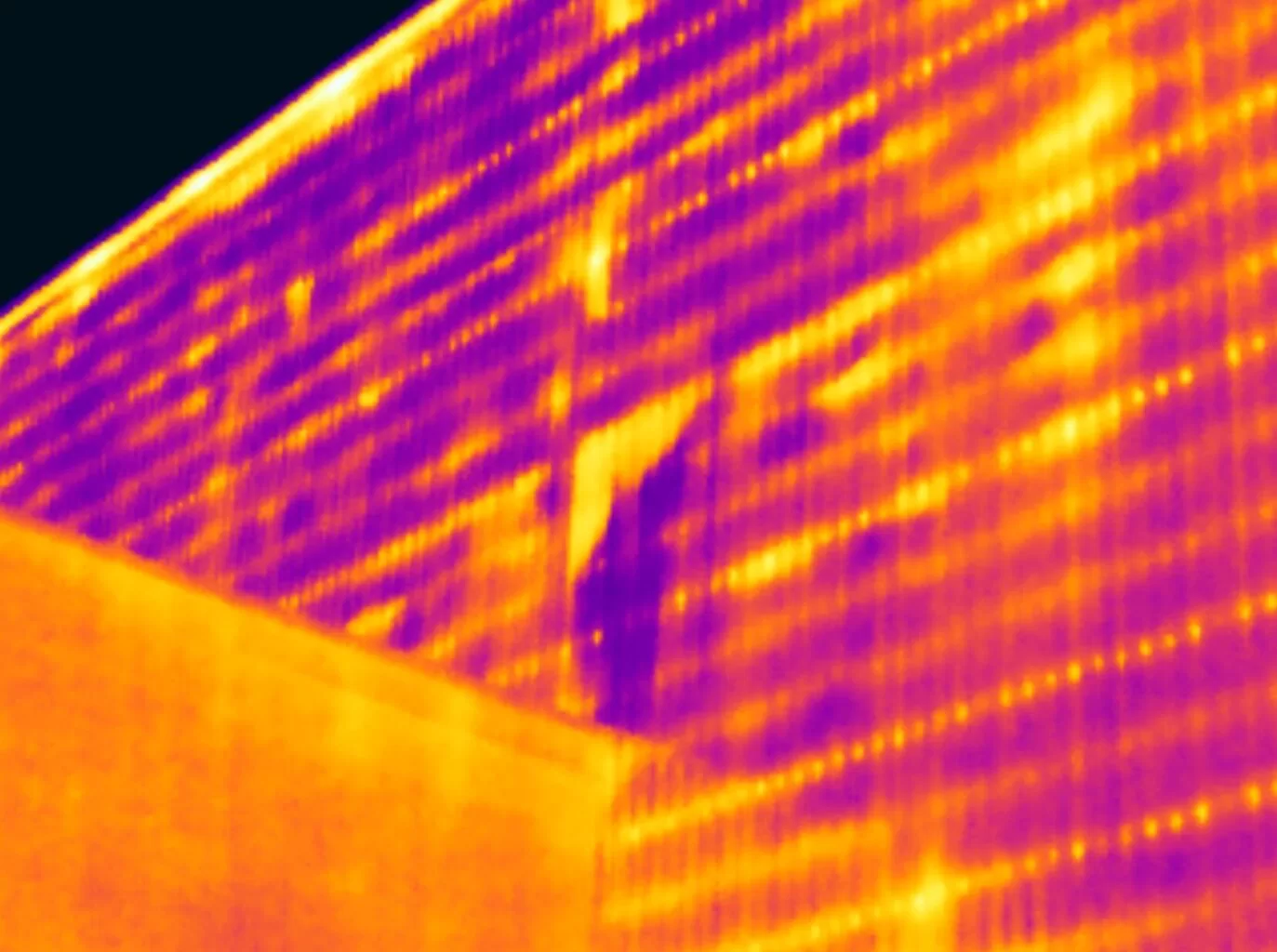
Book IEC 62446-1 String-Level Testing
Get certified electrical verification and accurate performance analysis for your solar PV system. Our certified experts use the latest infrared technology to deliver precise results. Contact Drone Media Imaging today for expert thermal imaging services.
related posts
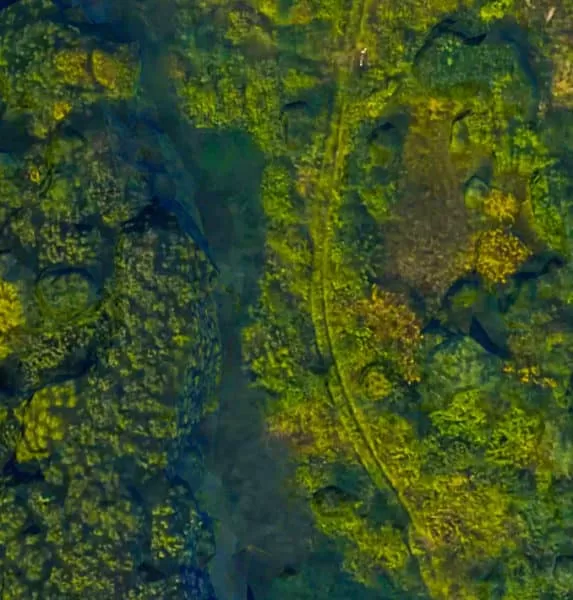
Discover how drones and thermal imaging are revolutionizing fire surveys and transforming landfill management.
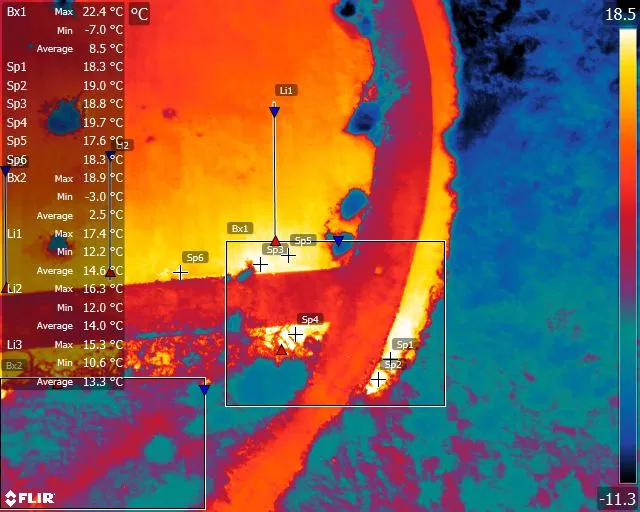
Explore the crucial role of drone thermal imaging in boosting fire safety measures at solid waste landfill sites.
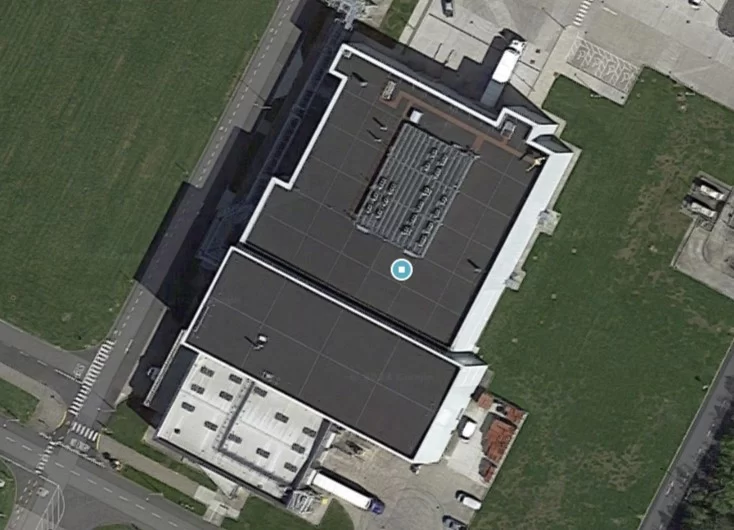
A drone roof inspection puts high-resolution, annotated imagery of every gutter, valley, ridge and fixing in your hands without scaffolding, access equipment or anyone leaving the ground. Autumn is the last sensible window to commission one before winter weather tests the roof for you. This post explains what the inspection delivers, how the imagery is captured and annotated, and why a dated photographic baseline of your roof earns its keep all winter, across Sussex, Surrey, Kent and beyond.