What Does A Level 3 Solar Report Writing Service Actually Involve?
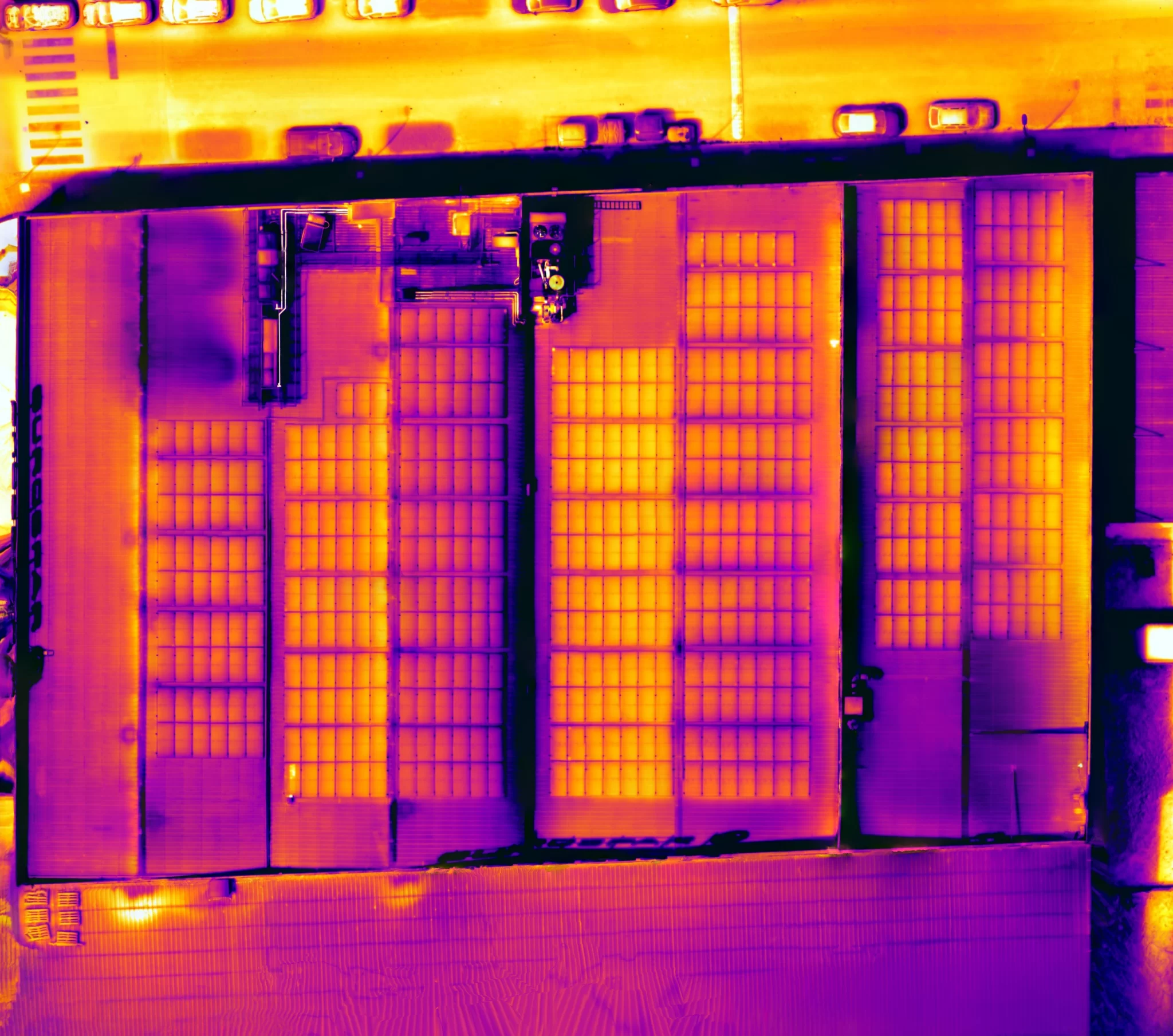
SKYNOX Drones is Lanzarote’s aerial survey specialist. They have the platform, the operator, and the local knowledge to capture high-quality radiometric thermal data from solar installations across the Canary Islands. What they needed for their commercial supermarket client was the Level 3 thermographic analysis, the IEC 62446-3:2017 fault classification, and the certified report that turns raw thermal data into a document the site owner can act on. That is what Drone Media Imaging provides. The data never left Lanzarote. The expertise came from us. The result was a fully certified inspection report covering four array sections, identifying a High severity bypass diode fault and widespread string-level anomalies, and confirming one array as a positive all-clear, delivered entirely remotely.
Project Overview
Subject
solar PV Level 3 report writing service, IEC 62446-3 certified solar inspection report, drone solar inspection Lanzarote, third-party solar thermography reporting, international solar PV Level 3 analysis
Skills Used
IEC 62446-3 solar thermographic inspection, Level 3 report writing, delta-T assessment
Portfolio Tags
solar PV inspection, IEC 62446-3, Level 3 report writing, Lanzarote, SKYNOX Drones, Canary Islands, drone thermography, international solar inspection
IEC 62446-3 Level 3 report writing for drone operators, solar PV thermographic inspection certified reporting Lanzarote, certified solar inspection analysis for local drone companiesIEC 62446-3 Level 3 report writing for drone operators, solar PV thermographic inspection certified reporting Lanzarote, certified solar inspection analysis for local drone companies
Solar PV Level 3 Report Writing for SKYNOX Drones, IEC 62446-3 from Lanzarote
Local eyes. Level 3 expertise. One certified report.
When a Lanzarote Drone Operator Needs IEC 62446-3 Certified Reporting, They Call Us
SKYNOX Drones collected the data. Drone Media Imaging provided the Level 3 analysis, classification, and certified report.
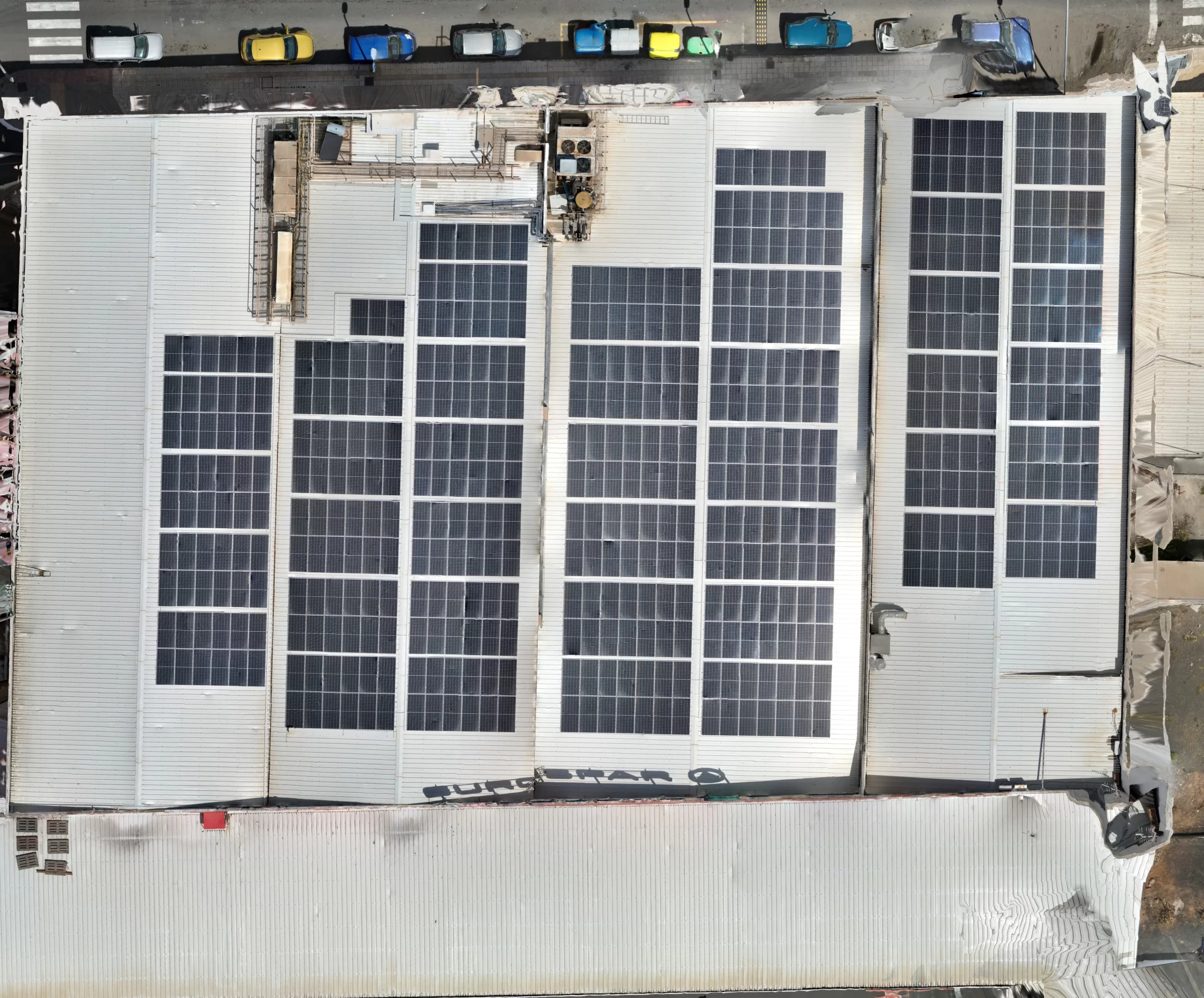
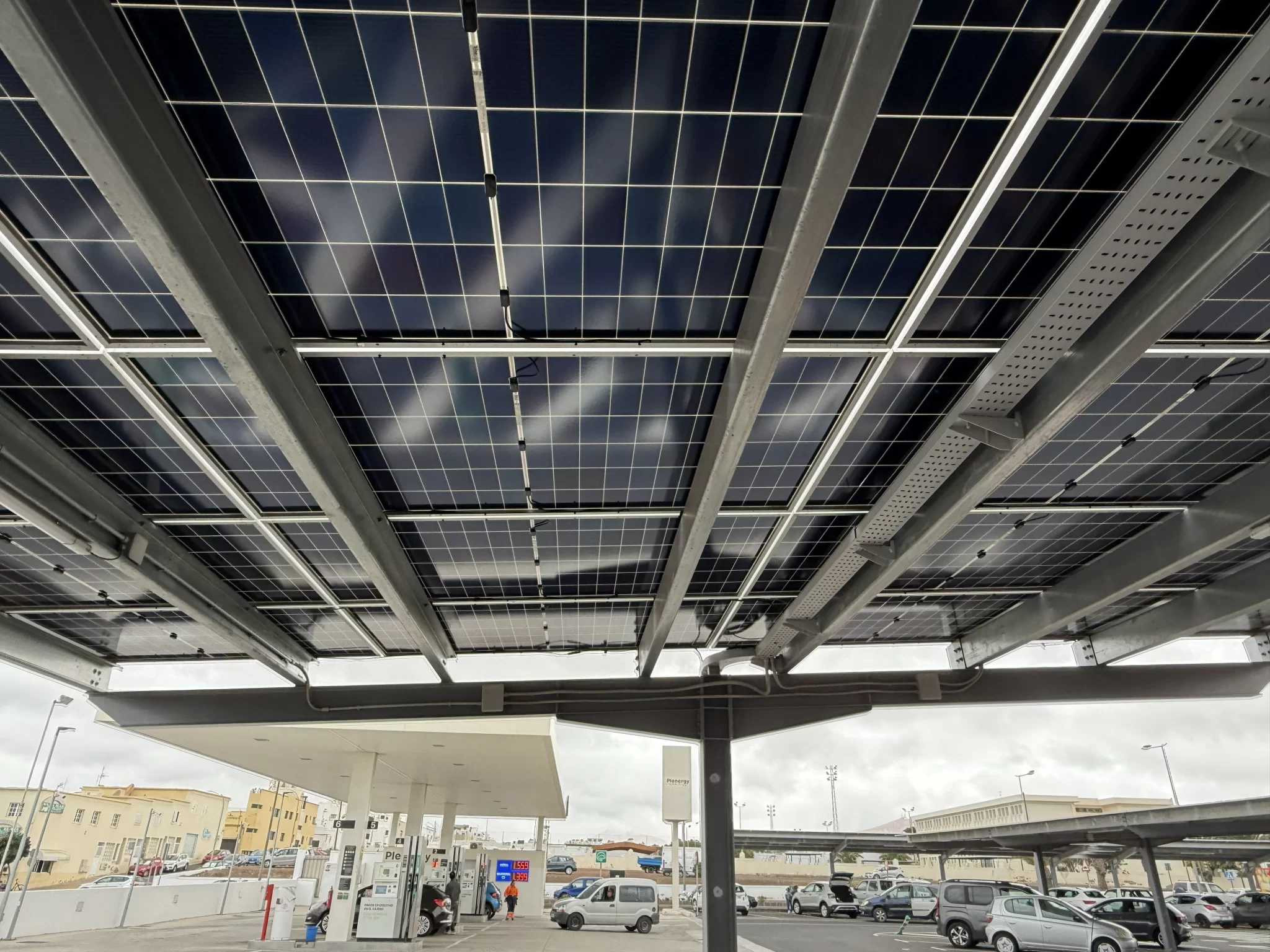
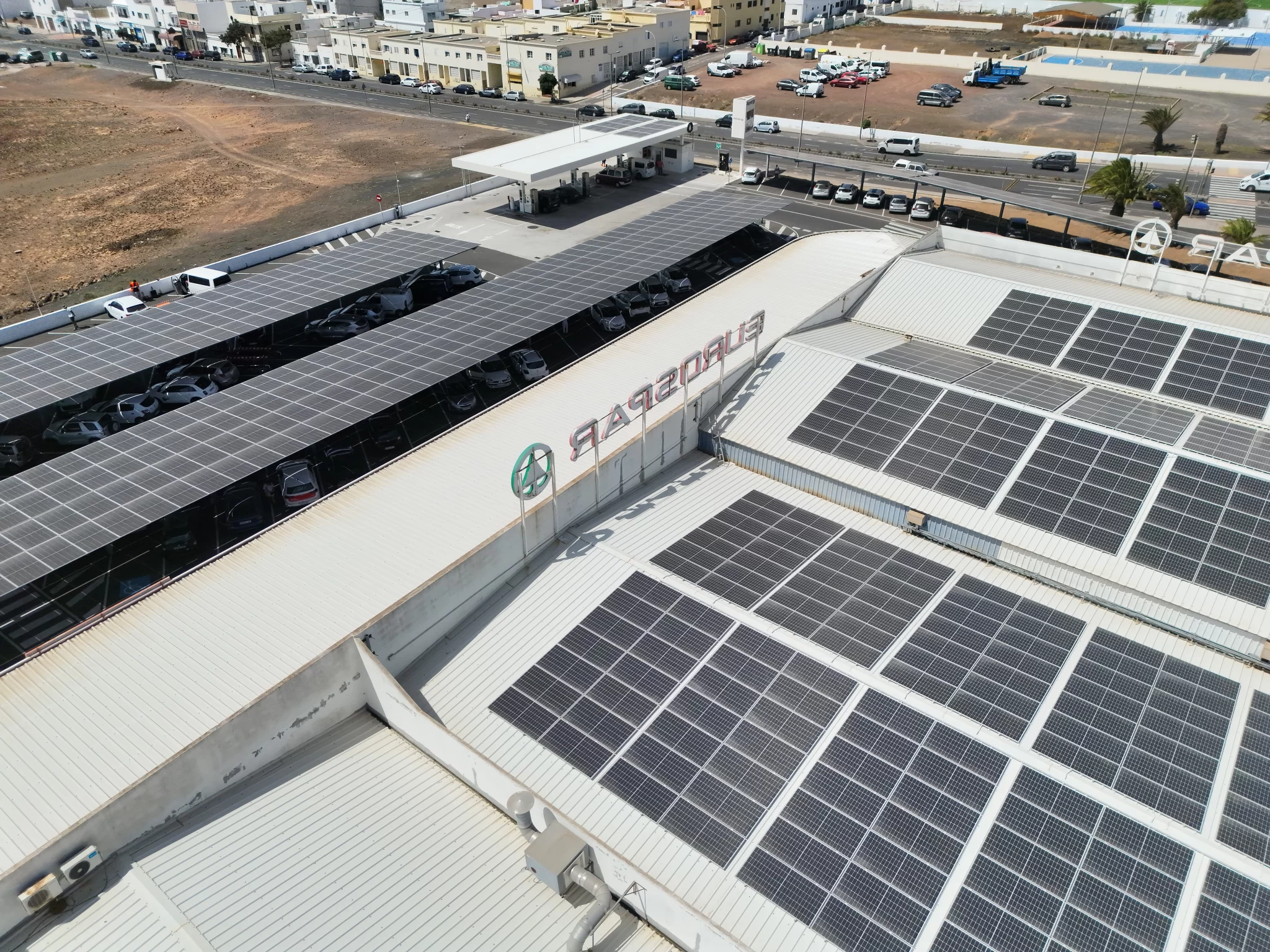
SKYNOX Drones operates out of Lanzarote, delivering aerial survey and data capture services across the Canary Islands. When one of their commercial clients, a large retail supermarket operator, required a thermal inspection of the site’s solar PV installation, SKYNOX Drones had exactly what was needed on the ground: a competent drone platform, an experienced operator, and access to a site with four array sections producing several hundred kilowatts of installed capacity across parking canopy pergola structures and a rooftop installation.
What completed the picture was Drone Media Imaging as the contracted Level 3 reporting partner. SKYNOX Drones collected the radiometric thermal data under the Drone Media Imaging Supervised Level 1 Data Collection Protocol, a structured framework that defines the radiometric parameters to apply, the environmental logging requirements, the flight standards for IEC 62446-3:2017 compliance, and the data transfer process. Drone Media Imaging was not present on site. The entire analytical process, from EL1 baseline establishment and thermogram triage through to anomaly classification, consequence assessment, and certified report production, was completed remotely by our Level 3 Master Thermographer.
This model works because IEC 62446-3:2017 is an internationally published standard. It specifies what a compliant solar thermographic inspection looks like regardless of geography. When data is collected to that standard and analysed under Level 3 certified oversight, the resulting report carries the same professional weight as any inspection completed with the thermographer standing on the roof. SKYNOX Drones understood that distinction and built it into the service they offered their client.
A Partnership Built on a Standard That Travels
What Does a Level 3 Solar Report Writing Service Actually Involve?
There is a difference between collecting thermal data and certifying what it means. IEC 62446-3:2017 defines the conditions under which a solar thermographic inspection must be conducted, but it also defines the analytical process that turns a collection of radiometric images into a classified, defensible, certified report. That analytical process requires Level 3 thermography competence, and it is precisely what Drone Media Imaging contributed to this project.
SKYNOX Drones collected the thermal data across two separate survey sessions covering all four array sections of the site, operating under the Drone Media Imaging Supervised Level 1 Data Collection Protocol. That protocol specifies the radiometric parameters to enter into the camera before each flight, the environmental logging procedure using a calibrated weather instrument, the flight altitude and image capture standards, and the data transfer and handover requirements. Compliance with the protocol is what ensures the data is analytically usable and IEC 62446-3 compliant when it arrives for Level 3 review.
On receipt of the data, Drone Media Imaging completed the full analytical workflow. This included thermal triage across the entire dataset, EL1 baseline establishment for each thermogram frame, anomaly reference threshold calculation, temperature differential measurement, IEC 62446-3:2017 severity classification, Level 3 review of all SKYNOX Drones preliminary classifications, DMI Consequence Classification for each finding, annotation text production, and certified report compilation. The work covered:
- Thermal triage and EL1 baseline establishment, frame by frame across all four array sections
- IEC 62446-3:2017 fault classification and Level 3 reclassification where required
- DMI Consequence Classification applied to every finding, Safety, Yield, and Degradation Trajectory
- Certified report production covering findings summary, per-array narratives, environmental conditions, equipment specification, and inspection certification
- IEC 62446-3:2017 governs the thermographic inspection of photovoltaic modules and arrays, defining survey conditions, anomaly categories and reporting requirements for solar PV thermal surveys. It is an internationally published standard and was applied in full for this inspection.
- ISO 18436-7 defines the training and certification requirements for thermographic condition monitoring personnel, providing the competence framework under which the Level 3 analysis for this project was delivered.
What Did the Data Show?
Three of the four array sections presented active fault conditions of varying severity and type. The fourth returned a positive certified all-clear. Both outcomes were reported with equal rigour, because a certified all-clear is as important a deliverable as a fault finding.
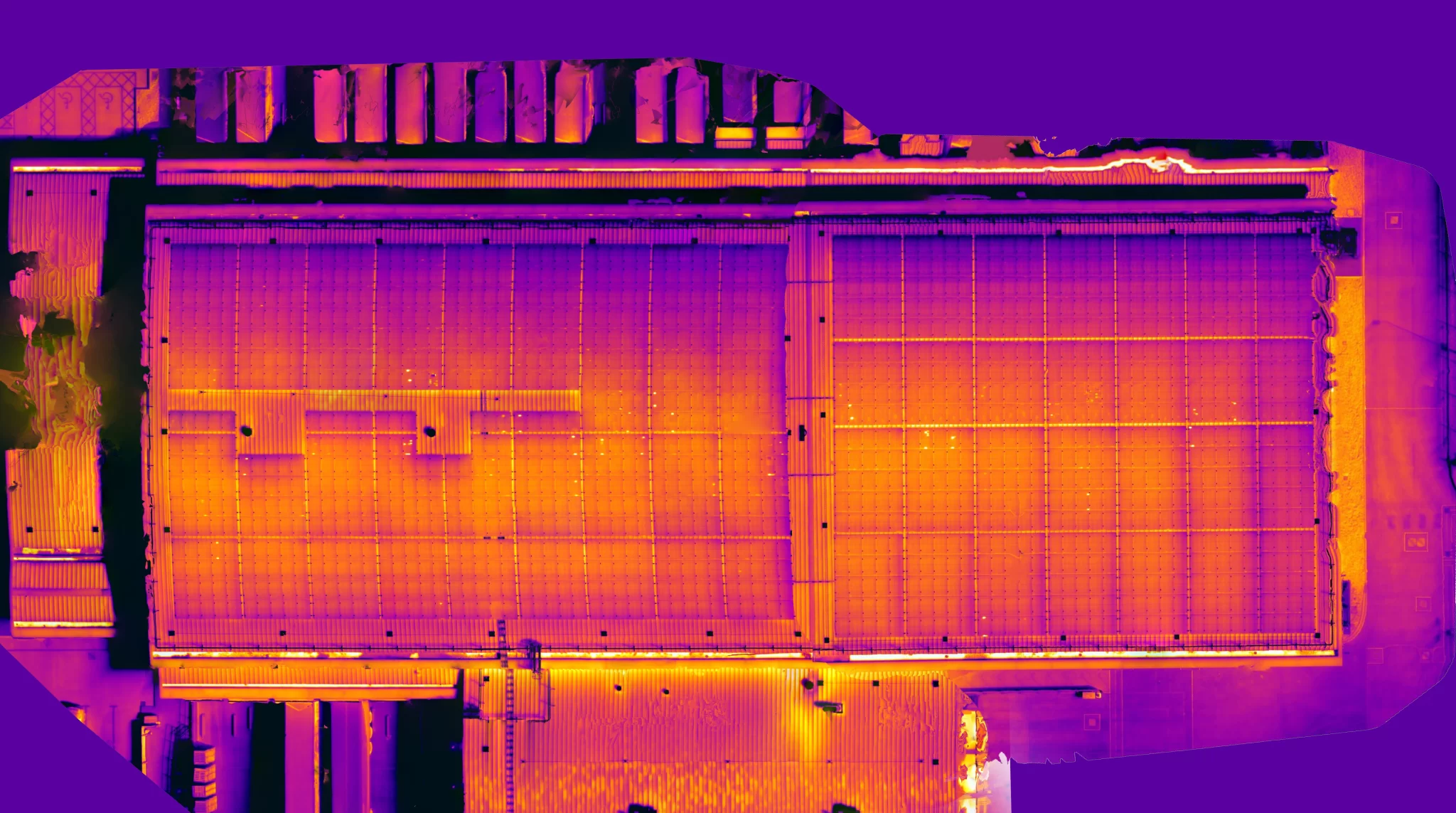
The most significant result was a High severity bypass diode fault on the roof array, where a single module recorded a peak temperature of 79.4°C against a thermal reference baseline of 46.1°C for normally operating modules in the same frame. That is a delta of +33.3°C, substantially exceeding the IEC 62446-3:2017 critical fault threshold of 20°C. Under the DMI Consequence Classification framework, this finding carries a Safety consequence. A bypass diode dissipating energy at this level presents a risk of progressive encapsulant degradation and, under sustained operation, a potential fire risk. It was flagged as the priority action in the certified report, with a recommendation for immediate investigation by a suitably qualified electrical contractor before the affected section returns to normal operation. One preliminary classification supplied by SKYNOX Drones assessed this finding as Medium severity. Level 3 review identified the +33.3°C delta and reclassified it to High, which is the correct and necessary function of a Level 3 reporting service.
String-level anomalies of Medium severity were confirmed across the two affected parking arrays and across the full extent of the roof array. A string-level anomaly presents as a uniform thermal elevation across all modules within an affected DC string circuit, consistent with string isolation or elevated impedance from connector degradation, loose terminations, or partial circuit failure. Under the DMI Consequence Classification framework, a sustained string-level condition carries a Yield consequence, with a direct impact on the commercial energy output of the installation. The parking arrays additionally showed a clear two-string circuit boundary in one section, with the lower row circuit affected and the upper row confirmed as operating within normal parameters.
Connector box anomalies of Low to Low-Medium severity were identified across the roof array on modules operating within a normal background temperature, independent of the string-level condition. A pattern of elevated thermal signatures at confirmed junction box locations, clearly exceeding the expected normal operating signature for the module architecture, is consistent with degrading internal connections or elevated contact resistance within the junction box assemblies. These carry a Degradation Trajectory consequence and require monitoring and planned maintenance attention.
What Did SKYNOX Drones Receive, and What Could Their Client Do With It?
SKYNOX Drones received a fully certified IEC 62446-3:2017 inspection report, produced under Level 3 Master Thermographer oversight and suitable for direct issue to their commercial client. The report classified every anomaly by type, severity, and consequence, confirmed the all-clear result for the compliant array section, and provided the site operator with a clear priority order for investigation and maintenance action.
The certified report gave SKYNOX Drones and their client a clear basis for the next steps:
- Refer the High severity bypass diode location for immediate investigation and isolation by a qualified electrical contractor
- Commission string-level electrical testing on the affected parking and roof string circuits to identify the point of isolation or impedance
- Confirm the status of absent modules noted at the eastern boundary of one parking array
- Schedule the connector box anomaly locations for planned maintenance inspection
- File the all-clear result as a certified baseline thermal record for the compliant array section at the next inspection interval
For SKYNOX Drones, the value of the Level 3 reporting partnership extends beyond this single job. They can offer their solar clients in the Canary Islands and across their operating territory a complete IEC 62446-3:2017 certified inspection service, with their own data collection capability paired with Drone Media Imaging Level 3 analysis and reporting. The standard is international. The partnership model scales with it.
Drone Operators: Add Certified Level 3 Solar Reporting to Your Service
If you fly solar thermal surveys and need certified IEC 62446-3:2017 analysis and reporting delivered by a Level 3 Master Thermographer, Drone Media Imaging provides exactly that service. We supply the data collection protocol, review your captured data, complete the full Level 3 analytical process, and return a certified report your client can act on. You stay on the ground. We provide the expertise that makes your service complete. We work with drone operators and solar companies across the UK, Ireland, Europe, and internationally. Get in touch to discuss a reporting partnership.