A solar PV thermographic inspection identifies underperforming and at-risk parts of a solar array from the heat they give off, and on this commercial rooftop project Drone Media Imaging combined that aerial thermal survey with electrical string testing to build a complete picture of array health under two governing standards. The 46.8 kWp array of around 180 modules was flown near solar noon under clear skies, with each module assessed against a clean reference baseline within the same thermogram so that genuine anomalies could be separated from harmless reflections. The survey identified one string presenting a uniform elevated signature consistent with a string not exporting current, classified Medium severity with a Yield consequence, alongside a developing bypass diode signature and two single-cell anomalies, each Low severity and flagged for monitoring. String-level electrical testing returned satisfactory voltage, current, insulation resistance and fill factor, with sound earth continuity, giving the owner reassurance across the tested circuits. The result was a certified Level 3 report that set a clear condition baseline and pointed to specific areas warranting further investigation by a suitably qualified contractor, turning thermal and electrical data into decisions the asset owner could act on.
Project Overview
Subject
solar PV thermographic inspection, rooftop solar inspection, South of England, commercial solar asset owners, IEC 62446-3
Skills Used
IEC 62446-3 Solar Thermographic Inspection, IEC 62446-1 String Testing, Delta-T Assessment
Portfolio Tags
Solar PV Inspection, Thermographic Survey, Rooftop Solar, IEC 62446-3, IEC 62446-1, Commercial Solar, South of England, How Do You Inspect Solar Panels
Combined Solar PV Thermographic Inspection And String Testing, How To Inspect A Commercial Rooftop Solar Array, IEC 62446-3 Solar Inspection In The South Of EnglandCombined Solar PV Thermographic Inspection And String Testing, How To Inspect A Commercial Rooftop Solar Array, IEC 62446-3 Solar Inspection In The South Of England
Solar PV Thermographic Inspection of a Commercial Rooftop Array
~ Heat tells the story a visual inspection never sees. ~
Governing Standards
- IEC 62446-3:2017 governs the thermographic inspection of photovoltaic modules and arrays, defining survey conditions, anomaly categories and reporting requirements for solar PV thermal surveys.
- IEC 62446-1:2016+A1:2018 sets the requirements for electrical testing and documentation of grid-connected PV systems, covering string-level electrical verification.
- ISO 18436-7 defines the training and certification requirements for thermographic condition monitoring personnel.
- ISO 9712 sets the general framework for the qualification and certification of non-destructive testing personnel.
- BS 7671 is the standard for electrical installations, the IET Wiring Regulations, providing the competence context for the electrical string testing element of the inspection.
An aerial thermal survey and string-level electrical testing, brought together under one certified Level 3 assessment.
Combined Solar PV Thermographic Inspection and String Testing
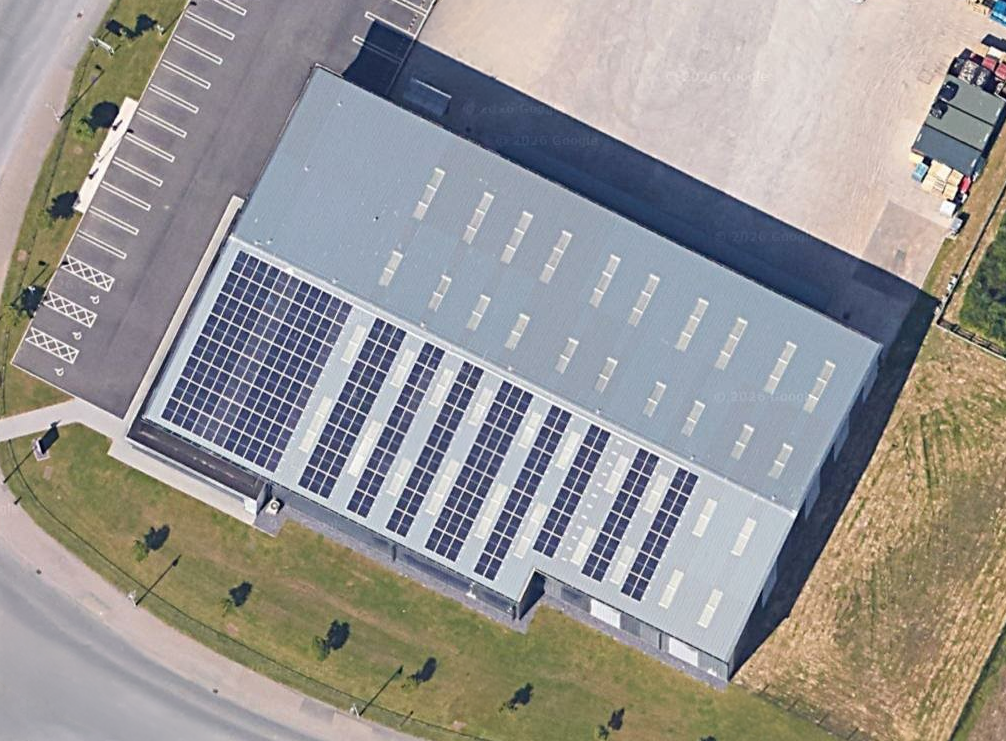
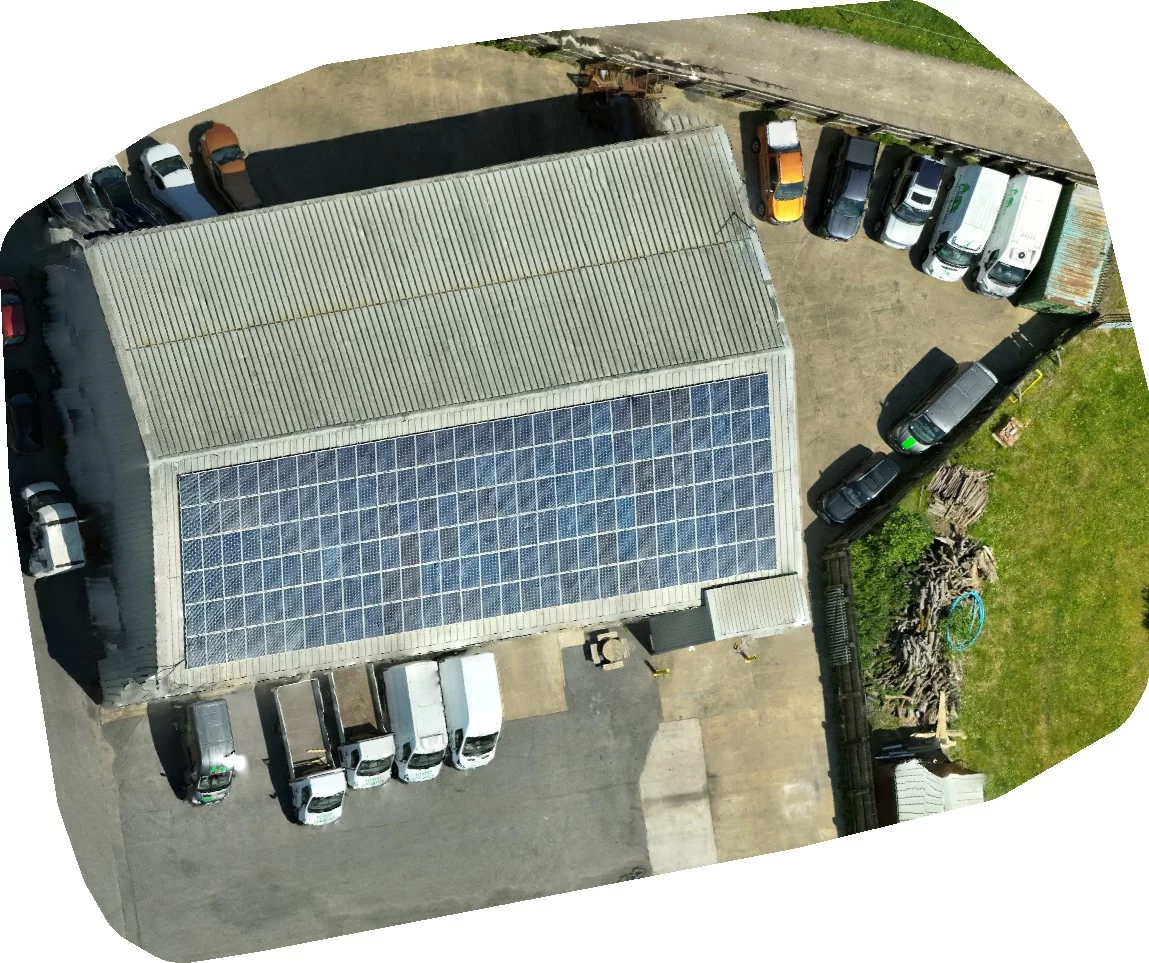
The client was the owner of a commercial rooftop solar PV installation in the South of England, a 46.8 kWp array of around 180 modules spread across a single roof plane and served by several inverters and strings. Arrays of this size sit in a useful middle ground: large enough that a hidden fault represents a real loss of revenue over a year, but compact enough that a thorough, module-by-module assessment is entirely practical in a single visit. The owner wanted confidence in the system’s condition and performance rather than a response to a known failure, which is exactly the situation where thermography earns its place.
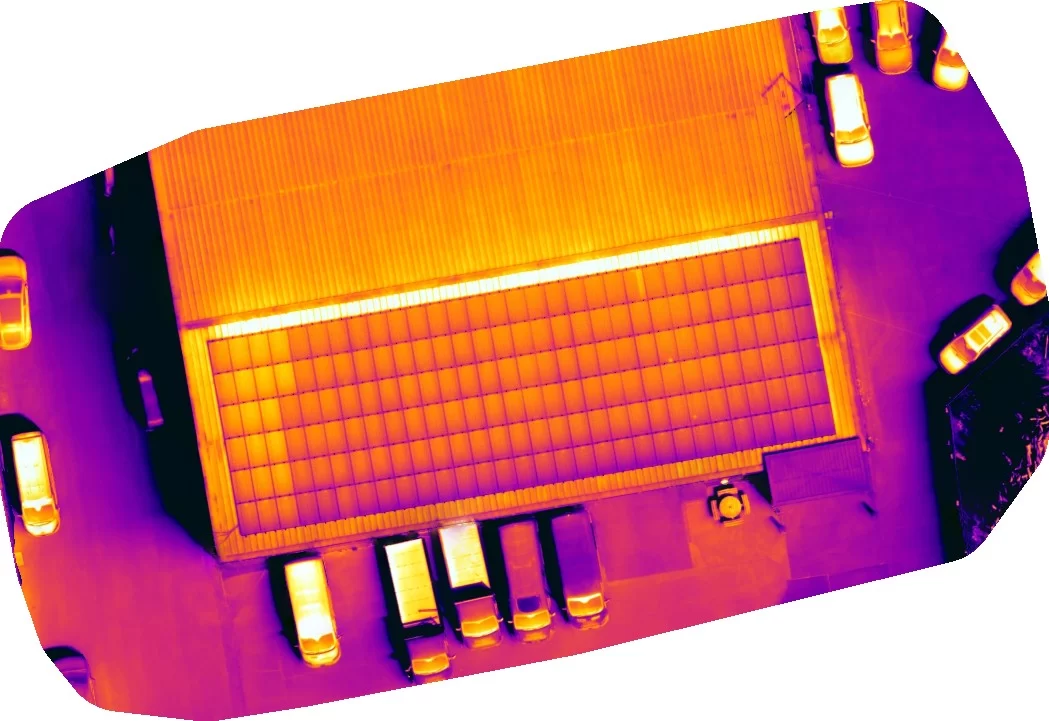
Solar modules reveal their health through temperature. A module that is shaded, soiled, cracked or electrically compromised handles the sun’s energy differently to a healthy one, and that difference shows up as a thermal pattern an infrared camera can capture from the air. Read correctly, those patterns distinguish a harmless reflection from a genuine fault, and a single warm cell from a whole string that has stopped contributing. That reading is the skilled part, and it is where the value of a Level 3 assessment lies.
This inspection was delivered by Drone Media Imaging under two governing standards, the IEC 62446-3:2017 thermographic survey and IEC 62446-1 electrical string testing, brought together so that the thermal picture and the electrical picture could be cross-referenced rather than read in isolation. The sections below follow the survey, analysis and reporting process the work was built on.
How Was the Solar PV Thermographic Inspection Carried Out?
Solar PV Thermographic Inspection and String Testing Case Study
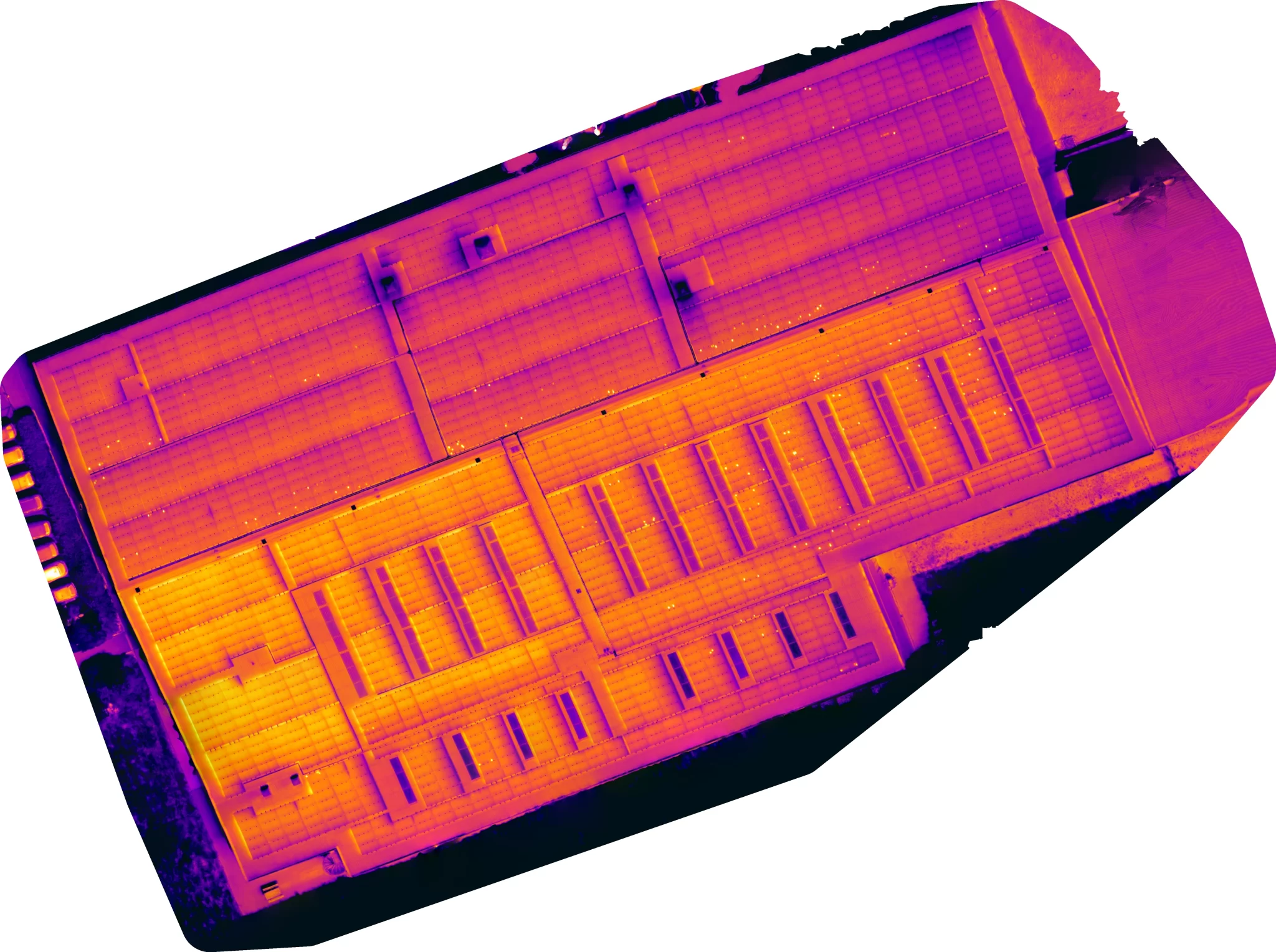
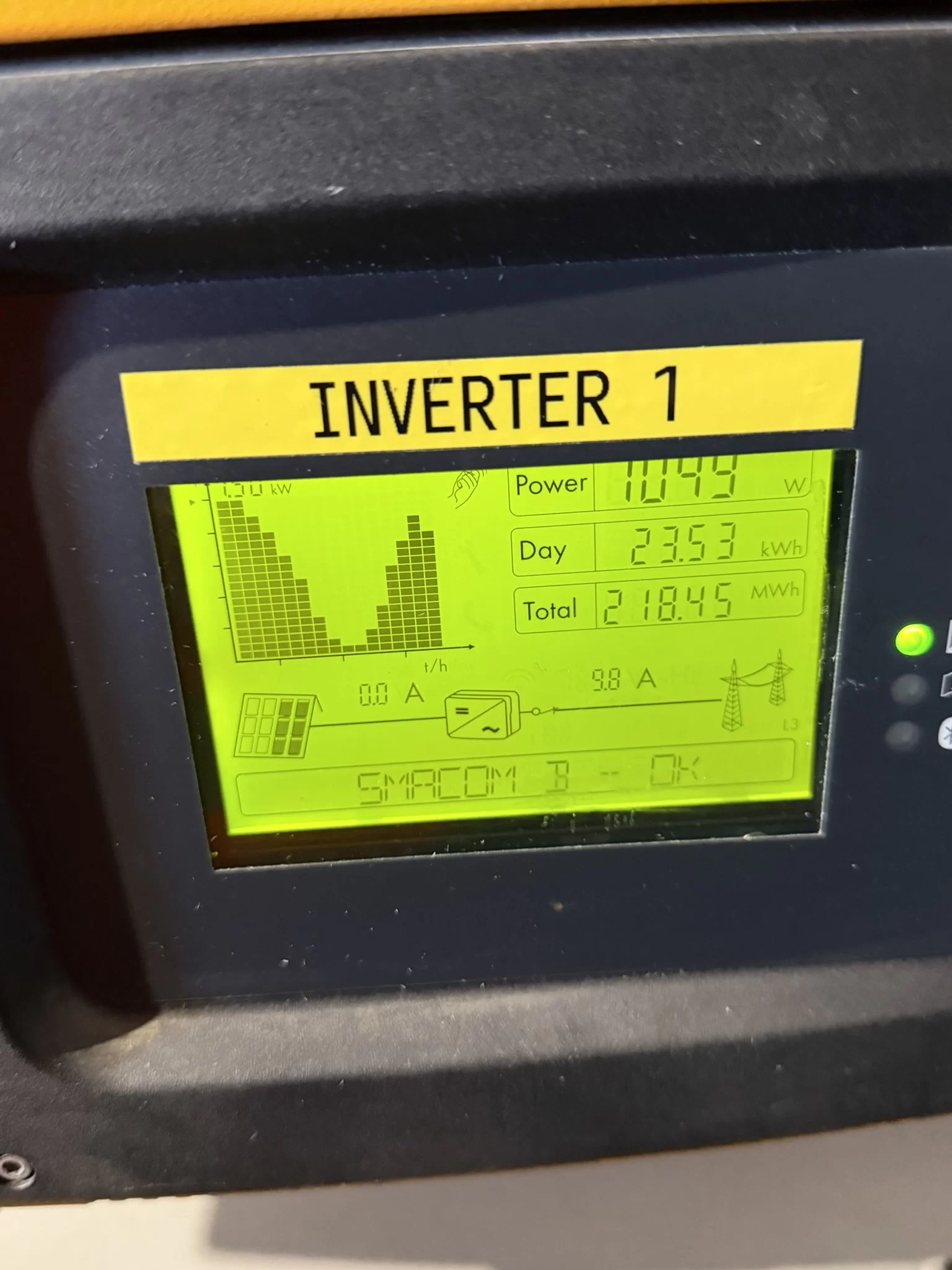
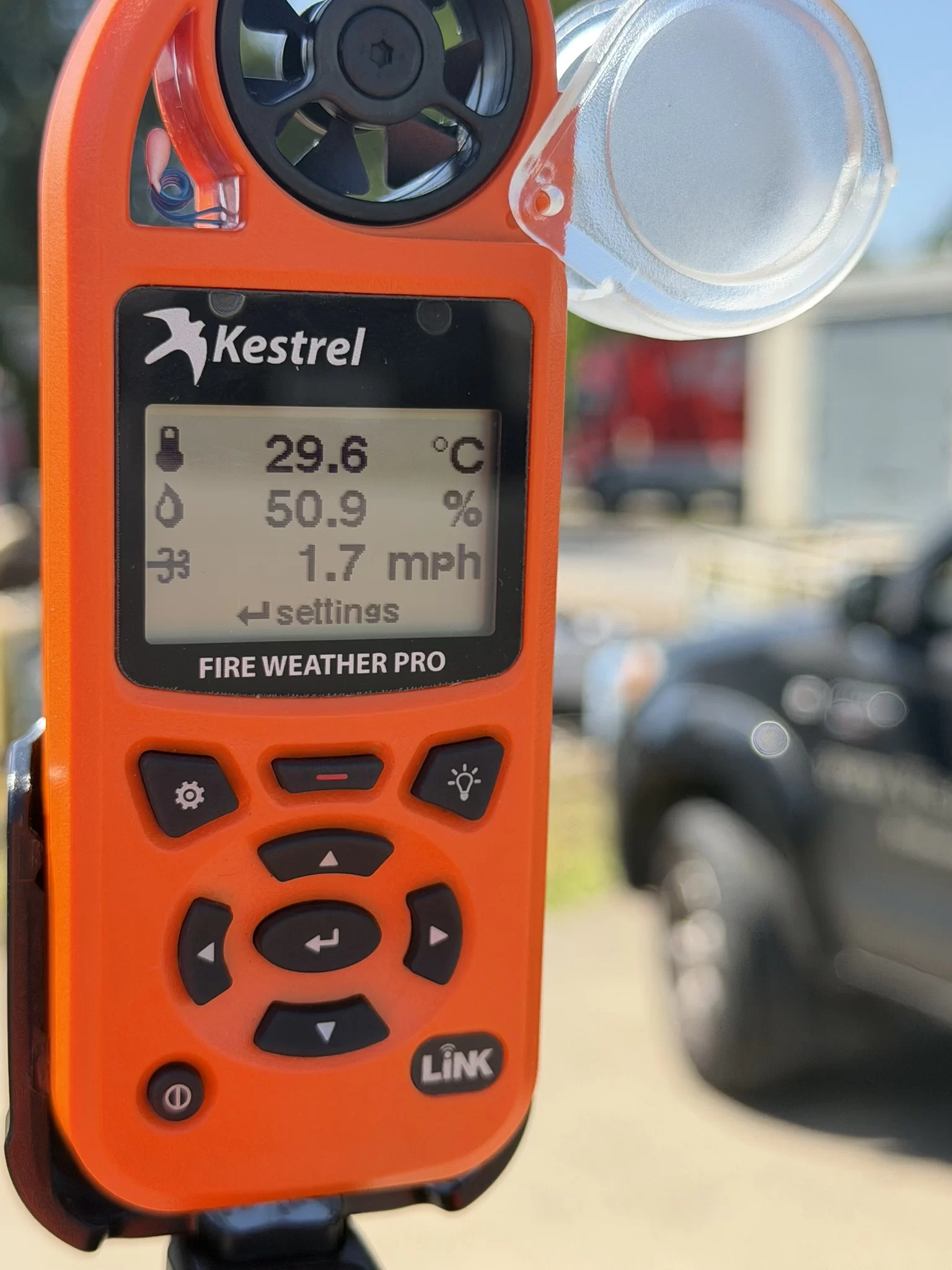
A valid thermographic survey depends as much on the conditions as on the camera, so the flight was timed for the middle of the day, near solar noon, under clear skies with the array under strong, stable irradiance above 900 watts per square metre and light wind well within the limit the standard sets. These conditions load the modules hard, which makes any anomaly stand out against its neighbours. The aerial survey captured the whole array at high resolution, fine enough to resolve detail at individual cell level, with detailed thermograms flown close to the module surface and a wider overview for context. Every anomaly was then measured against a clean, uniformly lit reference module within the same thermogram, the EL1 baseline, so that temperature differences were judged like for like and reflections were not mistaken for faults. Alongside the thermal work, string-level electrical testing measured the open-circuit voltage, short-circuit current, insulation resistance and fill factor of the array’s strings, together with earth continuity, giving a direct read of electrical condition to set against the thermal evidence.
Scope inclusions and exclusions for this inspection:
- Included: an aerial IEC 62446-3:2017 thermographic survey of the full array, module by module.
- Included: IEC 62446-1 string-level electrical testing of voltage, current, insulation resistance, fill factor and earth continuity.
- Included: a certified Level 3 analysis cross-referencing the thermal and electrical datasets.
- Excluded: inverter diagnostics, AC-side testing and any on-roof electrical alteration.
- Excluded: any intrusive investigation, the inspection is non-contact and non-destructive throughout.
What Did the Inspection Find?
The array was, on the whole, healthy and operating uniformly, which is itself a useful result to be able to certify. Against that clean background, four anomalies stood out. The most significant was a string presenting a uniform raised temperature across a group of modules, with no internal cell-level pattern. That signature is characteristic of a string that is not exporting current, where the sun’s energy is being shed as heat instead of converted to electricity, so it was read as an open-circuit or non-exporting condition rather than as damage to the modules themselves. It was classified Medium severity, and under the Drone Media Imaging Consequence Classification framework it carries a Yield consequence, meaning a measurable loss of output while it persists. The other three findings were early-stage: a developing bypass diode signature and two single-cell anomalies, one symmetrical and one asymmetrical in pattern. None approached a safety threshold, and each was classified Low severity with a Degradation Trajectory consequence, the framework’s term for a condition that is modest now but progressive, and so worth monitoring rather than acting on immediately. The electrical testing told a reassuring story on the strings assessed, with voltages and currents tightly grouped, insulation resistance far above the minimum, healthy fill factors and sound earth continuity.
What Did This Mean for the Client?
The deliverable was a certified report carrying the sign-off of our Level 3 Master Thermographer, translating the survey, analysis and reporting work into something the owner could act on. The Consequence Classification framework is the part clients tend to value most, because it converts a technical severity grade into a plain statement of what each finding means for the asset, output lost now, or a condition to keep an eye on. That gave the owner a clear, ranked picture rather than an undifferentiated list of warm spots.
Sensible next actions for the asset owner:
- Treat the non-exporting string as the priority, as it is the finding affecting output now.
- Keep the diode and cell-level signatures under observation for progression at the next inspection.
- Use the report’s condition baseline as the reference for future periodic testing.
Findings of this kind point to areas warranting further investigation by a suitably qualified electrical contractor rather than to a prescribed repair, because thermography identifies and electrical testing measures, but confirming a root cause is a job for hands-on investigation. Set in a wider context, this is where solar inspection is heading: away from occasional visual checks and toward regular, evidence-led condition monitoring that protects the long-term yield of an asset expected to perform for decades.
What Made This Project Notable?
The strength of this job was method rather than drama. By flying an aerial thermal survey and running electrical string testing on the same visit and reading the two together, the inspection could describe not just where the array was warm but what the electrical behaviour suggested was happening beneath it. A non-exporting string seen in the heat data, set against satisfactory electrical results elsewhere, is a clearer and more defensible picture than either dataset alone would give.
Know What Your Solar Array Is Really Doing
For commercial solar asset owners and operators who want evidence, not assumptions, about array performance. Drone Media Imaging delivers combined solar PV thermographic inspection and electrical string testing for commercial rooftop and ground-mounted arrays, every survey analysed and signed off by our Level 3 Master Thermographer under IEC 62446-3:2017 and IEC 62446-1. We work across Sussex, Hampshire, Kent and Surrey, and travel throughout the UK, Ireland and Europe. If you want a clear, certified picture of your array’s condition and the confidence to plan around it, get in touch to discuss your site.