Solar PV Thermographic Inspection of a Commercial Rooftop Array in Suffolk
Drone Thermal Imaging of an Ageing Commercial Rooftop Solar System
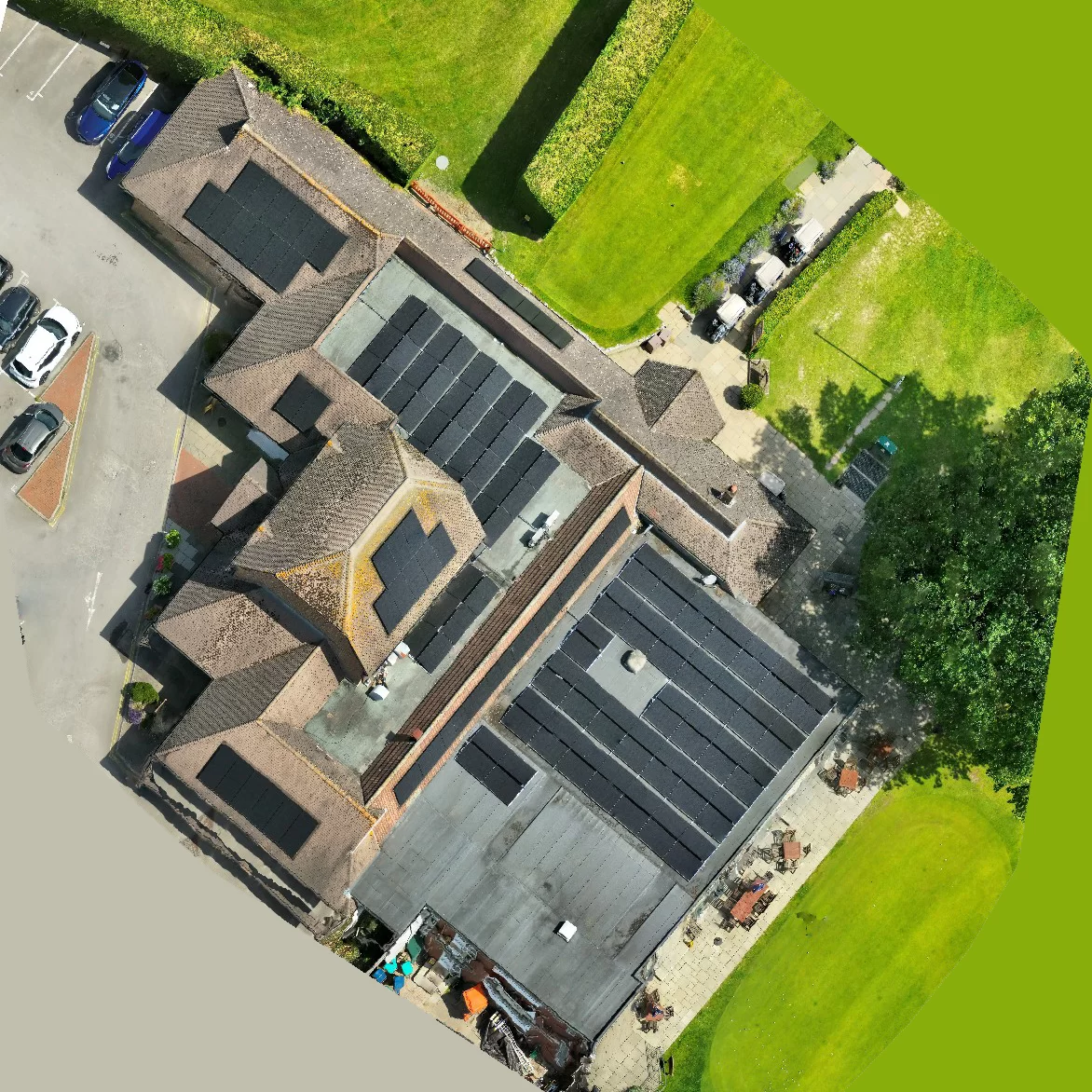
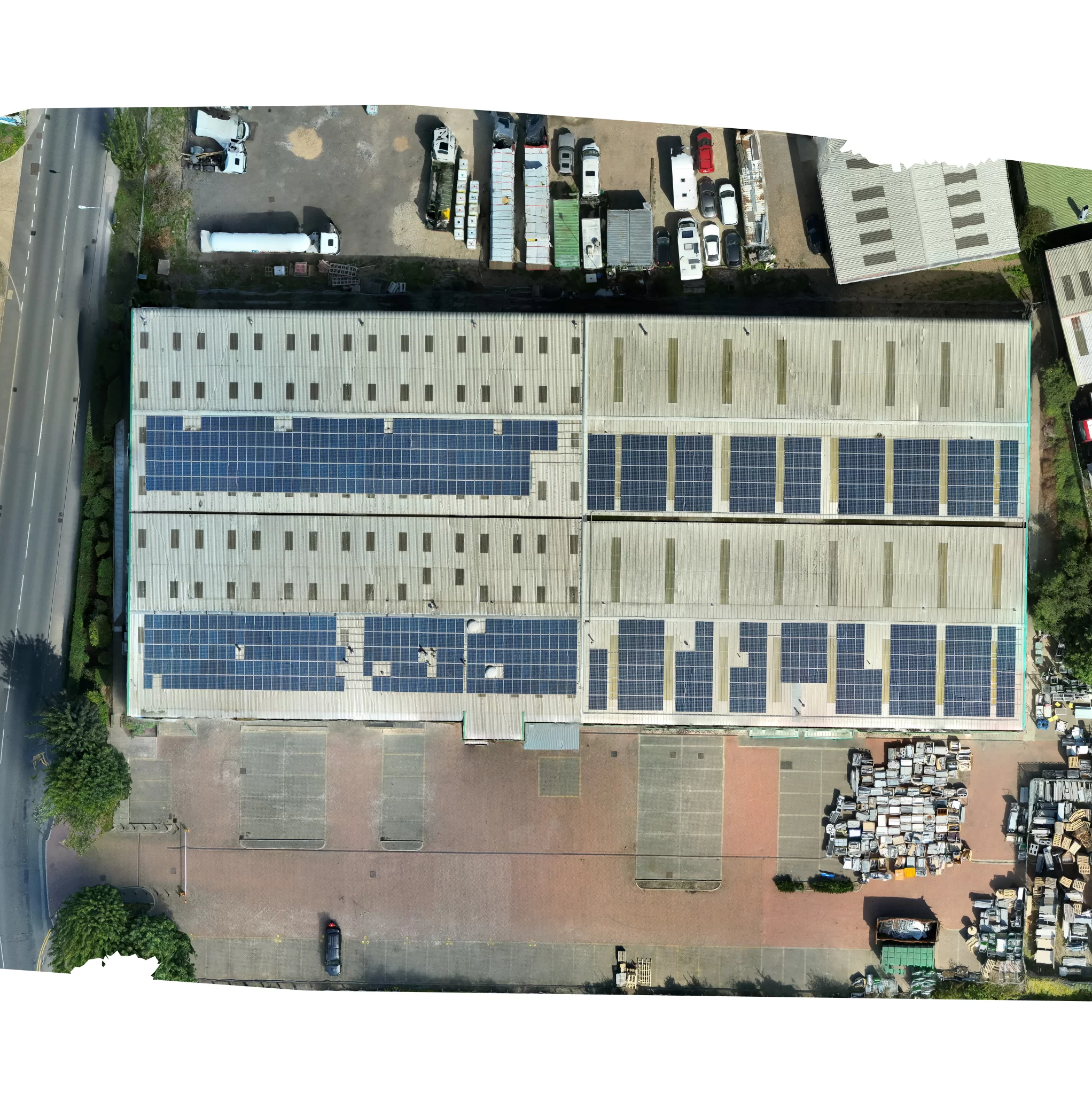
A solar PV thermographic inspection of a commercial rooftop array in Suffolk, delivered by Drone Media Imaging under IEC 62446-3:2017 and analysed by our Level 3 Master Thermographer. The array, around 400 modules across four roof elevations and roughly ten years in service, was surveyed by drone-mounted radiometric thermography while operating under load, in clear-sky conditions with irradiance above the standard’s minimum. Each elevation was assessed against its own good-module baseline, so anomalies on the cooler west-facing roofs remained comparable with those on the fully irradiated east. The survey resolved a population of predominantly symmetrical cell-level warm spots, consistent with reverse-bias heating from shading and surface soiling rather than intrinsic cell damage, alongside two cells warm enough to carry a safety consequence and a survey-wide layer of industrial dirt reducing output. Findings were classified by severity and translated through the Drone Media Imaging Consequence Classification into clear Safety, Yield and Degradation Trajectory meaning. The result is a defensible, certified report that tells the asset owner what to investigate first, what cleaning will recover, and what to monitor at the next inspection.
Project Overview
Subject
solar PV thermographic inspection, commercial rooftop solar array, Suffolk, facilities and asset managers, IEC 62446-3:2017
Skills Used
IEC 62446-3 Solar Thermographic Inspection, Hotspot Detection, Level 3 Report Writing
Portfolio Tags
Solar PV Inspection, Thermographic Survey, Commercial Rooftop Solar, Suffolk, IEC 62446-3, Drone Media Imaging, Asset Management, What Causes Solar Panel Hotspots
Drone Solar Panel Inspection For Commercial Roofs, How To Detect Solar Panel Hotspots, Solar PV Thermal Survey In The East Of EnglandDrone Solar Panel Inspection For Commercial Roofs, How To Detect Solar Panel Hotspots, Solar PV Thermal Survey In The East Of England
Solar PV Thermographic Inspection of a Commercial Rooftop Array in Suffolk
~ Aerial thermal imaging that turns an ageing rooftop array into a clear, prioritised action plan. ~
Protecting the output of an ageing commercial solar asset
Drone Thermal Imaging of an Ageing Commercial Rooftop Solar System
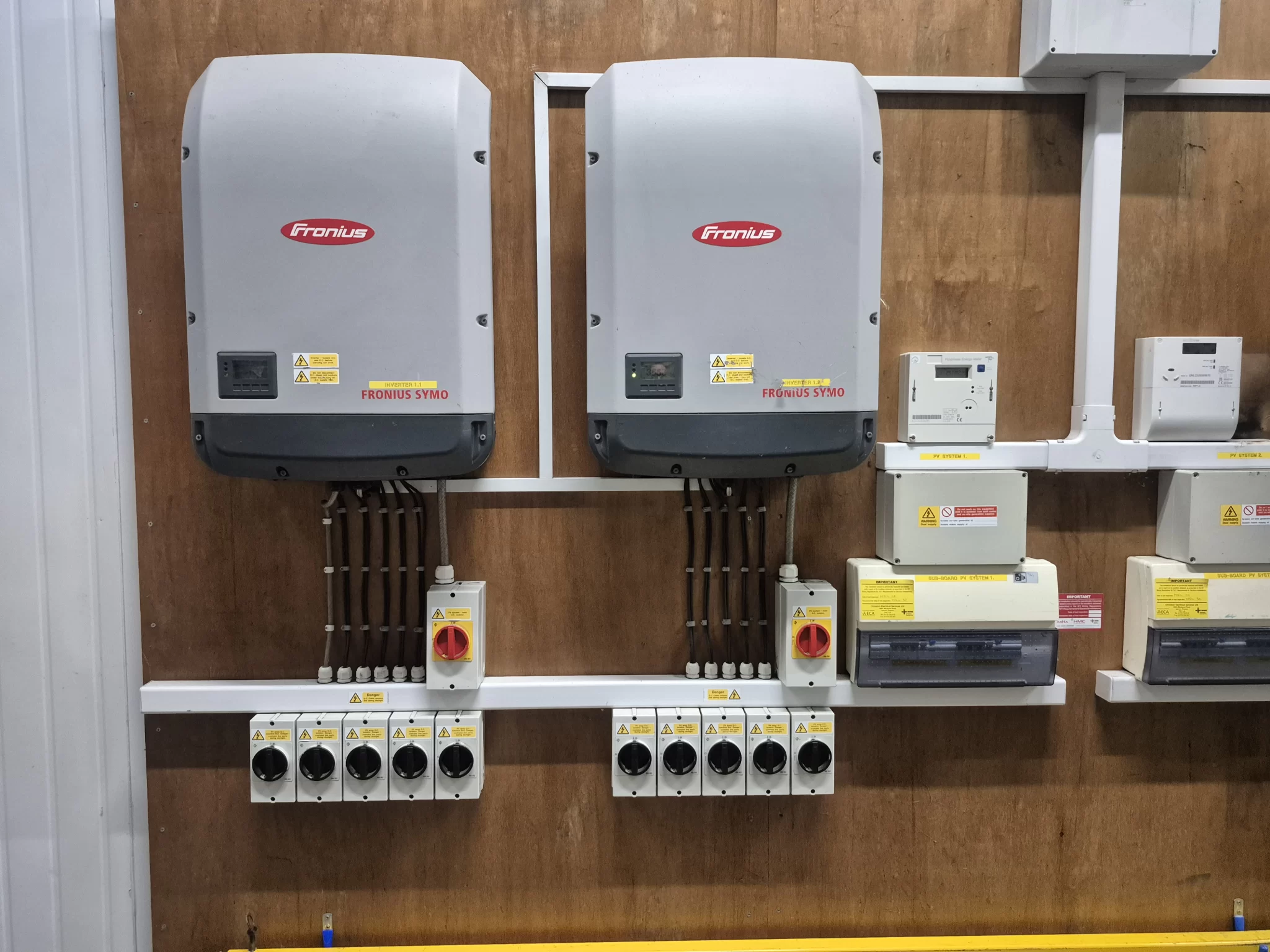
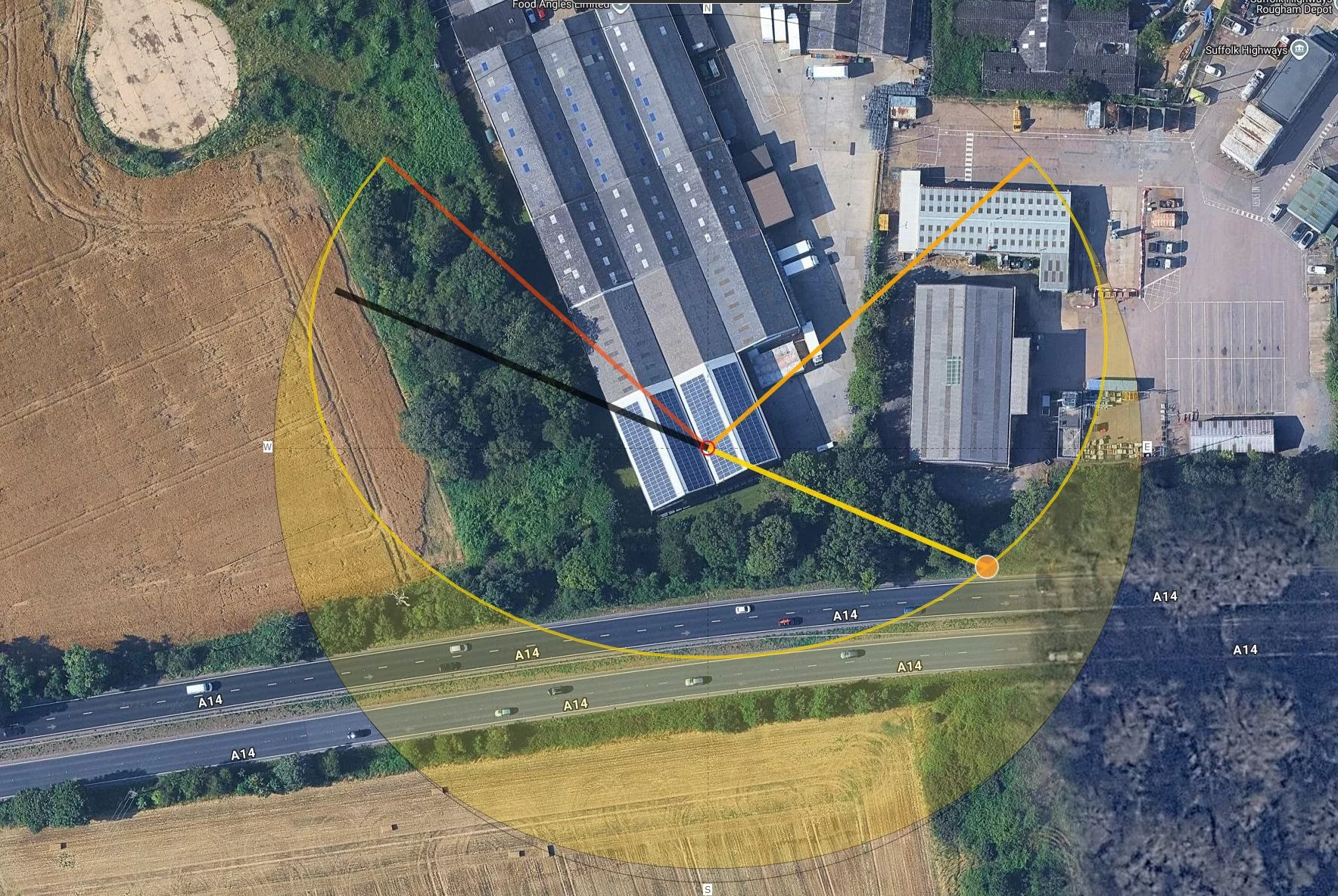
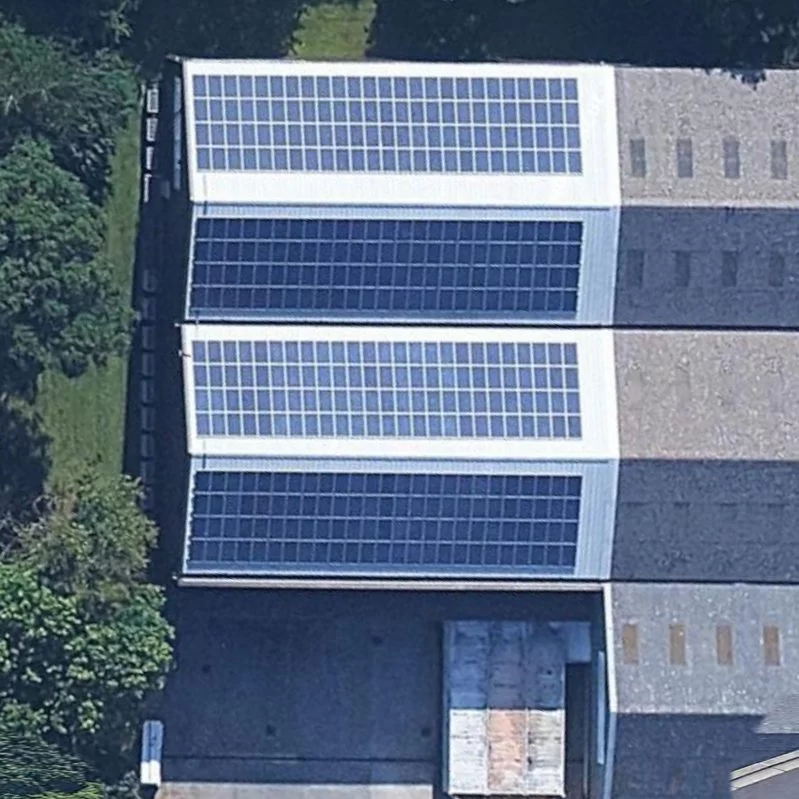
The owner of a large commercial rooftop solar installation in Suffolk commissioned Drone Media Imaging to assess the thermal condition of the array. The system spans four roof elevations and comprises around 400 modules across two photovoltaic systems and four string inverters, and it has been generating for roughly a decade. As commercial arrays mature, individual cells and modules can begin to underperform or run hot, often without any obvious sign at ground level or in the headline generation figures.
Thermography is the most efficient way to see this. A photovoltaic module under load converts most of the sunlight it captures into electricity, but a faulty cell, a shaded region or a layer of soiling behaves differently and gives itself away as a localised temperature rise. Capturing that from the air, across hundreds of modules, lets an entire roof be screened quickly and without disturbing the system. The real challenge is interpretation, separating a genuine fault from a harmless reflection or a normal operating variation.
That interpretation is where this inspection was focused. The data was captured and analysed by Drone Media Imaging, a trading name of VisualChaos Studios Ltd, with the analysis and reporting carried out by our Level 3 Master Thermographer. Rather than simply flagging warm spots, the work set out to classify each finding by severity and, crucially, by what it means for the safety and output of the asset, so the owner receives a prioritised picture rather than a raw list of temperatures.
Governing Standards
- IEC 62446-3:2017 governs thermographic inspection of photovoltaic systems and sets the conditions, method and reporting basis for this survey.
- ISO 18436-7 defines the training and certification of thermographic condition-monitoring personnel, underpinning the Level 3 analysis applied here.
How was the inspection carried out?
How Is an IEC 62446-3 Solar Thermographic Survey Carried Out?
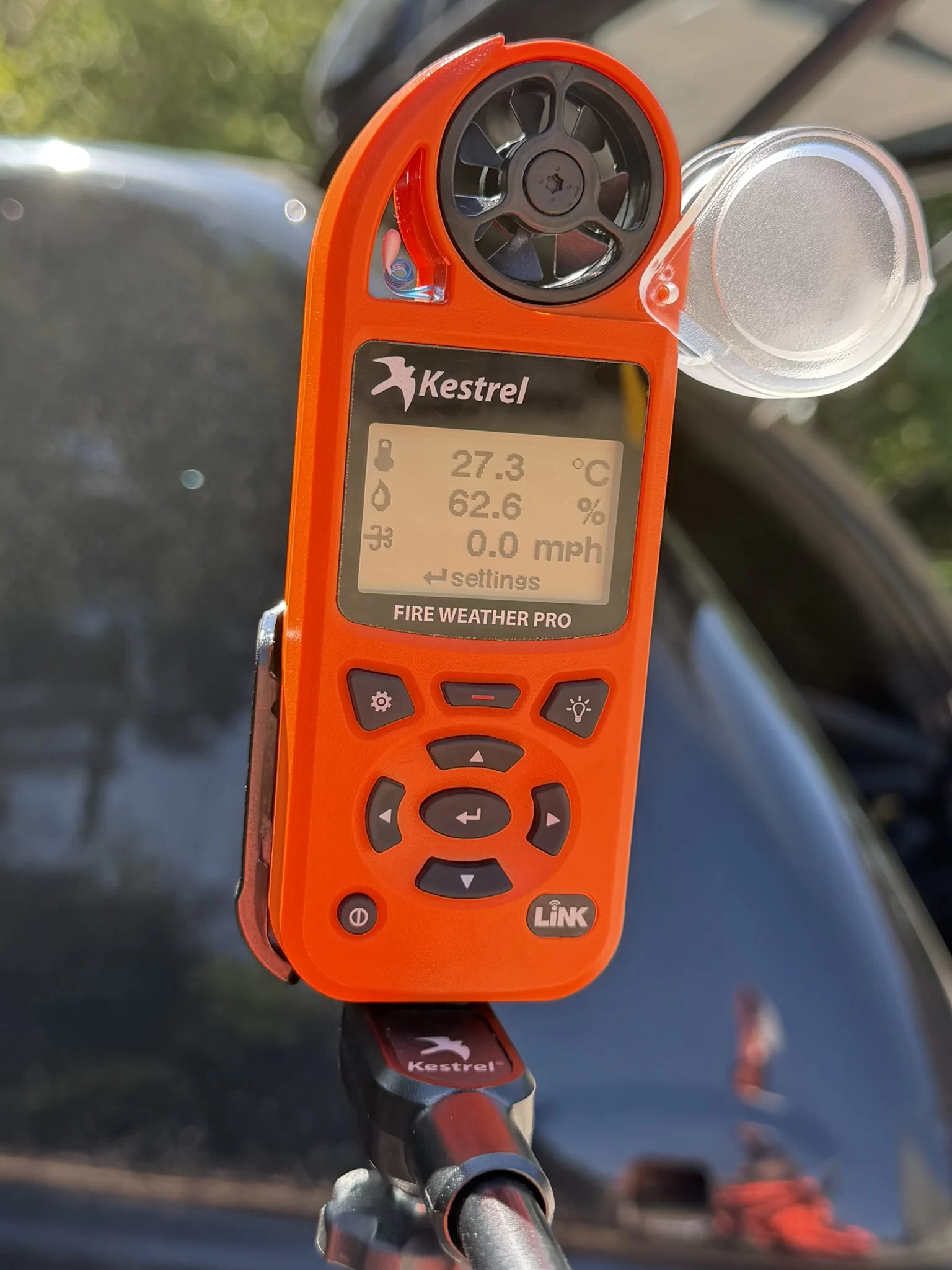
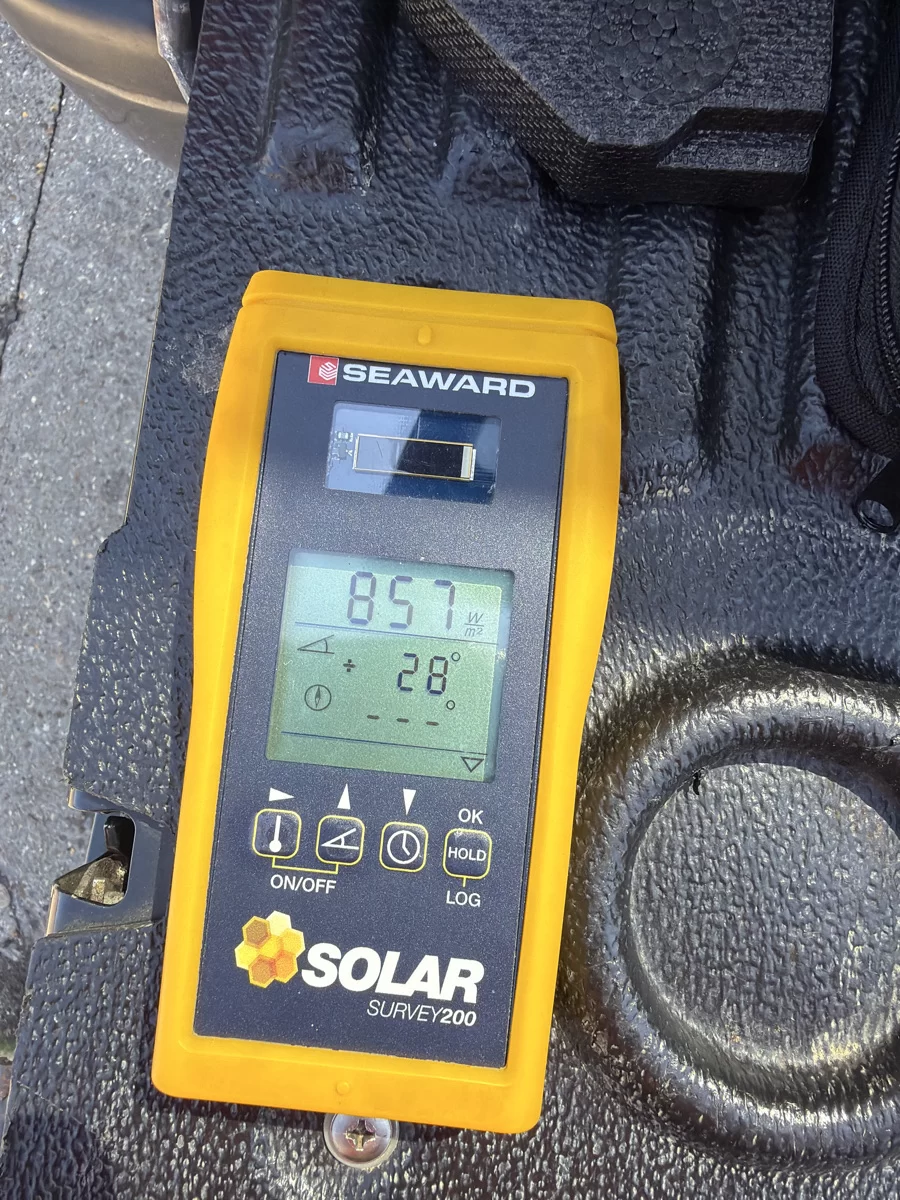
The survey followed IEC 62446-3:2017, the international standard for thermographic inspection of photovoltaic systems. The standard sets the operating conditions under which a thermal survey is valid, and the inspection was timed to meet them: the array was under load, the sky was clear, in-plane irradiance sat comfortably above the required minimum, and the wind was light. These conditions matter because a thermal survey carried out under weak or unstable sunlight can hide real faults or invent false ones.
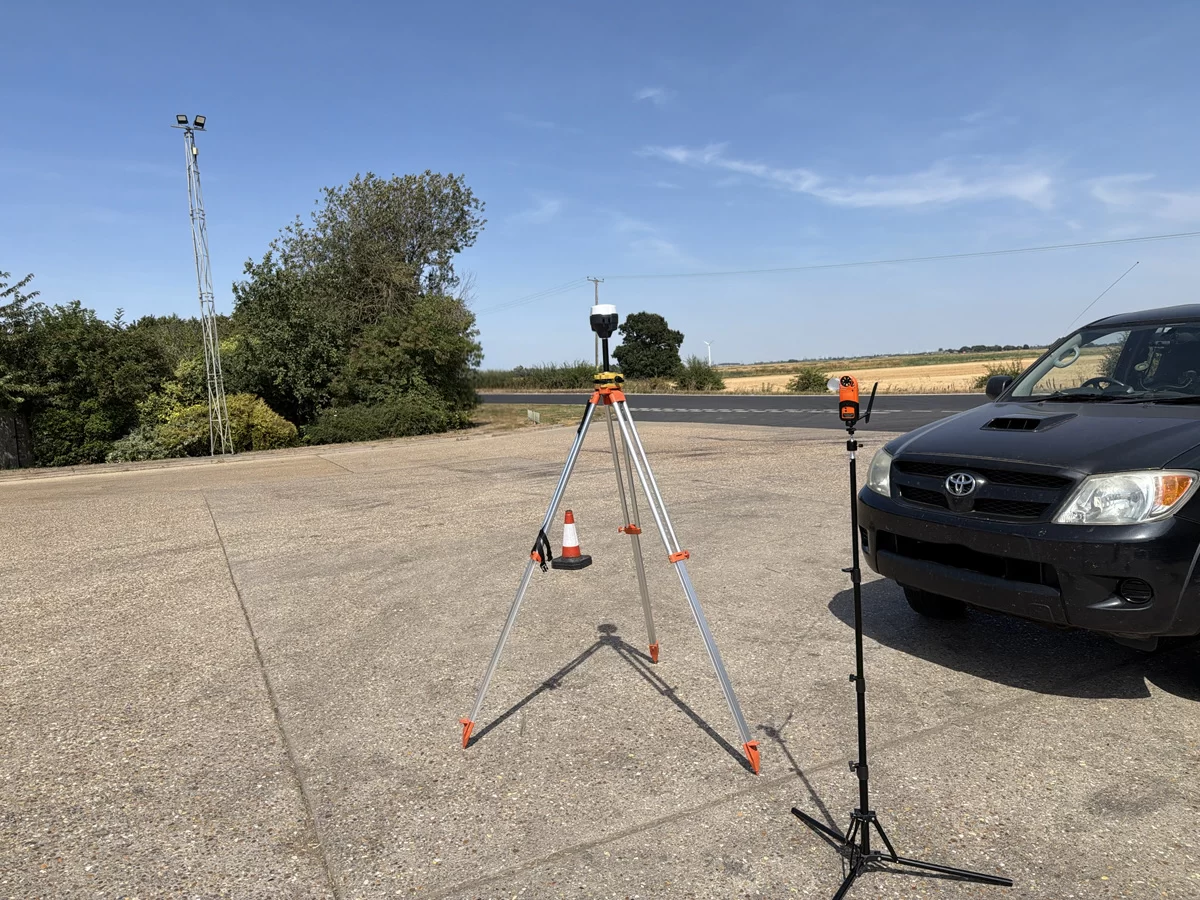
Data was captured using an industry-grade radiometric thermal imaging system flown over the roof, with site irradiance confirmed by an IEC-compliant reference meter. Each thermal image was corrected for emissivity and for reflected temperature, the latter set from an on-site sky reference so that the cold sky mirrored in the glass did not distort the readings. Every elevation was assessed against its own healthy-module baseline, drawn from a clean, uniformly lit reference module within the same image, which is the mechanism that separates genuine heating from reflection and orientation effects.
The engagement was a survey, analysis and reporting exercise, not an electrical or remedial one. Its scope was as follows:
- Included: aerial radiometric thermography of all accessible module surfaces across the four elevations, Level 3 analysis, severity and consequence classification, and a certified report.
- Excluded: electrical string testing, inverter or system diagnostics, and any remedial or corrective work, which are matters for a suitably qualified contractor.
What did the thermal survey find?
The survey resolved a population of cell-level warm spots spread across the four elevations, the majority of which shared a symmetrical thermal shape. That symmetry is informative: it is consistent with reverse-bias heating, where a cell is driven to dissipate rather than generate because of localised shading or surface soiling, rather than the asymmetric signatures left by micro-cracking or potential-induced degradation. Most of these findings were Low to Medium in severity and were recorded on a degradation trajectory, meaning they warrant monitoring rather than immediate action.
Two cells stood out. One, on a fully irradiated east-facing elevation, reached a module-face temperature high enough to be associated with thermal degradation of the EVA encapsulant, the polymer layer that bonds and protects the cells. A second, on a cooler west-facing roof, was warm enough to carry a structural fire-risk consideration on a commercial roof. Both were classified with a Safety consequence and placed at the front of the investigation queue. Across the whole array, a layer of industrial dirt and dust, concentrated towards a vehicle manoeuvring area, was reducing output and was classified as a recoverable yield loss.
The outcome and next steps
The inspection was signed off as a certified Level 3 report under IEC 62446-3:2017. Rather than a bare table of temperatures, it gives the asset owner a prioritised, defensible account of the array’s thermal health, with each finding translated through the Drone Media Imaging Consequence Classification into Safety, Yield and Degradation Trajectory terms that map directly onto maintenance decisions. The recommended next actions were:
- Investigate the two safety-flagged cells, with safe isolation confirmed beforehand, through a suitably qualified contractor.
- Clean the affected modules to recover the output lost to soiling.
- Re-survey at the next interval to establish whether the monitored cells are stable or progressing.
For an asset of this age, that combination of a clear safety priority, a quick yield win and a documented monitoring baseline is exactly what keeps a commercial solar installation generating reliably and safely for years to come.
Considering a thermographic inspection of your solar array?
Drone Media Imaging, a trading name of VisualChaos Studios Ltd, delivers IEC 62446-3 solar PV thermographic inspections with Level 3 analysis and reporting. We cover Sussex, Hampshire, Kent and Surrey, and travel throughout the UK, Ireland and Europe. Get in touch to discuss screening your rooftop or ground-mount array before small faults become costly ones.