Drone Media Imaging completed an IEC 62446-3 compliant aerial thermographic inspection of an 8 MW solar farm located in Cornwall for Client. The project aimed to evaluate system health, identify energy-impacting defects and confirm operational performance under appropriate environmental conditions. Using radiometric drone thermography, we conducted a full-array survey at 5–6 cm GSD, enabling module-level detection of hotspots, PID, cracked cells, diode-related heating, shading effects and soiling-driven thermal signatures.
All flights were performed under controlled irradiance levels, stable ambient temperatures, and low wind conditions to ensure accurate thermal contrast. The inspection adhered fully to IEC 62446-3, with correct emissivity settings, RAT/Tref calibration, perpendicular flight-line geometry, and consistent altitude maintained throughout. RGB imagery was captured alongside thermal data to support precise localisation of defects and to validate array condition.
Findings included several isolated hotspots, early-stage degradation asymmetry within strings, and vegetation shading affecting a portion of the site. A full radiometric report, annotated orthomosaic and prioritised recommendations were delivered to the Client, providing clear actions for module replacement, vegetation management, and further electrical testing. This inspection supports ongoing asset performance, safety and maintenance planning.
Project Overview
Subject
solar pv thermography, iec 62446-3 inspection, drone solar farm survey, radiometric thermal imaging, pv performance diagnostics
Skills Used
Level 3 Thermography, Radiometric Thermal Imaging, Solar Inspection Protocols, IEC 62446-3 Compliance, Aerial Data Acquisition
Portfolio Tags
solar inspection, iec 62446-3, thermal imaging, solar farm survey, drone thermography, pv analysis, radiometric data, commercial inspection
Solar Farm Thermal Inspection – IEC 62446-3 Compliant Drone Survey
High-accuracy radiometric drone thermography delivering module-level PV defect detection and compliant classification for commercial solar assets.
Aerial Thermal Inspection for Solar Farms
Aerial Thermographic Survey of an 8 MW Solar PV Farm
Drone Media Imaging was commissioned to conduct a full IEC 62446-3 compliant thermal inspection of an 8 MW ground-mounted solar farm in Cornwall, owned and operated by Client. The project objective was to identify performance-affecting defects, confirm safe electrical operation, provide module-level defect classification, and support ongoing maintenance planning. Because the site feeds into a commercial export agreement, the inspection also served as part of the asset’s annual performance audit.
Using professional radiometric thermal sensors, we surveyed the entire array at consistent altitude and geometry, ensuring a Ground Sample Distance (GSD) of approximately 5–6 cm—sufficient to reveal module and string-level thermal signatures. All flight operations were undertaken in accordance with Drone Media Imaging’s CAA Operational Authorisation, with strict adherence to environmental and technical requirements defined in IEC 62446-3.
IEC62446 Compliant PV Defect Classification
IEC 62446-3 Compliance, Environmental Conditions and Equipment Used
IEC 62446-3 outlines the correct environmental and operational criteria for aerial solar inspections, ensuring thermal anomalies are captured reliably. On the day of the survey, ambient temperatures were 14°C with stable irradiance above 650 W/m²—ideal conditions for interpreting module behaviour and identifying electrical imbalances. Wind remained below 5 m/s, ensuring stable aircraft performance and minimal thermal convection distortion.
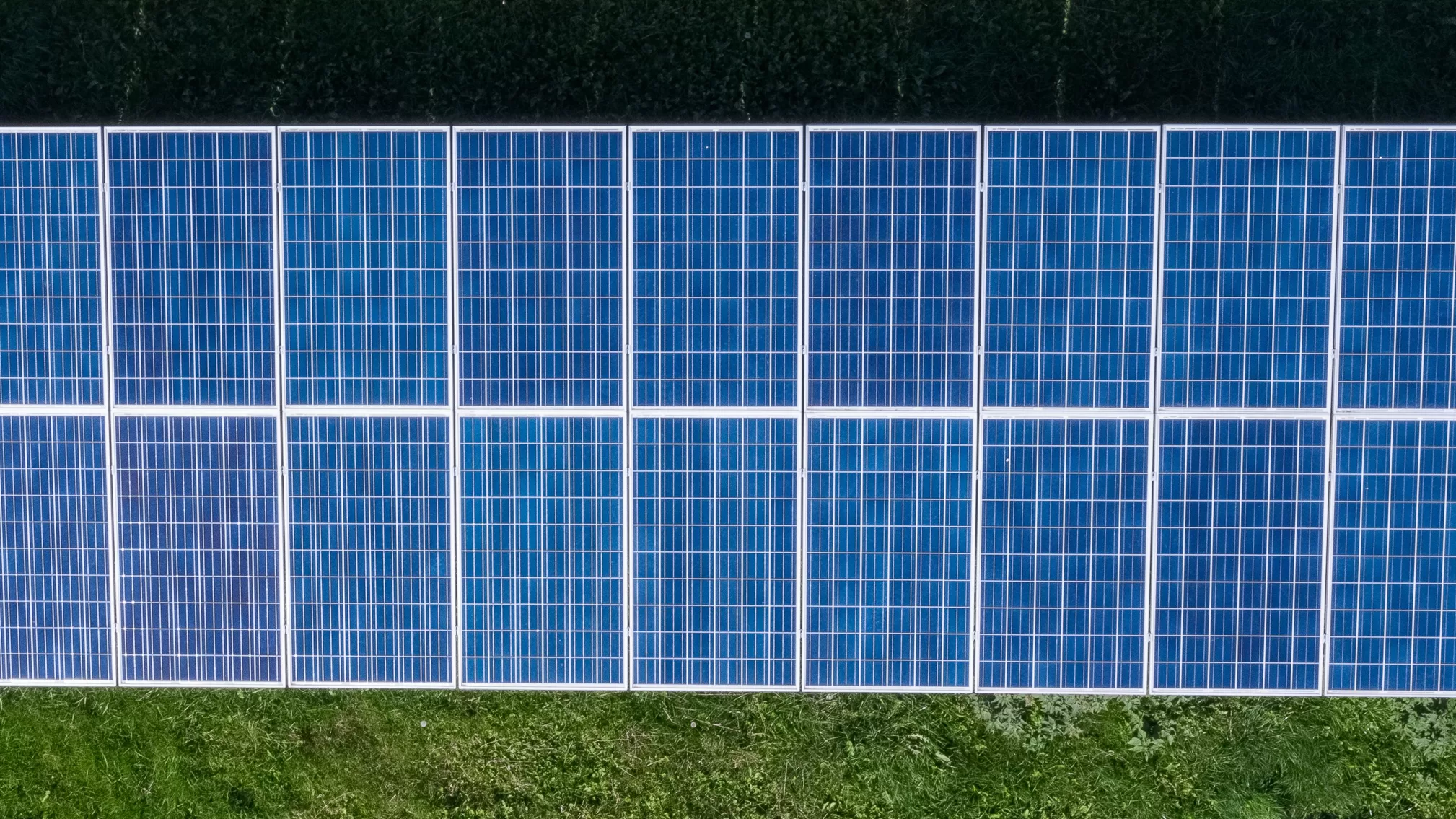
A DJI platform equipped with a radiometric thermal sensor was used, with temperature ranges, emissivity settings and reflected apparent temperature (RAT/Tref) controlled throughout the mission. To maintain data integrity, we flew perpendicular to the string orientation with overlap consistency across all rows. RGB imagery was captured concurrently for correlation and asset referencing, allowing clear localisation of defects and visual confirmation of site layout.
This structured and compliant workflow ensured that every thermal anomaly detected could be reliably interpreted and categorised according to IEC 62446-3, providing actionable insight for O&M teams and the asset owner.
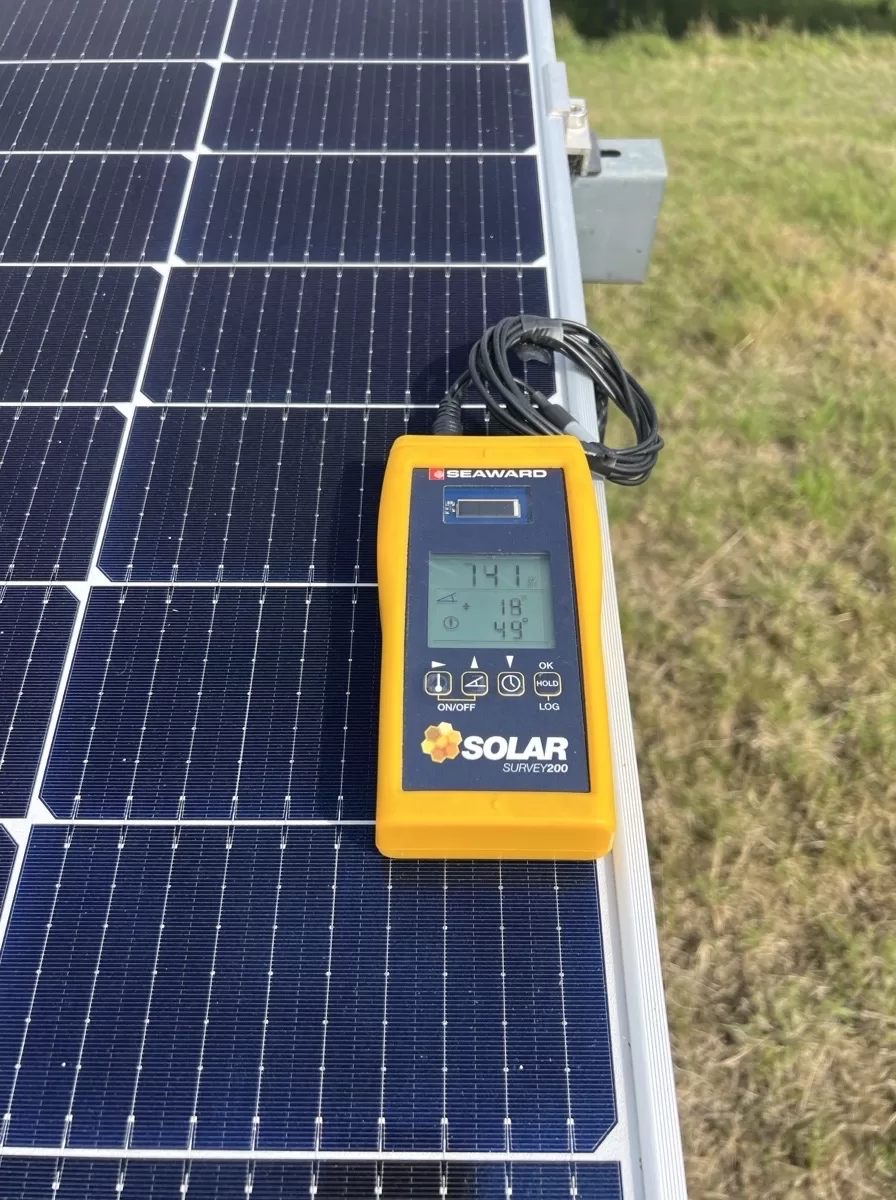
Thermal Radiometric Drone Imaging for PV Arrays
Results, Findings and Thermal Anomaly Classification
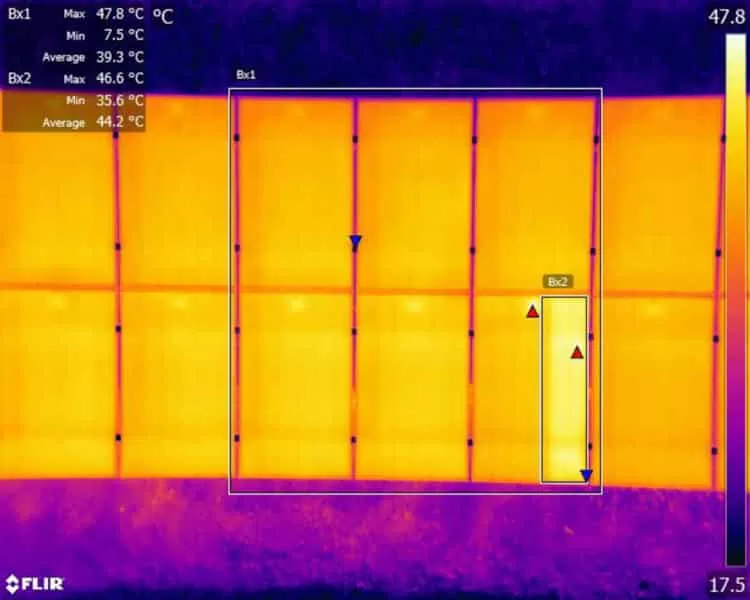
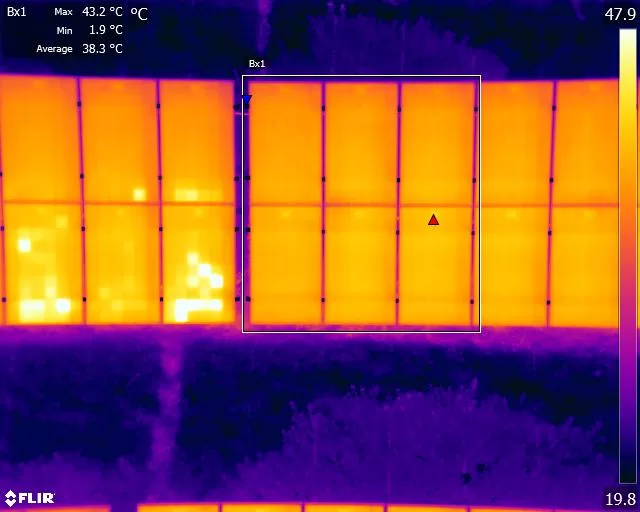
The inspection identified several categories of thermal anomalies including hotspots, sub-string heating, bypass diode-associated signatures, soiling-related heating, and small areas of vegetation shading. Using IEC 62446-3 classification, defects were categorised by severity, likelihood of electrical stress, and impact on energy production. The majority of anomalies were isolated hotspots likely caused by cell degradation or early-stage internal resistance.
A full radiometric dataset, RGB references, and an annotated thermal orthomosaic were provided to the Client. Priority recommendations included the replacement of several anomalous modules, vegetation clearing in affected rows, and follow-up string-level electrical testing to verify suspected imbalances. The final report provided a clear action plan, enabling the Client to improve yield, reduce long-term risk and support warranty/maintenance decisions.