The Role of Building Thermography in Eco-Friendly Practices
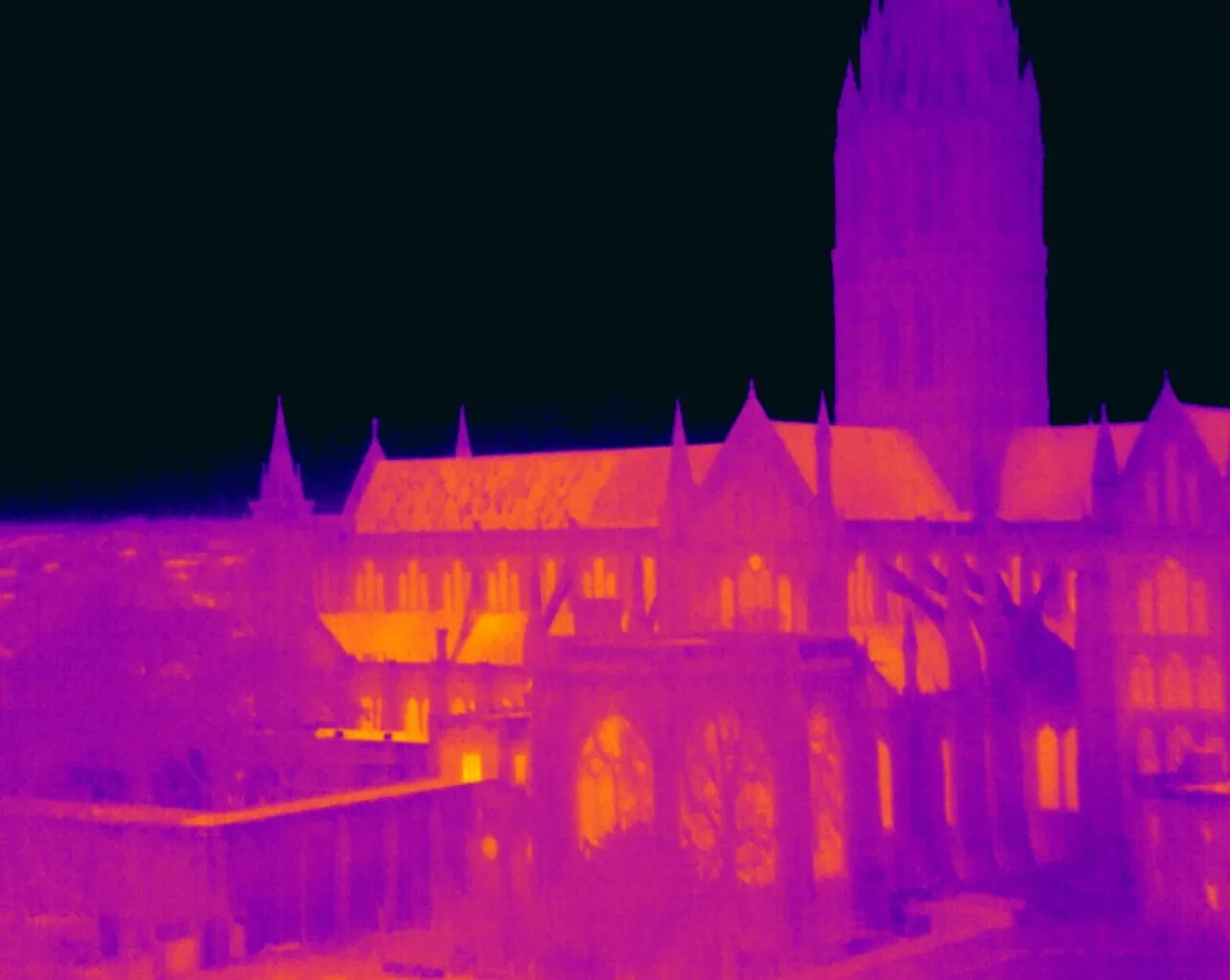
Building thermography, leveraging infrared technology, acts as a vigilant guardian for sustainability in the listed building retro fit insualtion. By capturing and visualising heat patterns, thermal imaging identifies areas of inefficiency and waste, guiding efforts to reduce a building’s carbon footprint.
Guardians of Sustainability:
The Role of Building Thermography in Eco-Friendly Practices
Sustainability has become a central focus in the construction and maintenance of buildings, and building thermography emerges as a powerful ally in achieving eco-friendly practices. In this article, we delve into the transformative role of building thermography in promoting sustainability, from energy efficiency improvements to the identification of hidden environmental hazards.
Building Thermography as an Environmental Watchdog
Building thermography, leveraging infrared technology, acts as a vigilant guardian for sustainability in the construction industry. By capturing and visualising heat patterns, thermal imaging identifies areas of inefficiency and waste, guiding efforts to reduce a building’s carbon footprint. According to a report by the World Green Building Council, incorporating thermal imaging in construction projects can lead to an average reduction of 25-30% in energy consumption. This demonstrates the significant impact of thermography in driving sustainable practices and aligning with global goals to combat climate change.
Detecting Energy Inefficiencies and Heat Loss
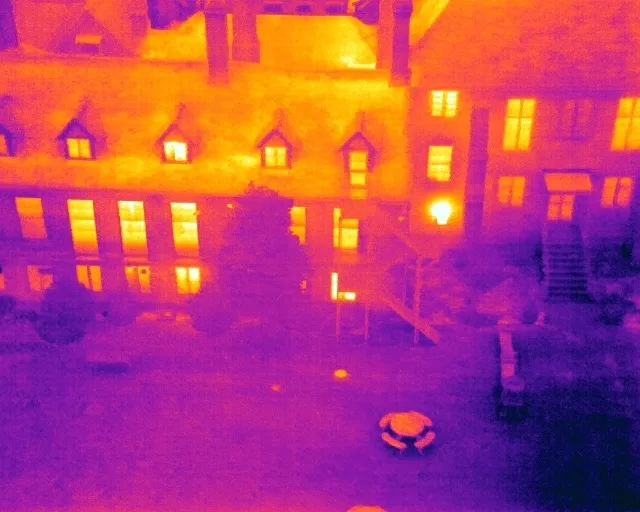
One of the primary contributions of building thermography to sustainability lies in its ability to detect energy inefficiencies and heat loss. Thermal cameras capture temperature variations, revealing areas where insulation is lacking or where HVAC systems operate inefficiently. An example from a sustainable housing project in Edinburgh showcases the effectiveness of thermography. By using thermal imaging to identify and address heat loss, the project achieved a 40% reduction in energy consumption, exceeding initial expectations. This emphasises the role of thermography in achieving tangible and substantial improvements in energy efficiency.
Uncovering Hidden Environmental Hazards
Beyond energy efficiency, building thermography serves as a tool for uncovering hidden environmental hazards that may go unnoticed through conventional inspections. From water leaks that lead to mould growth to electrical issues causing energy waste, thermal imaging provides a holistic view of a building’s environmental health. A case study in Birmingham highlights the impact of thermography in identifying water leaks within the building envelope. The timely detection prevented extensive damage, reducing the environmental impact and minimising the need for resource-intensive repairs.
Promoting Sustainable Building Design and Retrofits
Building thermography not only aids in identifying current issues but also contributes to sustainable building design and retrofits. By assessing thermal performance during the design phase, architects and engineers can optimise insulation, window placement, and overall energy efficiency. A study published in the Journal of Sustainable Architecture and Civil Engineering emphasises the role of thermography in guiding retrofit projects towards sustainability. The technology assists in prioritising areas for improvement, ensuring that retrofit efforts align with environmental goals and contribute to long-term sustainability.
Building thermography emerges as a stalwart guardian of sustainability in the construction and maintenance of buildings. By detecting energy inefficiencies, uncovering hidden environmental hazards, and promoting sustainable building practices, thermal imaging plays a pivotal role in creating eco-friendly structures. As the construction industry embraces a green future, building thermography stands as a crucial tool in the journey towards sustainable and environmentally responsible practices.
Sources:
1. World Green Building Council. “The Business Case for Green Building.”
2. Sustainable Housing Project in Edinburgh. Case Study (Year of publication).
3. Case Study on Water Leak Detection in Birmingham. (Year of publication).
4. Journal of Sustainable Architecture and Civil Engineering. “Building Thermography in Sustainable Retrofitting.”
Building Surveys using Thermography
We are experienced and certified level 2 category thermographers. We work boith from the air using specialist thermal drone technology as well as on the ground using traditional building thermal imaging techiques to inspect commericla and domestic properties.
Thermography is a non-destructive and non-invasive technology looking at the anomolies, faults and observations covering moisture, water ingress, insulation continuity, heat loss, air leakage, thermal bridging and insect infiltration.
Drone Services Enquiry
Thermography | Inspections | Solar | Photogrammetry
Discover how drone technology can enhance your operations with a free quotation from our experts. Get a Free Quote or Make an Enquiry Today!