Blog

Solar String Testing: What the Curve Tells You That a Thermal Image Cannot

October 7, 2026|Categories: All, Featured, Inspection and Survey, Solar|Tags: , , , |

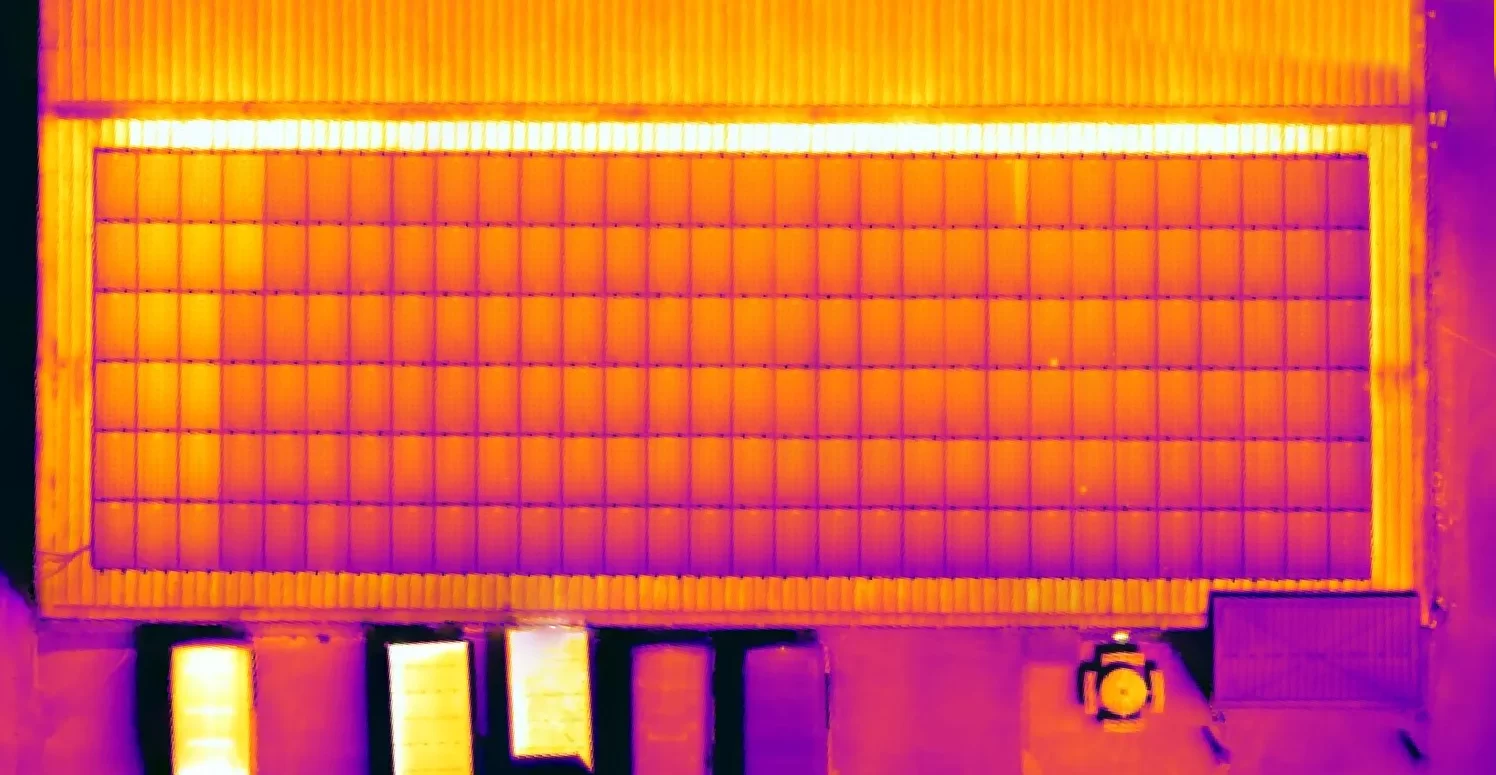
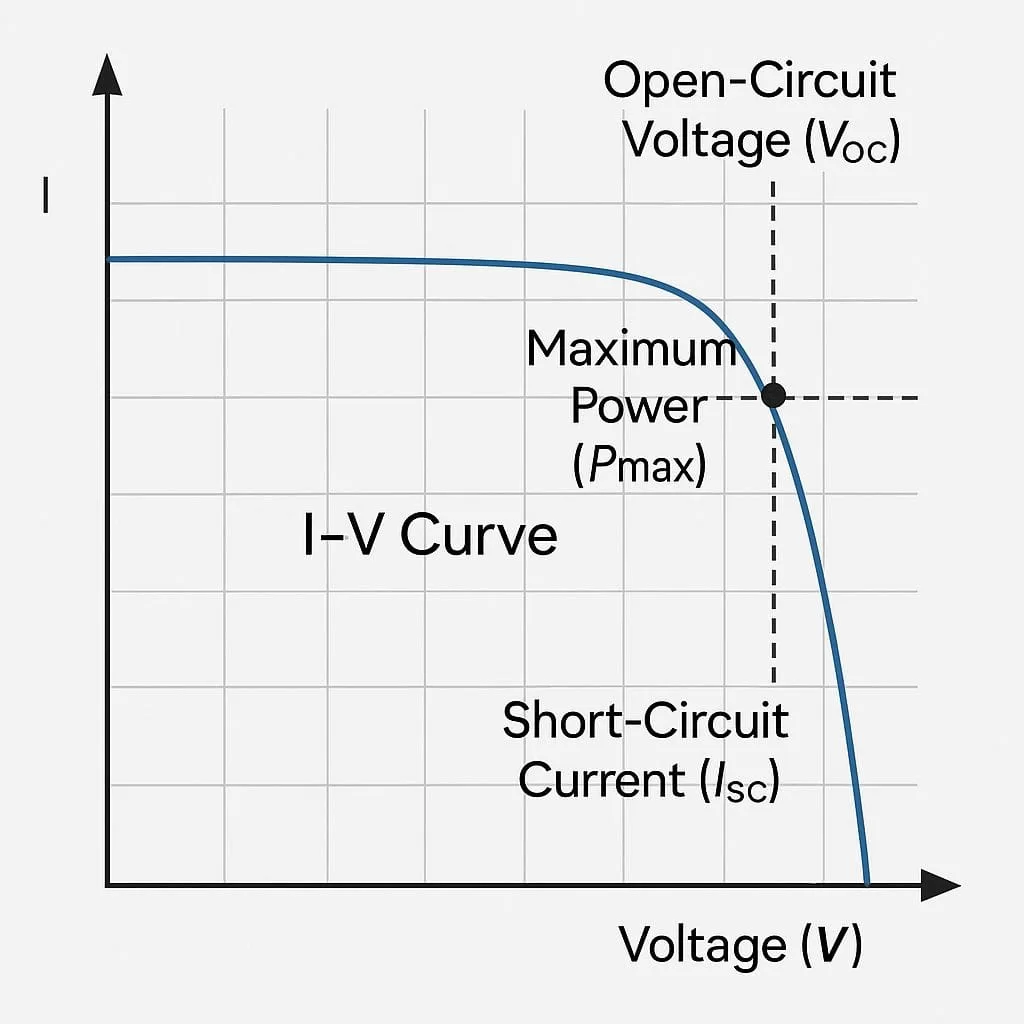
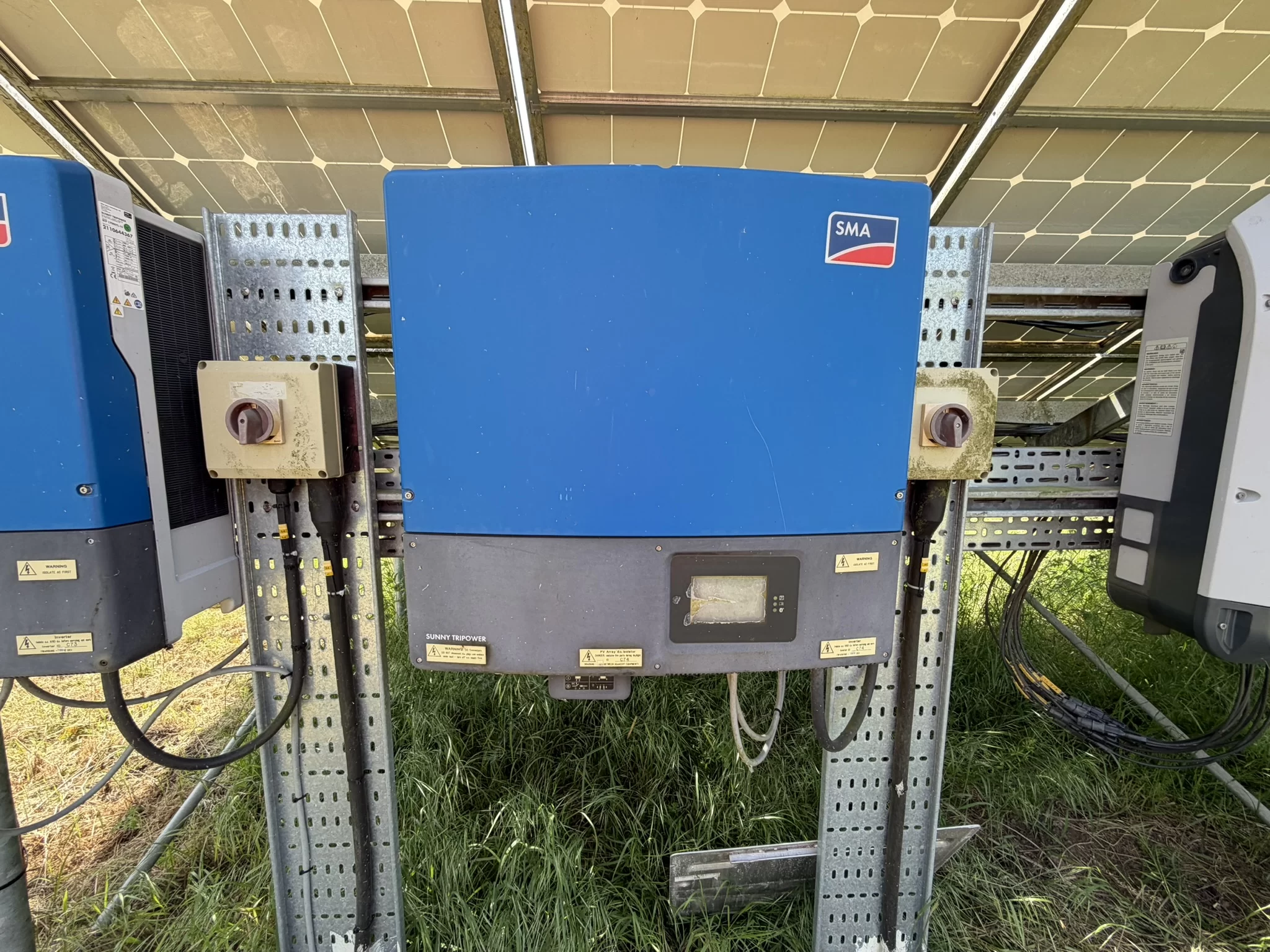
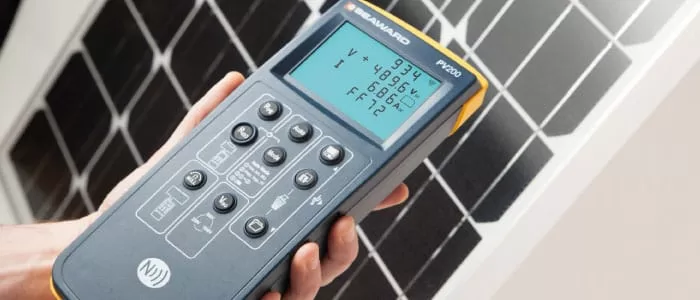
A thermal survey shows where a solar array is losing energy as heat. A string test shows how much a string is actually producing, and its I-V curve shows what kind of fault is holding it back. Some faults only the camera can see, others only the meter. This post explains what string testing measures, how the curve is read alongside the thermal images, and what to check about your own system before booking a combined survey of the array.
A Thermal Survey and a Building Survey Answer Different Questions

October 6, 2026|Categories: All, Featured, Inspection and Survey, Thermography|Tags: , , , , , |

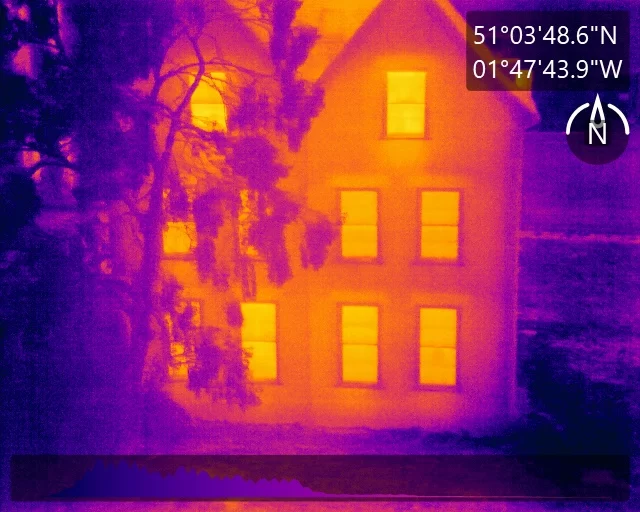
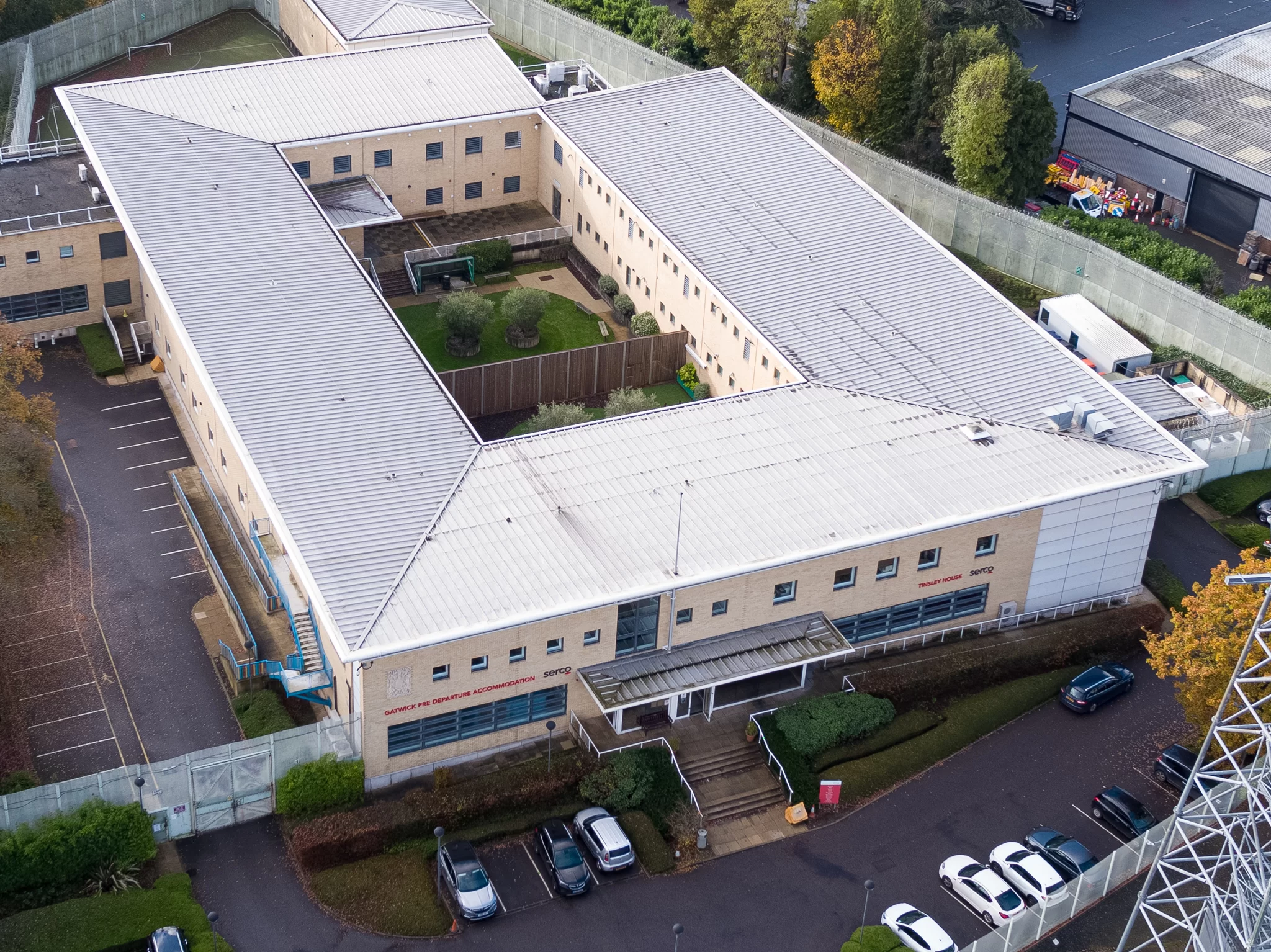
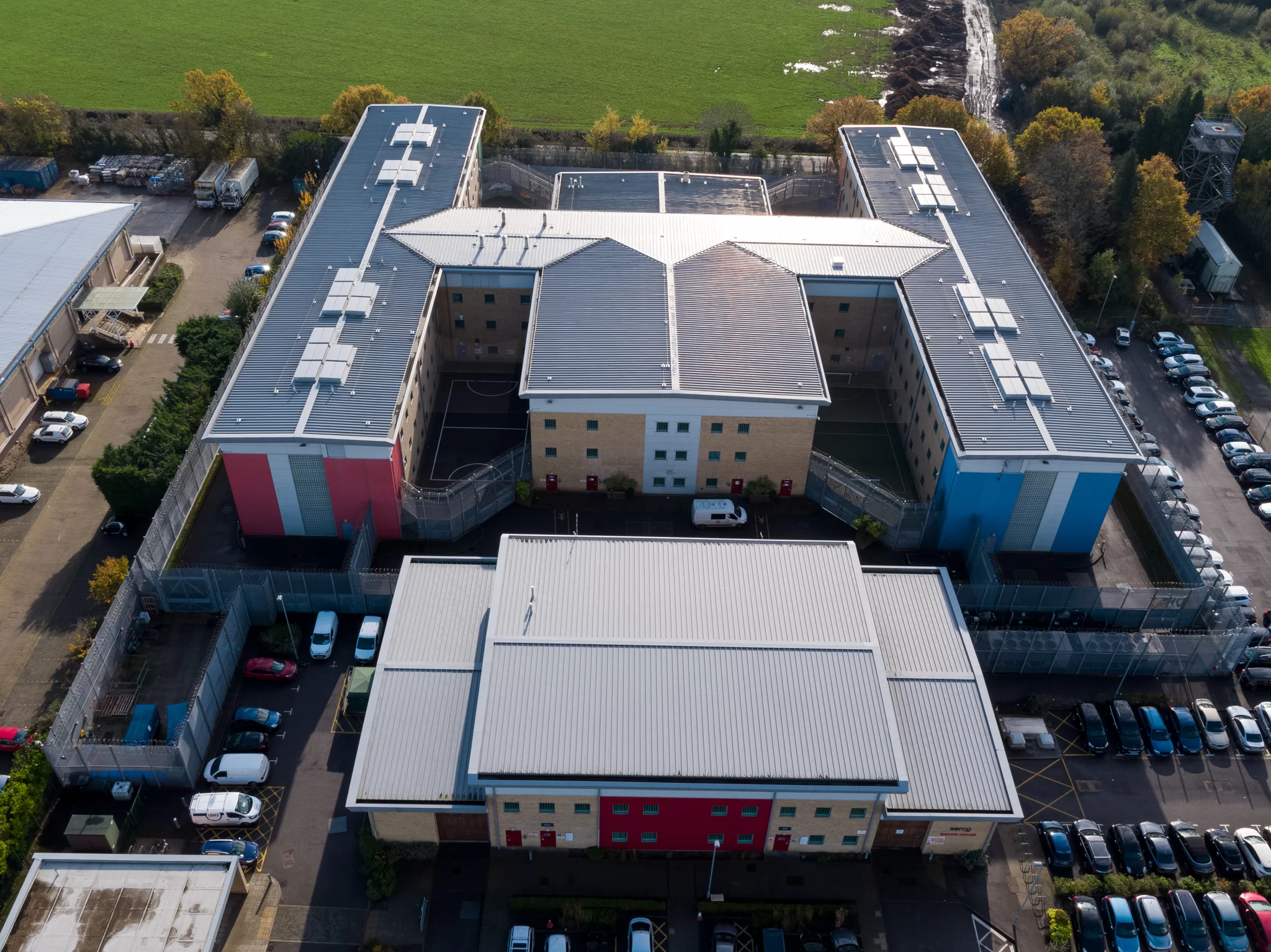
A building survey and a thermal survey both carry the word survey, and they answer different questions. One is a qualified professional's judgement on the condition of a structure. The other records where the envelope loses heat, admits air or holds moisture, under conditions written down at the time. Drone Media Imaging provides the second, and holds no surveying qualification. This is how the two work together, what each needs from the other, and why the boundary is what makes the evidence usable.

Which Building First? Thermal Survey Across a Property Portfolio

October 6, 2026|Categories: All, Featured, Inspection and Survey, Thermography|Tags: , , , , , , , |

A thermal survey of one building answers a question about that building. A survey of a whole portfolio answers a different question, which is where the repair budget should go first. That second answer only holds if the surveys were designed to be compared, which means conditions logged per elevation, camera settings fixed and held, and capture geometry kept consistent from block to block. This is how a set of buildings becomes an ordered starting point rather than a stack of reports.

Reading Roof Insulation From the Air: Tiles, Loft and a Cold Sky

October 6, 2026|Categories: All, Featured|Tags: , , , , , , |

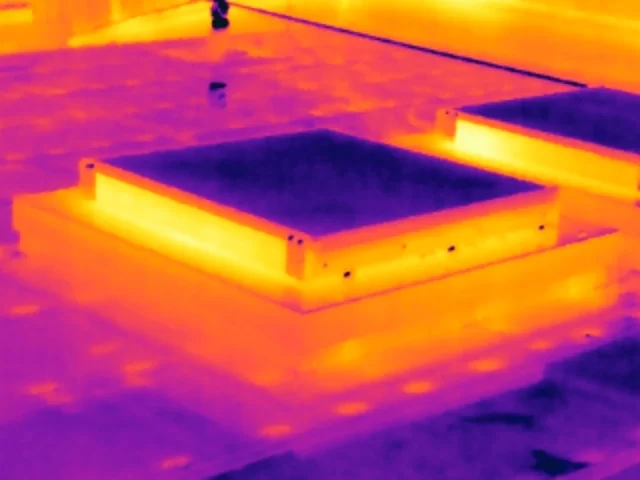
On most pitched roofs a ventilated loft sits between the tiles and the insulation, so an aerial thermal image of the roof is an indirect view of what lies beneath. This piece explains how cold and warm roofs read differently from the air, why the cold night sky is reflected by and draws heat from every roof surface, and which checks turn a warm patch on a roof into a finding worth investigating further inside the loft.

Before and After: Can a Thermal Survey Show That a Retrofit Worked?

October 6, 2026|Categories: All, Featured, Inspection and Survey, Thermography|Tags: , , , , |

A retrofit is usually justified before it starts and assumed after it finishes. A matched pair of thermal surveys, one before the work and one after, can show whether the building envelope behaves differently, but only if the two are genuinely comparable. This post covers why the baseline has to come first, what has to match between the two surveys, and what the pair can and cannot honestly claim.

Thermal Bridging in Commercial and Industrial Buildings

October 6, 2026|Categories: All, Featured, Inspection and Survey, Thermography|Tags: , , , , , , |

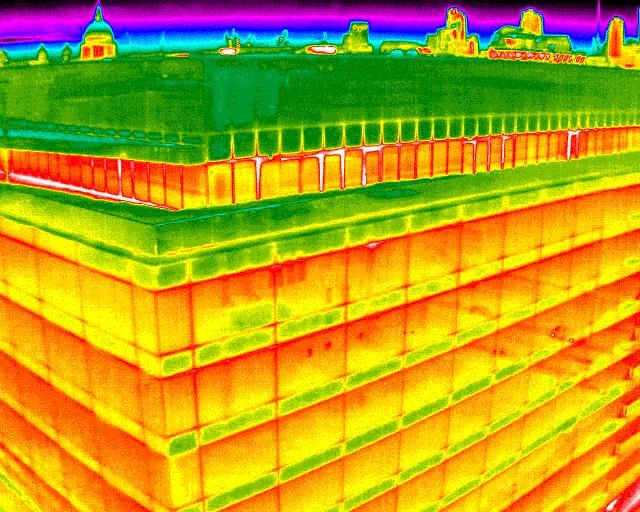
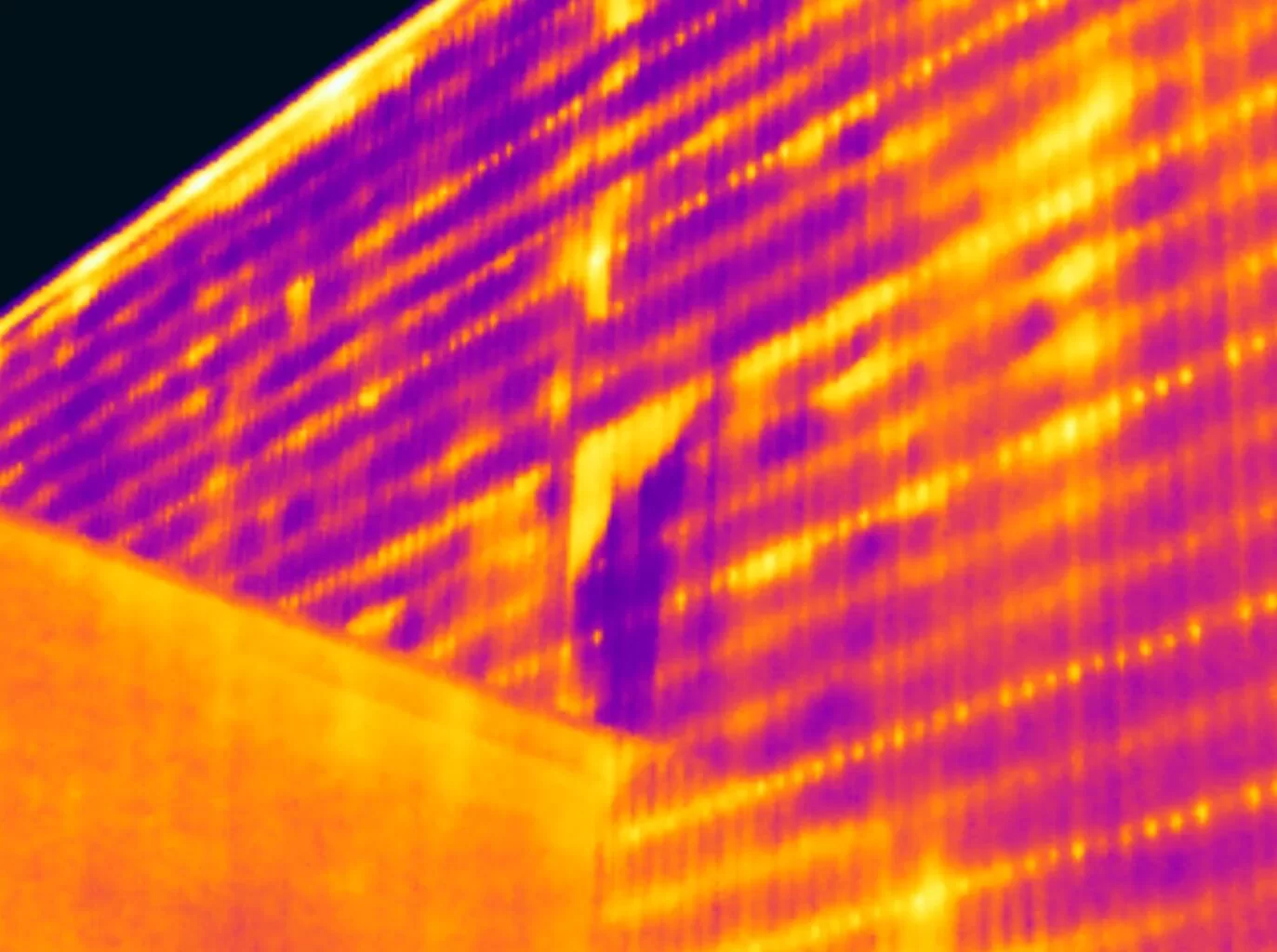
On a steel framed, clad commercial building, thermal bridging rarely appears as a single fault. It shows as a regular pattern that follows the fixings, panel joints, rooflights and the base of the wall. This article explains why that repeat is the baseline rather than the finding, what a departure from it tends to look like, why heating across large buildings has to be understood first, and why bare metal needs careful handling on an aerial thermal survey.

How Often Should Commercial Solar Panels Actually Be Inspected?

October 2, 2026|Categories: All, Featured, Solar|Tags: , , , , |

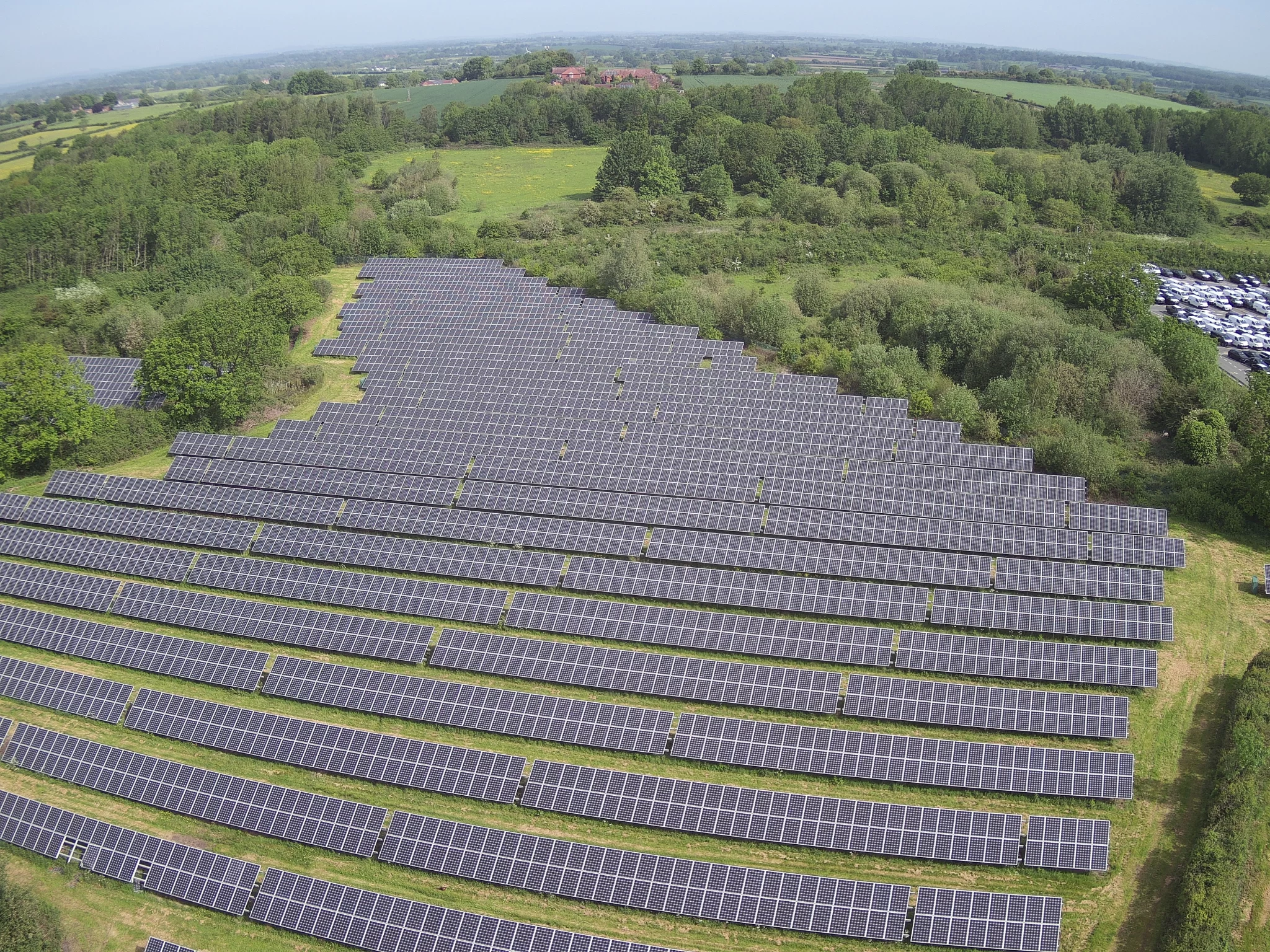
How often should a commercial solar array be inspected? The published guidance gives more than one answer. IEC TS 62446-3 recommends four years and defers to the owner, MIS 3002 points to a full maintenance visit every two years, and RC62, the UK insurers' own code of practice, recommends thermographic examination as part of the maintenance regime. This post sets out what each says, then what should decide the interval for a particular roof: age, history, fire load and change.

Dew Point in Building Thermography: Why Condensation Decides the Survey Window

October 2, 2026|Categories: All, Featured, Inspection and Survey|Tags: , , , , |

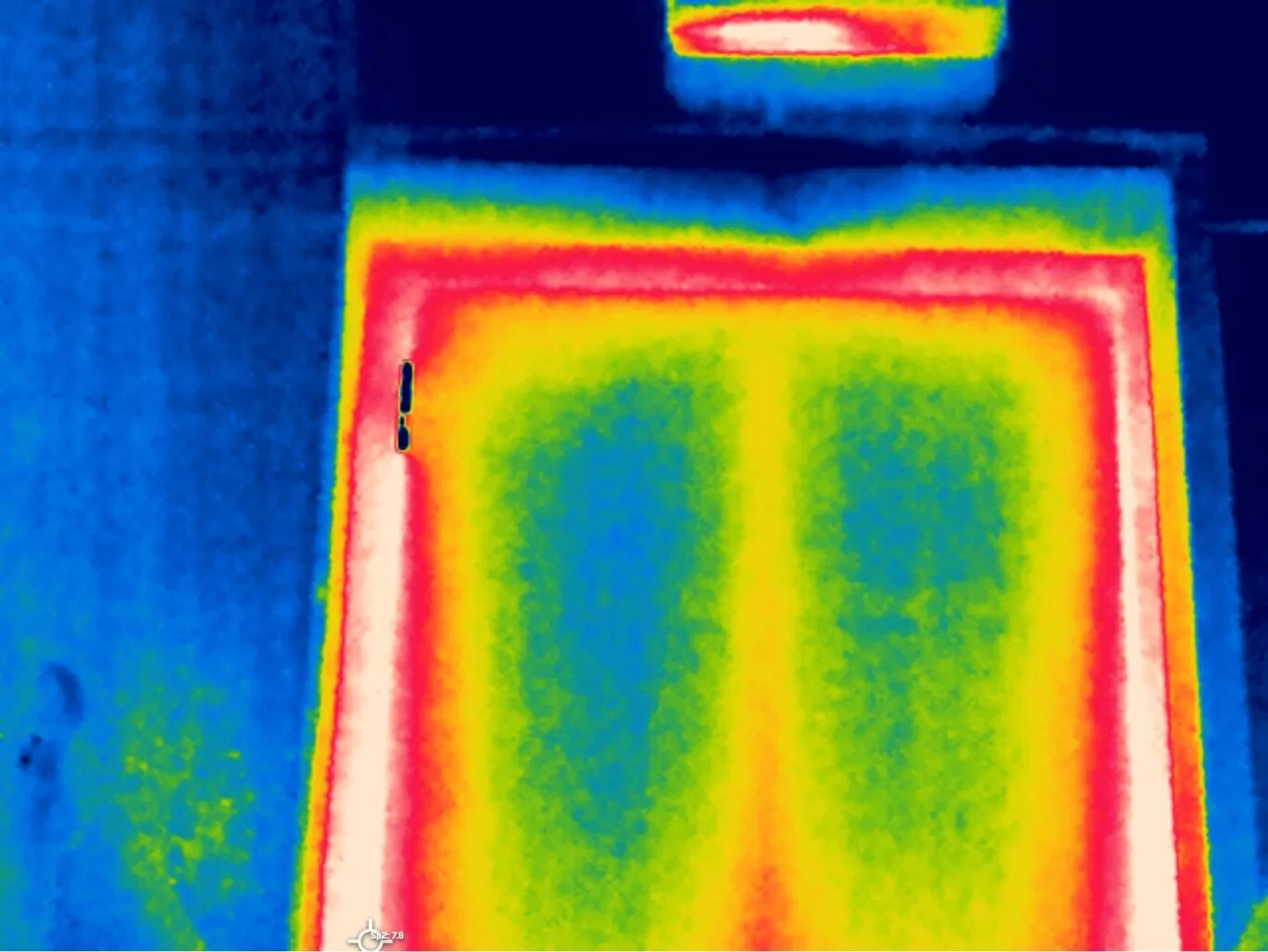
The dew point is the temperature at which air saturates and water condenses onto a surface. The cold, clear, still nights that suit building thermography are the same nights that drive roofs below it, and a roof carrying dew shows the camera a film of water rather than its own temperature pattern. This article explains what the dew point is, what condensation does to a thermal image, and how an aerial survey is timed so the building is read while it is dry.

What a Solar PV Thermal Survey Needs From You Before the Spring Booking

October 2, 2026|Categories: All, Featured, Solar|Tags: , , , , , , , |

A spring solar survey is booked around the weather, but much of what decides its value is settled by the client before anyone checks a forecast. This piece sets out what Drone Media Imaging asks for ahead of a solar PV thermal survey, from the string layout and plant records to access, operating status and a contact on the day, why each item changes how firmly the findings can be written, and how a weather-held booking works across the season.

Drone or Ladder: What Changes When a Solar Inspection Leaves the Ground

October 2, 2026|Categories: All, Featured, Inspection and Survey|Tags: , , , , |

A drone or a ladder? The two are not the same solar inspection done two ways, and they produce different evidence. A visual check finds visible damage. A handheld thermal camera sees heat but, from a ladder, looks across the array at an angle where glass reflects the sky. A drone records every module from above under one set of conditions. This post sets out what each can see, why angle and timing change the reading, and where each belongs.

Go to Top